
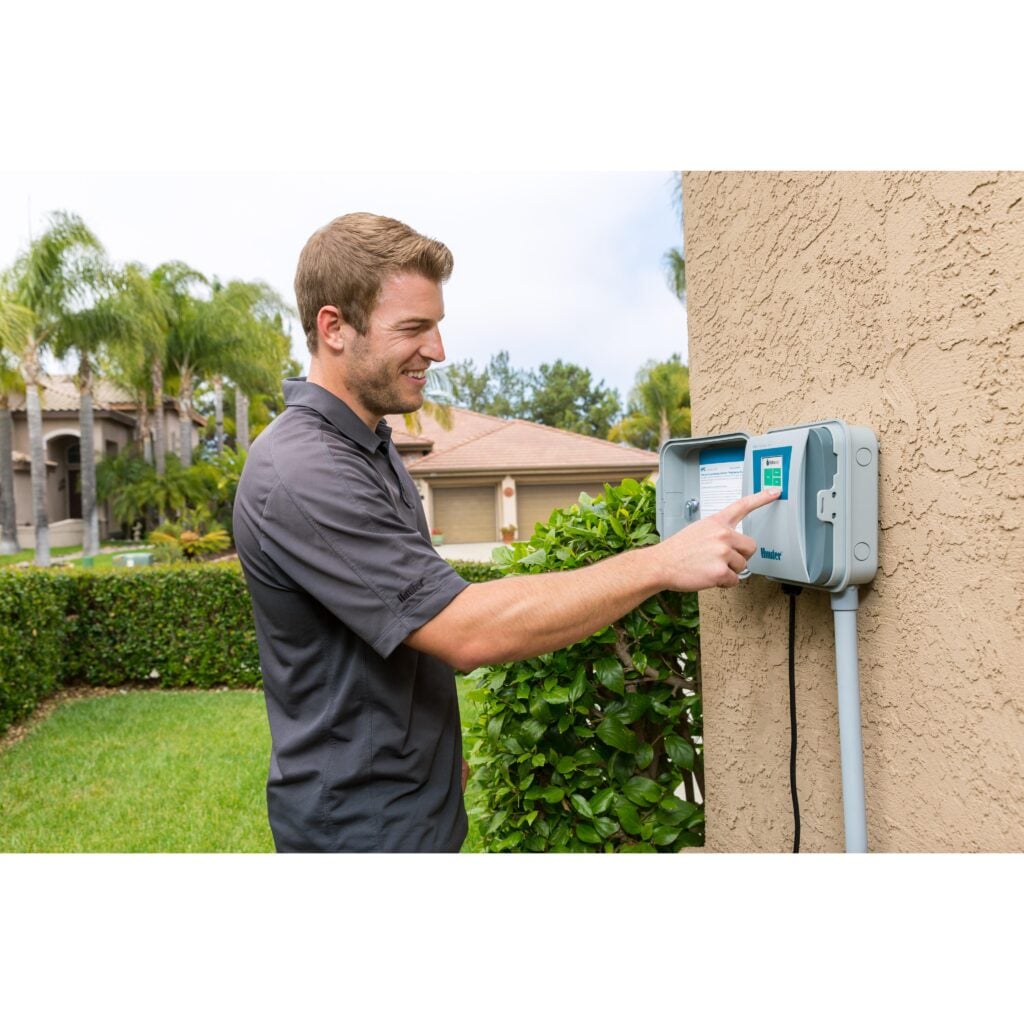
Dry Season Irrigation Port Charlotte: How should homeowners adjust their sprinkler systems when Southwest Florida enters its drier months? The answer isn’t simply to increase watering times across every irrigation zone. A better approach starts with reviewing your controller settings, inspecting the system, and understanding the actual moisture needs of your lawn and landscaping.
For homeowners in Port Charlotte, Florida, seasonal irrigation adjustments require careful attention to sandy soil conditions, changing rainfall patterns, and applicable local watering restrictions. Different parts of your yard may need different adjustments depending on sun exposure, irrigation equipment, plant types, and soil moisture.
Fine Design Outdoor Solutions provides irrigation installation and repair as part of its landscaping services in Port Charlotte and surrounding Southwest Florida communities. This guide covers seven practical checks to help you evaluate your irrigation system before making changes for the dry season.
Dry Season Irrigation Port Charlotte: Check Watering Rules First
Start by confirming the current watering requirements for your property with your water provider or the authority responsible for local irrigation restrictions. Do not assume a neighbor’s schedule applies to your address or water source.
Before changing your irrigation schedule, review the Southwest Florida Water Management District’s water restriction information and confirm which requirements apply to your property. Watering rules can vary by location, water source, and current restrictions.
Check which days and hours are permitted, whether temporary restrictions are in effect, and whether any special provisions apply to newly installed landscaping. This article does not establish an allowable watering schedule.
Once you have that information, compare it with your controller. A useful dry-season adjustment still needs to fit the rules that apply to your property.
Review Your Irrigation Controller Settings for the Dry Season
Before editing anything, photograph or write down the existing settings. That gives you a reference if a change does not work as expected.
Review these settings together:
- Watering days: Do they match the current requirements for your property?
- Start times: Are there extra starts you no longer need?
- Zone run times: Have all zones been given the same duration without considering their differences?
- Additional programs: Is another active program repeating part of the schedule?
- Date and clock: Are they correct, including the morning or evening designation?
- Seasonal adjustment: If your controller offers this feature, check its current setting before increasing individual zone times.
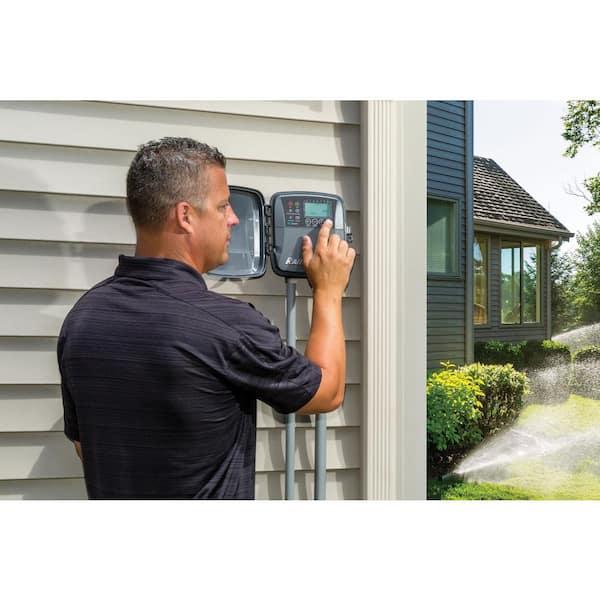
Consult the controller instructions if you are unsure what a setting does. On some controllers, a start time begins an entire program rather than one individual zone. Confirm how yours works before adding another start.
Avoid making several overlapping changes at once. If you increase run times, add watering days, and activate another program together, it becomes harder to tell which change was necessary.
Evaluate zones separately
A single setting for the whole property may overlook important differences. Walk through each zone and note what it waters, how much sun it receives, and whether it includes lawn, planting beds, or a mixture.
For a Port Charlotte yard with sandy soil, do not choose a run time based on soil type alone. Also consider the irrigation equipment, the condition of the soil below the surface, recent rainfall, and the needs of the plants being watered.
Use a simple zone record:
| What to record | What to look for |
|---|---|
| Area served | Lawn, landscape bed, or mixed planting |
| Exposure | Open sun, partial shade, or shade |
| Equipment | Type of watering device and any visible differences |
| Conditions before watering | Dry, damp, or already wet soil |
| Operation | Missed areas, overspray, pooling, or visible leaks |
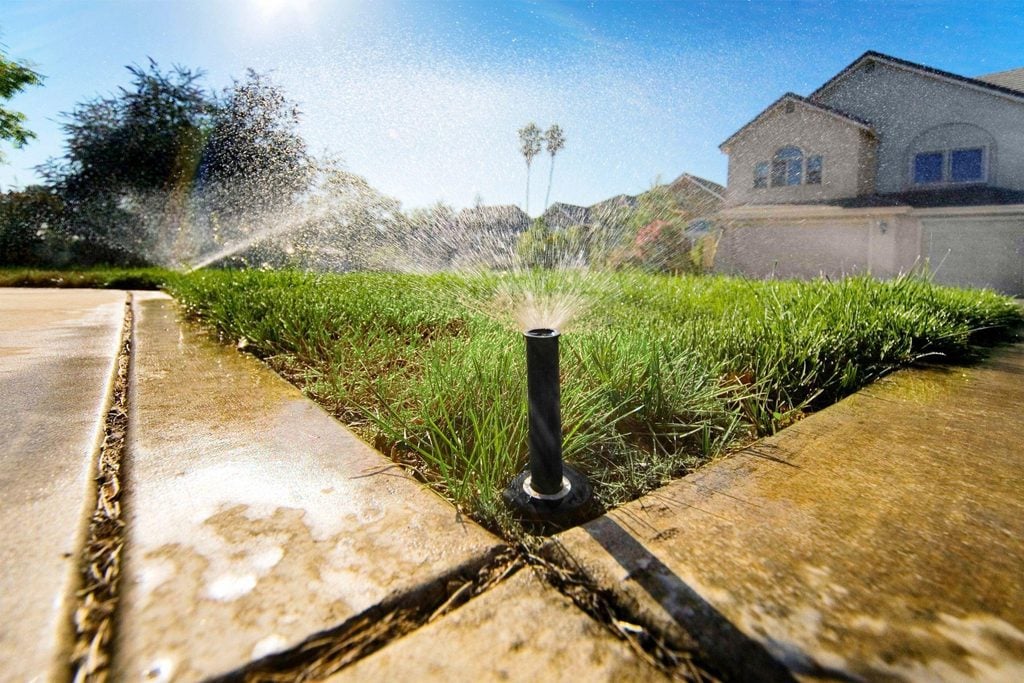
This record helps separate a scheduling question from a system problem. A shaded bed and an exposed lawn area should at least be evaluated independently rather than automatically receiving the same increase.
Watch the system run before adding minutes
Use the controller’s manual test function, following its instructions and any applicable restrictions, to observe the zones. Stay outside rather than relying only on what the controller screen shows.
Look for water hitting pavement, heads blocked by plants, damaged components, and areas receiving noticeably uneven coverage. Note any pooling or water leaving the intended landscape area.
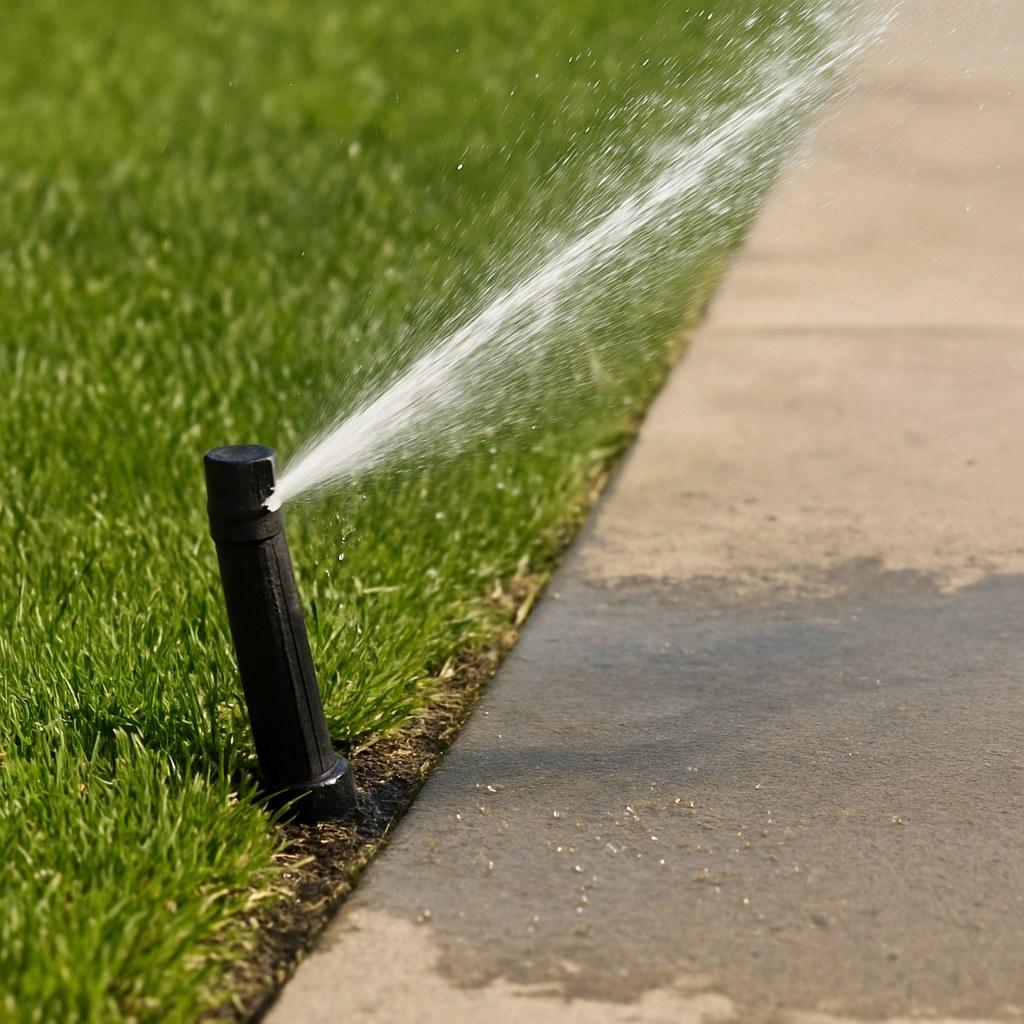
If one section remains dry while another becomes wet, pause before extending the entire zone’s run time. More time is not a substitute for addressing a blocked head, a leak, or an unsuitable watering pattern.
Fine Design Outdoor Solutions provides irrigation system installation and repair as part of its landscaping services. When the system’s operation is the issue, have that assessed before building a longer schedule around it.
Adjust from observations, not a universal minute count
There is no single run time to recommend here without knowing your system, plants, soil conditions, and applicable restrictions. The useful question is not simply, “How many minutes should I add? “It is. “What evidence shows this zone needs an adjustment? ”
The UF/IFAS Gardening Solutions lawn care resources provide Florida-specific information about lawn watering and maintenance. These resources can help homeowners understand why irrigation decisions should consider turfgrass conditions, soil moisture, and seasonal weather rather than relying on a universal sprinkler runtime.
Before a scheduled watering cycle, check conditions in representative parts of the zone. Where practical, look below the soil surface rather than judging only by its appearance. After watering, look for uneven wetting, standing water, or runoff.

If the system is functioning properly but the schedule appears unsuitable, make a measured change within the allowed watering schedule. Record what you changed and reassess before making another adjustment. If water begins collecting or running off, do not keep lengthening the cycle without investigating the cause.
Keep notes brief: the date, recent rain, the zone setting, and what you observed. A small record is more useful than repeatedly changing settings from memory.
Keep rainfall in the decision
A dry-season program should not become a set-and-forget program. Recheck it after rain and whenever conditions change noticeably.
If your system has a rain sensor or weather-based control, review its status and manufacturer instructions. Do not assume it is working correctly just because it is installed, and do not bypass it simply to force the normal schedule to run.
The EPA WaterSense landscaping resources offer guidance on using water efficiently in residential landscapes. Considering rainfall, plant needs, and irrigation system performance can help homeowners avoid unnecessary watering while maintaining their landscaping.
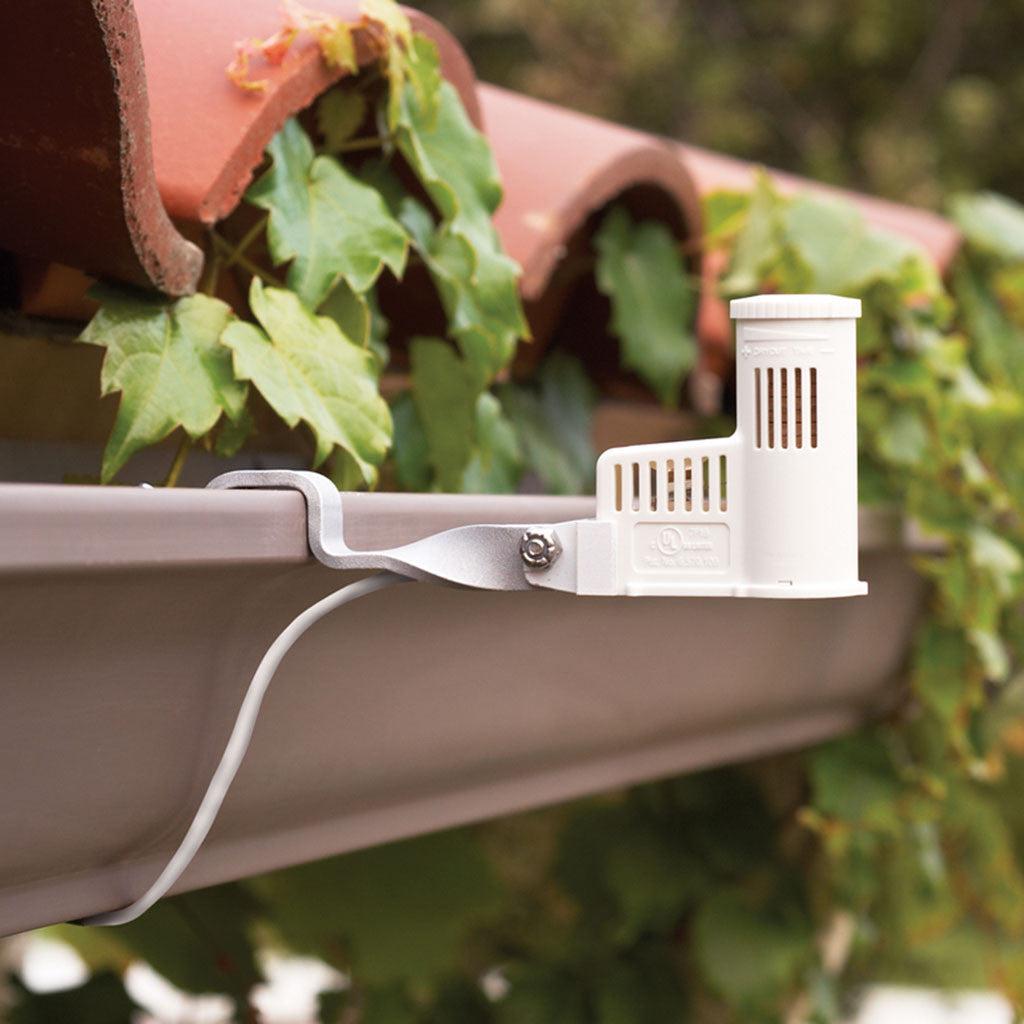
Where an appropriate rain-delay function is available, use it according to the controller instructions and actual yard conditions. The purpose is to avoid running an unchanged schedule without considering whether watering is needed.
Treat new sod as a separate scheduling question
If you recently replaced part of the lawn, do not automatically apply an established-lawn schedule to the new sod. Follow the establishment instructions supplied for that installation and confirm any applicable watering provisions.
If new sod and established landscaping share a zone, flag that when discussing irrigation changes. Ask how to manage their differing needs rather than assuming the whole zone should remain on a temporary establishment schedule.
Dry Season Irrigation Checklist for Port Charlotte Homeowners
Before adjusting your sprinkler schedule, review these seven essentials:
- Verify current watering restrictions. Confirm the permitted watering days and hours for your property.
- Check your irrigation controller. Review watering days, start times, run times, and additional programs.
- Evaluate each watering zone. Consider sun exposure, plant types, soil moisture, and sprinkler equipment.
- Inspect the system while operating. Look for leaks, blocked heads, overspray, and uneven coverage.
- Make measured adjustments. Change settings based on observations rather than automatically increasing every zone.
- Account for rainfall. Check rain sensors, weather-based controls, and soil conditions before watering.
- Consider new landscaping separately. Recently installed sod and established lawns may require different watering plans.
These checks can help you identify whether your irrigation schedule needs adjustment or whether an equipment problem should be addressed first.
Frequently asked questions
Should I water every day during the dry season?
Do not default to daily watering. First verify the watering rules for your property, then evaluate the lawn, planting beds, recent rainfall, and system operation. New landscaping may need separate guidance.
Should every zone run for the same amount of time?
Do not assume so. Evaluate each zone’s plants, exposure, watering equipment, and observed soil conditions before deciding whether its setting should change.
What if the lawn still looks stressed after I increase watering?
Stop making repeated increases without checking the cause. Observe the system and soil conditions, and seek an assessment if the problem remains unclear. Appearance alone does not establish that the lawn needs more irrigation.
When should I request irrigation repair rather than change the timer?
Visible leaks, damaged heads, persistent overspray, or a zone that does not operate as expected are reasons to have the equipment assessed. Timer changes should not be used to compensate for unresolved faults.
Make Seasonal Irrigation Changes with Confidence
Managing dry season irrigation in Port Charlotte starts with understanding your landscape’s actual watering needs. Rather than increasing sprinkler run times across every zone, review current watering requirements, inspect your irrigation system, check soil moisture, and consider recent rainfall before making changes.
A properly functioning irrigation system allows homeowners to make more informed adjustments. If you notice damaged sprinkler heads, leaks, uneven coverage, or controller problems, addressing those issues may be more useful than simply extending the watering schedule.
Fine Design Outdoor Solutions provides irrigation installation and repair as part of its landscaping services in Port Charlotte and surrounding Southwest Florida communities.
Get a Free Quote to discuss your irrigation system and landscaping needs.