
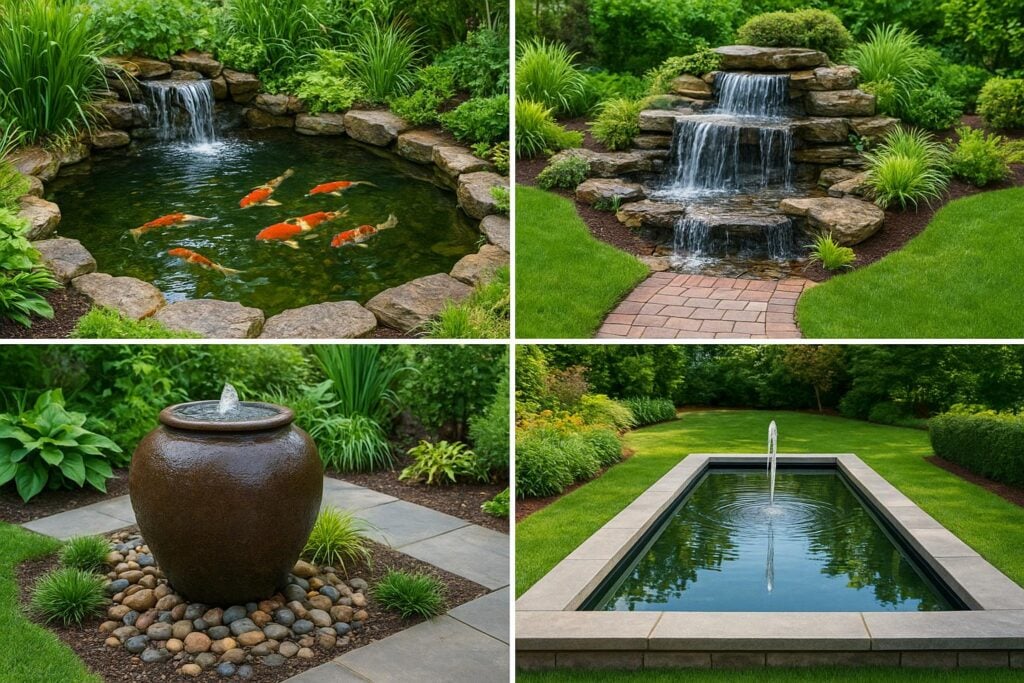
Water features Port Charlotte FL homeowners are considering should do more than simply look attractive. Whether you’re interested in a fountain, waterfall, or pond, the right design should complement your outdoor space and the way you use it. Start by thinking about what matters most: a beautiful focal point, the relaxing sound of moving water, or a garden built around a pond.
In Port Charlotte, choosing a water feature also means considering Florida’s heat, sandy soil, heavy rainfall, and seasonal weather. These factors can influence where a feature is installed, how it fits into the surrounding landscape, and what maintenance it may require.
Fine Design Outdoor Solutions designs and installs custom water features, including fountains, waterfalls, and ponds. This guide will help you compare your options and identify the important questions to ask before starting your project.
Start With the Experience You Want
Picture where you will enjoy the feature. Will you hear it while sitting on the patio, see it through a living-room window, or walk past it on the way to the front door?
Choose one main purpose before considering decorative details:
- A visual focal point: Explore a fountain positioned within a patio or planting-bed design.
- Moving water and sound: Compare fountain and waterfall designs, with attention to how they sound from your seating area.
- A water-centered garden: Explore a pond as part of the broader landscape layout.
These categories overlap. A fountain can create sound, a waterfall can flow into a pond, and a pond can be a focal point. You do not need to combine every element, though. Start with the experience you want and ask which design supports it without adding unnecessary complexity.
When a Fountain Is Worth Considering
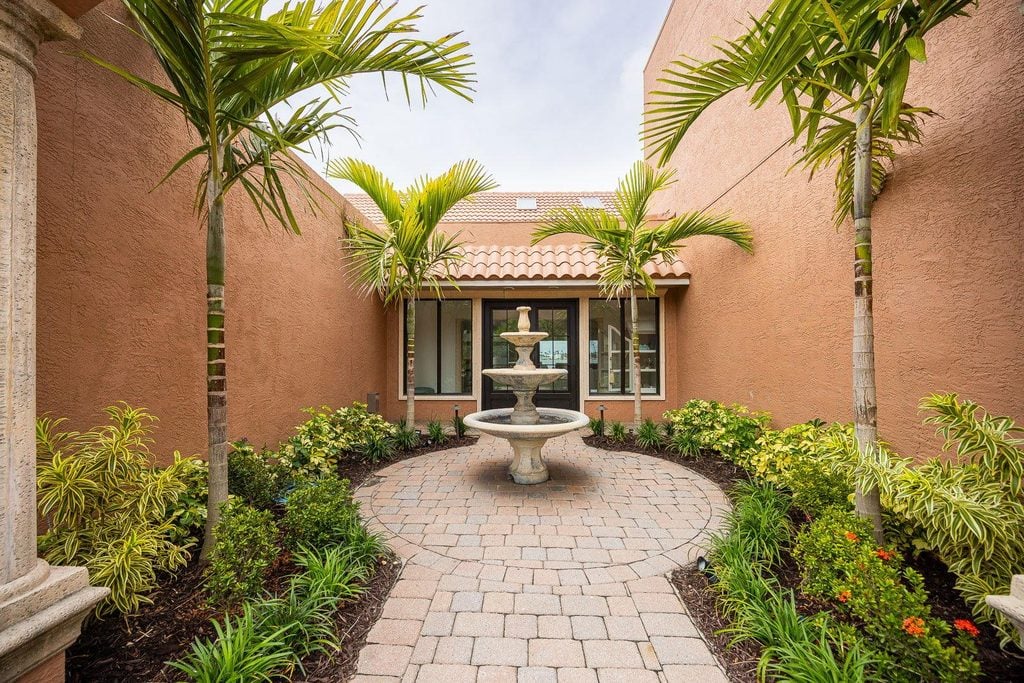
A fountain is a useful starting point if you want a distinct decorative element rather than an entire garden organized around water. Consider how it would relate to an entry, patio, walkway, or existing planting bed.
During planning, ask:
- Will it look balanced from the main viewing spot?
- Will its sound suit conversation and relaxation nearby?
- Where might splashing reach adjacent surfaces or plants?
- Can someone reach the water basin and equipment for routine care?
A small fountain requires upkeep. Ask what cleaning, water-level checks, and equipment care the proposed design will require. Compare the full routine, not just the feature’s size.
When a Waterfall Fits the Plan
Consider a waterfall if the movement and sound of water are central to your goal. Its relationship to the surrounding landscape matters: where the water begins, how it travels, and where it collects should all be clear in the design.
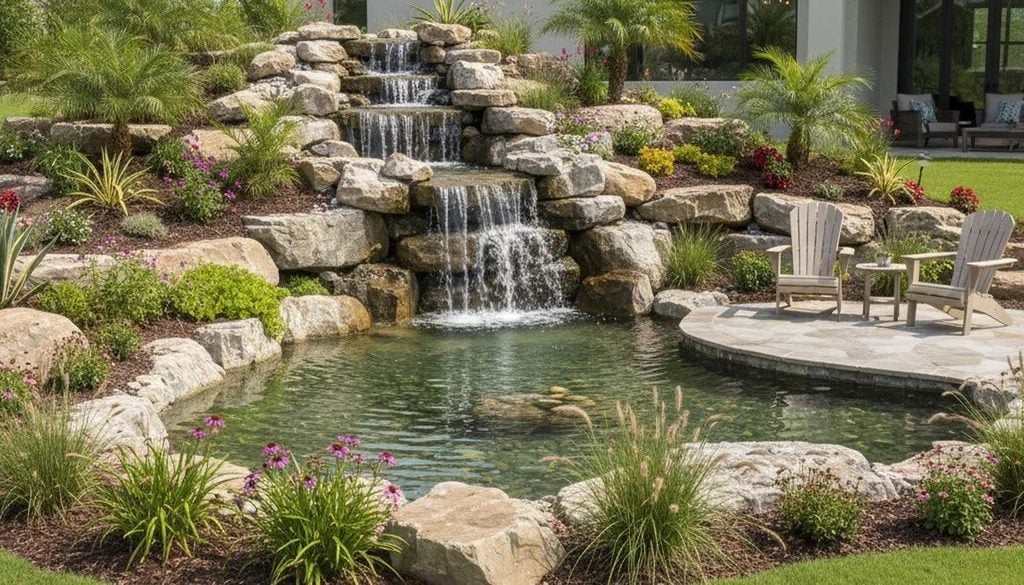
Ask to review both the front view and the footprint. A feature that looks compact from a chair may still need space around it for planting, equipment, and access.
Sound deserves particular attention. Rather than requesting something simply described as “relaxing,” explain where you sit and whether you prefer a subtle background sound or a more noticeable presence. Ask how the proposed design addresses that preference. Avoid expecting a waterfall to block unwanted noise or to sound identical from every part of the yard.
When a Pond Deserves a Closer Look
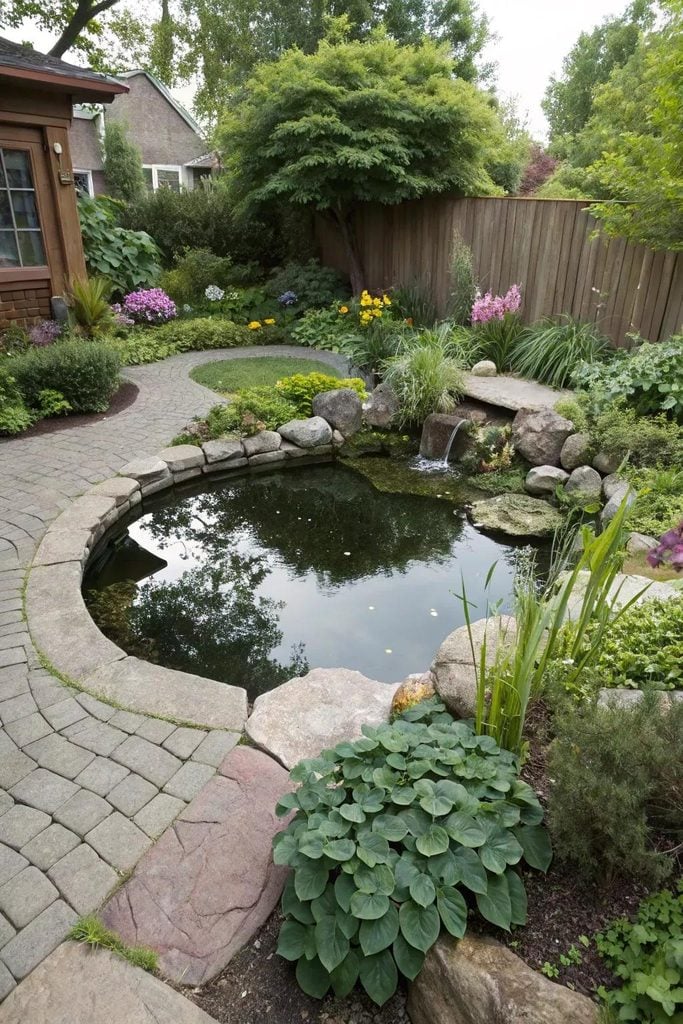
A pond is worth exploring when the visible water surface is part of the appeal. Think about how it will connect to paths, planting beds, and places to pause or sit.
Before settling on a location, discuss:
- How people will approach and move around the edge.
- How children, pets, and visitors use that part of the yard.
- Where maintenance access will be provided.
- Decide whether you want a water-only feature or are considering adding plants or fish..
Plants and fish should be separate planning decisions, not assumed additions. Ask about their care requirements and whether the proposed project includes them. Fine Design’s approved service scope includes custom ponds; it does not establish specialized fish or aquatic-plant services.
Plan for the Florida Yard Around It
A water feature is one part of the landscape. For a Port Charlotte property, ask the designer to assess the proposed location in relation to heat, sandy soil, heavy rainfall, and seasonal weather rather than selecting a design from appearance alone.
The EPA WaterSense outdoor landscaping resources offer additional guidance on designing attractive, water-efficient landscapes. These principles are worth considering when planning the planting beds, irrigation, and surrounding outdoor space alongside your water feature.
Review sun and seating together
Visit the proposed spot at the times you usually spend outdoors. Note sun exposure and where you actually like to sit. A feature may be visible from a sunny corner without needing to place your seating there. Ask what that exposure means for the proposed materials, operation, and care.
Discuss rainfall and surrounding water movement
Note where rainwater travels through the yard and share any photos taken after heavy rain. Ask how the installation will handle rainfall, overflow, and nearby runoff. A decorative water feature should not be treated as a promised solution to an existing drainage problem.
For additional guidance on managing rainwater around your property, review UF/IFAS Gardening Solutions’ stormwater runoff recommendations. Understanding how rainwater moves through your landscape can help you plan the surrounding area without relying on a decorative water feature to correct drainage problems.
Ask about ground preparation and access
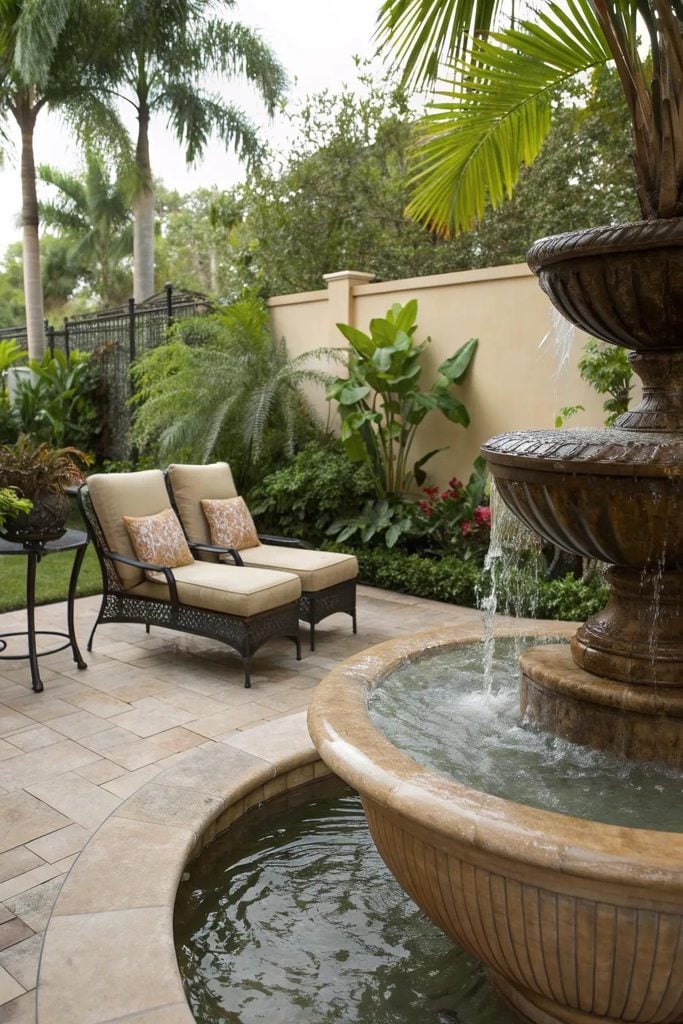
Have the installation plan address site preparation, the feature’s support requirements, and equipment access. Also discuss how its position relates to existing irrigation, planting beds, and walkways. Avoid choosing an exact footprint before those relationships have been reviewed.
Compare Maintenance Before Comparing Appearance
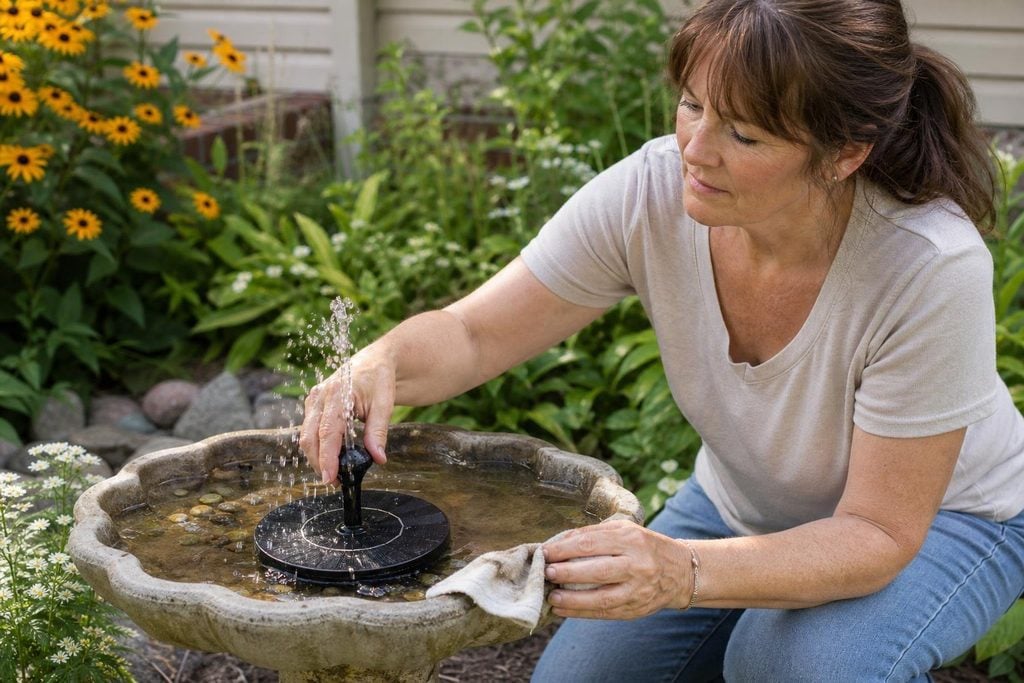
The most useful comparison is between complete proposed designs, not broad labels such as “fountain” or “pond.” Two designs in the same category may involve different care routines.
For each option, request a clear explanation of:
- Routine cleaning and debris removal.
- Water-level monitoring and refill arrangements.
- Pump and other equipment access.
- Recommended operating practices.
- Preparation for seasonal weather and extended time away.
Also ask what is included in installation and what remains the homeowner’s responsibility. Do not assume ongoing maintenance, equipment coverage, or other services are included unless the written scope says so.
Water efficiency is another consideration when comparing designs. The EPA WaterSense Best Management Practices provide information about managing outdoor water use, including landscaping and water-related features. Ask whether your proposed fountain, waterfall, or pond uses recirculating water and what maintenance the equipment requires.
Bring a Short Brief to the Design Conversation
You do not need a finished plan. Bring photos of the yard, examples of styles you like, and a short list of priorities. Include your preferred viewing location, sound preference, available space, and comfort level with maintenance.
If the project also involves a patio, walkway, planting changes, or outdoor lighting, discuss those elements together. Fine Design offers these options within its landscaping services, allowing the conversation to address the surrounding outdoor space as well as the water feature.
Frequently Asked Questions
-
Which water feature requires the least maintenance?
Do not choose by category alone. Ask for the care routine for each proposed design, including cleaning, water checks, and equipment access. Select the routine you are realistically willing to manage.
-
Can I combine a waterfall and a pond?
You can request that combination during planning. Ask how it affects the footprint, access, equipment, and maintenance compared with a simpler design.
-
Should I choose the water feature before redesigning my patio?
Discuss both before finalizing either layout. Viewing angles, circulation, seating, and access should be considered together rather than fitted around a finished installation.
-
Does a water feature solve yard drainage problems?
Do not assume it will. Discuss existing drainage concerns separately and ask how the proposed decorative feature will interact with rainfall and runoff.
Ready to explore a fountain, waterfall, or pond for your Port Charlotte yard? Get a Free Quote from Fine Design Outdoor Solutions and share the space, style, and maintenance routine you have in mind.