

The practical time to plan tree trimming is before storm forecasts create an urgent deadline. For Port Charlotte homeowners, that means reviewing trees early enough to arrange an assessment, decide what work is appropriate, and have cut material removed before severe weather approaches.
There is not one pruning date that fits every tree. Species, condition, previous pruning, and the reason for trimming all matter. Treat pre-storm planning as an opportunity to identify concerns—not a reason to cut every tree back heavily. No amount of pruning can guarantee that a tree will withstand a storm.
Plan around the tree’s needs, not just the calendar
Separate routine pruning from an immediate safety concern. A tree that needs modest clearance over a walkway presents a different question from one with a visibly broken limb hanging above a driveway.
For routine work, please arrange a review well ahead of the anticipated seasonal weather. This leaves room to discuss which branches need attention, whether the timing suits the tree, and how cleanup will be handled. Avoid setting a deadline that depends on crews working as a storm approaches.
If you notice a hanging branch, a newly changed lean, or visible splitting, do not wait for your normal landscape-maintenance visit. Keep people away from the affected area and seek an appropriate professional assessment. Trees or branches touching utility lines require utility guidance, not homeowner pruning.
A useful scheduling question is, “What needs attention now, and what should wait for a more suitable pruning window?” That is more helpful than asking for every tree to be trimmed by the same date.
What to look for before requesting tree trimming

Walk your property from a safe distance and note concerns you can see from the ground. Do not climb a tree or stand beneath a damaged limb to get a closer look.
Your observations can help explain the scope of a visit:
- Broken or hanging branches: Note their location and what is underneath them.
- Branches contacting structures: Identify contact with the roof, gutters, screens, or other exterior features.
- Obstructed access: Look for growth interfering with walkways, gates, or areas needed for everyday movement.
- Visible changes: Mention a new lean, splitting, or changes around the tree’s base rather than assuming pruning will resolve them.
- Previous storm damage: Point out harm that has not yet been assessed.
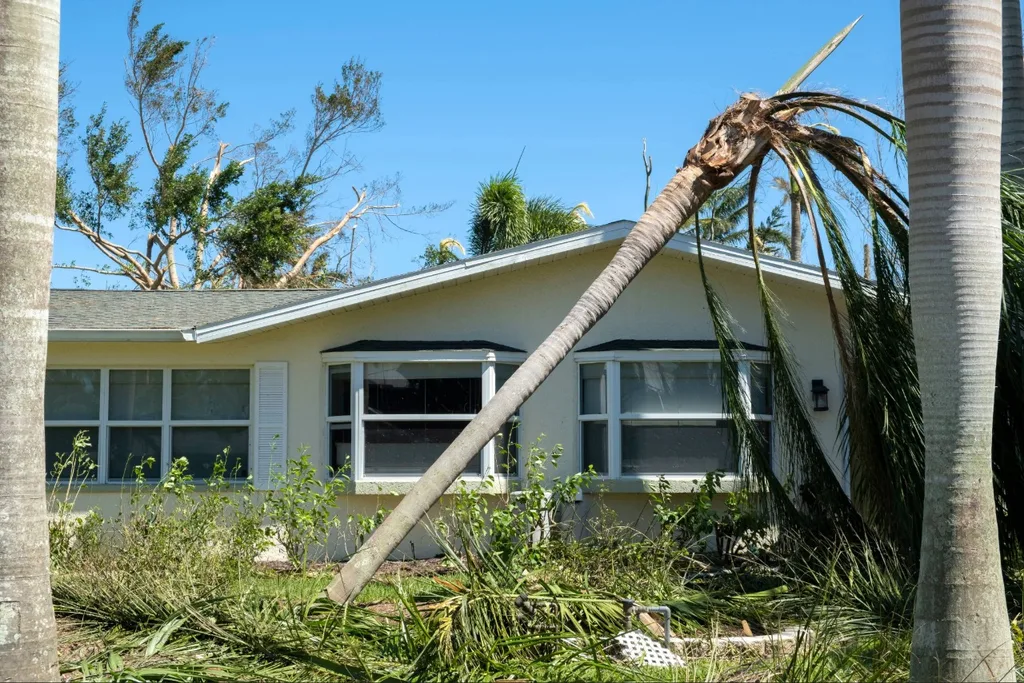
Photos taken from a safe position can help communicate your concerns. Include a wider view showing nearby structures as well as the affected area. Avoid diagnosing the problem yourself; something that looks like a trimming issue may need a different kind of evaluation.
Do not confuse heavy cutting with storm preparation
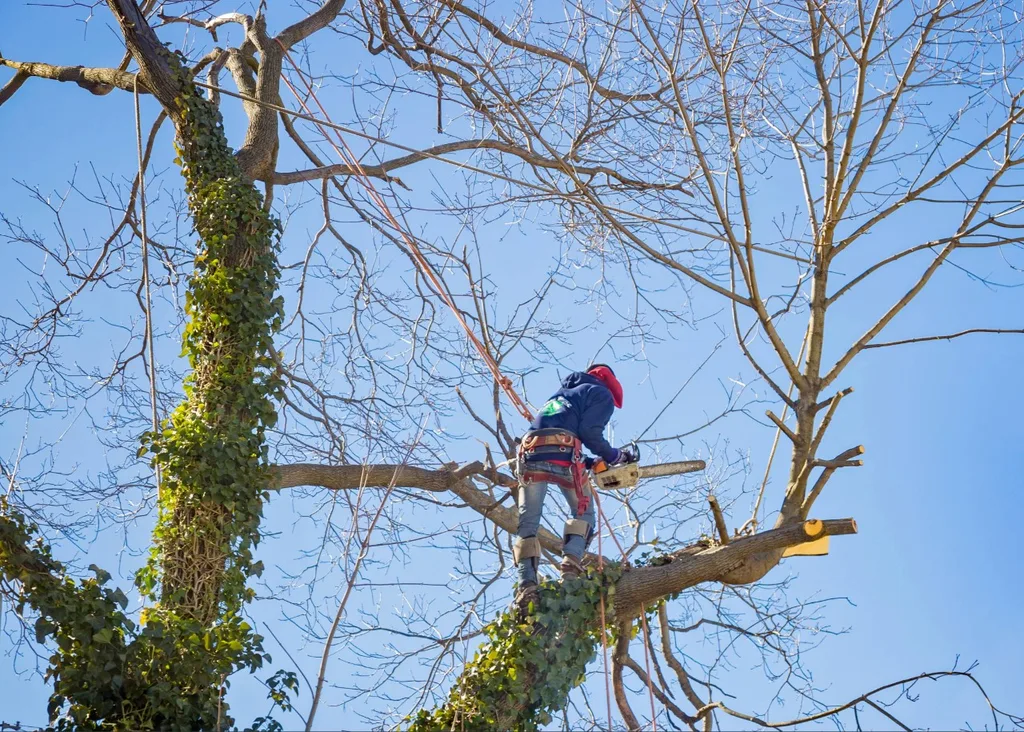
The goal of pre-storm pruning should be specific, appropriate work—not removing as much foliage as possible. A request to “cut everything way back” does not explain which problems need solving or account for the needs of individual trees.
UF/IFAS guidance on hurricane-damaged trees also warns against poor pruning practices such as topping, which can result in weakly attached new growth that may be susceptible to breakage during storms.
Ask the person assessing the tree to explain the proposed work in plain language. Which branches would be removed? Is the purpose to address damaged growth, provide clearance, or manage a structural concern? Why is that approach suitable for this tree?
Do not assume that every dense canopy needs thinning or that palms and branching shade trees should receive the same treatment. Ask for a tree-specific recommendation rather than a uniform cut across the yard.
UF/IFAS guidance on wind and trees recommends preventive structural pruning and warns that poor pruning practices, including topping and removing large branches, can make trees more susceptible to wind-related failure.
If a tree has substantial damage or a suspected stability problem, trimming alone should not be presented as a guaranteed solution. Clarify whether a separate tree-risk assessment is needed before deciding on the work.
Account for rain, access, and cleanup
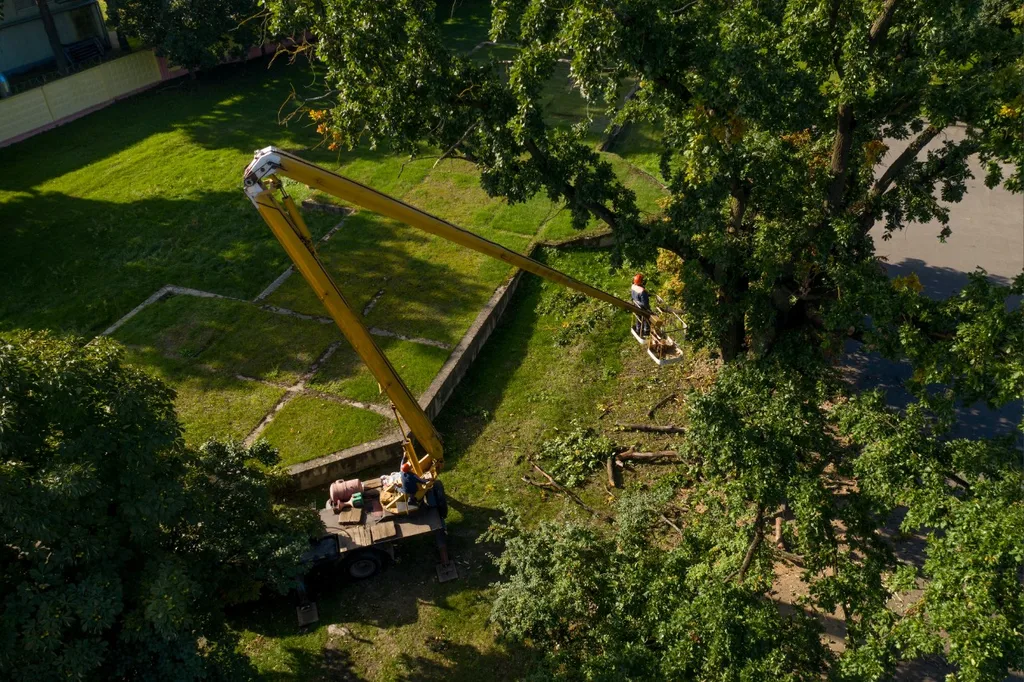
Port Charlotte landscape planning needs to account for heavy rainfall and seasonal weather. A tree-trimming plan should include more than the branches themselves: it should also address how workers will reach the area and how material will leave the property.
Before scheduling, identify gates, narrow side yards, planting beds, irrigation components, pavers, and other features near the work area. Ask how access will be managed and whether wet ground could change the schedule or approach.
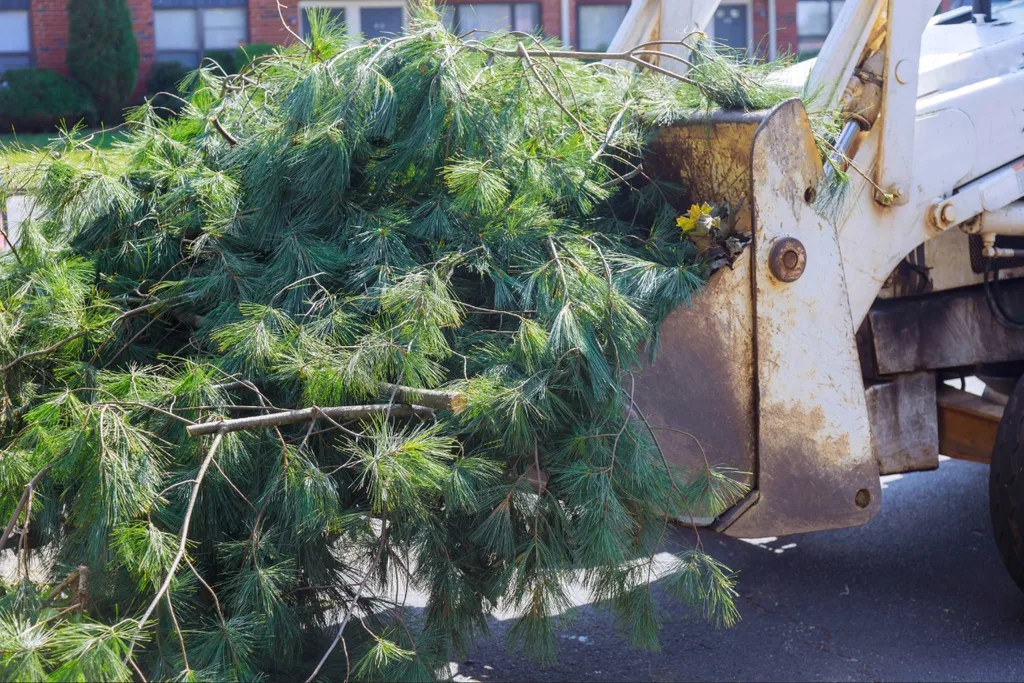
Discuss cleanup explicitly. Confirm whether the proposed scope includes gathering and removing cut branches, and when that will happen. Do not plan a large pruning job immediately before severe weather without a clear way to finish cleanup safely.
Homeowners handling their own yard debris can also review Charlotte County’s residential yard-trimming requirements for current information about curbside collection, including limits on the size and weight of bundled material.
If a storm is already approaching, prioritize official safety guidance. Do not climb ladders, use cutting equipment near utility lines, or attempt hazardous last-minute pruning.
What to ask before approving the work
A useful tree-trimming discussion should leave you clear about the work, its limits, and the practical arrangements. Ask:
- Which trees and branches are included? Walk through the locations so the scope is specific.
- Why is each proposed cut needed? Distinguish clearance and routine maintenance from damage-related concerns.
- Is the current season an appropriate time for these trees? Ask whether any nonurgent pruning should be deferred.
- How will nearby landscape features be considered? Identify irrigation, beds, walkways, and outdoor living areas.
- What cleanup is included? Confirm debris handling and any access responsibilities.
Fine Design offers tree trimming and pruning as part of its landscaping services in Port Charlotte. If you are also planning landscape maintenance, identify which tasks belong in the same visit and which need separate scheduling rather than assuming everything is included.
Frequently asked questions
-
Should every tree be trimmed before storm season?
No. A seasonal review can identify concerns, but it should not automatically result in pruning every tree. The decision should reflect the tree’s condition and type and a clear reason for the work.
-
Is it too late to trim when a storm has been forecast?
Do not rely on last-minute trimming as storm protection. Work and cleanup need safe conditions and adequate time. For an immediate hazard, keep away from the area and seek appropriate professional or utility guidance.
-
Can trimming guarantee that branches will not fall?
No. Pruning cannot guarantee storm protection or eliminate all risk. Be cautious of any proposal that promises a tree will be storm-proof after trimming.
-
What should I prepare for a quote?
List the trees involved, your concerns, nearby structures, and any access limitations. Safely taken photos can help. Note whether you want routine clearance, attention to visible damage, or an assessment of what work is appropriate.
-
Arrange a review before the rush
Give yourself time to make a tree-specific plan rather than reacting to a forecast. To discuss tree trimming and pruning for your Port Charlotte property, Get a Free Quote from Fine Design.