
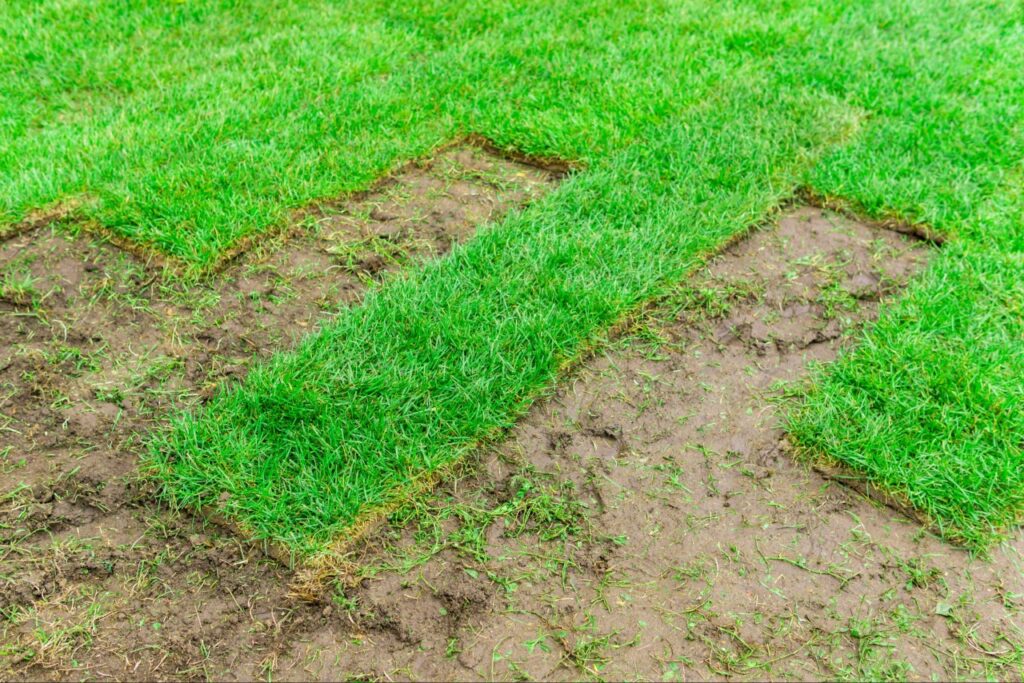
New Sod Aftercare Port Charlotte: What should you do after installing fresh sod to help your lawn become established? Proper watering, limited foot traffic, and knowing when to mow for the first time are important parts of caring for newly installed grass. Unlike an established lawn, fresh sod needs extra attention while its roots begin growing into the soil beneath it.
For homeowners in Port Charlotte, Florida, heat, sandy soil, and frequent rainfall can make new sod maintenance challenging. Watering too little may leave sections dry, while excessive watering can create soggy conditions. Walking or mowing on the lawn before it is ready may also disturb developing roots and shift newly installed sod.
Fine Design Outdoor Solutions provides sod installation, irrigation services, and landscape maintenance in Port Charlotte and surrounding Southwest Florida communities. This guide explains three essential areas of new sod aftercare—watering, foot traffic, and the first mow—along with practical checks to help you monitor your lawn as it becomes established.
New Sod Aftercare Port Charlotte: Start with a Clear Plan
Before anyone leaves the property, make sure you know the grass variety and who is responsible for watering and monitoring the lawn. Different grasses and site conditions can call for different mowing heights and watering adjustments.
Ask for clear answers to these questions:
- What watering routine should you start with, and how should rainfall change it?
- How can you check moisture beneath the sod without repeatedly disturbing it?
- What signs indicate that roots are attaching to the soil?
- What mowing height is appropriate for this grass?
- Who should you contact if sections lift, dry out or remain soggy?
Proper establishment begins with selecting suitable grass and following an appropriate watering and maintenance routine. The UF/IFAS guide to establishing a Florida lawn explains the importance of soil preparation, irrigation, and post-installation care when establishing new turfgrass.
If you use a lawn maintenance provider, tell them that the turf is newly installed. A regular mowing visit should not automatically mean the new lawn is ready for equipment.
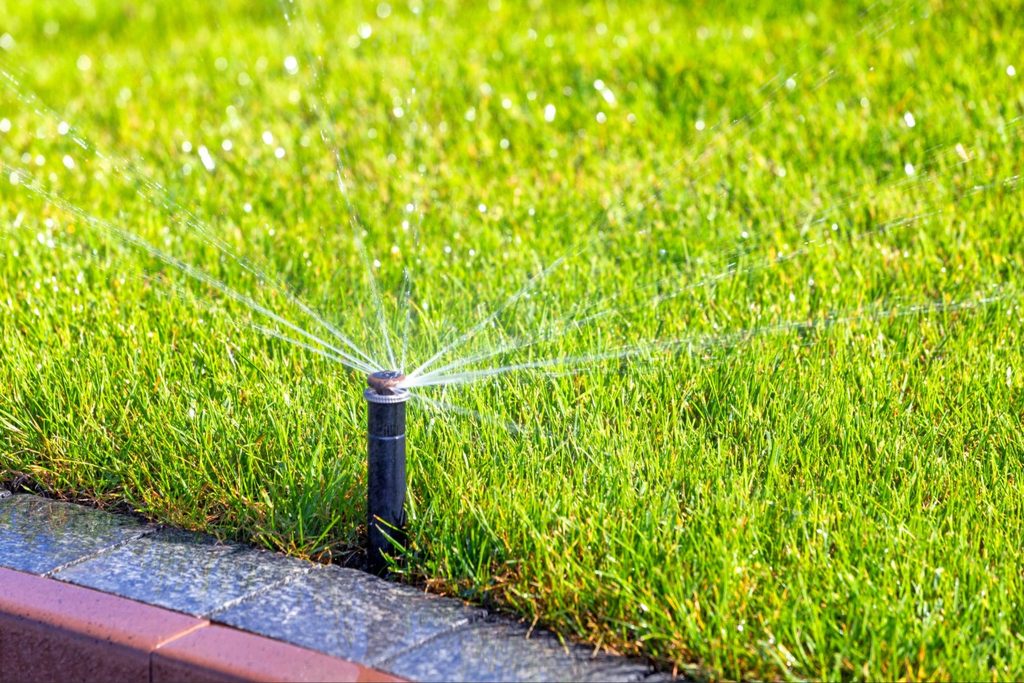
Water the root zone, not just the visible grass
A wet-looking surface does not tell you everything about conditions beneath the sod. The grass can appear damp while the underlying soil needs attention, and surface puddles can indicate that more watering is not the answer.
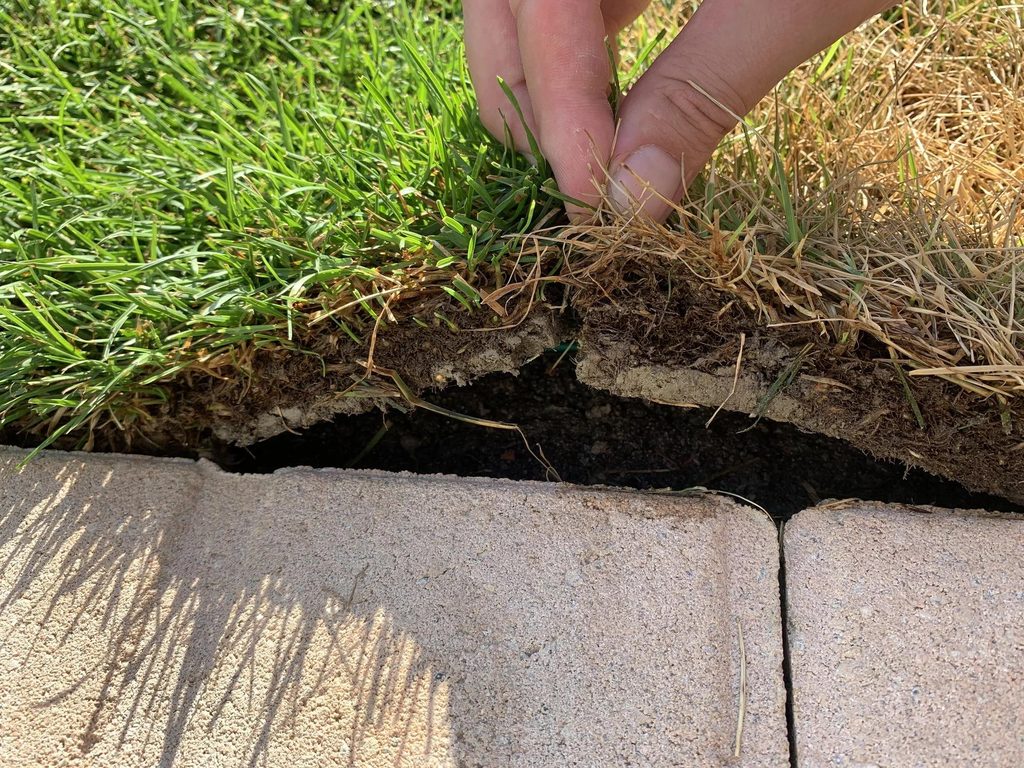
During early establishment, gently check a small, accessible edge as your installer recommends. Feel the underside of the sod and the soil immediately below it. Avoid peeling back large sections or repeatedly lifting the same piece.
Use these observations to guide a conversation with your installer:
- Dry underside or dry soil beneath the sod: Review watering coverage and whether enough water is reaching the intended area.
- Moist soil without standing water: Continue monitoring rather than increasing watering automatically.
- Soggy soil, puddling, or a squishy surface: Do not add water simply because another programmed cycle is approaching. Review the conditions and watering plan.
There is no single sprinkler runtime that suits every installation. Sprinkler output, shade, soil conditions, and weather all affect the result. Ask how to verify coverage rather than assuming every irrigation zone should run for the same duration.
Adjust for Florida weather
Heat can make exposed sections behave differently from shaded areas. Sandy soil also makes it important to check what is happening beneath the surface rather than relying on appearances alone.
After heavy rain, assess moisture before returning to the usual schedule. Rain should be part of the watering decision, not an addition to an unchanged irrigation routine. Conversely, a brief shower does not necessarily mean the soil beneath every section received enough water.
Watering needs change as new sod becomes established. For additional information about irrigation practices, see the UF/IFAS guide to watering Florida lawns. Your sod installer’s recommendations, actual soil moisture, rainfall, and applicable local watering requirements should guide adjustments to the schedule.
Follow current local watering requirements and check with the applicable water provider or authority about any provisions for newly installed sod. Do not assume a new lawn automatically qualifies for an exemption.
Change the routine as roots develop
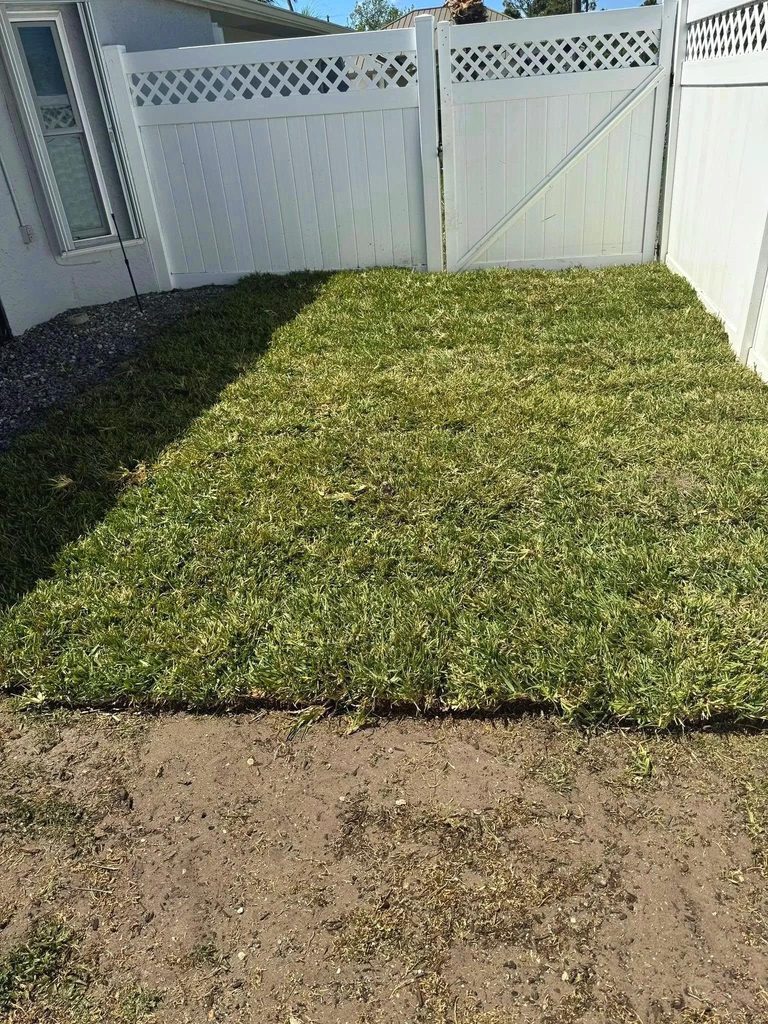
The initial watering approach is temporary. As roots attach and grow into the soil, the lawn should gradually transition toward an established-lawn routine under the installer’s guidance.
Do not stop watering abruptly because the grass looks green. Appearance alone is not a reliable measure of rooting. Ask what signs should trigger each adjustment to your schedule.
Limit foot traffic while the sod takes hold
Newly laid sod is not immediately ready for everyday lawn use. Walking, turning and dragging objects across it can shift pieces or disturb developing roots, especially when the ground is wet.
For necessary moisture checks, keep trips brief and avoid repeatedly using the same route. Keep children’s play, pet activity, outdoor gatherings, and equipment traffic off the new lawn until it is sufficiently established.
A few practical arrangements help:
- Use existing walkways instead of crossing the lawn.
- Keep furniture, play equipment and stored materials off the sod.
- Tell maintenance crews which areas are newly installed.
- Avoid pushing wheelbarrows or other heavy loads across the grass.
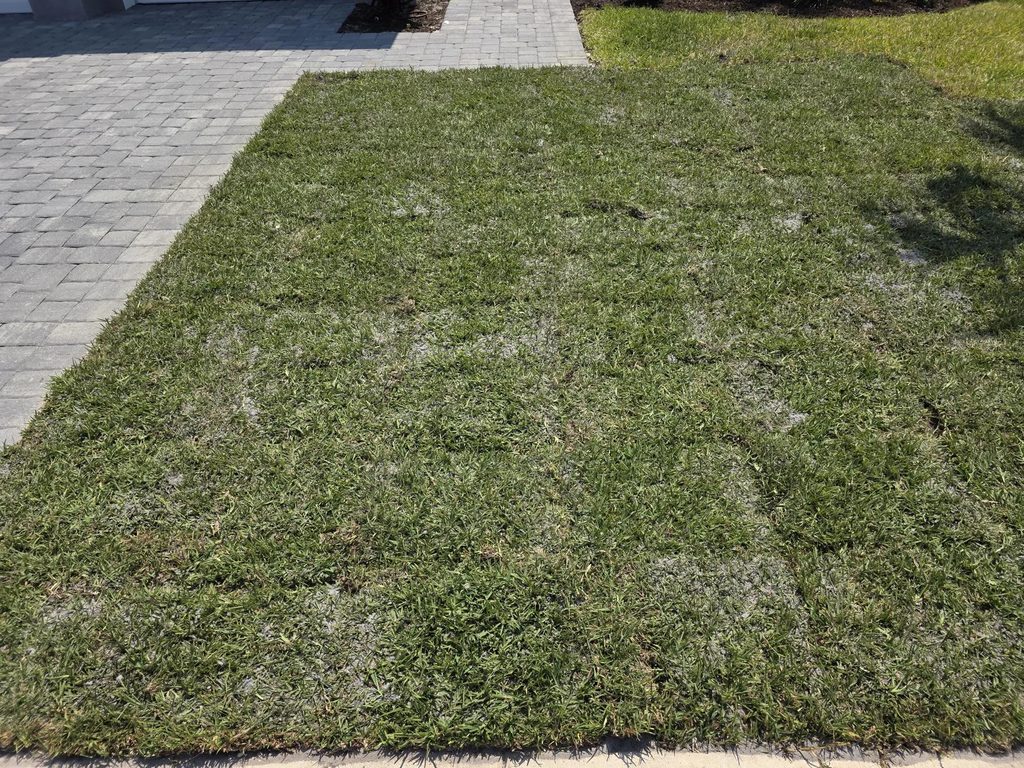
If a section moves or an edge folds back, contact the installer for advice rather than repeatedly walking over it to press it down. If footprints leave noticeable depressions, keep off the area and have the moisture conditions reviewed.
Base the first mow on readiness, not a date
The first mow should wait until the sod is sufficiently rooted, the grass needs cutting and the ground can support mowing without rutting or shifting.
At an inconspicuous edge, gentle resistance to a light upward tug can indicate that roots are attaching. Do not pull hard or tear up rooted turf. This check is one part of the decision, not proof that the entire lawn is ready.
Before mowing, confirm that:
- The sod does not lift or slide easily.
- The soil is firm enough for equipment without leaving ruts.
- The grass and ground are not excessively wet.
- The mower is set to a suitable height for the grass variety.
- The blade is sharp, and the cut will not remove too much leaf growth at once.
Proper mowing practices remain important once new sod is ready for equipment. UF/IFAS Florida-Friendly Landscaping guidelines emphasize appropriate mowing heights, sharp mower blades, and avoiding wet turf. For newly installed sod, confirm that the roots are sufficiently established before scheduling the first cut.
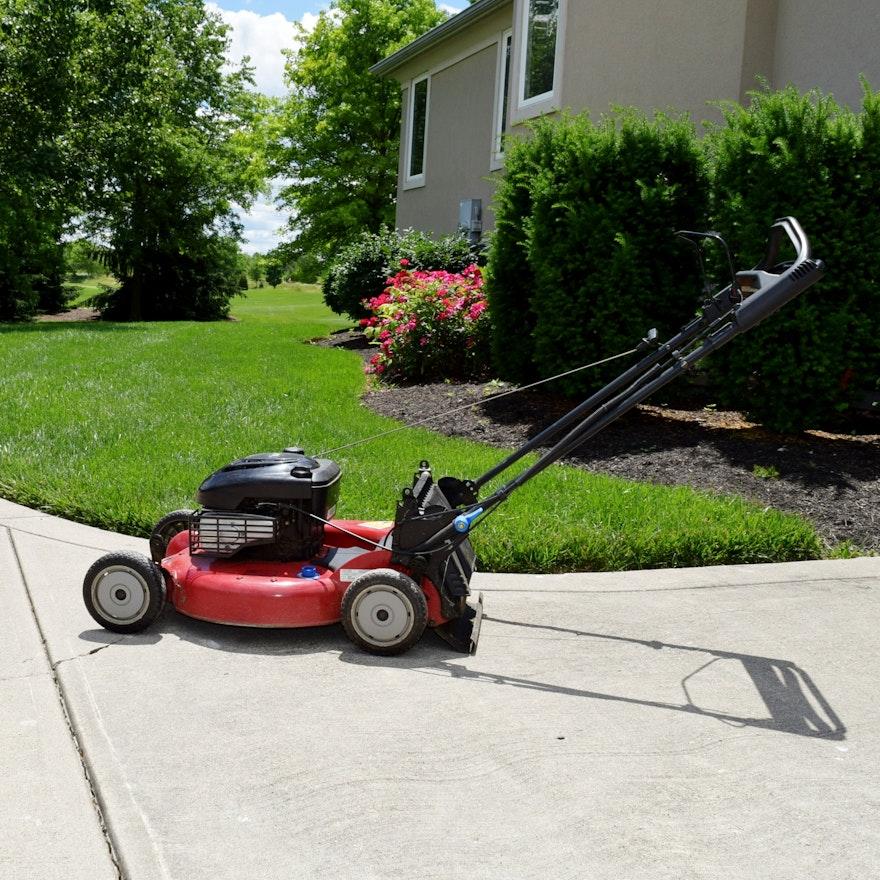
Avoid sharp turns that could disturb the sod. If mowing starts to lift edges, shift pieces or leave wheel tracks, stop and reassess. When the grass is getting tall but rooting remains weak, ask your installer how to proceed rather than cutting it very short to catch up.
Questions homeowners often ask
-
Should I water new sod every day?
New sod may need frequent attention early on, but a daily watering rule is not enough. Follow the installation-specific plan and adjust based on moisture, rainfall, and applicable watering requirements.
-
Can my dog use the new lawn?
Limit access during establishment. Repeated running, turning and digging can disturb the sod. Arrange another suitable area until the lawn is ready for routine use.
-
Does green sod mean it is ready to mow?
No. Check rooting, grass height, and ground firmness as well. Green grass can still have weak attachment to the soil underneath.
-
What if some sections are struggling while others look healthy?
Photograph the affected areas and note their moisture, shade and irrigation coverage. Contact the installer before making a major watering change across the whole lawn; different-looking sections may not need the same response.
Coordinate Installation and Ongoing Care
Successful new sod aftercare in Port Charlotte begins with understanding what your lawn needs during establishment. Proper watering, limited foot traffic, and waiting until the grass is sufficiently rooted before mowing can help support the transition from newly installed sod to an established lawn.
Fine Design Outdoor Solutions provides sod installation, irrigation installation and repair, and lawn maintenance for homeowners in Port Charlotte and surrounding Southwest Florida communities. Coordinating these services can help ensure that watering and maintenance routines are appropriate for your new lawn.
Get a Free Quote to discuss your sod installation, irrigation, and landscaping needs.