
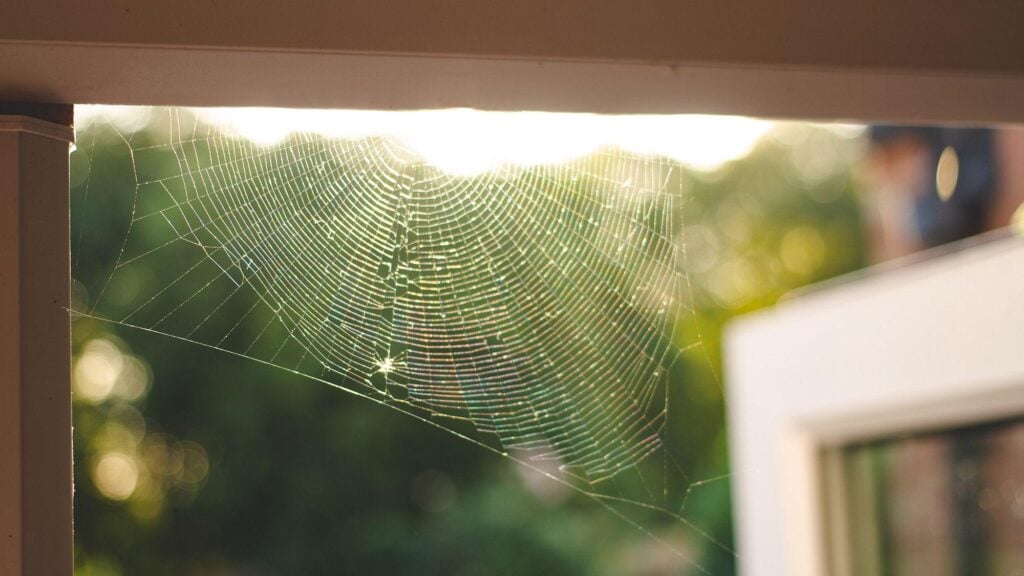
Spider webs keep coming back around your porch, entryway, or garage, even after you’ve cleaned them away. While removing webs can make these areas look better, it doesn’t necessarily address why spiders continue returning. If you notice webs repeatedly appearing in the same places, it may be time to look more closely at spider activity, nearby insects, and conditions around your home.
For Port Charlotte homeowners, understanding the difference between routine web removal and professional spider control can help determine the next step. Rather than repeatedly cleaning the same areas, observing where webs return and what other pest activity is present can provide useful information.
Fine Design Outdoor Solutions offers professional spider control as part of its pest management services, including inspection, targeted treatment, prevention, and ongoing protection. Its approach also considers insects that attract spiders, helping homeowners address more than just the webs they can see.
Why cleaning away webs may not solve the problem
Web removal and spider control serve different purposes. Cleaning removes what you can see. An inspection helps assess the activity behind the recurring problem and what should be addressed next.
One supported part of that assessment is insect activity. Because insects attract spiders, a plan focused only on visible webs may leave an important part of the problem unaddressed. This does not mean every web calls for broad insect treatment. It means the surrounding pest activity deserves attention rather than an automatic treatment decision.
Recurring webs also raise a practical question: are you seeing new activity or noticing material that was missed during cleaning? Establishing a simple record of where and when you cleaned can help make that distinction clearer.
For more information about spiders commonly encountered around homes, homeowners can explore the UF/IFAS resources on spiders, which provide educational information about different spider species and their behavior.
Start with a record of where webs return
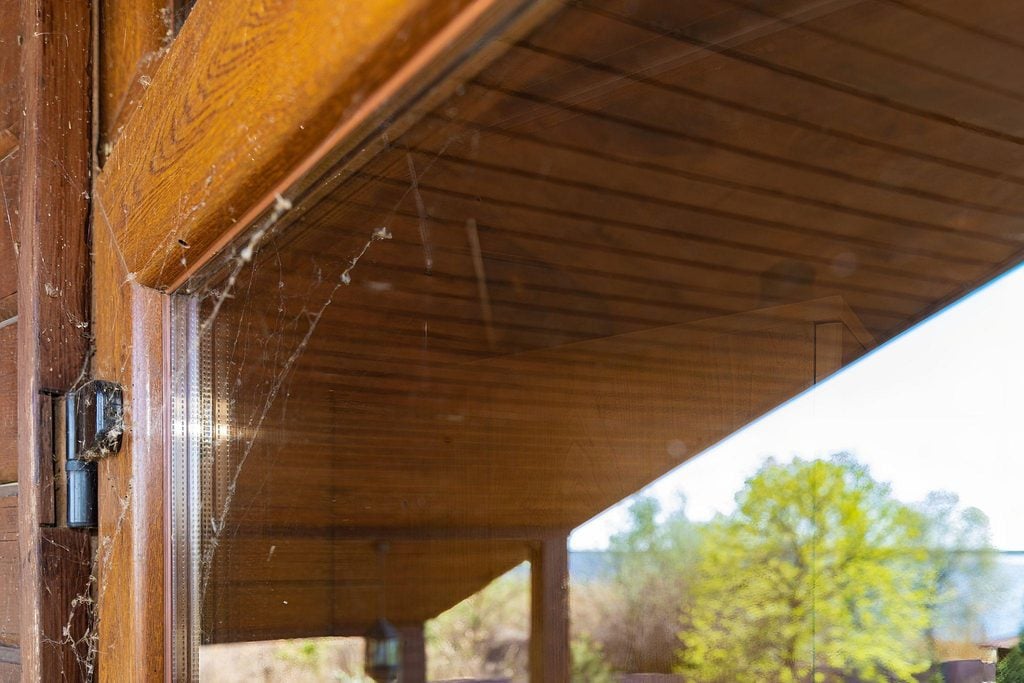
Before cleaning again, photograph the affected areas from a safe position. Note the date and the exact location, such as an outside doorway, garage corner, or screened sitting area. These are examples of places to cexamineif you have noticed activity there—not a checklist of places that must have spiders.
A useful record includes:
- Location: Is the activity outside, inside, or on both sides of an entrance?
- Recurrence: When did you remove the previous web, and when did you notice another?
- Visible activity: Have you seen spiders, insects, or only web material?
- Extent: Is one corner involved, or are several separate areas affected?
- Previous actions: What cleaning or pest treatment has already been attempted?
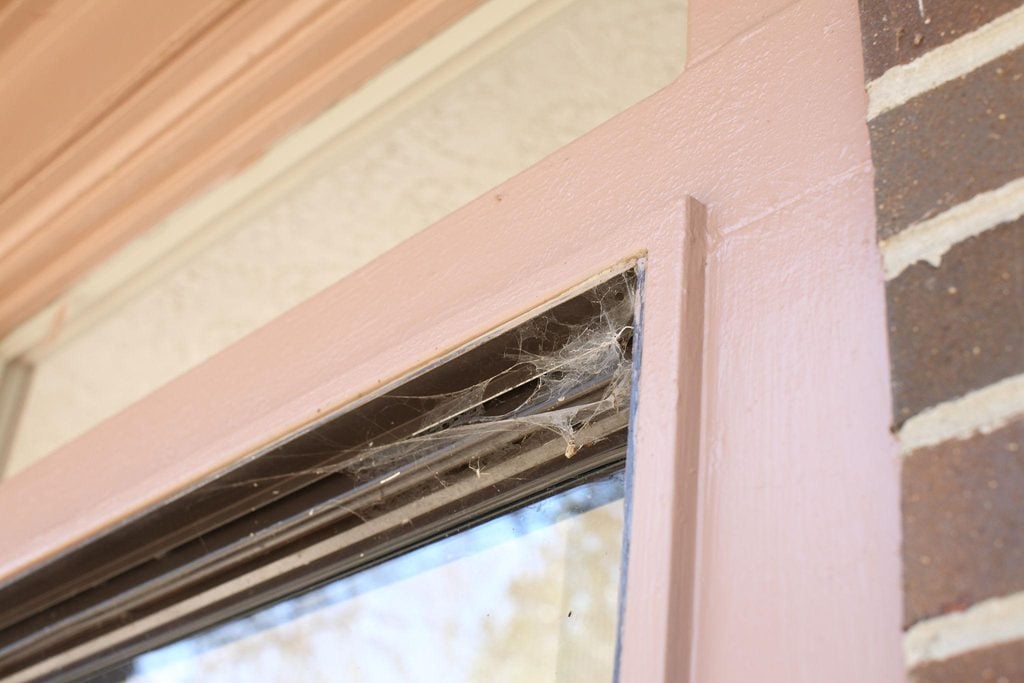
You do not need to identify the spider yourself to describe the problem. Clear photos and a location history give you something concrete to discuss without relying on guesses about species or infestation size.
Look at nearby insect activity without jumping to conclusions
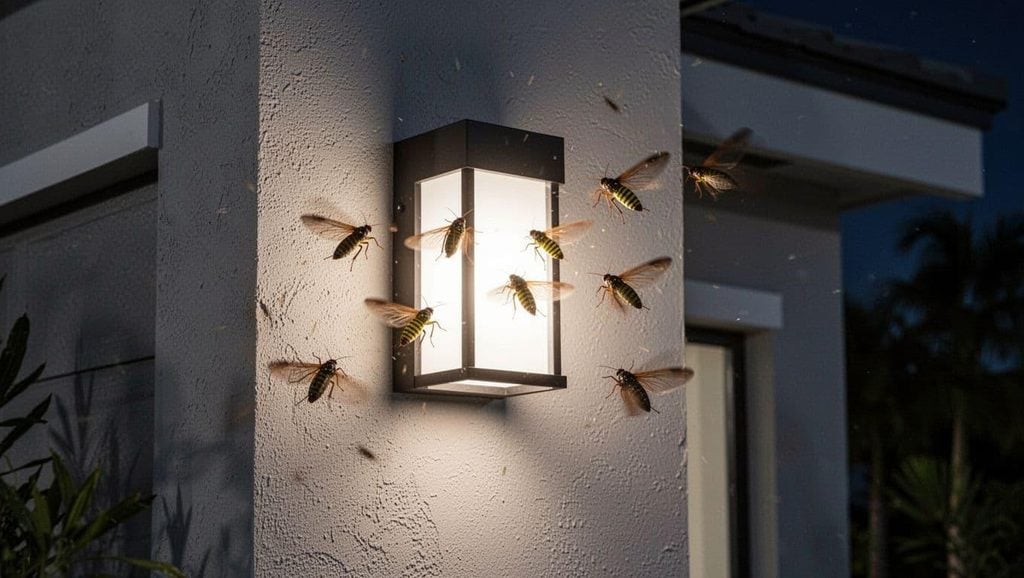
Fine Design’s spider control includes addressing insects that attract spiders. If you have noticed other insects around the same area, include that information when discussing the webs.
For example, record whether insects are visible at the doorway where webs return or whether you have a separate indoor insect concern. Please describe what you actually observe, rather than assuming that every nearby insect is responsible.
Avoid turning the situation into a do-it-yourself treatment checklist. Seeing webs does not tell you which insect, if any, needs treatment, where treatment belongs or which product is appropriate. Those decisions should follow an assessment of the property and the activity present.
You can learn about Fine Design’s broader pest control services when recurring webs are part of a wider pest concern.
What can you do before requesting help?
Keep the focus on safe observation and clear information. If you choose to remove reachable web material, photograph it first and make a note of the cleaned area. Do not climb into an awkward position or handle an unfamiliar spider just to obtain a closer look.
Look over the affected area for visible gaps or damaged screening and record anything you want a professional to assess. A visible gap is worth discussing, but it is not proof that you have found the source of the spider activity.
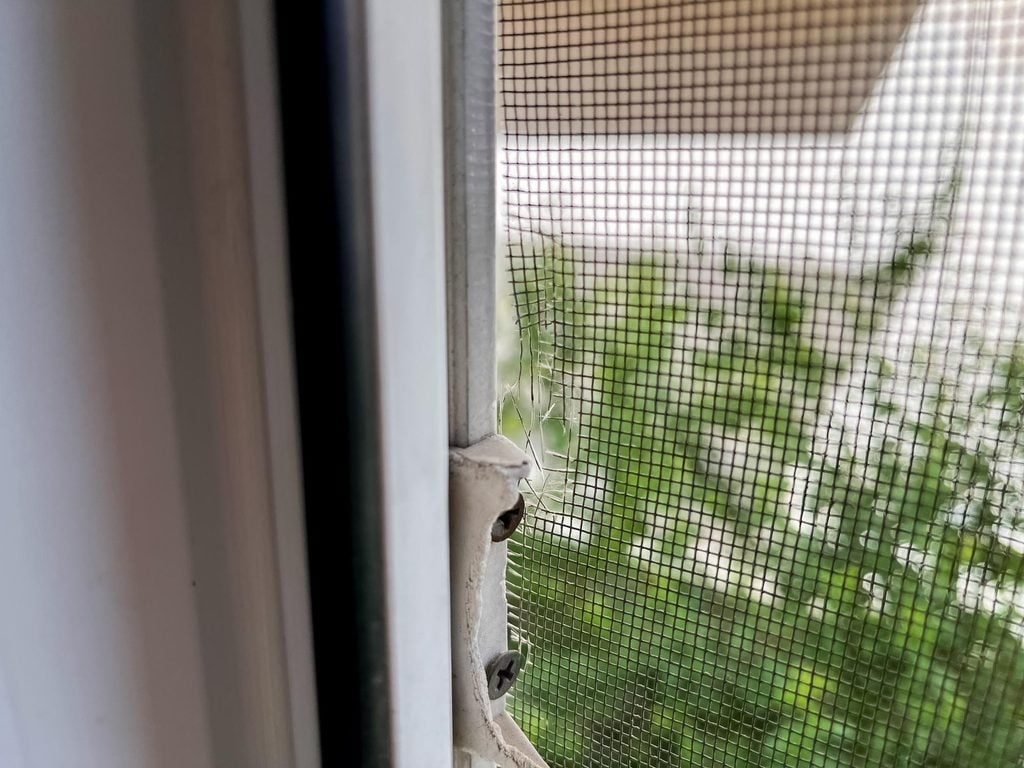
If you have already used any pest products, keep the product information available. Please inform the provider where and when they were applied. Before trying additional treatment, ask how it would fit with the inspection and proposed plan.
The goal is not to diagnose everything before making contact. It is to replace repeated guesswork with a clearer description of the problem.
When should recurring webs lead to a professional assessment?
Consider requesting help when cleaning has become a repeated chore, the activity affects spaces you regularly use, or you are unsure how to address it safely. Indoor activity or a separate insect problem may also give you more to discuss than web removal alone.
Useful questions for a spider-control conversation include:
- What should be inspected before treatment is recommended?
- Is there insect activity that should be addressed alongside the spiders?
- What prevention steps are appropriate for the affected areas?
- What should I watch for after treatment, and when should I report continuing activity?
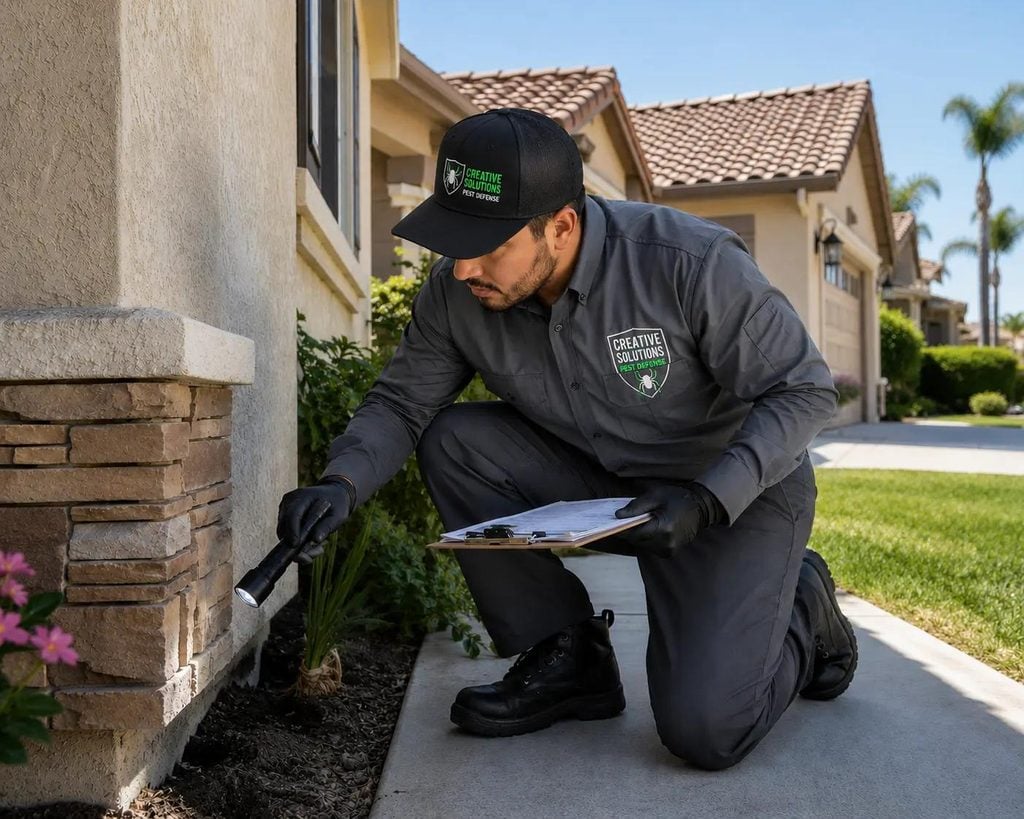
Fine Design’s approved approach includes inspection, targeted treatment, prevention, and ongoing protection. The specific recommendations should come from assessing your situation, not from the number of webs in a single photo.
The EPA’s Integrated Pest Management principles emphasize identifying pest problems, monitoring activity, and choosing appropriate prevention and control measures rather than relying on treatment alone.
Common questions about recurring spider webs
-
Does one web mean I need treatment?
A web alone is not enough information to choose a treatment plan. Note its location, whether activity continues, and whether you have other pest concerns. An inspection can help guide the decision.
-
Should spider control also address other insects?
That is an important question to ask. Fine Design’s spider control also addresses insects that attract spiders. What needs attention at your home should be determined through inspection rather than assumption.
-
Can treatment promise that webs will never return?
Permanent prevention should not be assumed. Ask about prevention recommendations, ongoing protection, and how to respond if activity continues.
If recurring webs are becoming a concern around your Port Charlotte home, Get a Free Quote from Fine Design Outdoor Solutions. Share where the webs return and what you have observed so the conversation can focus on the problem you actually need help solving.