
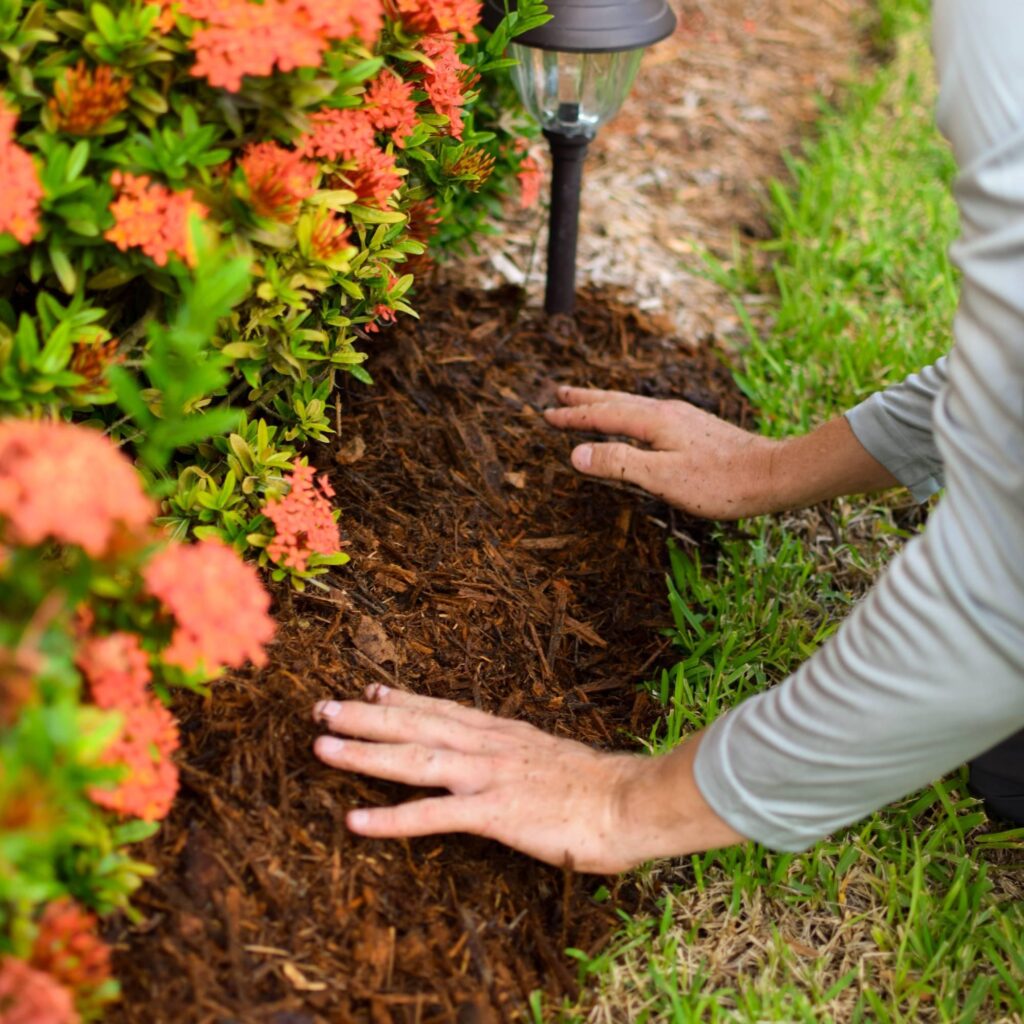
When to refresh landscape mulch in Port Charlotte depends on the condition of your planting beds, not simply the number of months since the last installation. While faded mulch may make a landscape look tired, a change in color does not necessarily mean the existing material needs to be replaced.
For Port Charlotte homeowners, the more important questions involve coverage, buildup, plant clearance, and the overall condition of the landscape beds.
Southwest Florida’s periods of heavy rain, intense sunshine, and active plant growth can affect how mulch looks and how beds need to be maintained. However, different areas of the same property may require attention at different times.
Some beds may benefit from a light mulch refresh, while others need only redistribution, weeding, edging, or debris removal. Adding another full layer without checking the existing material can create unnecessary buildup around trees, shrubs, and nearby structures.
Fine Design Outdoor Solutions offers mulching and landscape bed maintenance through its landscaping services in Port Charlotte and surrounding Southwest Florida communities.
This guide explains seven signs that your mulch may need attention, when to wait before adding more material, and how to plan a refresh around your property’s actual maintenance needs.
How to Know When Landscape Mulch Needs Refreshing
Use a recurring landscape check to decide when mulch needs attention. Look at several parts of each bed rather than judging the entire yard from the driveway. A visible front border may look tired while the material beneath shrubs remains substantial.
Check the bed edges, spaces between plants, and areas around irrigation equipment. Gently move the surface layer aside in a few spots so you can see what is underneath.
Ask these questions:
- Is soil exposed in multiple places, or is the coverage still fairly even?
- Has older material broken down enough that the bed needs replenishing?
- Is mulch already piled deeply around plants or along the foundation?
- Are fallen leaves, weeds, or pruning debris making the bed look neglected?
- Are sprinkler heads or other irrigation components obscured?
Knowing when to refresh landscape mulch in Port Charlotte starts with checking how much material remains and whether it is still distributed evenly. A bed with thin coverage may need replenishment, while another with accumulated mulch may need selective removal. Inspecting several locations helps prevent unnecessary layering and gives you a clearer picture of the work required.
For additional guidance on maintaining Florida planting beds, UF/IFAS Gardening Solutions offers homeowner resources on mulching and landscape care. Its educational materials can help explain why mulch should be managed as part of overall bed maintenance rather than added automatically whenever the surface begins to fade.
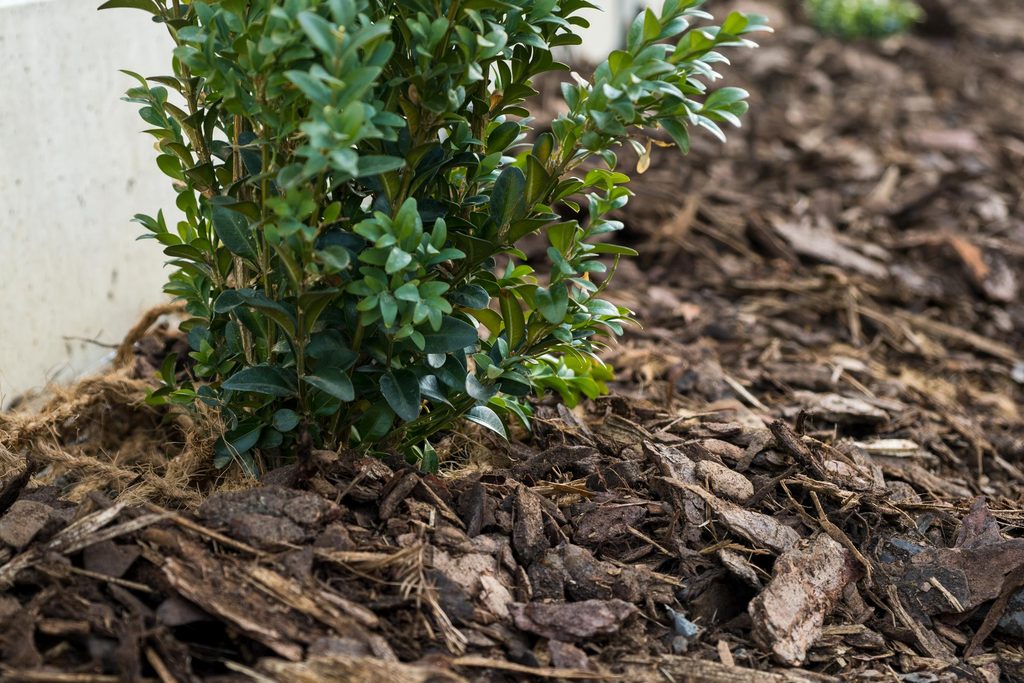
These observations help separate a mulch problem from a general maintenance problem. Adding a fresh layer will not replace weeding, edging, or clearing debris.
Signs It May Be Time for a Refresh
Coverage is thin across the bed
One way to determine when to refresh landscape mulch in Port Charlotte is to compare coverage throughout the planting bed. If soil is visible in several areas, replenishment may be appropriate. If only one section has become thin, localized attention may be enough.
When several areas have little material left, replenishing the bed may make more sense than moving the remaining mulch around. Look beyond the most visible edge: check between shrubs and toward the back of the planting area as well.
If only one small section is bare, assess that section separately. It may need a localized correction rather than another layer across the entire bed.
Older mulch has broken down
Organic mulch gradually decomposes, so the amount remaining below the surface matters more than how recently the bed was installed. Before scheduling another application, compare the existing layer in several locations. This helps determine whether replenishment is needed across the bed or only in sections where coverage has become thin.
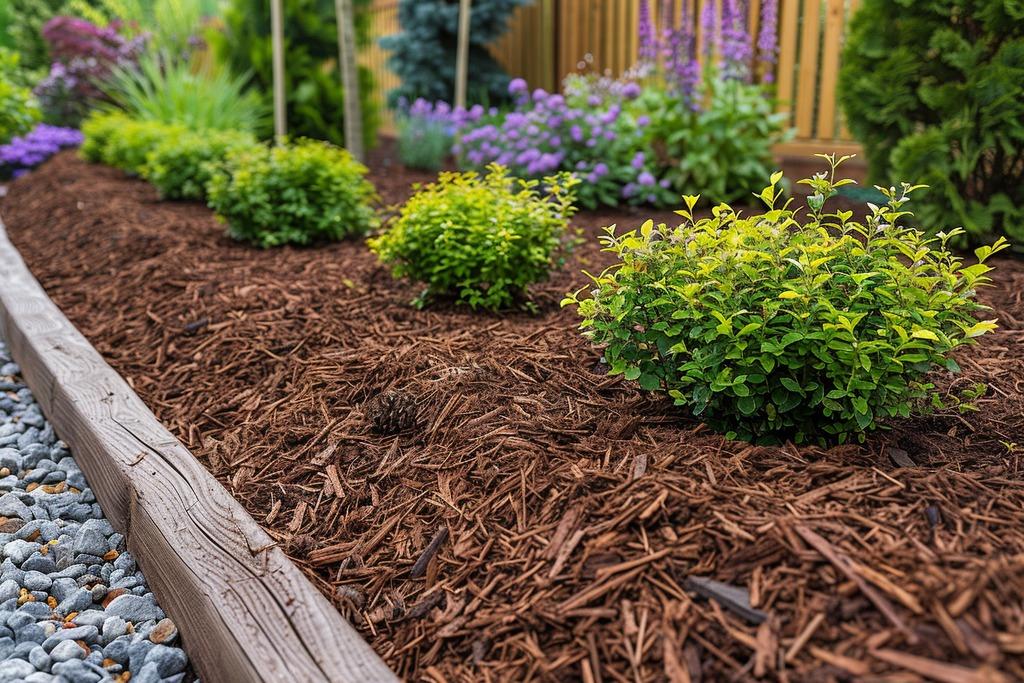
Inspect the material below the surface. If much of it has become fine and soil-like, discuss replenishment as part of bed maintenance. The decision should account for the material still present, not simply how long ago the last installation occurred.
Different parts of a landscape can be ready for attention at different times. Avoid assuming every bed needs the same amount of new mulch.
You are changing the planting layout
A planting-bed update is a useful opportunity to reassess mulch. Complete plant placement, bed shaping, and any planned irrigation work before the finishing layer goes down.
For a larger landscape change, decide where the beds will begin and end before refreshing them. Otherwise, you may pay for work that needs to be disturbed shortly afterward.
Appearance is your main concern
For homeowners in Port Charlotte, appearance is a factor in deciding when to refresh landscape mulch, but it should not be the only one. Check the remaining material before requesting a full application simply to restore a uniform color.
A refresh can also be a cosmetic decision. If you want a more consistent appearance at the front entrance or along a walkway, say so when discussing the work.
However, distinguish faded color from missing coverage. When there is already ample material, ask whether tidying or selectively removing older material would be preferable to adding another full layer.
7 Signs Your Landscape Mulch Needs Attention
Not every sign means you need another full layer of mulch. Some indicate that cleanup, redistribution, or correcting excess buildup would be more appropriate.
1. Soil Is Visible Across Several Areas
When mulch coverage becomes thin throughout a planting bed, replenishment may be appropriate. Check between plants and toward the back of the bed rather than judging only the front border.
2. Organic Mulch Has Broken Down
Older organic mulch gradually becomes finer as it decomposes. If little recognizable material remains, discuss whether the bed needs replenishment.
3. Mulch Has Shifted After Heavy Rain
Mulch that collects along walkways or in lower sections may need redistribution. If washout happens repeatedly, investigate the water movement before replacing the material.
4. Weeds and Debris Are Affecting the Appearance
Leaves, fallen branches, and weeds can make a bed appear neglected even when enough mulch remains. Cleanup may be more useful than adding another layer.
5. Mulch Is Piled Against Tree Trunks or Shrubs
Excess mulch should be corrected rather than covered. Ask whether material needs to be pulled back or removed to maintain appropriate clearance around plant bases.
6. Landscape Renovations Have Changed the Bed
New shrubs, irrigation adjustments, or changes to bed boundaries can leave uneven coverage. Finish the related work before installing the final mulch layer.
7. The Landscape Looks Uneven or Worn
A cosmetic refresh may be appropriate when the bed’s appearance no longer matches your landscaping goals. However, faded color alone does not prove that more material is necessary.
Understanding when to refresh landscape mulch in Port Charlotte means recognizing which of these signs calls for replenishment and which calls for maintenance. An inspection-based approach helps avoid unnecessary material and repeated work.
| What you notice | Possible next step |
|---|---|
| Exposed soil across several sections | Consider replenishing mulch |
| One small bare patch | Redistribute or selectively add material |
| Plenty of mulch, but faded color | Consider cleanup or a cosmetic decision |
| Mulch piled around tree trunks | Correct buildup before adding more |
| Leaves, weeds, or pruning debris | Complete bed maintenance first |
| Repeated mulch washout | Assess runoff or bed conditions |
| Sprinkler heads covered by mulch | Restore access and check irrigation |
| New planting or irrigation work planned | Complete that work before mulching |
This gives readers a quick way to distinguish adding mulch from maintaining existing beds.
When Adding More Landscape Mulch Is the Wrong Choice
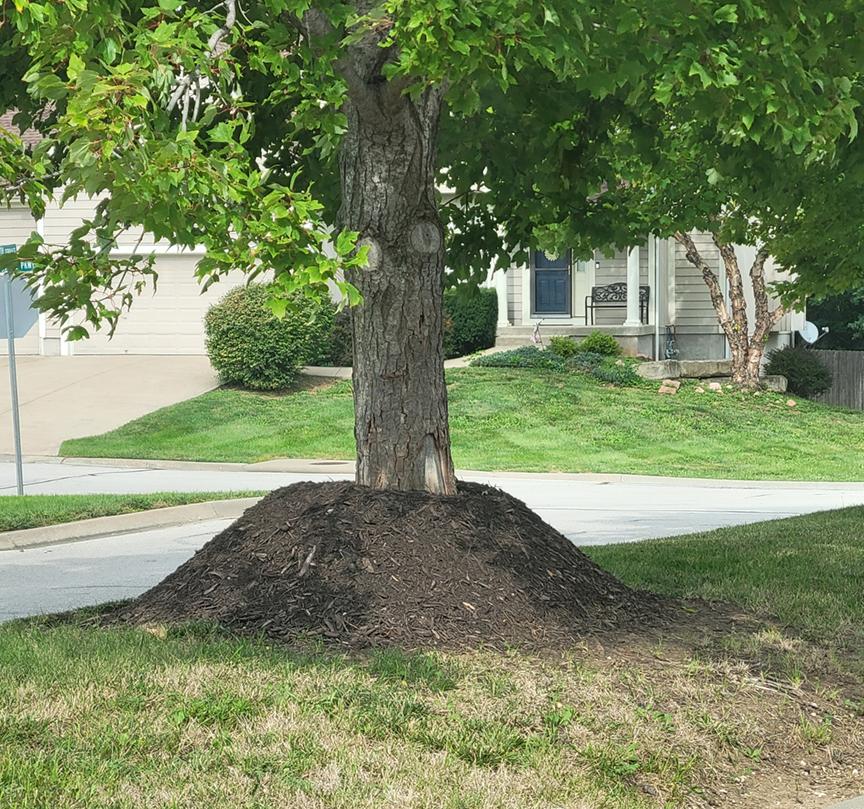
More mulch is not automatically better. If material is already heaped around tree trunks, pressed against the bases of shrubs, or stacked along a wall, address that buildup first.
Mulch should not be piled against tree trunks or the stems of shrubs. Excess material around a tree’s base can hold moisture against the bark and conceal the root flare. Before adding more mulch, check whether existing material needs to be pulled back, redistributed, or removed. The goal is consistent coverage across the bed without burying plant bases.
The International Society of Arboriculture’s tree care resources provide additional information about proper tree maintenance, including mulching practices. Keeping mulch away from direct contact with the trunk helps avoid the problems associated with excessive material around a tree’s base.
Likewise, pause if you cannot clearly see the bed’s condition. Thick leaf litter and pruning debris can conceal both thin spots and accumulated layers. Cleanup gives you a better basis for deciding what the bed actually needs.
If you notice standing water or recurring movement of material after rain, make that a separate assessment item. Do not assume a new layer will resolve the underlying concern. Note where the problem occurs and discuss it before scheduling cosmetic work.
How to Time Mulch Work in Port Charlotte
For a Southwest Florida yard, use weather conditions and the sequence of other landscape work to guide scheduling rather than treating one month as a universal deadline.
Check beds after demanding weather
Seasonal weather can influence when to refresh landscape mulch in Port Charlotte, especially when heavy rainfall moves material out of planting beds. Inspect the affected areas before replacing mulch, and discuss recurring washout if the same sections repeatedly lose coverage.
After heavy rainfall, inspect areas where mulch has shifted toward walkways, drains, or lower sections of the yard. If the same material repeatedly washes out, discuss the runoff pattern before simply replacing it. A mulch refresh can improve coverage, but it should not be treated as a solution to an unresolved drainage problem.
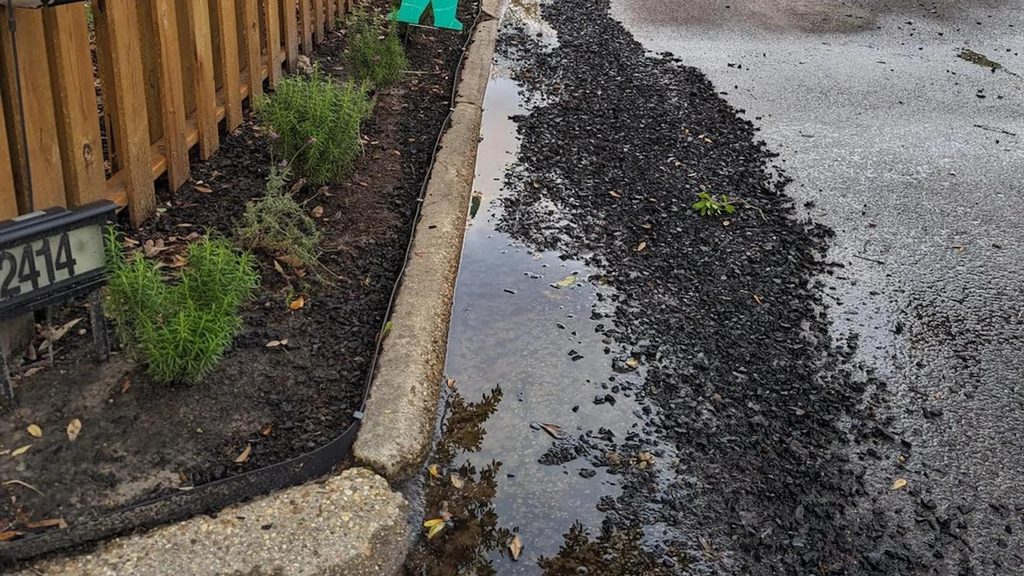
After periods of heat or heavy rain, walk the beds and note changes in coverage and condition. This is an inspection opportunity, not an automatic reason to replace mulch. Compare what you see with areas that still look even and well maintained.
Avoid making decisions from appearance alone while a bed is waterlogged or covered in storm debris. Wait until its condition can be assessed clearly.
Coordinate with trimming and cleanup
If shrubs or nearby trees are scheduled for trimming, plan that work before the mulch refresh where practical. Remove the resulting debris and tidy the bed before the final layer is installed.
This sequence keeps the refresh focused on finishing the bed rather than covering unfinished maintenance.
The Florida-Friendly Landscaping Program provides guidance on maintaining landscapes with attention to water use, plant health, and responsible landscape practices. Coordinating mulch replenishment with pruning, irrigation maintenance, and other bed improvements can help homeowners make more informed decisions about their landscaping work.
Address irrigation access first
Before mulching, locate sprinkler heads and any irrigation components within the beds. If repairs or adjustments are planned, coordinate those before the finishing work.
Fine Design Outdoor Solutions offers mulching and bed maintenance as well as irrigation installation and repair through its landscaping services. When requesting work, explain whether you need a straightforward refresh or help coordinating several tasks.
What a Useful Mulch Refresh Scope Should Include
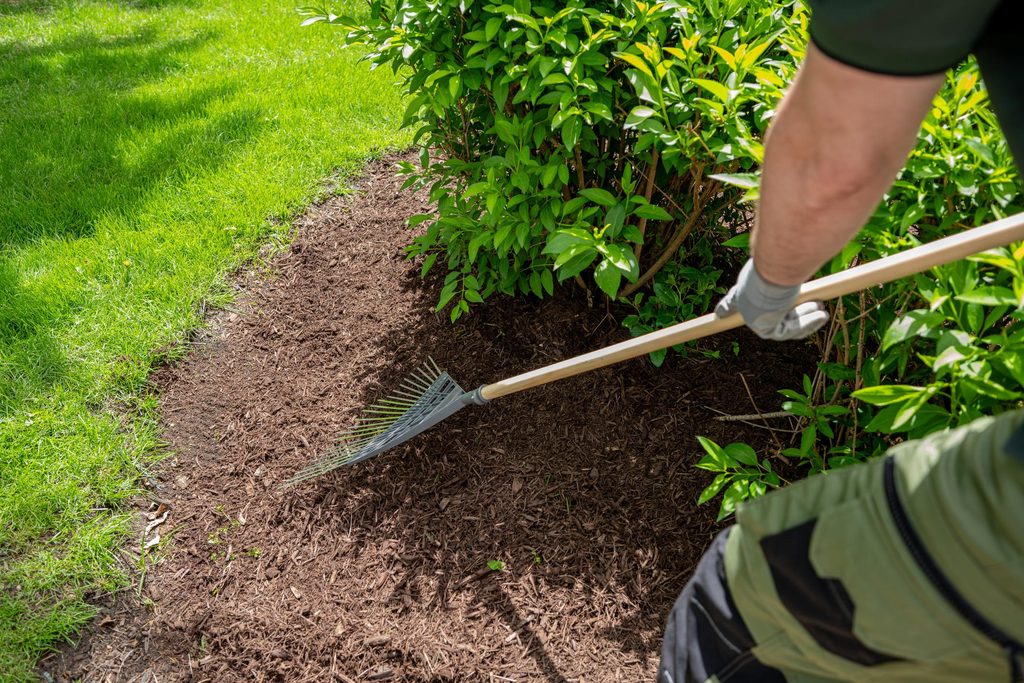
A clear scope helps prevent a simple appearance update from becoming repeated layering over existing problems. Before work begins, discuss:
- Bed preparation: Which areas need weeding, debris removal, or edge cleanup?
- Existing material: What can stay, what needs redistribution, and what should be removed?
- Coverage: Which beds need replenishment, and which need only selective attention?
- Plant clearance: How will the bases of trees and shrubs remain free of piled material?
- Irrigation access: Which components need to remain visible and accessible?
- Finished appearance: Are you seeking a consistent look throughout the yard or refreshing only selected beds?
A well-planned mulch refresh should distinguish preparation work from the final application. Weeding, edging, debris removal, and any necessary redistribution should be addressed before new material is installed. Ask whether the quote includes these tasks or covers only the delivery and spreading of mulch.
Photos can help communicate priorities, especially if the front beds and less visible side beds need different levels of attention. Include close-up views as well as wider shots showing the bed boundaries.
Frequently Asked Questions
-
Should I replace landscape mulch every year?
Do not use an annual date as the only deciding factor. Inspect the remaining coverage, accumulated layers, and condition of each bed. Some areas may need replenishment while others need only cleanup or redistribution.
-
Do I need to remove all the old mulch first?
Not necessarily. The appropriate approach depends on how much material remains and its condition. Ask for an assessment of existing buildup before deciding between topping up, selective removal, and a more complete refresh.
-
Does faded mulch mean the bed needs another layer?
No. Fading is an appearance consideration, but it does not tell you how much material remains. Check beneath the surface before adding more solely to restore color.
-
Should mulching happen before or after irrigation repairs?
Where practical, complete irrigation repairs first. That allows access to the affected area without disturbing newly finished beds. If you know repairs are needed, please include both tasks in the initial discussion.
-
How much mulch should be in a landscape bed?
For many organic landscape mulches, a layer of approximately 2–3 inches is a commonly recommended starting point, although the appropriate amount depends on the material, plants, and site conditions. Check the existing layer before adding more, and avoid piling mulch against tree trunks, shrub stems, or irrigation components. Ask your landscaping provider to assess areas where material has accumulated or become uneven.
Plan Your Landscape Mulch Refresh in Port Charlotte
Knowing when to refresh landscape mulch in Port Charlotte starts with understanding what your planting beds actually need.
Faded color alone does not mean every bed requires another layer. Some areas may benefit from fresh material, while others need only cleanup, redistribution, or removal of excess buildup.
Before scheduling work, inspect the existing coverage, check around trees and shrubs, and identify any irrigation or drainage concerns that should be addressed first.
Fine Design Outdoor Solutions provides mulching, landscape bed maintenance, and related outdoor services for homeowners in Port Charlotte and surrounding Southwest Florida communities.
Whether you’re preparing your landscaping for seasonal changes, updating planting beds, or improving the appearance of your property, a well-planned mulch refresh can help create a more consistent finished look.
For assistance with mulching and bed maintenance, Get a Free Quote from Fine Design Outdoor Solutions. Describe which beds need attention and whether your priority is replenishment, cleanup, or a more complete landscape update.