
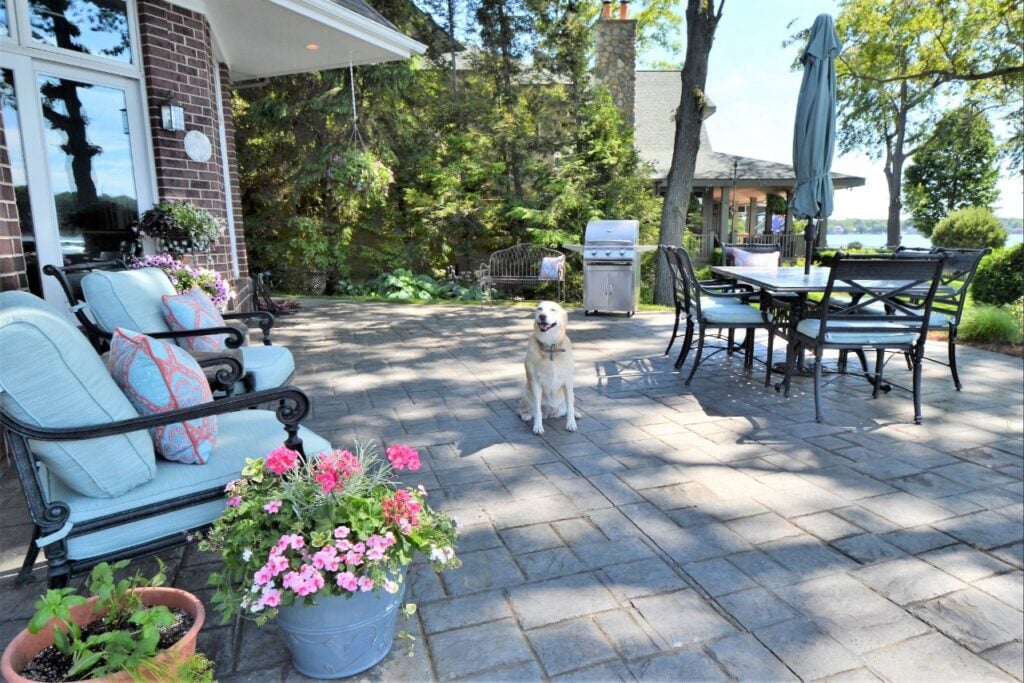
Paver patio size plays an important role in creating a comfortable and functional outdoor living space. Whether you’re planning a dining area, a relaxing lounge, or a combination of both, the right dimensions should accommodate more than just your furniture. You’ll also need enough room to pull out chairs, move between seating areas, and access the yard without squeezing through tight spaces.
For homeowners in Port Charlotte, Florida, patio planning should also account for the local climate, including summer heat, heavy rainfall, and the surrounding landscape. A larger patio isn’t automatically better. The goal is to create an outdoor space that supports everyday activities while preserving the lawn, planting beds, and other features you want to enjoy.
Before choosing dimensions or requesting a paver installation estimate, consider how you’ll use the patio, what furniture you want, and how people will move through the space. This guide covers seven practical planning tips to help you determine a paver patio size that fits your home, lifestyle, and yard.
Before choosing dimensions or requesting a paver installation estimate, consider how you’ll use the patio, what furniture you want, and how people will move through the space. This guide covers seven practical planning tips to help you determine a paver patio size that fits your home, lifestyle, and yard.
Paver Patio Size: Start With How You’ll Use the Space
Decide what your patio needs to do on an ordinary day. Occasional gatherings matter, but they should not be the only thing shaping a space you will use throughout the year.
Choose your main use first:
- Outdoor dining: A table, chairs, and a comfortable route between the house and dining area.
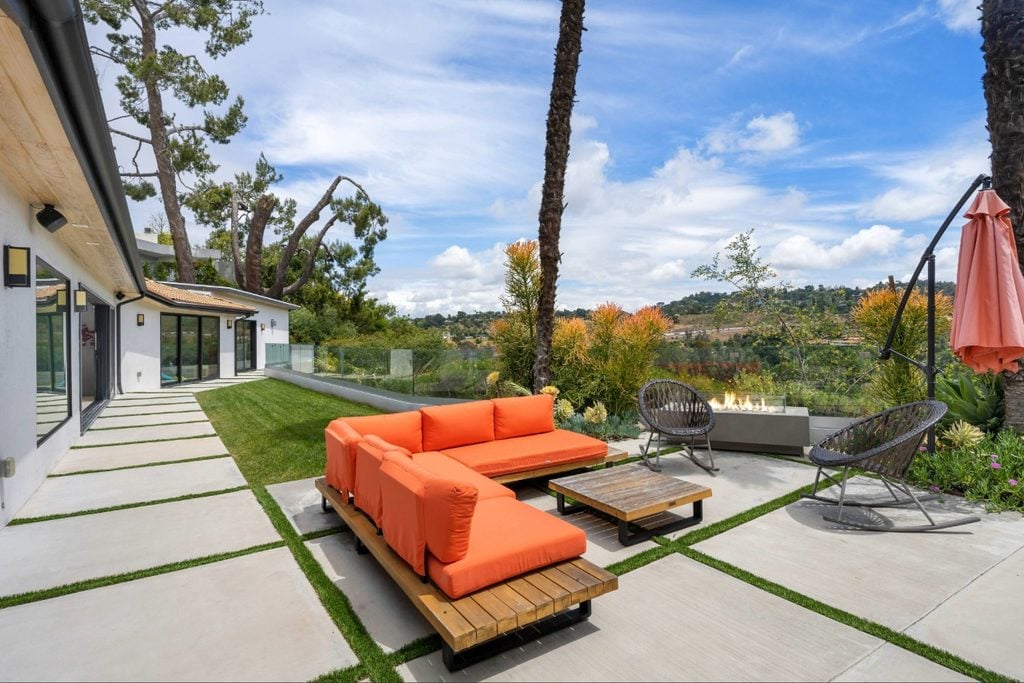
- Relaxed seating: Lounge chairs or a sofa, side tables, and space to move around them.
- Dining and lounging: Two usable furniture groups connected by an open walking route.
- A quiet retreat: A smaller seating arrangement oriented toward a garden or another feature you enjoy.
If you want both dining and lounging, sketch both groups at the same time. Treating the lounge area as whatever space remains after placing the table can leave it cramped or awkward to reach.
| Patio Use | Space to Account For | Common Planning Mistake |
|---|---|---|
| Outdoor dining | Table, occupied chairs, chair pullback, walking routes | Measuring only the tabletop |
| Lounge seating | Sofas, chairs, side tables, ottomans, access | Placing furniture too close together |
| Dining and lounging | Two furniture groups and connecting walkways | Treating the lounge area as leftover space |
| Small retreat | Seating, side table, access, surrounding landscaping | Making the patio larger than necessary |
| Entertaining | Furniture, circulation, access to the house and yard | Designing only for occasional large gatherings |
Measure Furniture to Determine Your Patio Dimensions
When determining your paver patio size, furniture dimensions are a useful starting point, but they don’t tell the whole story. A dining set with its chairs tucked in occupies less space than one where people are sitting down, standing up, or moving around the table.
Use your existing furniture, or the dimensions of pieces you intend to buy, to create a realistic layout. Avoid planning around a generic idea of a “six-person table” or “small outdoor sofa.” Measure the actual pieces whenever possible.
Dining space
Record the table’s length and width. Then place chairs as they would be used during a meal, including a chair pulled back for someone to stand up.
Determine whether another person can pass behind that chair without stepping off the proposed patio. This is especially important if the route to the yard runs behind the dining area.
Your dining footprint should include the table, occupied chairs, and the movement space around them—not just the tabletop.

Lounge seating
Arrange sofas, chairs, and tables so they work together. Consider how someone enters the group, reaches a seat, and moves past a person already sitting down.
Include the full extended position of any reclining furniture. Account for ottomans and side tables rather than assuming they will fit later. If an umbrella is part of the plan, include its base and intended location in your measurements.
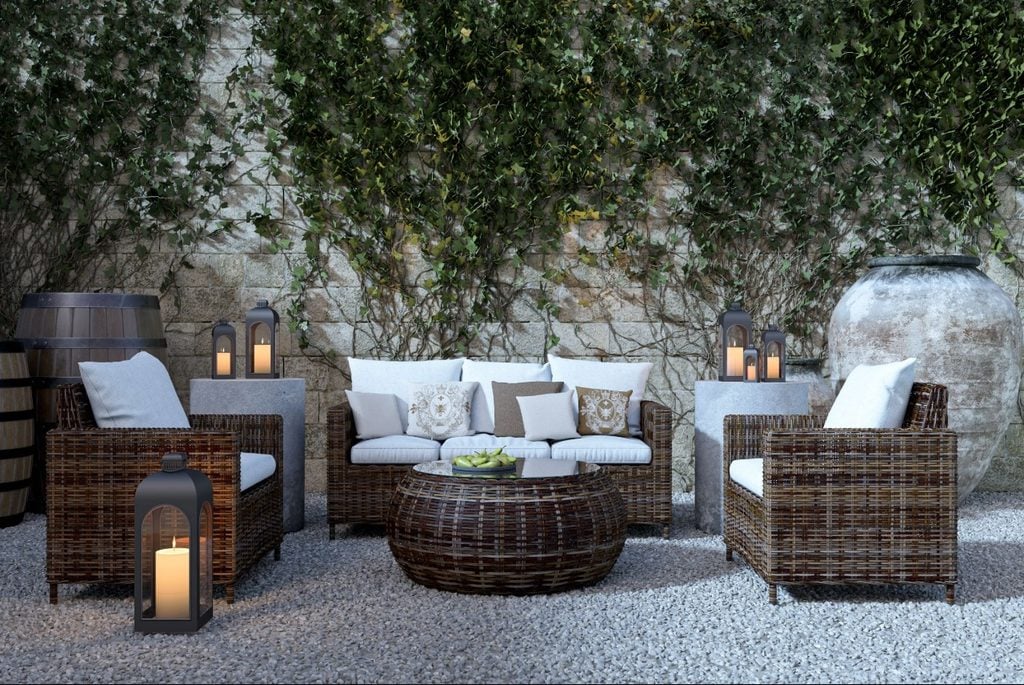
Plan walking routes before calculating the total size
A larger paver patio size doesn’t automatically create a more comfortable outdoor living area. Even a spacious patio can feel crowded when its main walking route cuts through dining chairs or lounge furniture.
On your sketch, trace the routes from the house to the dining table, lounge seating, and yard. Include any gate or nearby landscape area that needs regular access. Mark doorjams so furniture does not occupy the space needed to open a door.
Ask these questions:
- Can someone carry a tray outside without turning sideways around a chair?
- Can guests reach the yard while everyone is seated?
- Can you access planting beds without moving furniture?
- Does the route work for anyone in the household who uses a mobility aid?
If someone in your household uses a wheelchair, walker, or another mobility aid, consider accessibility during the initial layout rather than treating it as an adjustment after installation. The U.S. Access Board’s accessibility guidance provides useful information about accessible routes and maneuvering space. Discuss the needs of your household with your patio designer before finalizing dimensions.
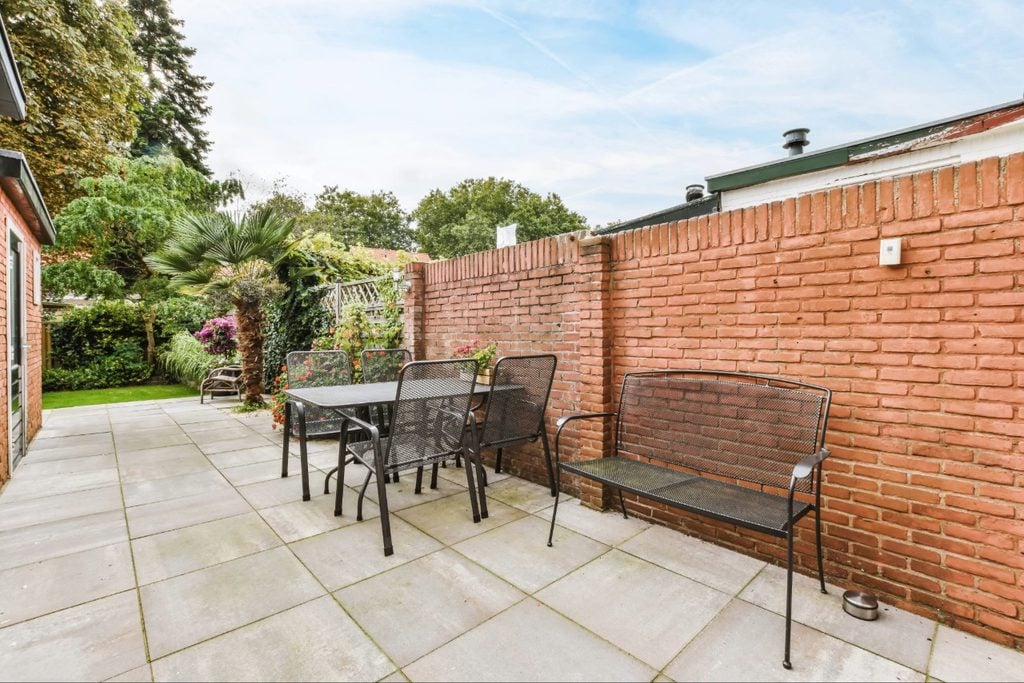
Where practical, run the main walking route beside a seating group rather than through its center. If space is tight, changing furniture placement may be more useful than simply extending every edge of the patio.
Test the footprint in the yard
Before settling on dimensions, mark the proposed outline with a garden hose or another temporary, non-damaging marker. Use movable objects to represent furniture, or place the actual furniture within the outline if conditions allow.
Walk through the layout and sit in the proposed seating positions. Open the nearby door, pull a dining chair back, and try moving between the two furniture groups.
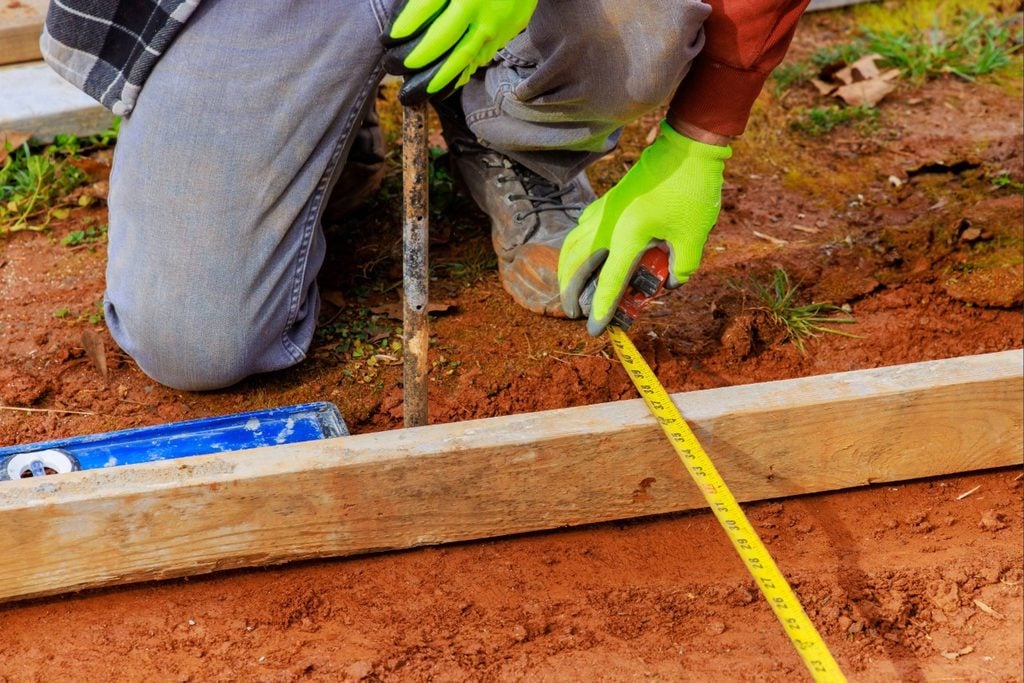
Visit the marked area at the times you expect to use it. For a Port Charlotte patio, consider whether the proposed dining or lounge position feels practical in the heat. Note where you would want shade and whether that choice changes the furniture arrangement.
Testing the proposed layout gives you a better basis for choosing your paver patio size than square footage alone. A long, narrow footprint and a more balanced rectangle may contain similar areas but accommodate furniture and walking routes very differently.
Fit the patio into the landscape
Once the furniture layout works, review its relationship to the rest of the property. Keep planting beds, lawn access, existing irrigation, and maintenance needs in the discussion.
Heavy rainfall and sandy soil are also relevant planning conditions in Southwest Florida. Tell the installer where you have noticed standing water or runoff, and ask how the proposed patio’s elevation, slope, and base preparation will be handled. Do not assume adding pavers will correct an existing water problem.
If the patio changes the lawn or planting-bed boundaries, ask whether irrigation adjustments belong in the project. If you expect to use the space after dark, discuss outdoor lighting while the layout is still being planned.
A new patio can change how you use and maintain the surrounding lawn and planting beds. The UF/IFAS Gardening Solutions resources provide Florida-specific guidance on landscaping, irrigation, and plant care. These considerations can help homeowners plan the transition between a new paver surface and the rest of the yard.
Fine Design provides paver installation and landscaping services, including patios, custom outdoor living spaces, irrigation installation and repair, and outdoor lighting installation. These related elements can be considered together when discussing the scope of your project.
What to bring to a patio planning conversation
A useful project brief does not need to be elaborate. Bring a sketch showing the house door, proposed patio outline, and furniture groups, along with furniture measurements and photos of the area.
Explain your everyday seating needs, any larger gatherings you want to accommodate, and which parts of the yard you want to preserve. Ask the proposal to identify the patio dimensions and clarify which related work is included. Avoid treating landscaping, irrigation changes, or lighting as automatic parts of a paver installation.
7 Smart Tips for Choosing the Right Paver Patio Size
Choosing a paver patio size involves more than calculating square footage. These seven planning tips can help Port Charlotte homeowners create an outdoor living space that works for everyday activities.
1. Decide How You’ll Use the Patio
Start with your main activities. Determine whether the patio will primarily support outdoor dining, lounge seating, entertaining, or a combination of uses.
2. Measure Your Actual Furniture
Use the dimensions of your existing furniture or the pieces you’re considering purchasing. Include tables, chairs, sofas, ottomans, and other accessories.
3. Allow Room for Chairs in Use
Dining chairs need space when people are sitting down, standing up, and moving away from the table. Test these positions instead of measuring only the furniture’s stored footprint.
4. Keep Walking Routes Clear
Plan how people will move between the house, dining area, lounge seating, and yard. Avoid placing major walking routes directly through furniture groups.
5. Test the Layout Before Installation
Use a garden hose or temporary markers to outline the proposed patio. Position furniture or movable objects within the space and walk through the arrangement.
6. Consider Florida Weather and Landscape Conditions
Evaluate sun exposure, rainfall, drainage, existing irrigation, and surrounding planting beds. Discuss any standing water or runoff concerns with your installer before finalizing the project.
7. Compare the Proposed Layout With Your Everyday Needs
A larger patio isn’t always more functional. Review whether the design provides enough room for your priorities without unnecessarily reducing lawn or garden space.
By planning around actual furniture, movement, and property conditions, you can make a more informed decision about the dimensions of your Port Charlotte paver patio.
Frequently asked questions
-
Is there one ideal size for a dining patio?
No single footprint will suit every dining arrangement. Start with your table and chairs, then test the room needed to sit down, stand up, and pass behind occupied seats.
-
Should dining and lounge seating share one patio?
They can, provided both groups remain usable and there is a clear route between them. Sketch each group’s full footprint before deciding whether to combine them or simplify the plan.
-
What if the patio I want feels too large for the yard?
Revisit the furniture and priorities first. A smaller table, fewer lounge pieces, or a different arrangement may meet your everyday needs without taking as much lawn or garden space.
-
Should I choose the furniture before requesting a quote?
You do not have to purchase it first, but having specific dimensions makes the size discussion more useful. Bring measurements or product information for the pieces you are considering.
Plan the Right Paver Patio Size for Your Port Charlotte Home
Choosing the right paver patio size starts with understanding how you want to use your outdoor space. A comfortable patio should accommodate your furniture, allow people to move easily between seating areas, and provide practical access to the house and surrounding yard.
For Port Charlotte homeowners, the planning process should also account for Florida’s heat, heavy rainfall, existing landscaping, and potential irrigation adjustments.
Rather than selecting a standard patio footprint, measure your furniture, test the proposed layout, and discuss how the finished space will fit into your property.
Fine Design Outdoor Solutions provides paver installation and landscaping services in Port Charlotte, including custom outdoor living spaces, irrigation installation and repair, and outdoor lighting.
Ready to plan a patio around the way you dine, relax, and entertain?
Get a Free Quote to discuss your Port Charlotte paver patio project.