
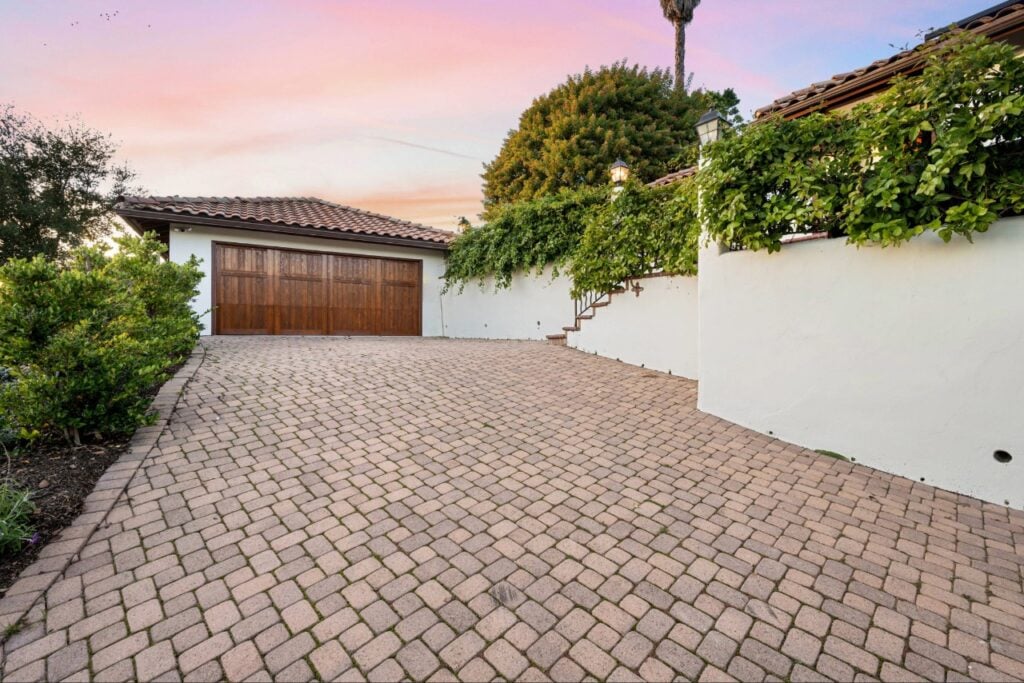
Paver driveway Port Charlotte homeowners are planning should be designed for more than curb appeal. A driveway needs to accommodate the vehicles that use it, provide practical access to the garage, and fit comfortably within the surrounding landscape.
While paver colors, patterns, and finishes can improve a property’s appearance, the driveway’s layout and construction details are equally important. Parking arrangements, turning space, vehicle weight, soil preparation, drainage, and edge restraints all deserve attention before installation begins.
In Port Charlotte, Florida, sandy soil, seasonal heavy rainfall, and year-round outdoor use make site-specific planning particularly important. However, these conditions don’t mean every property requires the same driveway design or installation specification.
Fine Design Outdoor Solutions provides paver driveway installation and landscaping services for Port Charlotte homeowners, including related irrigation, sod, and planting-bed work.
This guide covers seven practical considerations to discuss with your installer before choosing a paver driveway, from everyday vehicle use and parking layout to drainage, maintenance, and project responsibilities.
Paver Driveway Port Charlotte: Plan for Vehicle Use First
When planning a paver driveway in Port Charlotte, start with the vehicles that will use it. Passenger cars, pickup trucks, trailers, and recreational vehicles may have different parking, turning, and loading requirements. Share those details with the installer before discussing paver styles or installation specifications.
Prepare a short list that covers:
- The vehicles you normally park, including any larger or heavier ones.
- Whether vehicles park side by side or one behind another.
- Whether you turn around on the property or reverse toward the street.
- This includes where delivery or service vehicles are expected to stop.
- Any likely changes in vehicle ownership or parking needs should be considered.
Ask how those details affect the proposed pavers, preparation, and installation. Avoid choosing a driveway specification based only on a photograph of a patio or walkway. The proposal should explicitly address vehicle use.
How Vehicle Use Affects Paver Driveway Planning
When planning a paver driveway in Port Charlotte, the vehicles using the surface should influence the design from the beginning. A driveway intended primarily for passenger cars may have different requirements from one that regularly accommodates heavy work trucks, trailers, or recreational vehicles. The following comparison can help you organize the details to discuss with your installer.
| Vehicle use | Planning considerations | What to ask the installer |
|---|---|---|
| Passenger cars | Parking spaces, door clearance, garage access | Is the proposed system appropriate for regular passenger-vehicle use? |
| SUVs and pickup trucks | Vehicle dimensions, turning, weight | Have the actual vehicle sizes and loads been considered? |
| Work trucks | Vehicle weight, frequency of use, repeated loading | Does the proposed construction specification account for these loads? |
| Trailers | Turning paths, maneuvering room, wheel paths | Can the layout accommodate the trailer without repeated edge loading? |
| RVs | Overall dimensions, weight, parking frequency | Is the proposed driveway design appropriate for the RV’s intended use? |
| Delivery and service vehicles | Temporary access, turning and stopping locations | Will these vehicles use the driveway, and has that been considered? |
Plan Parking, Turning Space, and Garage Access
A driveway can look generous on a drawing while leaving awkward space for opening doors or walking past a parked vehicle. Before finalizing the footprint, park as you normally would and walk through your routine.
Can you unload groceries without stepping into a planting bed? Can passengers get out comfortably? Does someone walking to the front door have a clear route when both cars are home?
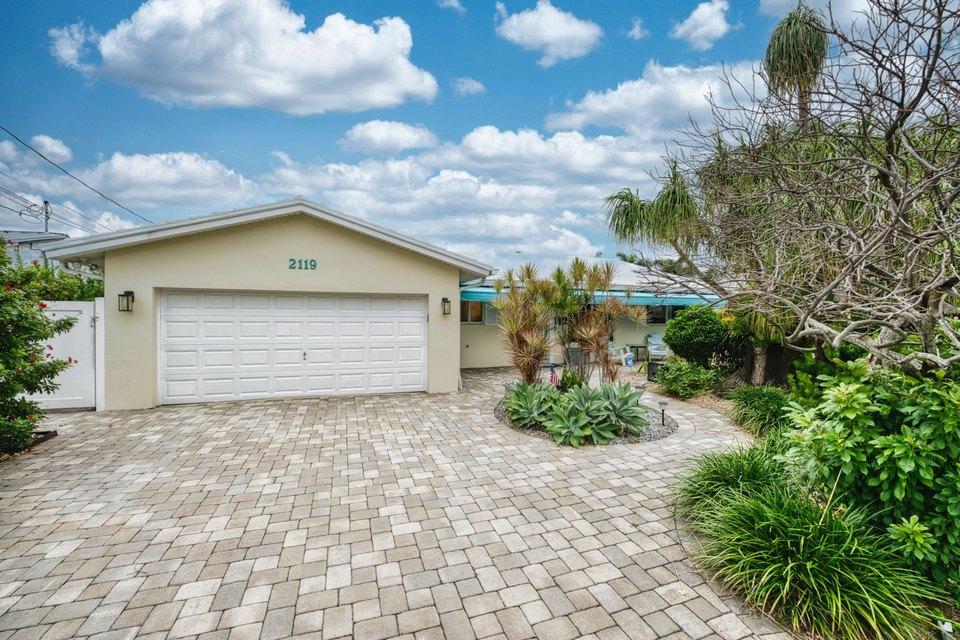
Pay particular attention to garage approaches, curves, and narrow sections. If you need space for a trailer or larger vehicle, discuss the turning movement rather than just the parking space. Ask whether the proposed layout can be marked on the property for review before work starts.
This is also the time to identify anything you want to preserve, such as an existing walkway, tree, or planting bed. Include those features in the planning conversation rather than working around them after the driveway layout is settled.
Choose Driveway Pavers and Installation Specifications for Vehicle Use
Color, shape, and pattern are visible choices. The preparation and construction details deserve equal attention.
Ask the installer to explain the proposed approach in plain language:
- Are the selected pavers intended for the vehicle use you described?
- What existing materials will be removed?
- How will the ground beneath the driveway be evaluated and prepared?
- What base, bedding, and joint materials are proposed?
- How will the edges be restrained?
- How will unexpected conditions discovered during excavation be handled?
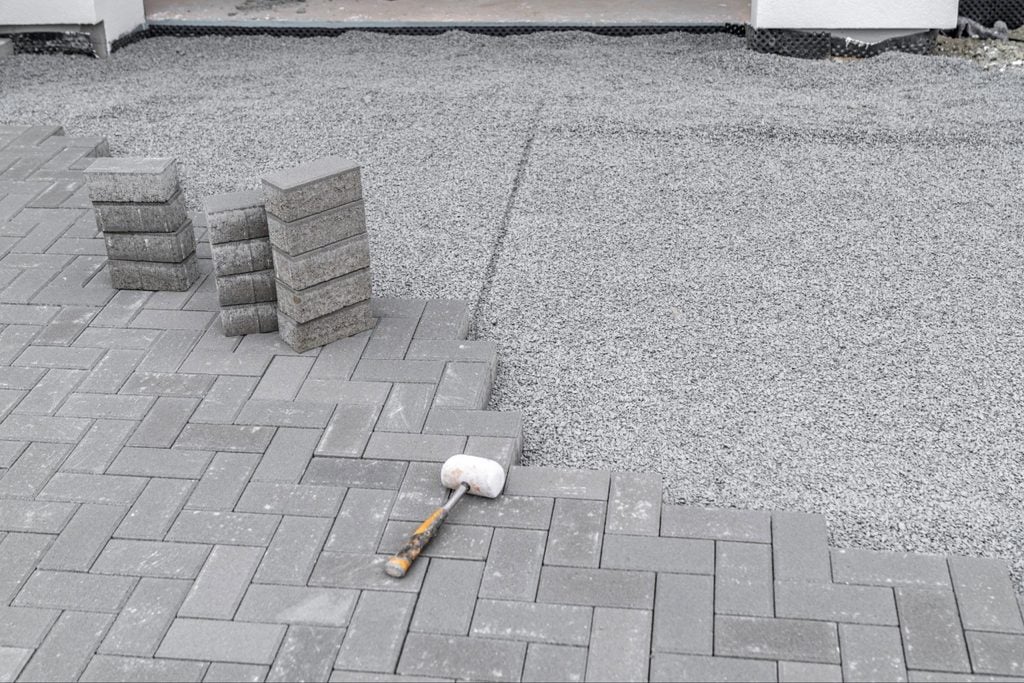
There is no need to arrive with a universal installation depth copied from an online guide. Instead, request a specification tied to your property and intended use. If you compare proposals, make sure they cover the same scope; an appearance-focused description alone makes meaningful comparison difficult.
The Concrete Masonry & Hardscapes Association provides technical resources on interlocking concrete pavement systems. These resources can help explain why paver selection, base preparation, joint materials, and edge restraints matter when designing pavement for vehicle traffic.
Plan for Rainfall, Drainage, and Finished Driveway Elevations
Drainage is an important consideration for a paver driveway in Port Charlotte, particularly on properties where heavy rainfall causes standing water near the garage, walkway, or planting beds. Ask how the finished driveway will direct surface water and whether existing drainage concerns require additional evaluation.
Ask how the finished driveway will meet the garage floor, street connection, and nearby walkways. Have the installer explain the intended direction of surface water movement and flag any existing conditions that need separate evaluation.
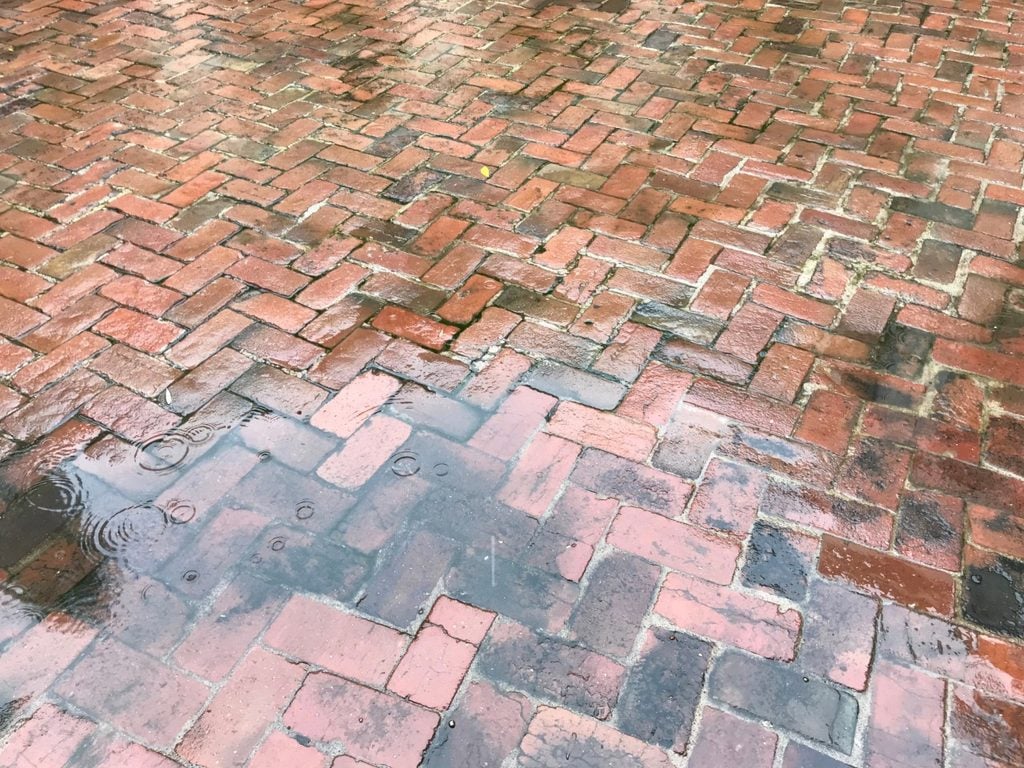
Do not assume that a paver driveway automatically provides a drainage solution. Ask whether the proposed system is intended to manage water through its surface or direct it elsewhere and what that means for this particular site. Any drainage-related scope should be clear rather than implied by the word “pavers.”
The EPA’s Soak Up the Rain resources explain how different landscape and pavement choices can affect stormwater runoff. However, homeowners should not assume that every paver driveway is permeable or that installing pavers automatically resolves existing drainage problems.
Coordinate Driveway Edges With Landscaping
The driveway boundary is where vehicle use and landscaping meet. Review areas where tires may approach an edge, especially beside curves or parking spaces. Ask how those edges will be detailed and whether the layout provides enough room for your normal movements.
Also identify irrigation heads, lawn edges, tree locations, and planting beds near the work area. Discuss which features will remain, which may need adjustment, and who is responsible for restoring disturbed areas.
Fine Design provides paver installation and landscaping services, which include irrigation installation and repair, sod installation, and planting-bed maintenance. Where a driveway project intersects with those features, ask which related tasks should be included in the proposal. Do not assume that landscape restoration is automatically part of every driveway installation.
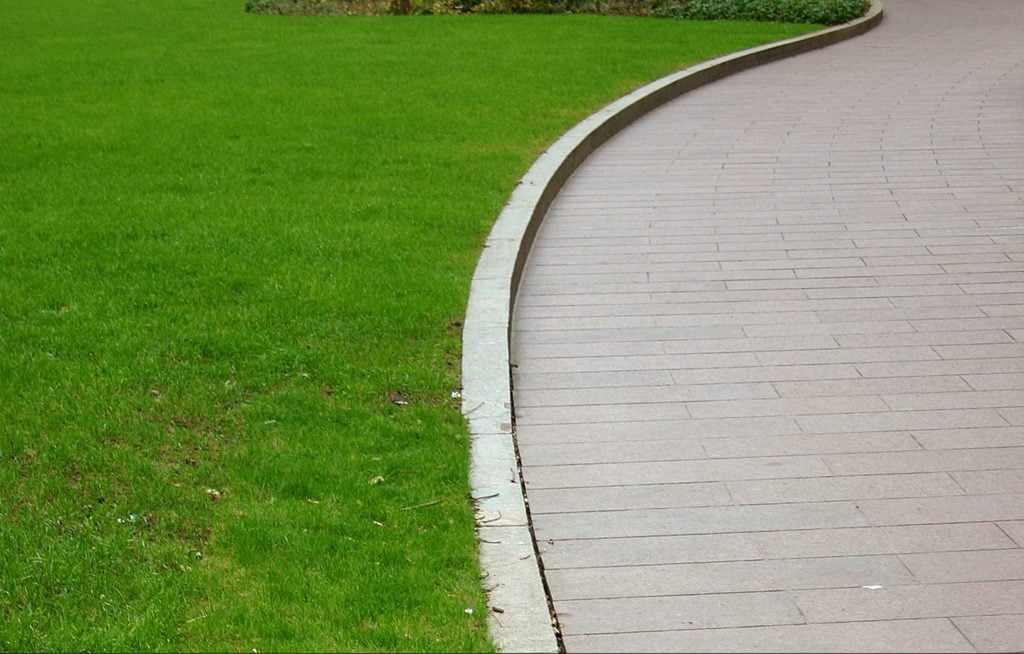
Choose Paver Colors, Finishes, and Maintenance Requirements
Choosing materials for a paver driveway in Port Charlotte involves balancing appearance with everyday use. Consider how the selected colors and textures will complement the home, how the surface will be maintained, and whether the proposed pavers are appropriate for vehicle traffic.
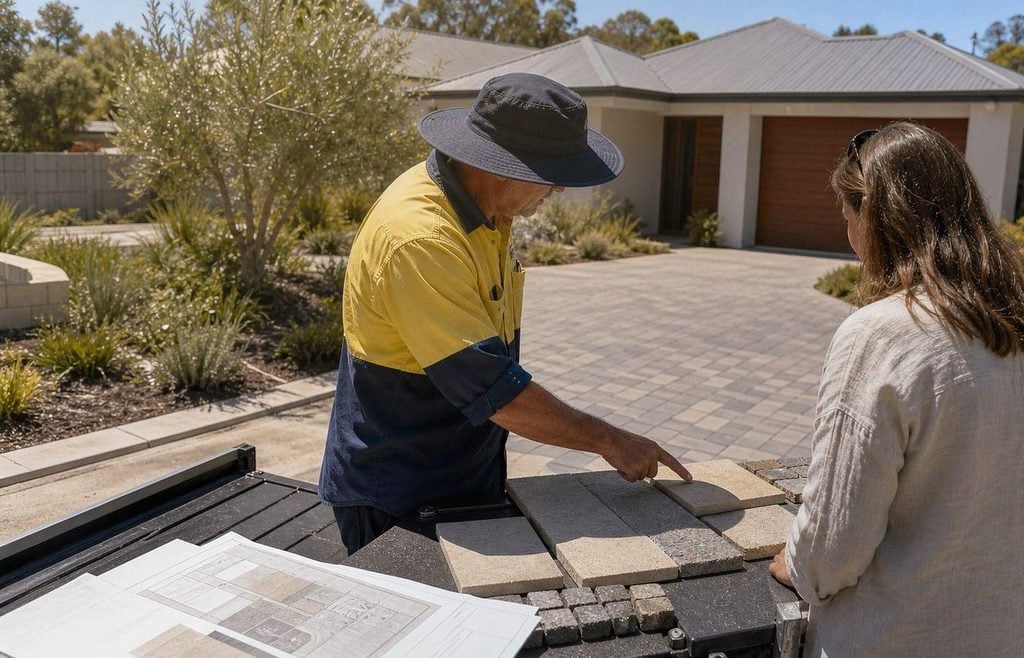
Ask about cleaning, joint care, and any recommended ongoing maintenance for the proposed materials. If sealing is suggested, request an explanation of its purpose, maintenance needs, and whether it is included or separate.
Heat and wet weather are also useful discussion points, especially where the driveway doubles as a walking route. Ask about the proposed surface rather than assuming all paver finishes behave alike.
Confirm Driveway Access, Approvals, and Project Responsibilities
Before agreeing to the work, confirm how the project will affect parking and garage access. Ask when vehicles must be moved, where materials will be placed, and how you will be told when the driveway is ready for vehicle traffic.
Also ask who will confirm any applicable approvals or requirements for the proposed work, especially if the driveway footprint or street connection will change. Do not assume those checks are included unless the proposal says so.
A useful written scope should distinguish driveway installation, related landscape work, and any items requiring further assessment.
Before changing a driveway footprint or its connection to the street, confirm whether local approvals or other requirements apply. Charlotte County Community Development is a starting point for researching county development requirements. Requirements may also depend on the property’s jurisdiction, right-of-way, and proposed work.
7 Smart Tips for Planning a Paver Driveway in Port Charlotte
A successful paver driveway project begins with understanding how the finished space needs to function. Before approving a design or installation proposal, use these seven planning tips to guide your discussion.
1. Identify Every Vehicle That Will Use the Driveway
List the passenger cars, trucks, trailers, and other vehicles expected to use the driveway.
Include occasional use by heavier vehicles rather than discussing only your everyday parking arrangements.
Ask how vehicle size, weight, and frequency of use affect the proposed installation.
2. Test Parking and Turning Space
Before finalizing the driveway footprint, consider where vehicles will park and how drivers will enter or leave the property.
Check whether passengers can open doors comfortably and whether pedestrians have room to walk around parked vehicles.
For larger vehicles, discuss turning movements and access to the garage.
3. Request a Driveway-Specific Installation Plan
Not every decorative paver installation is designed for vehicle traffic.
Ask the installer to explain the proposed pavers, site preparation, base materials, bedding, joint materials, and edge restraints.
The specification should reflect the actual property and intended vehicle use rather than relying on a generic installation detail.
4. Discuss Drainage Before Construction
Point out existing puddles, areas where water flows during heavy rain, and locations where water approaches the garage or home.
Ask how the finished driveway elevations will relate to nearby surfaces and where stormwater is intended to go.
If additional drainage work is needed, clarify whether it is included in the proposal.
5. Coordinate the Driveway With Existing Landscaping
Review planting beds, irrigation components, lawn edges, trees, and walkways near the proposed driveway.
Ask which features can remain and which may need adjustment during construction.
If landscaping is disturbed, confirm who will restore those areas.
6. Choose Paver Finishes for Everyday Use
Appearance matters, but the selected pavers should also be appropriate for the driveway’s intended use.
Review available colors, textures, and patterns in relation to the house and existing outdoor spaces.
Ask about cleaning, joint maintenance, sealing recommendations, and how the proposed surface may behave when wet.
7. Confirm the Complete Scope Before Scheduling
Before approving the project, review the written proposal.
Confirm what materials will be removed, what will be installed, how vehicle access will be managed during construction, and what related landscaping work is included.
Ask who will verify applicable approvals and when the driveway can be used after installation.
For Port Charlotte homeowners, these steps help ensure that the project is planned around the property’s actual needs rather than appearance alone.
Common Paver Driveway Planning Mistakes to Avoid
Even an attractive driveway can become inconvenient if important details are overlooked during planning.
Choosing a Layout Before Considering Vehicle Movements
A driveway that looks spacious when empty may feel cramped when vehicles are parked.
Before settling on the dimensions, consider door clearance, pedestrian access, and turning requirements.
Assuming All Pavers Are Suitable for Driveways
Pavers intended for pedestrian areas are not automatically appropriate for vehicle traffic.
Please confirm that the selected product and proposed installation system are suitable for use as a driveway.
Overlooking Existing Drainage Concerns
A new driveway should not be treated as an automatic solution to standing water or runoff.
If the property has existing drainage concerns, raise them before construction begins and ask whether additional evaluation is necessary.
Forgetting About Irrigation and Landscape Restoration
Driveway construction may affect nearby sprinkler components, planting beds, or lawn areas.
Please discuss these features early to ensure the project scope clearly identifies any adjustments or restoration work.
Comparing Quotes Based Only on Price
Two driveway proposals may look similar while including different preparation methods, materials, or cleanup responsibilities.
Ask each installer to explain the full scope of work. A meaningful comparison should account for construction details, intended vehicle use, and any excluded work.
Frequently asked questions
-
Can I use the same pavers for a driveway and walkway?
Ask whether the selected product is appropriate for both uses. A coordinated appearance does not mean the preparation or installation specification should be identical.
-
What should I tell the installer if I park a trailer or RV?
Describe the vehicle, its expected use, and where it will park or turn. Ask the installer to account for that use explicitly in the proposal rather than treating it as an ordinary passenger-car driveway.
-
Should I change irrigation before installing the driveway?
Identify nearby irrigation components during planning and ask whether adjustments are needed. Agree on the scope and sequence before construction, rather than leaving the question until the pavers are in place.
-
Do paver driveways need special drainage planning in Port Charlotte?
Drainage should be considered during every driveway project, particularly when the property experiences standing water or runoff during heavy rain. Ask how the finished elevations will direct water, whether the proposed paver system is conventional or permeable, and whether additional drainage work is needed. Installing pavers alone does not guarantee that existing water problems will be resolved.
Plan a Paver Driveway in Port Charlotte That Works for Your Vehicles
A well-planned paver driveway in Port Charlotte should provide more than an attractive entrance to your home. It should accommodate everyday parking, support the vehicles expected to use it, and fit comfortably within the surrounding landscape.
Before choosing paver colors or patterns, consider vehicle dimensions, turning space, garage access, site preparation, and drainage. Discuss any existing irrigation components, planting beds, or walkways that construction may affect.
The right installation approach depends on the property’s conditions and intended use. A driveway designed for passenger cars may require different considerations from one that accommodates heavier vehicles, trailers, or recreational vehicles.
Fine Design Outdoor Solutions provides paver driveway installation and landscaping services for homeowners in Port Charlotte and surrounding Southwest Florida communities.
Whether you’re replacing an existing driveway or planning a new layout, a clear project scope can help you understand the proposed work, related landscaping needs, and responsibilities before construction begins.
Get a Free Quote from Fine Design Outdoor Solutions to discuss your driveway layout, vehicle needs, and installation plans.