
Sod repair vs lawn replacement Port Charlotte homeowners are often considering one important question: Is the existing grass worth saving, or would replacing a larger area provide a more practical solution?
A few bare patches don’t automatically mean you need an entirely new lawn. In some cases, localized sod repairs can restore damaged areas while preserving healthy grass. However, when bare spots continue returning, thinning spreads across the yard, or irrigation and drainage problems remain unresolved, replacing individual patches may not address the underlying issue.
Port Charlotte’s sandy soil, warm weather, seasonal rainfall, and year-round lawn use can all influence how homeowners approach lawn repairs. Still, these conditions alone don’t explain why a particular lawn is struggling. Understanding the condition of the existing grass and identifying potential problems should come before deciding how much sod to install.
Fine Design Outdoor Solutions provides sod installation, lawn replacement, irrigation services, and landscape planning for Port Charlotte homeowners.
In this guide, we’ll explore five practical considerations to help you compare sod repair and lawn replacement, decide which areas are worth preserving, and prepare for a more informed conversation about your lawn.
Sod Repair vs Lawn Replacement Port Charlotte: Assess Your Lawn First
Before choosing the size of a sod project, take a walk around the entire lawn. Separate isolated damage from a pattern that extends across the property.
Make a short record of:
- Where bare areas appear and whether they are expanding.
- Whether the surrounding grass looks reasonably consistent or is also thinning.
- Whether damage returns in the same places.
- What changed before the problem appeared, such as construction, repeated foot traffic, or an irrigation issue.
- How the affected areas look after watering and heavy rain.
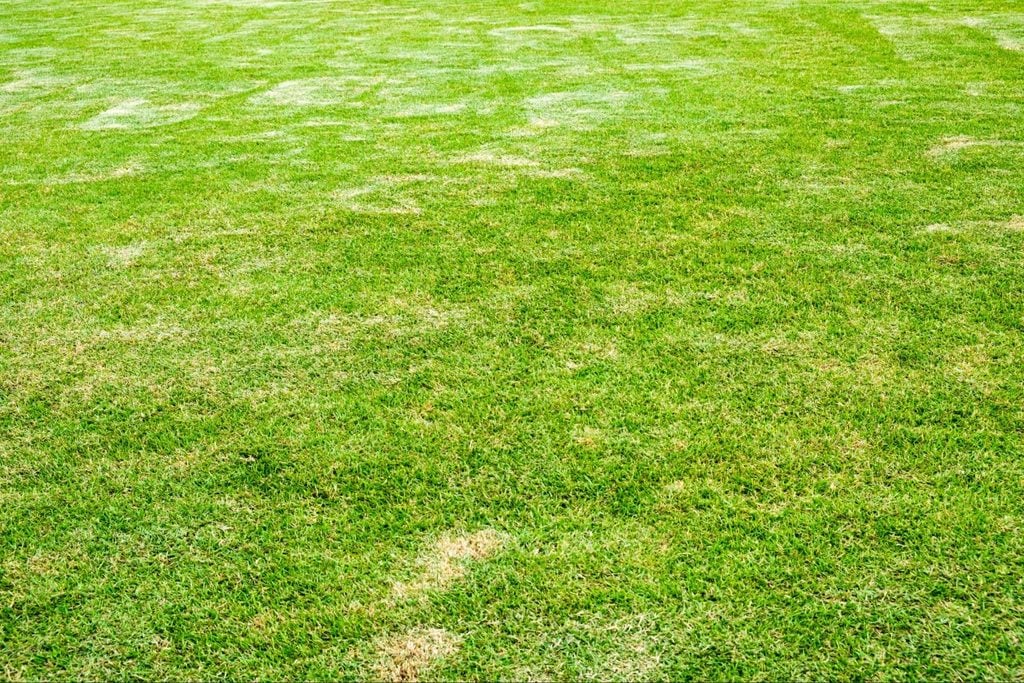
Photographs taken from the same position can help explain the problem during an assessment. Include a wide view of the yard as well as close-ups of the damaged sections.
Florida heat, sandy soil, and periods of heavy rain are useful context for that conversation, but they do not identify the cause on their own. Avoid assuming every bare patch needs more water or that fresh sod alone will fix it.
Before deciding whether to repair or replace damaged grass, investigate why the lawn is struggling. The UF/IFAS guide to renovating Florida lawns recommends identifying problem areas and considering issues such as irrigation, pests, and disease before replanting. Replacing grass without addressing the original problem may lead to repeated damage.
When Localized Sod Repair Makes Sense
When comparing sod repair vs. lawn replacement in Port Charlotte, localized repair may be appropriate when the damage is contained and most of the surrounding grass is worth preserving. The important consideration is whether the reason for the damage has been addressed and whether the proposed repair area includes any weak grass around the visible bare patch.
Small-area repair is a sensible option to discuss when the damage is contained and most of the surrounding lawn is worth preserving.
For example, you might have a defined section affected by recent work on the property rather than thinning throughout the yard. In that situation, the assessment can focus on the damaged footprint and any preparation needed before replacing it.
Before choosing a patch repair, ask:
- Is the surrounding grass healthy enough to keep?
- Has the reason for the damage been addressed?
- Can the proposed sod be matched appropriately to the existing lawn?
- Can watering and foot traffic be managed around the repair?
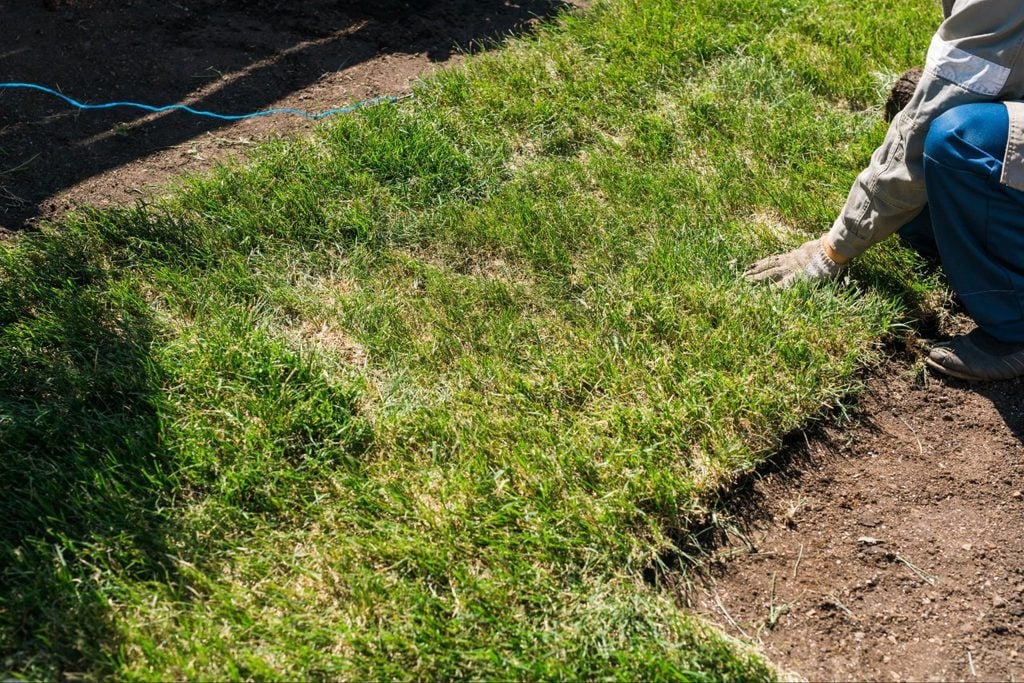
Proper site preparation and establishment care are important whether you’re repairing a small patch or replacing a larger lawn section. The UF/IFAS guide to establishing Florida lawns explains sod installation, soil preparation, watering, and other considerations that influence how newly planted turf becomes established.
Do not judge the project only by the visible bare center. Ask whether the weak grass around its edges belongs within the repair area too. Agreeing on that boundary before installation helps clarify exactly what the work includes.
Fine Design Outdoor Solutions provides sod installation and lawn replacement as part of its landscaping services. A useful project discussion should distinguish the areas you want to preserve from those you want replaced.
When to Replace a Larger Lawn Section
You don’t have to limit your choice between sod repair and lawn replacement to a few patches or an entirely new lawn. Replacing one defined section may make sense when several damaged areas overlap or when the grass between them is also struggling. This approach can preserve satisfactory grass elsewhere on the property.
The choice is not limited to a handful of patches or an entirely new lawn. Replacing one defined section may be a practical middle ground.
Consider discussing a larger section when several damaged patches overlap, when the grass between them is also struggling, or when one part of the property has a different problem from the rest. A front lawn and a side yard do not necessarily need the same scope of work.
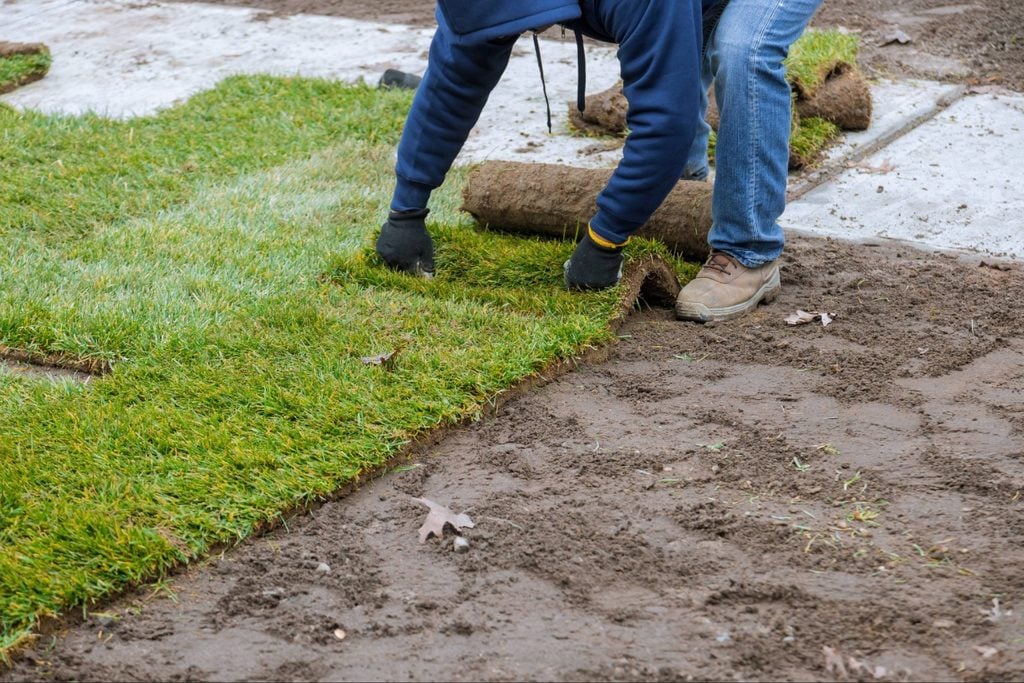
Describe the section by clear boundaries rather than a vague request to “fix the bad grass.” Walkways, driveway edges, planting beds, and other existing features can help you communicate the intended work area.
For a Port Charlotte yard used throughout the year, also think about access. Which routes must remain available for people, pets, and regular outdoor activities? Discuss whether a section-by-section approach fits those needs and how it would affect installation and aftercare.
When Full Lawn Replacement Is Worth Considering
Full replacement deserves consideration when there is little satisfactory lawn left to preserve or when repair areas would cover much of the usable yard. It may also belong in the conversation when a broader landscape redesign changes where the lawn should remain.
However, replacing everything is not a substitute for understanding why the existing lawn declined. Before approving a full replacement, ask for a clear explanation of:
- What will be removed: Identify the lawn areas and any exclusions.
- What must be addressed first: Discuss irrigation concerns, recurring wear, and areas that remain wet after rain.
- What will become lawn: Confirm the final boundaries around beds, trees, walkways, and outdoor living spaces.
- What happens afterward: Clarify the care instructions and your responsibilities once installation is complete.
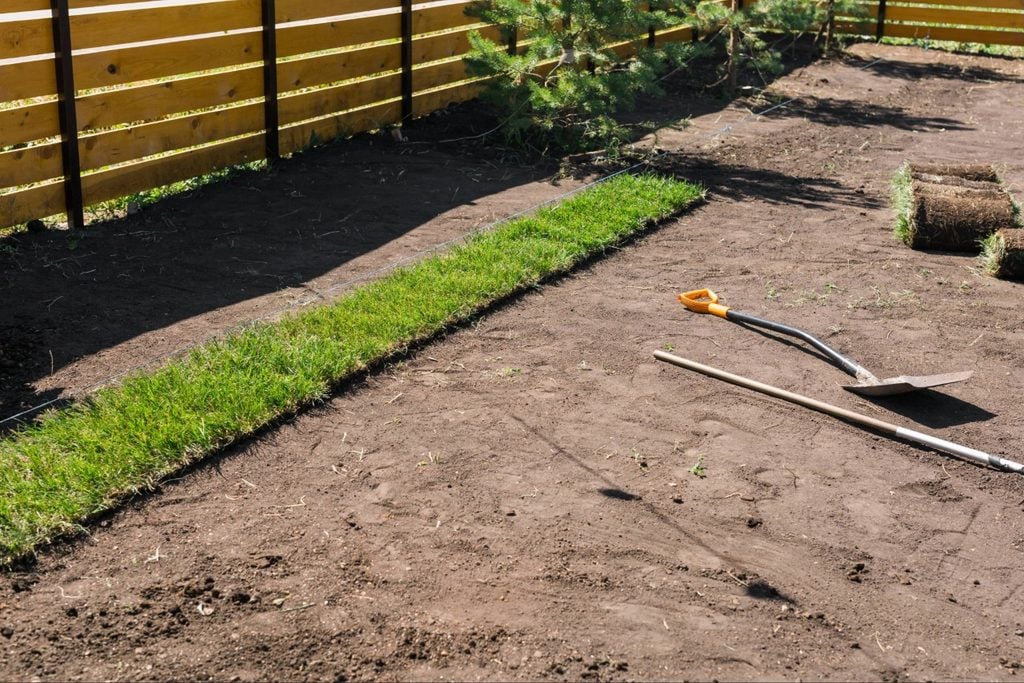
There is no need to rely on an arbitrary percentage of damaged grass as the deciding rule. The condition of what remains, the underlying problem, and the proposed scope are more useful discussion points.
Sod Repair vs. Lawn Replacement: Which Option Fits?
Comparing sod repair vs. lawn replacement in Port Charlotte involves more than measuring how much grass is missing. The condition of the remaining lawn, the reason for the damage, and the amount of preparation required all influence which approach deserves consideration. The table below outlines how localized repairs, section replacement, and full lawn replacement differ.
| Consideration | Localized Sod Repair | Section Replacement | Full Lawn Replacement |
|---|---|---|---|
| Best suited for | Isolated damaged areas | Several damaged patches in one defined area | Widespread decline or a broader redesign |
| Existing grass | Most remains | Grass outside the selected section remains | Most or all existing lawn is replaced |
| Preparation | Focused on the repair area | Covers a larger defined section | Covers the full replacement area |
| Grass matching | Important where old and new sod meet | Important at the section boundaries | More flexibility to select a different turfgrass |
| Irrigation | Check coverage in the repaired area | Evaluate the entire replacement section | Review the planned lawn’s irrigation needs |
| Aftercare | Required for new patches | Required for the replaced section | Required across the new lawn |
| Main concern | Whether the cause of isolated damage has been addressed | Whether the surrounding grass is worth preserving | Whether underlying problems have been resolved before replanting |
Keep unchanged
Occasionally the repair decision reveals a layout problem. Before putting sod back in the same footprint, consider how that area functions.
Repeated walking routes
Does everyone cross the same strip to reach a gate, patio, or driveway? Ask whether keeping that route as lawn fits your routine or whether a planned walkway would make more sense. Fine Design installs paver walkways as well as other paver outdoor spaces.
Areas around planting beds
If you are already planning to reshape a bed, settle that boundary before defining the sod work. Coordinating lawn replacement with bed maintenance or mulching avoids planning the two projects in isolation.
Difficult sections of the yard
Where grass repeatedly struggles, discuss the site conditions before committing to another repair. A landscape design conversation can consider whether to retain the lawn, adjust the planting layout, or change the use of the space. Fine Design’s landscape design services include 2D AutoCAD designs, CAD drafting, and detailed outdoor planning.
Compare Sod Repair and Lawn Replacement Proposals
Before choosing sod repair or lawn replacement, compare the actual work included in each proposal. Ask which areas will remain, what grass will be removed, how the soil will be prepared, and what irrigation or aftercare requirements need attention. A clearly defined scope helps homeowners understand what each option is intended to accomplish.
The terms “sod repair” and “lawn replacement” do not fully explain what is included in a proposal. Ask for a defined work area and a clear description of preparation, installation, and aftercare expectations.
If irrigation is a concern, please raise it before finalizing the sod project. Fine Design offers irrigation system installation and repair, so you can include those needs in the discussion rather than treating them as an unrelated issue afterward.
Watering should be considered as part of the sod installation plan, especially if the existing lawn has uneven irrigation coverage. The UF/IFAS lawn care recommendations explain how to evaluate sprinkler performance and avoid unnecessary watering. Ask how the proposed irrigation plan will support newly installed sod while accounting for the property’s conditions.
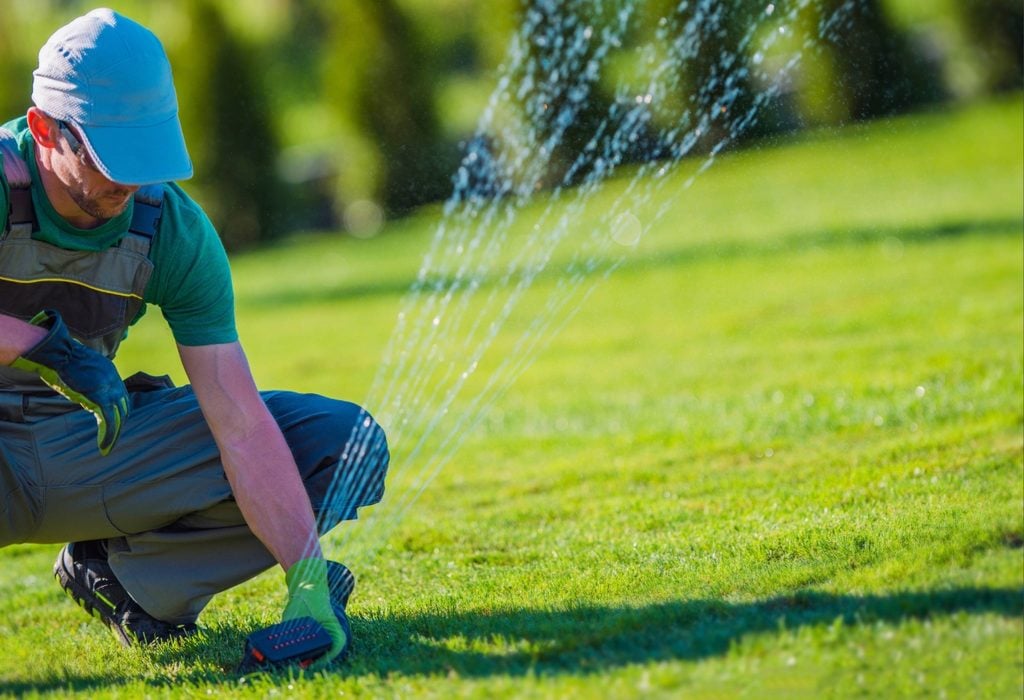
Likewise, point out standing water or recurring wet areas. Ask what needs further evaluation; do not assume a sod quote includes drainage work.
A useful comparison between repair and replacement should explain what each option preserves, what it replaces, and what unresolved conditions could affect the decision. Without that detail, a smaller scope may not be the more suitable choice, and a larger one may not be automatically justified.
5 Smart Tips for Choosing Sod Repair or Lawn Replacement
When comparing sod repair vs. lawn replacement in Port Charlotte, the goal is to preserve what works, correct what needs attention, and avoid replacing grass unnecessarily. These five tips can help you prepare for a professional lawn assessment.
1. Evaluate the Grass Surrounding the Bare Spots
Don’t focus only on the most noticeable damaged areas. Look at the grass immediately surrounding each bare patch and across the rest of the yard.
If most of the lawn remains healthy and the damage is limited, localized sod repair may be worth considering. However, if the surrounding grass is also thinning or declining, a larger repair area may be appropriate.
Take photographs from several angles so the full pattern is easier to explain.
2. Identify Why the Grass Is Struggling
Before installing new sod, discuss the possible causes of the damage.
Uneven irrigation, repeated foot traffic, poor drainage, pests, disease, or unsuitable growing conditions may contribute to lawn decline. These are possibilities to investigate, not conclusions that can be drawn from appearance alone.
If the same section has required repeated repairs, understanding why it continues to struggle is especially important.
3. Consider Replacing One Section Instead of the Entire Lawn
The decision doesn’t have to be limited to a small patch or complete lawn replacement.
If several damaged spots are concentrated in one part of the property, replacing that section may provide a clearer project boundary while preserving satisfactory grass elsewhere.
Use driveways, walkways, planting beds, and other landscape features to help define the proposed replacement area.
4. Review Irrigation and Soil Preparation Before Installation
New sod needs appropriate soil preparation and watering to become established.
Ask whether existing irrigation problems should be addressed before installation and how the proposed sod will be watered afterward. If the yard has recurring wet areas, raise those concerns before approving the project.
The installation plan should also explain site preparation and homeowner responsibilities during establishment.
5. Compare the Complete Project Scope
A smaller sod repair isn’t automatically the best choice, just as full replacement isn’t always necessary.
When comparing proposals, ask what existing grass will remain, what will be removed, how the soil will be prepared, and what aftercare is expected.
Also consider how the project may affect walkways, outdoor activities, pets, and access to different parts of the yard.
For Port Charlotte homeowners, choosing the appropriate sod project means considering both the condition of the lawn today and how the finished space will be maintained over time.
What Happens After New Sod Is Installed?
Whether you’re repairing a few bare patches or replacing an entire lawn, installation is only the beginning. Newly installed sod needs time to establish roots in the prepared soil.
Before work begins, ask your landscaping provider for instructions covering watering, mowing, foot traffic, and the first several weeks of maintenance.
Watering During Establishment
New sod generally requires more frequent watering during its initial establishment period than an established lawn. However, the appropriate schedule depends on the turfgrass, weather, soil conditions, irrigation system, and any applicable watering restrictions.
Follow the installation provider’s instructions and avoid assuming that more water is always better.
Managing Foot Traffic
Ask when the newly installed areas can safely accommodate normal foot traffic, pets, and outdoor activities.
If the project affects a frequently used route to a patio, gate, or driveway, discuss access arrangements before installation begins.
Mowing and Routine Care
New sod should be sufficiently rooted before mowing. The timing varies depending on growing conditions and turfgrass establishment.
Confirm when mowing should resume, what cutting height is appropriate for the selected grass, and whether any changes to your usual lawn maintenance routine are necessary.
Monitoring the Repaired Areas
Pay attention to how the new sod responds during establishment. Report unexpected changes, recurring wet or dry areas, or concerns about the repaired sections to the installation provider.
A clear aftercare plan helps homeowners understand their responsibilities and provides a useful reference if questions arise after the project is complete.
Frequently asked questions
-
Can I replace only one part of my lawn?
Yes, a defined section can be considered separately from the rest of the yard. Consider whether the surrounding lawn is worth keeping and whether you can address the underlying issue within that scope.
-
Will the new sod match my existing grass?
Do not assume an exact match. Ask how the proposed sod relates to the existing grass and what differences you should expect while the repaired area becomes established.
-
Should irrigation repairs happen before sod installation?
Raise known irrigation problems during planning so the appropriate sequence can be determined. The installation plan should account for how the new sod will be watered, rather than leaving that question until the work is finished.
-
Does recurring damage mean I need a whole new lawn?
Not necessarily. Recurring damage is a reason to reassess the cause and how that area is used. Replacing more grass without addressing those questions may not resolve the problem.
Sod Repair vs. Lawn Replacement: Make the Right Choice for Your Port Charlotte Yard
Deciding between sod repair vs. lawn replacement in Port Charlotte starts with understanding the condition of your existing lawn.
A few isolated bare patches may only require targeted repairs, especially when the surrounding grass is healthy and the original cause of damage has been addressed. When several damaged areas overlap, replacing a larger section may be worth considering. Full lawn replacement becomes a more relevant option when little satisfactory grass remains or when the property’s landscape design needs to change.
Whatever the scope, installing new sod without reviewing recurring irrigation, drainage, or site problems may leave important questions unresolved.
Before moving forward, identify the areas you want to preserve, the sections that need attention, and how you plan to use the yard after installation.
Fine Design Outdoor Solutions provides sod installation, lawn replacement, irrigation services, and landscape planning for homeowners in Port Charlotte and surrounding Southwest Florida communities.
Whether you’re repairing bare spots or considering a complete lawn replacement, discussing the existing conditions and project scope can help you make a more informed decision.
Get a Free Quote from Fine Design Outdoor Solutions to discuss your lawn’s condition and explore an appropriate sod installation plan.