
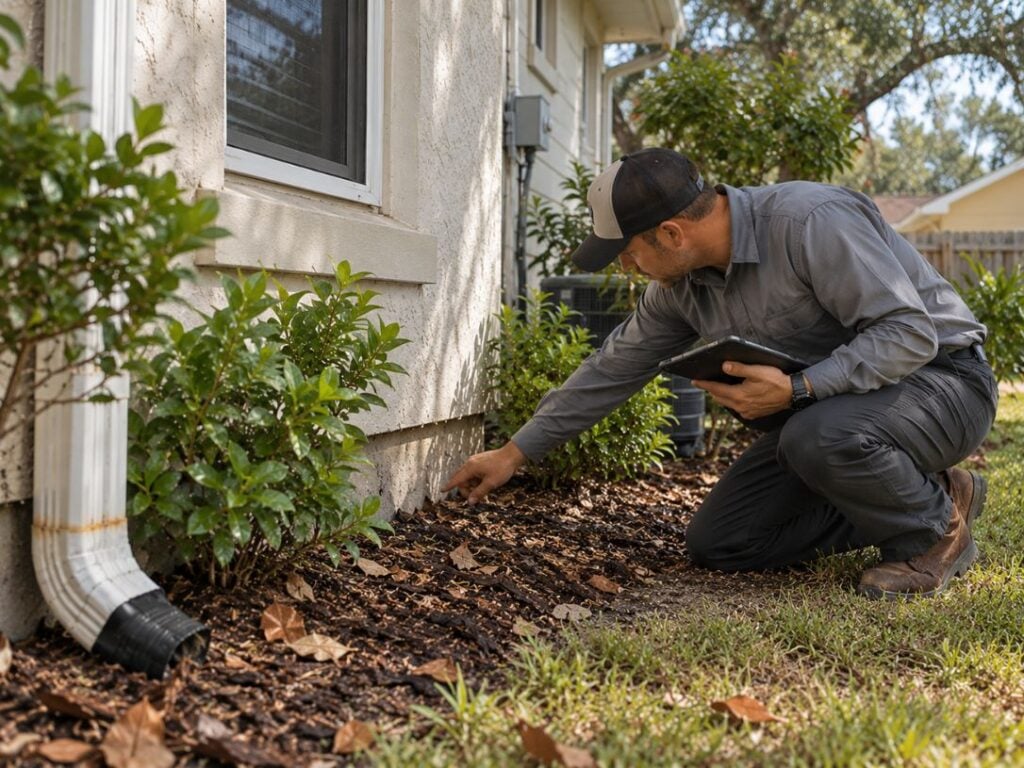
Rodent removal vs exclusion is an important distinction to understand when you’re dealing with a rodent problem in your Port Charlotte home. Removal focuses on rodents that are already present, while exclusion focuses on how they may be getting inside and addressing those access points. In many cases, the more useful question isn’t simply which service to choose, but whether the plan addresses both the current problem and the risk of future entry.
Fine Design Outdoor Solutions’ rodent services include removal, exclusion, sealing entry points, and reducing attractants. Understanding how these services work together can make it easier to discuss your options, review a quote, and know exactly what work is being proposed for your property.
What is the difference between removal and exclusion?
Removal addresses the current rodent problem
Removal is the part of rodent control focused on rodents already present. If you are seeking help with a current concern, ask how the inspection will establish what needs to be addressed and what removal work is recommended.
Removal is not the same as sealing the property. A proposal that discusses removal should also make clear whether entry-point assessment and exclusion are included, recommended separately, or still awaiting inspection.
Fine Design’s approved service information does not specify particular removal equipment or techniques. Those details should be discussed for your property rather than assumed before an inspection.
Exclusion addresses access to the home
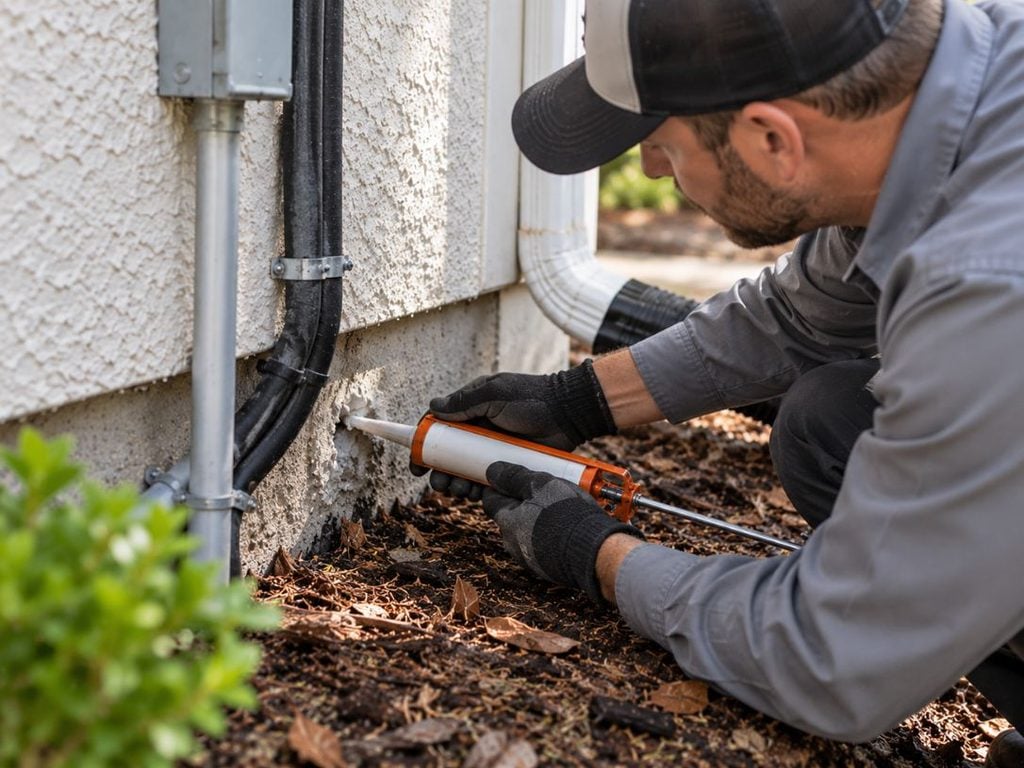
Exclusion focuses on keeping rodents from entering by addressing access points. Fine Design’s rodent services include sealing entry points as part of that work.
The practical distinction is straightforward: removal addresses presence; exclusion addresses access. Neither term, by itself, tells you the full scope of a service proposal. Ask which areas will be assessed, which entry points the proposed work will address, and whether anything requires additional evaluation.
Homeowners can also review the CDC’s guidance on sealing homes against rodents, which identifies common areas to check for gaps and openings, including foundations, doors, vents, utility penetrations, eaves, and soffits.
Exclusion should not be understood as a promise of permanent prevention. Instead, it is part of a prevention-focused approach that can be discussed alongside removal and ongoing protection.
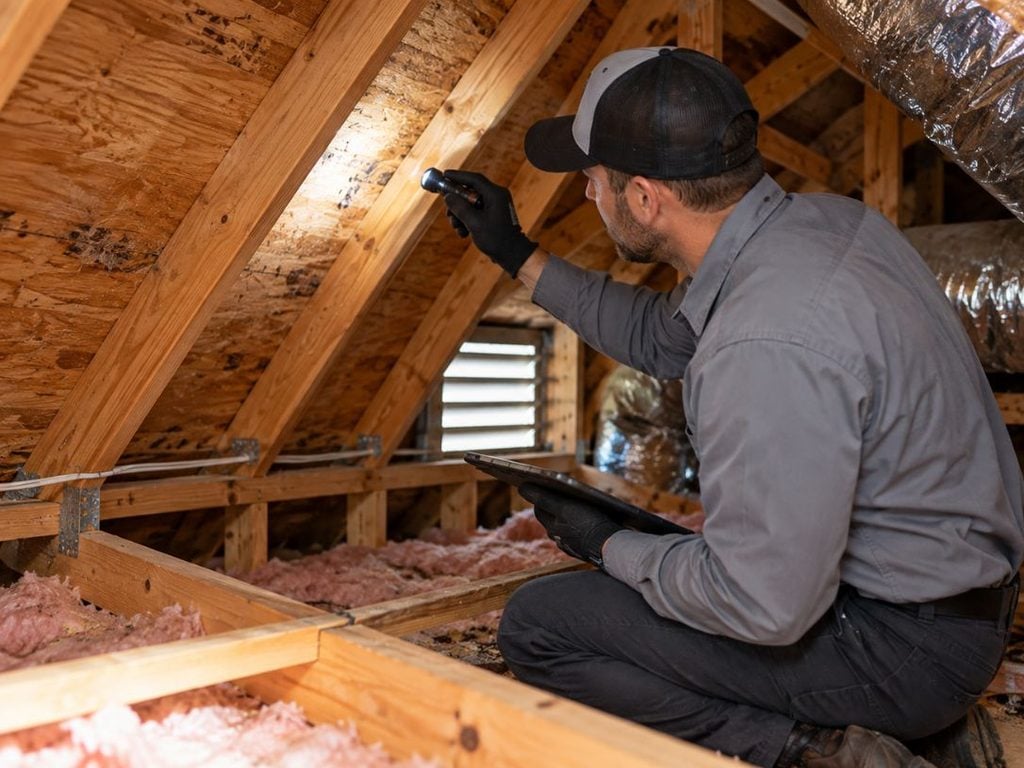
Does your home need removal, exclusion or both?
The answer should come from an inspection, not from choosing a service label in advance. Fine Design’s pest control approach includes inspection, targeted treatment, prevention, and ongoing protection.
Here is how to frame the decision without trying to diagnose the property yourself.
You are concerned about rodents currently at the property
Ask for an assessment of the current problem and potential access points. The service discussion should explain whether removal is needed and how exclusion fits into the plan.
A useful question is, “What are you recommending to address the rodents present, and what are you recommending to address entry?” Keeping those questions separate helps you understand whether both needs are covered.
Rodents were previously removed, but you do not know whether entry points were sealed
Start by reviewing the earlier service records, if you have them. Look for a description of exclusion work rather than assuming that removal included it.
If the records are unclear, ask for an entry-point assessment. The goal is to establish what was completed, what can be confirmed now, and what additional work is recommended. A previous removal service alone does not explain the property’s current exclusion needs.
You want a prevention-focused assessment
You do not need to select a removal service before discussing prevention. Explain that you want to understand the property’s access concerns and whether exclusion work is appropriate.
Ask the provider to distinguish confirmed findings from areas that need further inspection. That keeps the recommendation tied to your home rather than to a generic package.
Where does reducing attractants fit?
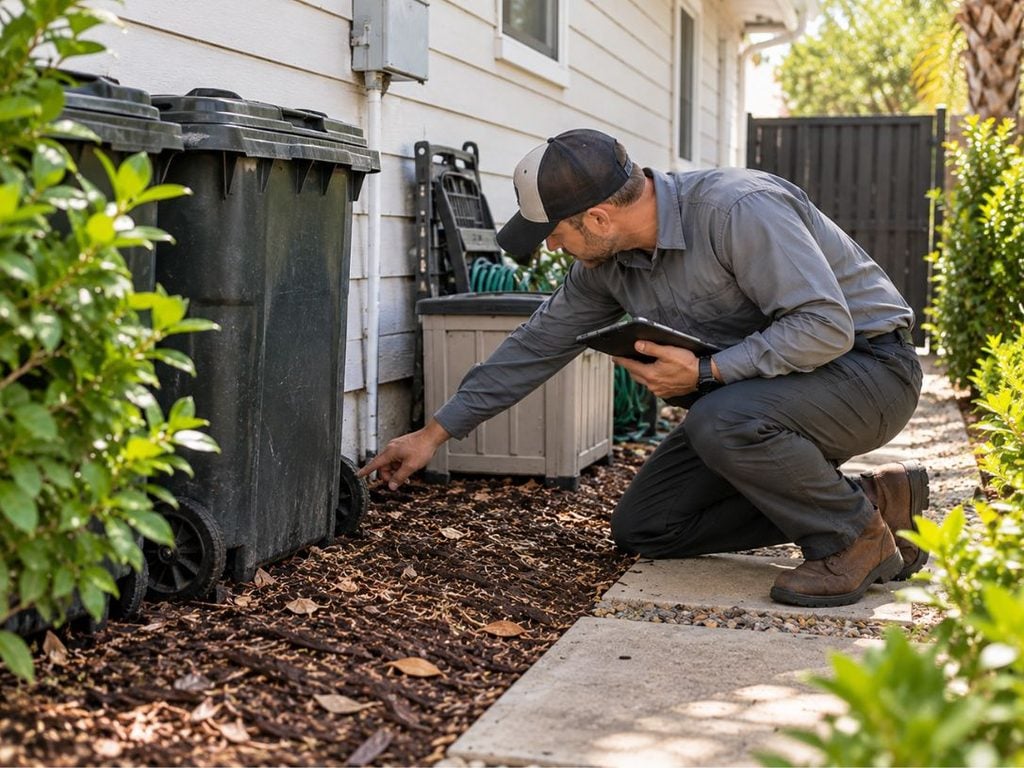
Reducing attractants is another part of Fine Design’s rodent services. It is distinct from both removal and sealing entry points, so it deserves its place in the discussion.
UF/IFAS Extension’s guidance on rodent management also emphasizes reducing accessible food, water, and shelter while addressing potential entry points around the home.
Ask the inspector to identify any attractants they recommend addressing and explain what changes are appropriate for your property. Please clarify the division between the work included in the service and the actions you will need to take yourself.
Rather than leaving with a broad instruction to “improve prevention,” aim for a specific task list based on the inspection. For each recommendation, you should understand what needs attention, who is responsible, and whether it affects the rest of the service plan.
What should a rodent-control quote explain?
A useful quote discussion connects the inspection findings to the proposed work. Before agreeing to a plan, ask these questions:
- What did the inspection establish? Ask which findings support the recommendation and whether any areas remain unassessed.
- Is removal included? Clarify what the proposed removal service covers for your property.
- Is exclusion included? Ask which entry points are included in the sealing work and what, if anything, is outside the scope.
- What is the sequence of work? Have the provider explain how removal, exclusion, and homeowner tasks will be coordinated.
- What attractants need attention? Please provide property-specific recommendations and clarify your responsibilities.
- What happens afterward? Ask what ongoing protection is proposed, what it includes, and how to report another concern.

These questions are more useful than comparing service names alone. Two proposals may use the same word—such as “exclusion”—without describing the same scope. Please ensure you fully understand the work being offered instead of making assumptions about missing details.
You can review Fine Design’s pest control services before discussing the needs of your home.
Planning service for a seasonal or rental property
If you manage a Port Charlotte-area home from elsewhere, please clarify access and communication before the appointment. Identify who can provide access, who will approve the proposed work, and who will complete any owner-assigned prevention tasks.
Ask how inspection findings and recommendations will be communicated. A written scope can help an owner, property manager, and occupant work from the same information without assuming that removal, exclusion, and ongoing protection are interchangeable.
For a property outside Port Charlotte, please verify Fine Design’s pest control service areas before arranging service.
Frequently asked questions
-
Is rodent exclusion the same as removal?
No. Removal addresses rodents present at the property. Exclusion addresses access, including sealing entry points. An inspection helps determine how each applies to your home.
-
Does a removal quote automatically include sealing entry points?
Do not assume it does. Ask whether exclusion is included and request a description of the entry-point work covered by the proposal.
-
Does exclusion guarantee rodents will never return?
No permanent-prevention guarantee should be assumed. Ask about the proposed exclusion scope, its limitations, and any recommended ongoing protection.
-
Can I ask about exclusion if I am unsure whether rodents are present?
Yes. Please explain your concerns and request a recommendation based on an inspection. You do not need to decide which service your home requires before discussing it with the provider.
Get a plan that addresses presence and access
Fine Design Outdoor Solutions provides rodent services that include removal, exclusion, sealing entry points, and reducing attractants. To discuss what your Port Charlotte home needs, Get a Free Quote. Ask for a clear explanation of the current problem, the proposed entry-point work, and your next steps.