
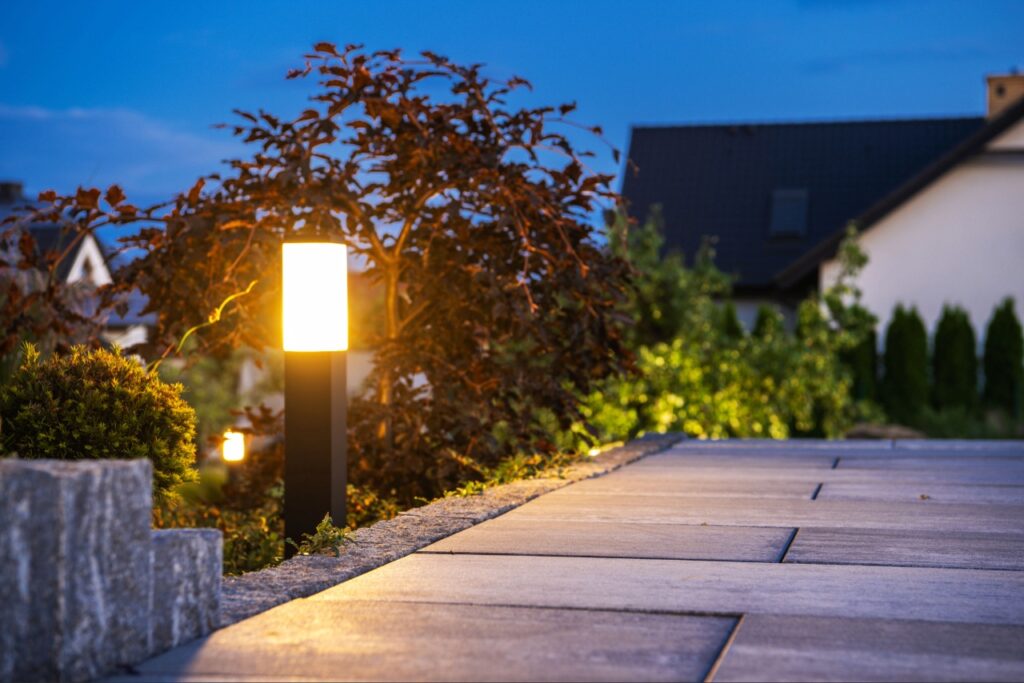
Outdoor lighting should make your yard easier to use after dark without making every part of it equally bright. A useful plan starts with how you move through the property, where you spend time and which landscape details you want to see from indoors.
For Port Charlotte homeowners, it also makes sense to consider lighting alongside lawn maintenance, irrigation, and outdoor improvements rather than as an isolated finishing touch. Fine Design provides outdoor lighting installation for patios, walkways, gardens, and landscapes. Here is a practical way to organize your ideas before discussing an installation.
Start With an Evening Walk-Through
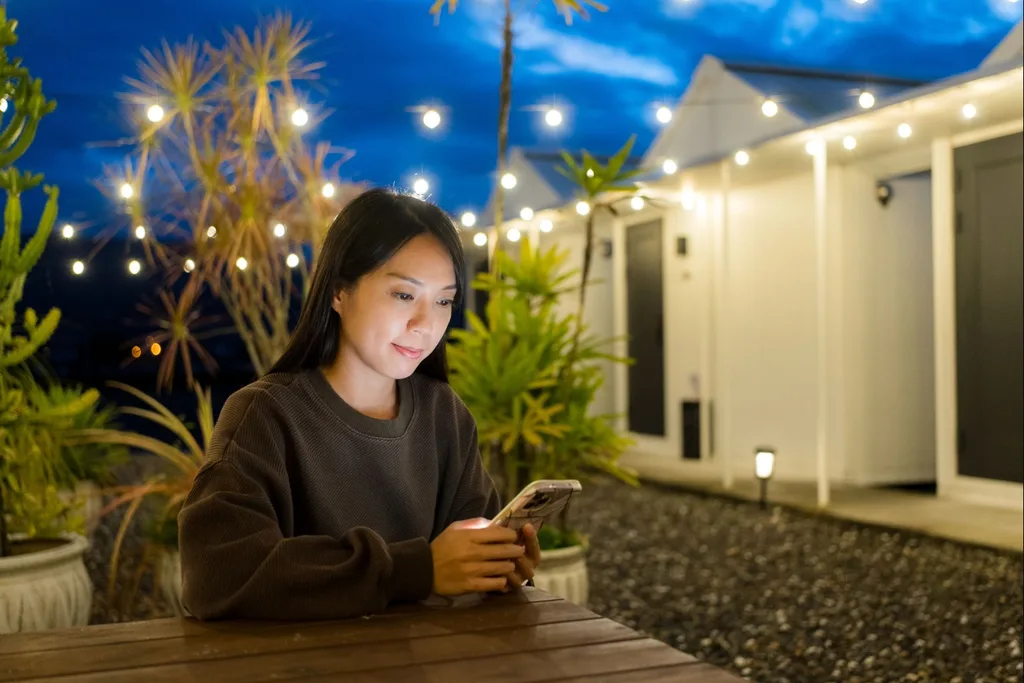
Look at your property after dark before choosing fixtures. Walk the routes you normally use, then sit in your usual patio seating and look out through the windows facing the yard. These different viewpoints can reveal very different needs.
Note the places where you want better visibility, such as a turn in a walkway, the transition from a patio to the lawn, or the route between a driveway and an entrance. Separately, note features you would like to enjoy visually, such as a garden bed or a focal planting.
Keep those two lists distinct. Lighting for movement and lighting for appearance can work together, but a decorative focal point should not distract from an important walking route.
Before planning new fixtures, also review the lighting you already use. Porch lights, patio lights, and illumination visible from inside the house should all be part of the discussion. The goal is a coordinated result, not simply more light.
Homeowners can also use DarkSky International’s Home Outdoor Lighting Assessment to evaluate existing fixtures and identify lighting that may need better shielding, positioning, or adjustment.
Assign Each Part of the Yard a Clear Purpose.
Dividing the property into a few lighting zones helps keep the project focused. You do not need a fixture at every plant or along every edge.
Walkways: make the route understandable
For a walkway, focus on the route itself, including turns, entrances, and changes in surface or elevation. Ask how fixture placement will make those transitions visible without directing light into the eyes of someone approaching.

Avoid choosing a fixed spacing pattern before the path has been assessed. The shape of the walkway, nearby plantings, and the proposed fixtures should inform the layout. A straight entrance walk and a winding garden path may need different approaches.
Patios: plan around the people using them
Think about what actually happens on your patio. Dining, conversation, and moving between the house and yard may call for different lighting priorities.
Mark the locations of tables, chairs, and frequently used doors on your sketch. Ask the installer to consider the view from a seated position, not just a standing one. A fixture that looks unobtrusive from across the yard might be uncomfortable when it faces a favorite chair.
It can also be useful to discuss separate control of patio and accent lighting so the whole landscape does not need to be illuminated every time you step outside.
Gardens: choose a focal point.
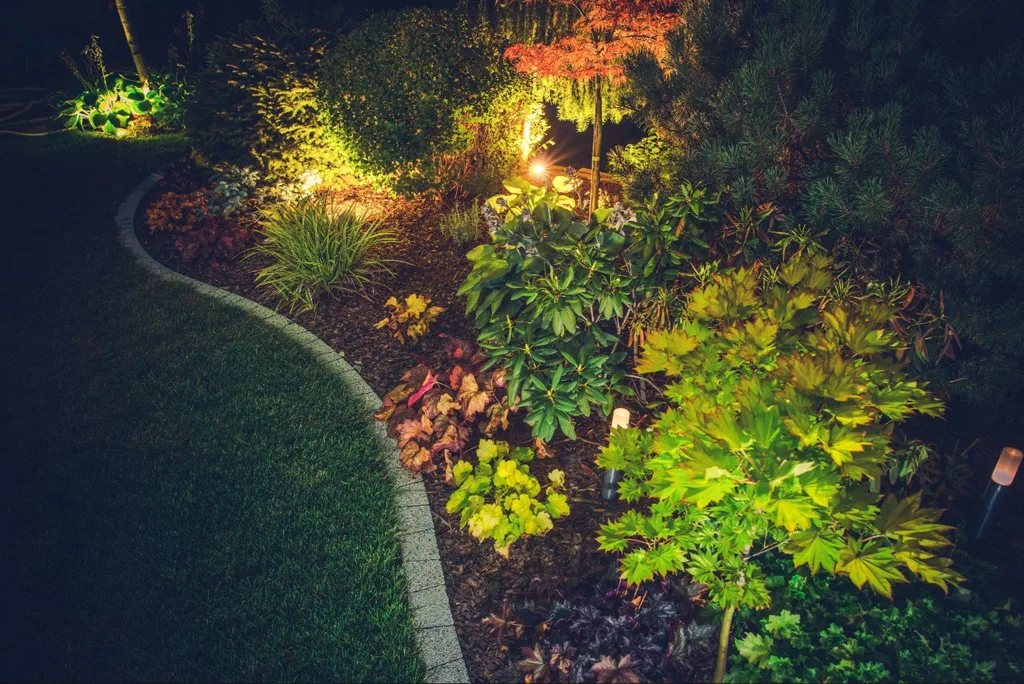
Pick a limited number of landscape elements to emphasize. Start with the feature you most want to see from the patio or inside the house, then consider whether anything else needs attention.
Leaving some areas darker can be an intentional design choice. Rather than asking to light every planting bed, describe the view you want to create. This gives the lighting discussion a clearer direction and helps avoid competing focal points.
Check glare from more than one angle
When reviewing a proposed layout, ask where the light will land and where the fixture itself will be visible. Those are different questions.
Useful viewpoints include:
- The front entrance as someone approaches the house.
- Patio chairs and outdoor dining seats.
- Interior windows overlooking the installation.
- Walkways traveled in both directions.
- Property edges facing neighboring homes.
Ask about fixture positioning, aiming, and shielding where appropriate. The objective is to illuminate the intended surface or landscape feature rather than shine into windows or across property boundaries.
If you are uncertain about the visual effect, ask how fixture choices and placement will be reviewed before the installation is finalized. Do not assume that a layout viewed on paper fully explains how the yard will feel at night.
The Five Principles for Responsible Outdoor Lighting recommend directing light only where it is needed and using shielding and careful aiming to reduce unnecessary spill light and glare.
Coordinate lighting with lawn care and irrigation.

A lighting layout needs to work during the day, too. Before installation, point out irrigation heads, lawn edges, planting beds, and the routes used for regular maintenance.
Discuss whether proposed fixture locations would interfere with mowing, edging, or access to irrigation components. For planting beds, consider how future pruning and plant growth might change the view of the lights or the surfaces they illuminate.
Florida property conditions include heat, sandy soil, heavy rainfall, and seasonal weather. Ask the installer how the proposed equipment and placement account for the conditions at your property. During planning, identify existing wet areas or irrigation concerns rather than hiding them with new planting or fixtures. s. Lighting is not a substitute for addressing those separate issues.
Fine Design offers irrigation installation and repair, landscape maintenance, and outdoor lighting as part of its landscaping services. If your project involves more than lighting, describe those needs together so we can consider them in the scope.
Plan around future patios and planting changes
Mention planned improvements before approving a lighting layout. A new paver walkway, expanded patio, or redesigned planting bed could change where fixtures belong.
For example, if you intend to replace a path, ask how lighting installation should be sequenced with the paver work. If a bed is being redesigned, review the lighting alongside the planting plan rather than treating each as a separate decision.
Fine Design also provides paver installation and landscape design. Its landscaping page lists 2D AutoCAD landscape designs, CAD drafting, and outdoor planning as free with installation. For a combined project, ask which planning services apply to your proposed installation and what the plan will include.
Bring a short brief to your lighting consultation.
You do not need a finished design to have a productive conversation. A simple sketch, a few evening photos, and a prioritized list of needs can explain the project clearly.
Include the routes you use after dark, your main seating areas, existing lights, and any landscape changes you are considering. Then ask:
- Which areas should be addressed first?
- How will the layout limit glare from seating areas and windows?
- What controls are proposed, and which areas can operate separately?
- How will fixtures remain accessible for maintenance?
- What is included in the installation scope?

For outdoor lighting in Port Charlotte, contact Fine Design to Get a Free Quote. Share how you want to use the yard after dark so the discussion starts with your property’s needs, not just a fixture list.
FAQs
-
What should I consider before installing outdoor lighting in Port Charlotte?
Before installing outdoor lighting in Port Charlotte, homeowners should consider how they use walkways, patios, entrances, gardens, and outdoor seating areas after dark. It also helps to review existing lights, irrigation, landscaping, future outdoor improvements, and areas where glare should be avoided.
-
Where should outdoor lighting be placed around a home?
Outdoor lighting can be placed along walkways, near entrances, around patios, beside selected landscape features, and in areas where better nighttime visibility is needed. Placement should be based on how the property is used rather than using the same spacing or brightness everywhere.
-
How can I reduce glare from landscape lighting?
Glare can often be reduced through proper fixture placement, aiming, and shielding. When planning outdoor lighting for Port Charlotte properties, it is important to review how lights will look from patio seating, interior windows, walkways, and neighboring properties.
-
Should outdoor lighting be planned with irrigation and landscaping?
Yes. Lighting should be coordinated with irrigation heads, lawn edges, planting beds, mowing routes, pruning needs, and future plant growth. Planning these systems together can help prevent fixtures from interfering with routine landscape maintenance.
-
Can outdoor lighting areas be controlled separately?
Yes, depending on the system. Walkways, patios, garden accents, front entrances, and backyard lighting may be arranged in separate zones so homeowners do not need to illuminate the entire property every time they use one outdoor area.
-
Who installs outdoor lighting in Port Charlotte?
Fine Design Outdoor Solutions provides outdoor lighting installation for patios, walkways, gardens, and residential landscapes in Port Charlotte and surrounding Southwest Florida communities.