
Sod soil preparation Port Charlotte: getting it right starts with understanding the ground beneath your new lawn. Before replacing existing grass, determine why the old lawn struggled, whether the soil needs attention, and how the new sod will be watered. Covering an unresolved problem with fresh grass is not a substitute for properly preparing the site.
For Port Charlotte homeowners preparing sandy soil, the goal is a clean, evenly graded planting surface with a watering plan ready before installation. That does not automatically mean adding a thick layer of topsoil or spreading fertilizer everywhere. Start with the conditions in your own yard.
1. Find out why the old lawn failed
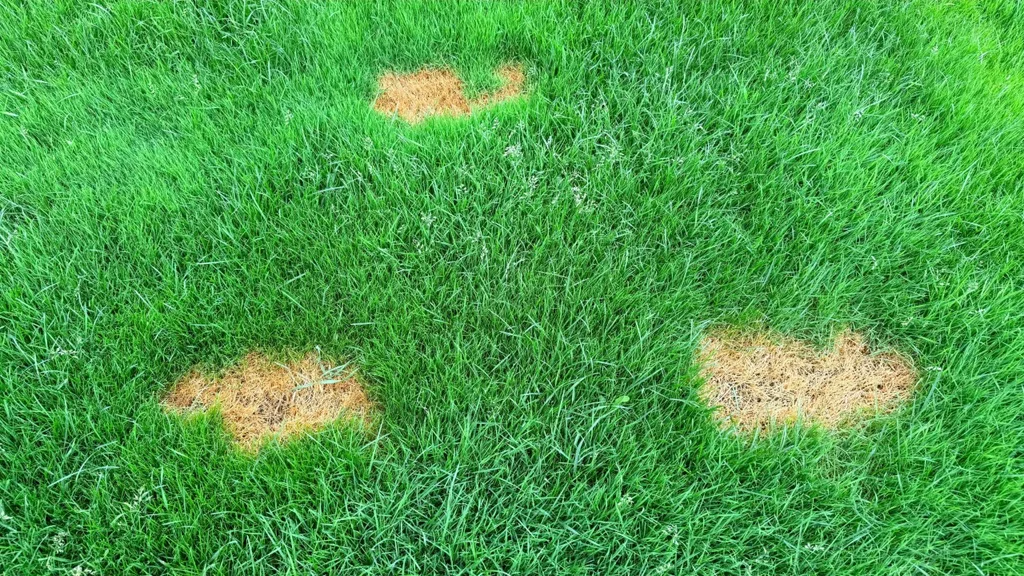
Before removing the existing grass, photograph damaged areas and note when problems appear. A lawn that deteriorates in shade needs a different plan from one damaged by traffic or uneven irrigation.
Walk the property and look for:
- Thin grass beneath trees or beside structures.
- Worn routes used by people or pets.
- Areas that stay wet after rain.
- Raised spots, depressions, or exposed roots.
- Places where sprinkler coverage appears uneven.
These observations help frame the installation plan; they do not establish a diagnosis on their own. Discuss recurring problems before choosing replacement sod. Where grass has repeatedly struggled, ask whether a revised bed edge, walkway, or landscape layout would make more sense than another patch of lawn.
Fine Design Outdoor Solutions offers sod installation and lawn replacement, along with irrigation installation and repair and landscape design through its landscaping services.
2. Test the soil before choosing amendments
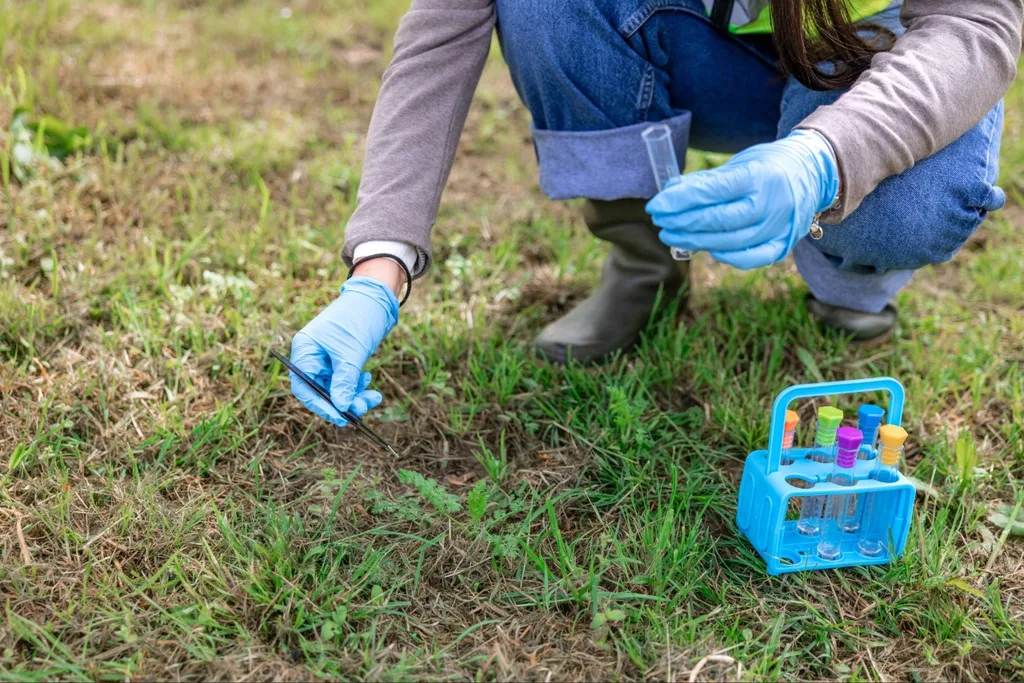
Sandy soil alone is not enough information to select a fertilizer or soil amendment. A soil test can help guide decisions about pH and nutrients instead of relying on appearance or guesswork.
UF/IFAS guidance on preparing a Florida lawn recommends obtaining a soil analysis before planting so decisions about soil pH, lime, and nutrients can be based on actual site conditions.
Follow the testing provider’s sampling instructions. If parts of the yard have different histories—for example, an established lawn and an area previously used as a planting bed—ask whether they should be sampled separately.
Before buying materials, clarify:
- Which grass type is being considered?
- What does the soil test recommend for that grass?
- Is an amendment needed, or is surface preparation the main issue?
- How will added material affect the finished lawn height?
Avoid treating lime, fertilizer, compost, or bagged lawn soil as automatic requirements. Any recommendation should account for the site and the selected sod, not just the fact that the soil is sandy.
3. Remove old vegetation and debris
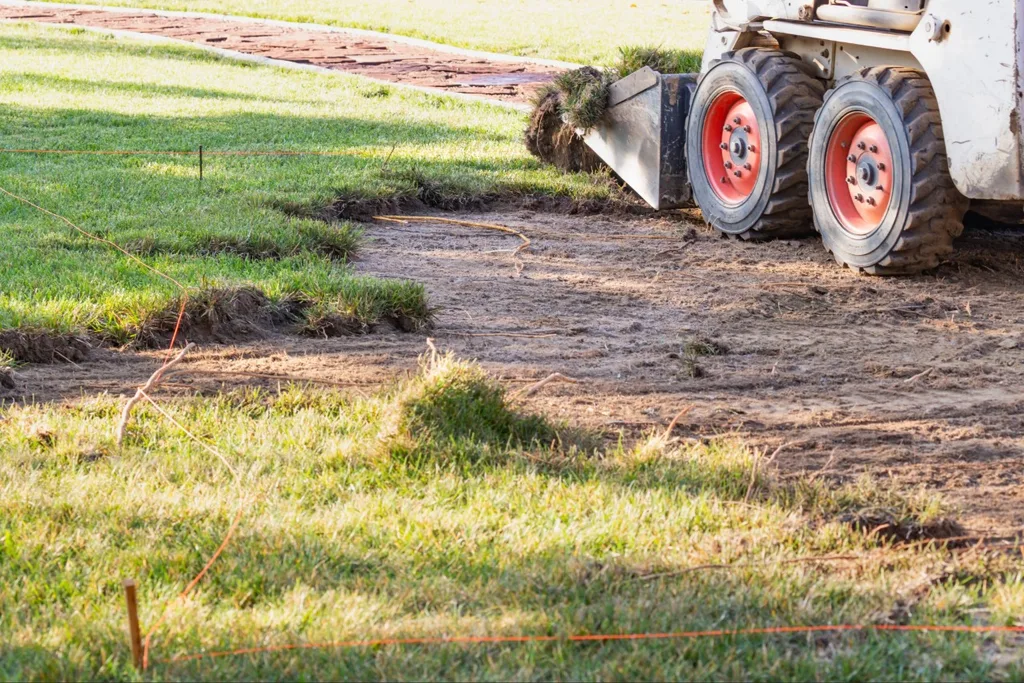
New sod needs contact with prepared soil. Do not plan to lay it over an intact lawn, thick dead vegetation, mulch, or construction debris.
Agree with the installer on how existing grass and weeds will be removed and what cleanup is included. Identify visible stones, buried edging, abandoned landscape materials, and other obstacles that could interfere with preparation.
If a vegetation-control product is proposed, its label must permit the intended use, and any waiting period before sodding must be followed. Do not assume every product is compatible with immediate installation.
Mark sprinkler heads and other known landscape components before work begins. Confirm how underground utilities will be located before excavation or mechanical soil preparation. Around established trees, ask how the work will avoid unnecessary root disturbance or changes to soil depth.
4. Address compaction without overworking the yard
A sandy surface does not rule out compacted areas. Pay particular attention to places used for parking, construction access, or repeated foot traffic.
Ask the installer whether those areas need loosening and how deep preparation should go. The appropriate method depends on site conditions, nearby roots, irrigation lines, and other buried infrastructure.
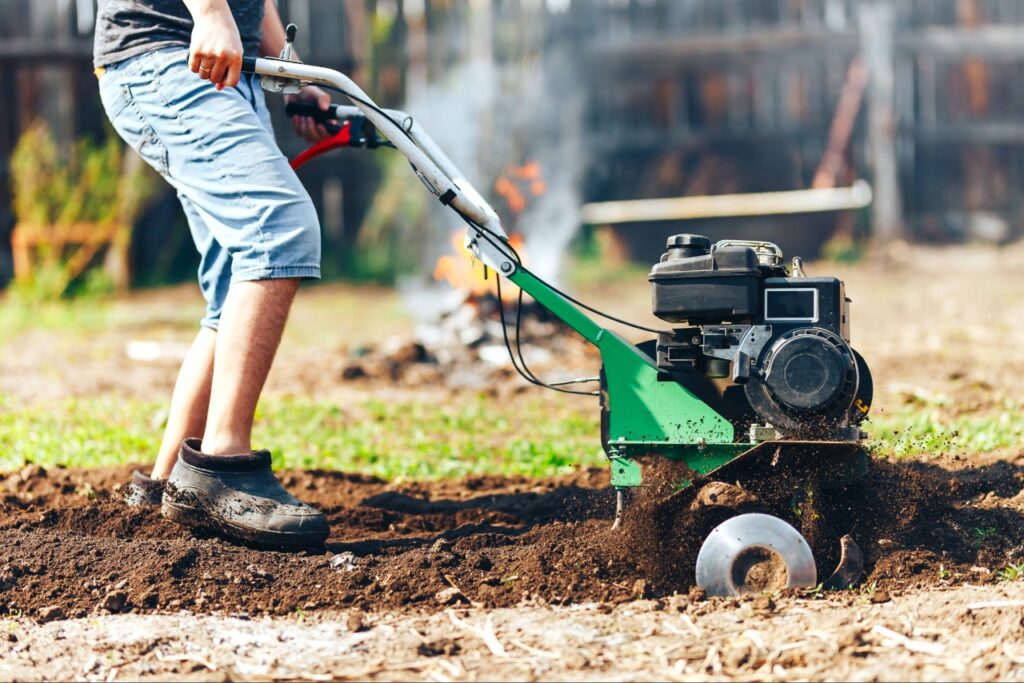
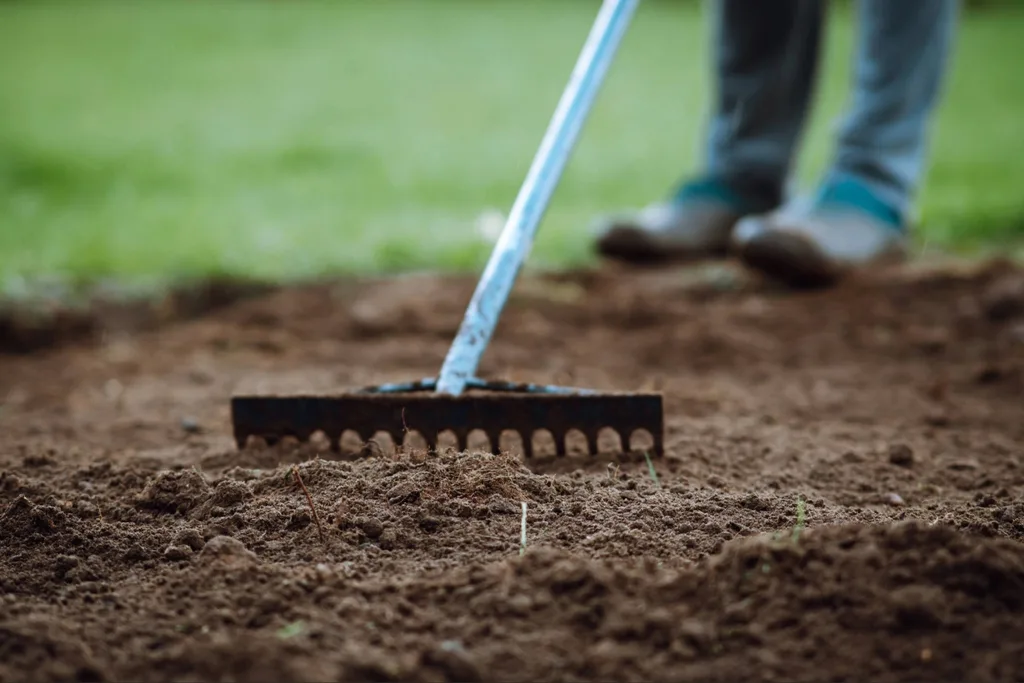
Do not assume the entire yard needs aggressive tilling. The aim is a suitable rooting surface, not deeply churned soil everywhere. After preparation, the surface should be settled and even enough to support installation without leaving deep footprints or hidden soft spots.
5. Check grading and finished height
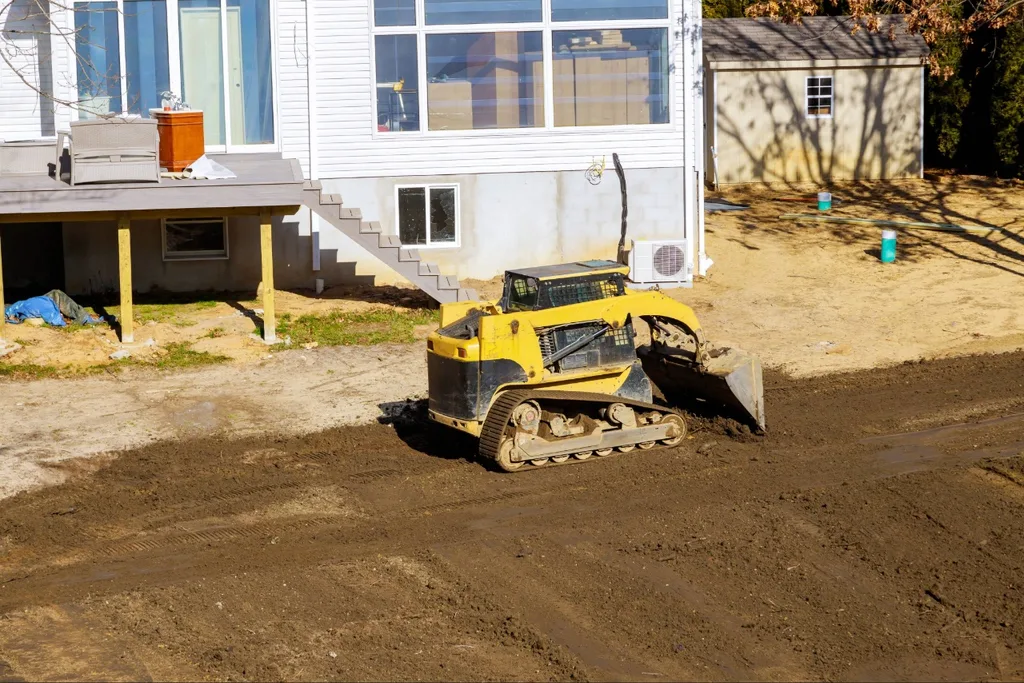
Before sod arrives, review the yard’s shape in relation to the house, driveway, patio, walkways, and planting beds. Account for the thickness of the sod itself when setting the soil level beside hard surfaces.
Point out low areas and places where rainwater collects. Photos taken after rainfall can make that discussion more useful than a dry-weather walkthrough alone.
Fresh sod should not be treated as a fix for persistent standing water. Ask whether the proposed preparation addresses the underlying site condition or whether a separate assessment is needed. Do not assume a sod installation quote includes drainage work.
Likewise, avoid adding soil against the house or over exposed tree roots simply to create a smoother-looking lawn. Resolve those transitions in the plan before materials are placed.
6. Make irrigation ready before delivery
The first irrigation check should happen before installation, not after the sod is on the ground. Run the system and look for heads that fail to rise, spray onto pavement, or miss portions of the replacement area.
Confirm that the new lawn layout matches the irrigation coverage. Changed bed lines, enlarged patios, and relocated lawn edges may require adjustments.

Homeowners can also review UF/IFAS guidance on establishing a Florida lawn for information about site preparation, sod installation, and irrigation during establishment.
Ask for establishment instructions specific to the sod, installation timing, and actual site conditions. Avoid relying on a fixed watering schedule copied from another lawn. Heat, rainfall, shade, and soil conditions all matter when deciding whether watering needs adjustment. Check applicable local watering requirements as part of the plan.
Before installation day: confirm the handoff
A useful preparation plan should answer four questions:
- Who removes the old lawn and prepares the soil?
- Which materials, if any, will be added, and why?
- Who checks grading and irrigation before installation?
- Who provides watering, mowing, and traffic guidance afterward?
Keep pets, furniture, and routine foot traffic off the work area during preparation. Arrange access for the installation crew and make sure the watering system will be available when needed.
To discuss sod installation and lawn replacement with Fine Design Outdoor Solutions in Port Charlotte, Get a Free Quote.
Frequently asked questions
-
Do I need topsoil before laying sod on sandy soil?
Not automatically. Base that decision on the existing soil, test results, grading, and the selected grass. Added material also changes the finished height, so decide on it before final surface preparation.
-
Can new sod go directly over my old grass?
Plan to remove the existing vegetation and prepare the soil rather than covering an intact lawn. Confirm the removal method and cleanup scope with the installer.
-
Should I fertilize before the sod is installed?
Do not apply fertilizer by default. Ask for guidance based on soil testing, the grass selected, and the establishment plan. Follow product directions and applicable local requirements.
-
What if the yard holds water after heavy rain?
Document where water collects and discuss it before installation. New sod does not resolve an underlying grading or drainage problem; a separate assessment may be necessary.