

Why Florida Rain and Humidity Can Increase Pest Activity
Florida rain and humidity can make pests a bigger concern for homeowners when wet weather changes the conditions around a property. Heavy rainfall can create standing water, increase outdoor moisture, and temporarily push some insects toward drier or more sheltered locations.
Florida’s warm climate already supports substantial pest activity throughout much of the year. When rainfall and humidity are added to the equation, homeowners may notice more mosquitoes, ants, cockroaches, termites, and other pests around their homes.
That doesn’t mean every pest sighting after a rainstorm indicates an infestation.
In many cases, rainfall simply changes where pests are moving and where they can find food, water, and shelter.
The important question is whether your property is providing conditions that make it easier for pests to remain nearby or enter the home.
UF/IFAS recommends an integrated approach to pest management that includes reducing food, water, and shelter sources while also preventing pests from entering structures.
Why Rain Changes Pest Behavior
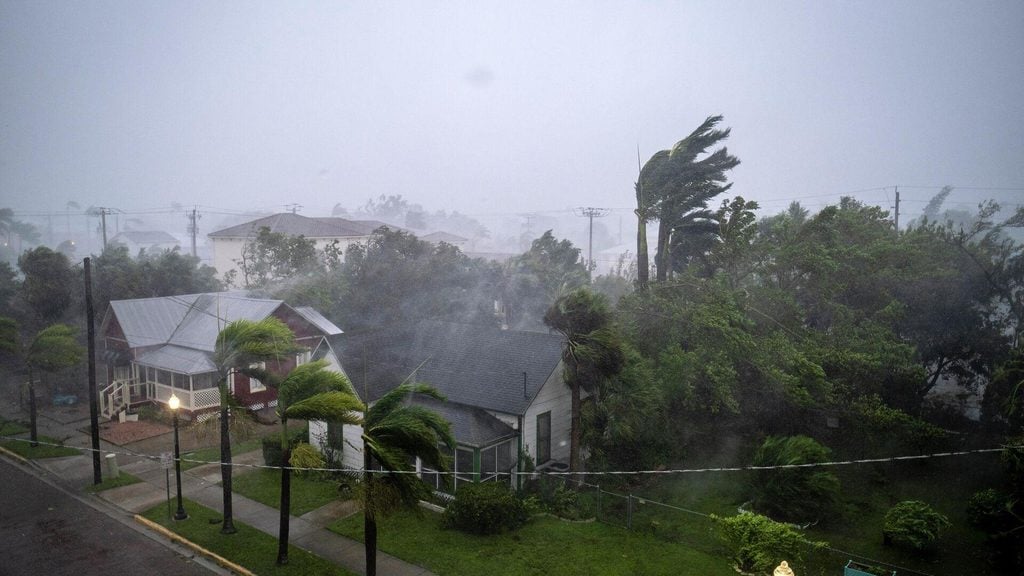
These changing conditions can make Florida rain and humidity pests more noticeable around doors, windows, garages, patios, and other areas where the home meets the landscape.
Rain can dramatically change the outdoor environment.
Soil becomes wetter, low areas can collect water, vegetation becomes damp, and underground or enclosed pest habitats can become less suitable.
Some insects respond by moving to areas where conditions are more favorable.
UF/IFAS experts note that flooding and heavy rainfall can cause insects and other pests to move toward higher, drier areas.
For a homeowner, that can mean seeing more pest activity around the following:
- Doors
- Windows
- Garages
- Patios
- Pool areas
- Lanai screens
- Exterior walls
- Utility entrances
The pests aren’t necessarily “invading” because the home suddenly became attractive.
Sometimes the surrounding environment simply became temporarily less comfortable.
However, if the property offers easy access to food, moisture, shelter, or entry points, those temporary movements can turn into an indoor pest problem.
Humidity Creates Favorable Conditions for Some Pests
Understanding how Florida rain and humidity pests respond to moisture can help homeowners focus on prevention instead of reacting only after these pests enter the home.
Florida’s humidity isn’t something homeowners can eliminate.
But unnecessary moisture around the property can often be reduced.
High humidity combined with leaks, standing water, wet organic material, poor drainage, or dense vegetation can create favorable conditions for certain pests.
UF/IFAS explains that moisture management is an important component of preventing pest problems around structures.
Look for moisture sources such as the following:
- Leaking outdoor faucets
- Irrigation overspray
- Clogged gutters
- Poorly positioned downspouts
- Air-conditioning condensate
- Plumbing leaks
- Standing water
- Overwatered landscape beds
- Poor drainage
You don’t need to make the property completely dry.
Instead, focus on eliminating unnecessary and persistent moisture, especially directly beside the house.
Which Pests Can Become More Noticeable After Rain?
Several common household pests can respond to the environmental changes associated with Florida rain and humidity. Pests, although each species reacts differently to rainfall and moisture.
Different pests respond to wet conditions differently.
Mosquitoes
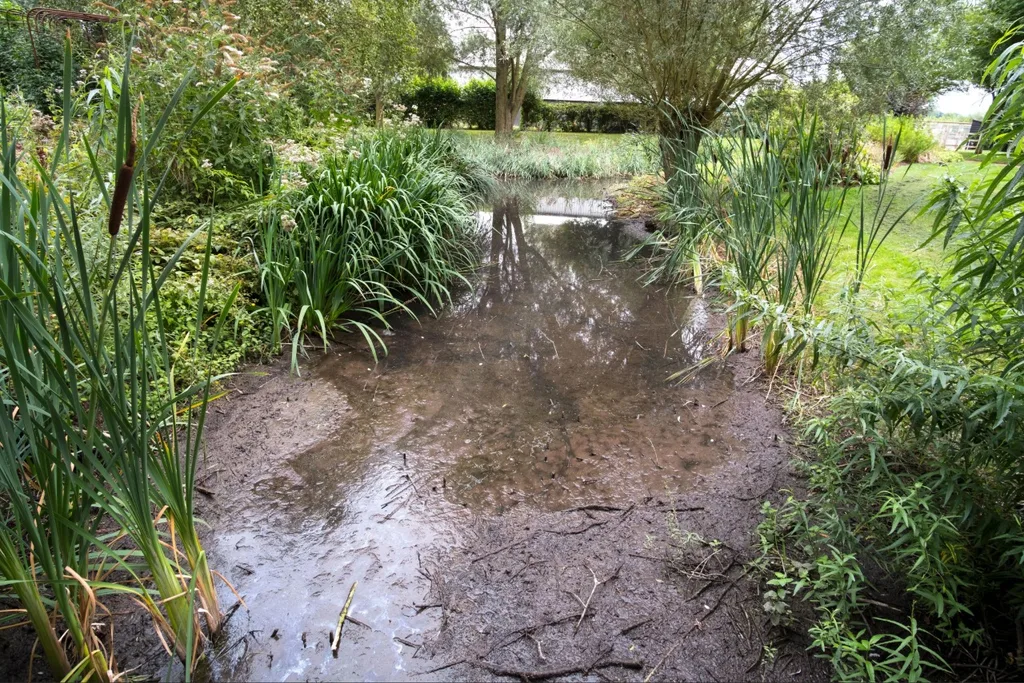
Mosquitoes are one of the most important Florida rain and humidity pests to watch because rainfall can quickly create new breeding sites.
Mosquitoes are one of the most obvious concerns because rainfall can create breeding sites.
Water can collect in tiny containers around a property, including the following:
- Plant saucers
- Buckets
- Tires
- Children’s toys
- Trash containers
- Tarps
- Gutters
- Birdbaths
UF/IFAS recommends eliminating standing water and managing water-holding containers around homes as part of mosquito prevention.
A large pond isn’t necessary.
Even small amounts of standing water can become relevant to mosquito control.
Cockroaches
Cockroaches can also become more noticeable among Florida’s rain and humidity pests when outdoor conditions provide abundant moisture and shelter.
Cockroaches are another pest homeowners may notice around damp areas.
Florida’s warm environment already provides suitable conditions for several cockroach species. Outdoor harborage can include leaf litter, mulch, vegetation, tree holes, and other sheltered areas.
UF/IFAS notes that cockroaches can live in various outdoor habitats before entering structures.
Heavy rain can change those outdoor conditions and potentially cause increased movement.
This scenario makes outdoor sanitation and moisture management important parts of prevention.
Ants
Ants are another group of Florida rain and humidity pests whose activity can change when rainfall alters soil and outdoor conditions.
Ant activity can also change after periods of rainfall.
Ant colonies need suitable conditions for survival, and changes in soil moisture can affect where ants forage and where they establish activity.
Branches and vegetation can also provide routes from the landscape to the structure.
UF/IFAS recommends keeping vegetation and branches from contacting the home because they can provide pathways for ants and other pests.
Termites
Termites deserve particular attention because moisture and wood are important components of their environment.
However, homeowners shouldn’t assume that humidity causes every termite sighting after rain.
Termite prevention requires a broader approach involving moisture management, inspection, structural conditions, and eliminating or reducing potential access points.
If you see mud tubes, discarded wings, damaged wood, or other suspicious signs, professional evaluation is appropriate.
Rodents
Rain can also affect rodents.
When outdoor conditions become unfavorable, rodents may seek shelter in garages, sheds, attics, crawl spaces, and other protected locations.
Keeping potential entry points sealed and eliminating accessible food sources can help reduce opportunities for rodents to enter.
9 Ways to Reduce Florida Rain and Humidity Pest Problems
These steps can help reduce the conditions that attract Florida rain and humidity pests to and around your property.
Rain itself isn’t something homeowners can control.
But many of the conditions created around the property can be managed.
The following nine steps can help reduce the opportunities that pests have.
1. Remove Standing Water
The first step after heavy rainfall is to inspect the property for standing water.
Walk around the entire yard and look for containers or low areas where water has collected.
Pay attention to:
- Plant pots
- Saucers
- Buckets
- Toys
- Tires
- Tarps
- Gutters
- Outdoor equipment
- Decorative containers
Empty anything that can be safely emptied.
For larger or persistent water problems, determine why the water isn’t draining rather than simply removing it each time it rains.
2. Check Gutters and Downspouts
Gutters can become clogged with leaves and other debris.
When that happens, rainwater may overflow directly beside the home.
Downspouts should also discharge water away from the structure rather than creating a wet area directly beside the foundation.
UF/IFAS recommends directing downspouts and air-conditioning drainage away from structures to reduce moisture around the foundation.
We’ll cover gutters and downspouts in more detail in Part 2.
3. Trim Vegetation Away From the House
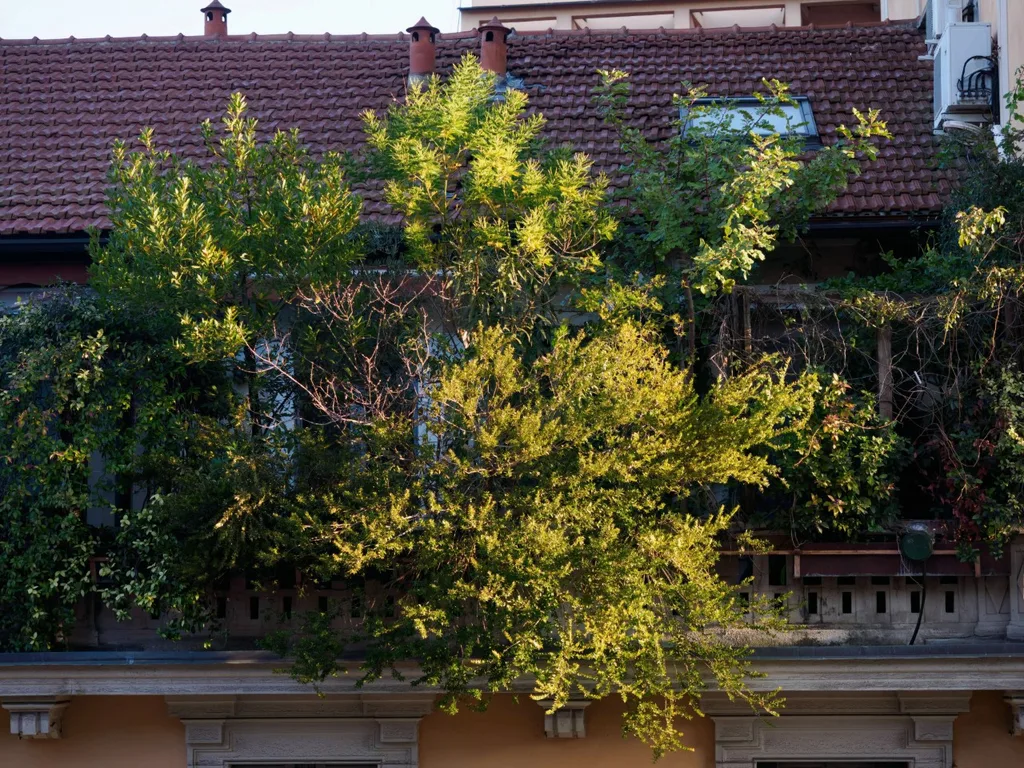
Trees, shrubs, vines, and other vegetation can provide shelter and pathways for pests.
Branches that touch the roof or walls can create a direct route from the landscape to the structure.
Keep vegetation appropriately trimmed around:
- Rooflines
- Windows
- Doors
- Exterior walls
- Utility entrances
- HVAC equipment
The goal isn’t to remove landscaping.
It’s to maintain enough separation that plants don’t become a bridge for pests.
4. Fix Outdoor Water Leaks
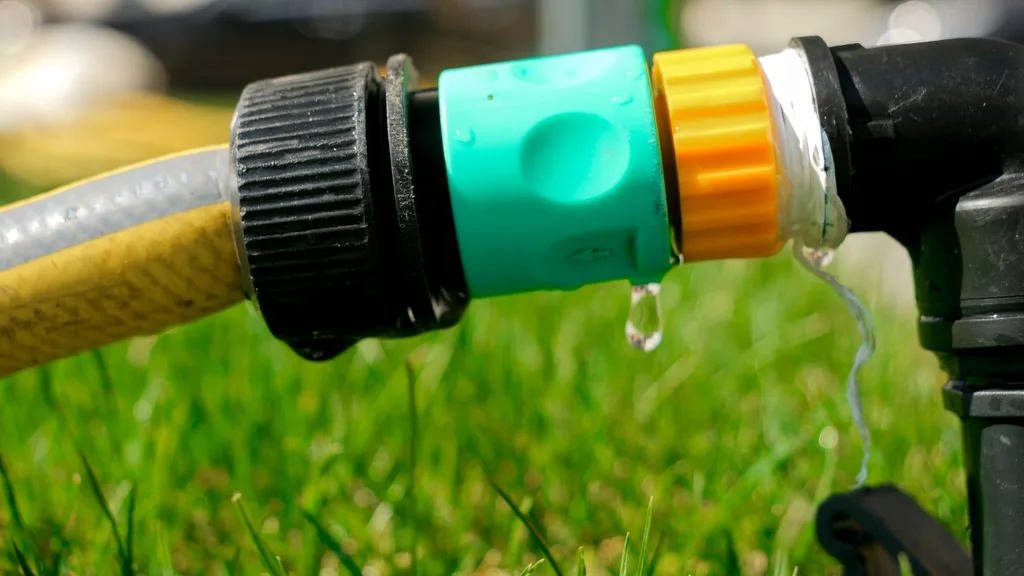
A dripping outdoor faucet may seem insignificant.
Over time, however, it can keep the surrounding soil unnecessarily wet.
Inspect:
- Hose bibs
- Garden hoses
- Irrigation connections
- Sprinkler heads
- Outdoor sinks
- Pool equipment
- Irrigation pipes
Fixing leaks can reduce unnecessary moisture and may also prevent water waste.
What Homeowners Should Remember
Florida rain isn’t the enemy.
Rain is essential for the landscape and ecosystem.
The problem occurs when rainfall combines with poor drainage, standing water, excessive moisture, dense vegetation, food sources, and accessible entry points.
Those conditions can make it easier for pests to remain close to the home.
A proactive approach is therefore more useful than waiting until insects become a noticeable indoor problem.
Florida’s rain and humidity can create conditions that make pest activity more noticeable around residential properties. Moisture, standing water, dense vegetation, and sheltered areas can provide pests with food, breeding sites, or places to hide.
Heavy rainfall can also temporarily change pest behavior. UF/IFAS notes that flooding and heavy rains can cause insects and other pests to move toward higher, drier areas.
That means homeowners shouldn’t only think about pest prevention during rainy periods. What you do before and after significant rainfall can also make a difference.
5. Keep Gutters and Downspouts Clear
Your roof drainage system plays an important role in managing moisture around the property.
When gutters become clogged with leaves and other debris, they can cause water to overflow instead of directing it away from the house. Downspouts can also create problems if they discharge water directly beside the foundation.
UF/IFAS recommends directing downspouts and air-conditioning drainage lines away from the house to prevent water from pooling near the foundation and creating conditions that can encourage pests.
After heavy rain, check the following:
- Gutters
- Downspouts
- Drainage outlets
- Areas around the foundation
- Low spots near the house
- Areas beneath outdoor air-conditioning equipment
You don’t necessarily need to eliminate every damp area from your property. The goal is to prevent unnecessary moisture from accumulating directly around the home.
6. Eliminate Standing Water After Heavy Rain
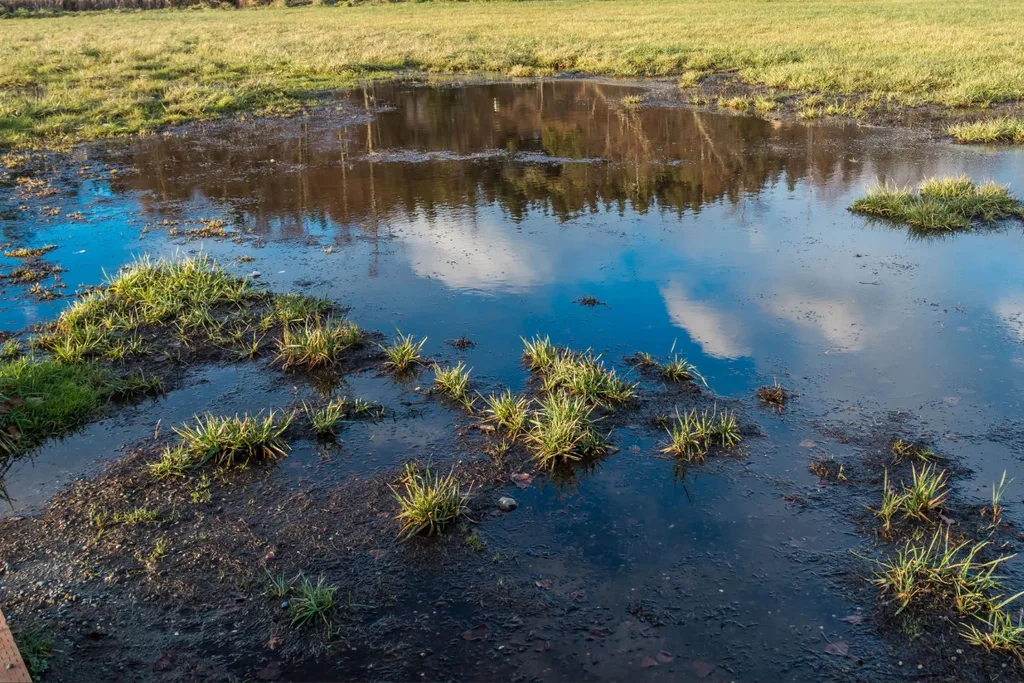
Standing water is one of the most important things to check after rainfall.
Mosquitoes don’t require a large pond or flooded yard to reproduce. Small containers can provide enough water for mosquito development.
UF/IFAS recommends eliminating water-holding containers around homes, including buckets, plant saucers, tires, bottles, and other items that collect rainwater.
Walk around your property after a significant rain and look for:
- Plant saucers
- Buckets
- Children’s toys
- Tires
- Trash containers
- Birdbaths
- Uncovered containers
- Tarps
- Outdoor equipment
- Clogged drains
- Tree holes
- Water-holding plants
Even tiny amounts of standing water can become relevant to mosquito control.
UF/IFAS specifically notes that some mosquitoes can breed in surprisingly small water-holding spaces.
Don’t Forget Containers That Are Supposed to Hold Water
Some landscape features are intentionally designed to contain water.
If you have a birdbath, fountain, rain barrel, or ornamental water feature, it needs to be maintained appropriately.
For example, UF/IFAS recommends regularly refreshing birdbath water and using appropriate covers or screening on rain barrels to prevent mosquitoes from accessing the water.
7. Keep Landscaping From Creating a Pest Highway
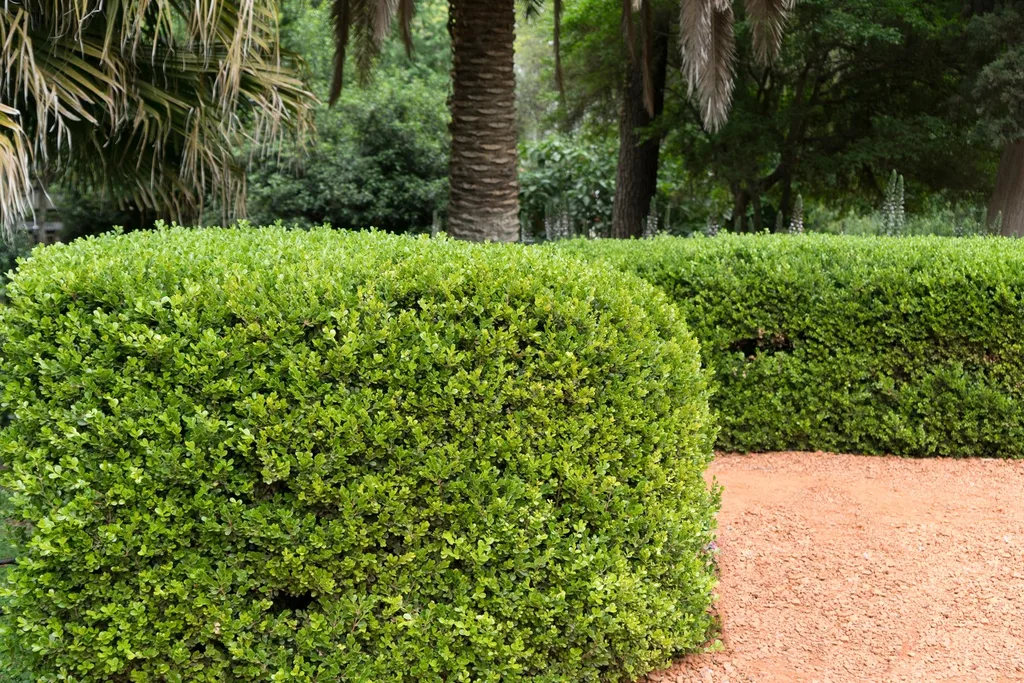
Your landscaping can either help or hurt your pest-prevention efforts.
Trees and shrubs that touch your house can provide pests with a convenient route onto the structure.
UF/IFAS specifically recommends pruning branches away from the house because rodents, ants, and termites can use vegetation as a bridge to gain access.
Dense vegetation can also create shaded, sheltered, and humid areas where pests can hide.
This doesn’t mean Florida homeowners should remove their landscaping.
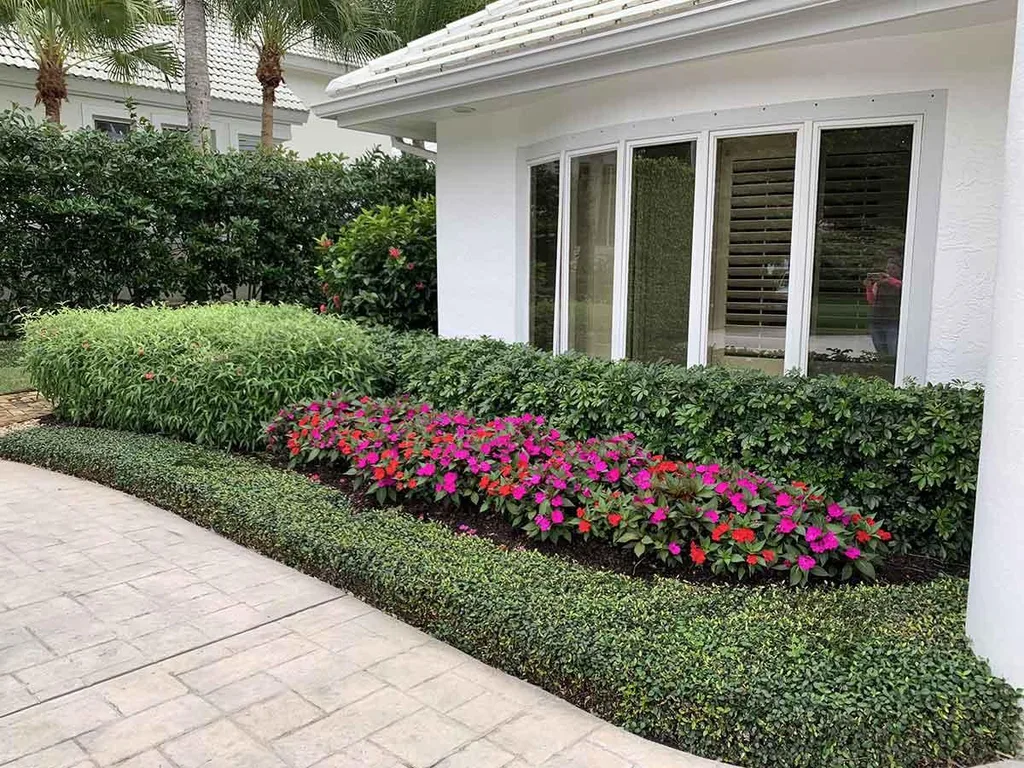
Instead, focus on strategic spacing and maintenance.
Pay attention to:
- Tree branches touching the roof
- Shrubs touching exterior walls
- Vines growing against the structure
- Dense vegetation around doors
- Overgrown plants beside windows
- Fallen palm fronds
- Thick piles of landscape debris
UF/IFAS also recommends appropriate plant spacing and pruning because dense plantings can provide hiding and breeding areas for pests.
8. Reduce Moisture Around the Foundation
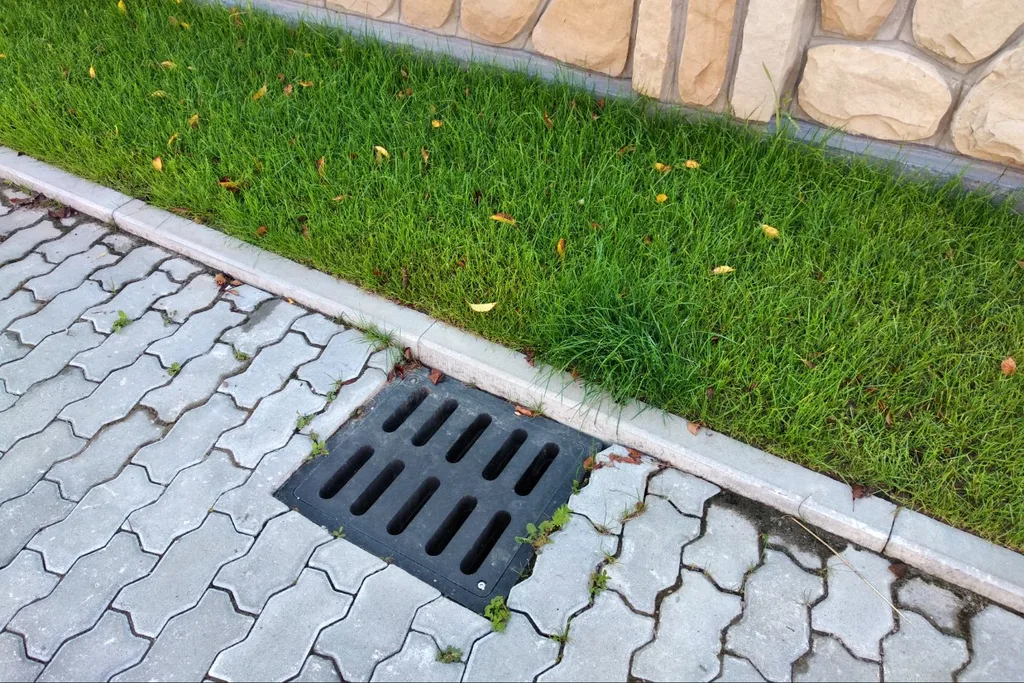
Humidity is unavoidable in Florida.
You can’t eliminate the region’s humidity, but you can control many of the unnecessary moisture sources around your property.
UF/IFAS identifies moisture as a condition that can encourage pest infestations and recommends keeping irrigation from spraying directly against the walls of the home.
Check whether:
- Sprinklers are spraying the exterior walls
- Outdoor faucets are leaking
- A hose connection is dripping
- Air-conditioning condensate is pooling
- Downspouts discharge beside the house
- Low areas remain wet after rainfall
- Mulch stays excessively damp against the structure
Small plumbing or irrigation problems can become more significant when combined with Florida’s naturally humid environment.
Don’t Overwater the Landscape
More water isn’t necessarily better for plants.
Excess irrigation can contribute to persistent moisture around the house, particularly when sprinklers are poorly positioned.
Adjusting sprinkler heads so they water the landscape rather than the walls, windows, doors, or foundation can help reduce unnecessary moisture.
9. Remove Outdoor Debris and Pest Harborage
Rain and humidity can make piles of organic material especially attractive to pests.
Leaves, fallen branches, palm debris, discarded containers, and other materials can provide shelter.
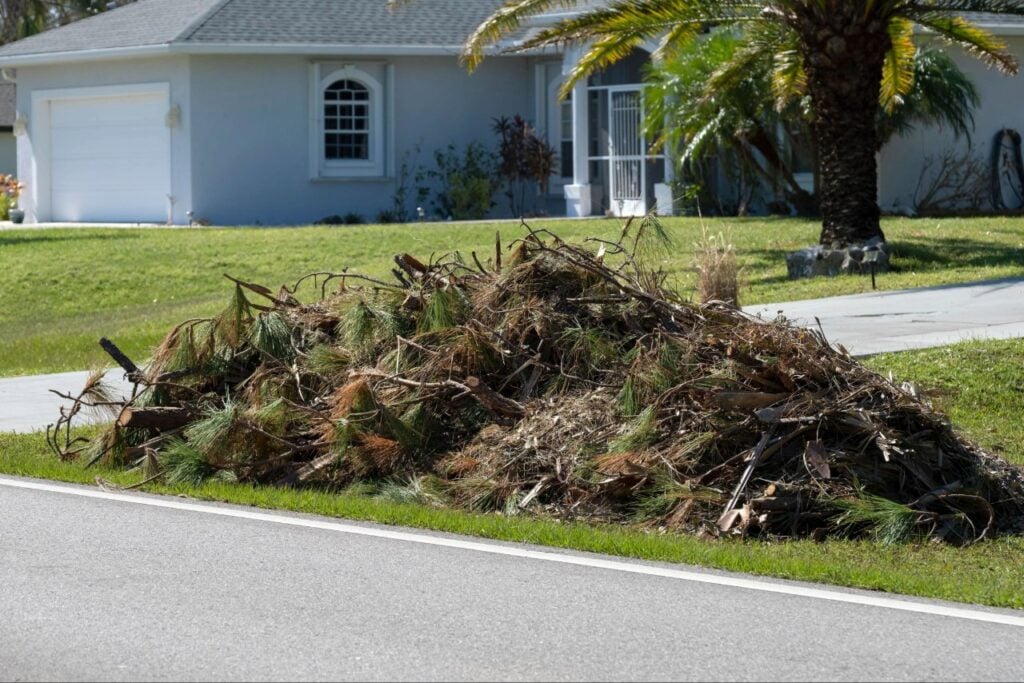
UF/IFAS recommends removing debris where pests can harbor and breed and keeping certain materials, such as firewood, landscape timbers, and wooden pallets, away from the home.
Pay particular attention to:
- Fallen palm fronds
- Leaf piles
- Wood piles
- Landscape timbers
- Cardboard
- Old containers
- Unused pots
- Yard debris
- Overgrown vegetation
Cockroaches, for example, can live outdoors in leaf litter, mulch, vegetation, tree holes, and palm trees before entering a home.
This is why simply spraying for pests without addressing outdoor harborage can sometimes provide only temporary results.
Why Cockroaches May Become More Noticeable After Rain
Cockroaches are one example of a pest that can be associated with warm, damp environments.
UF/IFAS explains that several cockroach species prefer damp, warm locations and can develop in areas such as garages, sewers, attics, and outdoor habitats before entering homes.
Outdoor cockroach habitats can include the following:
- Leaf litter
- Mulch
- Vegetation
- Tree holes
- Palm trees
This phenomenon is another reason outdoor landscape maintenance belongs in a Florida pest-prevention strategy.
Reducing moisture and harborage around the structure doesn’t guarantee cockroaches won’t appear, but it can reduce conditions that make the property attractive to them.
Why Ants May Move Toward Your Home
Rain can also change where ants are active.
When outdoor conditions become unfavorable, ants may search for alternative shelter and food sources. Landscaping can also provide routes toward the structure.
UF/IFAS explains that ants can use branches touching the home as bridges, while some plants can attract sap-feeding insects whose honeydew can attract ants.
That means ant prevention isn’t simply about treating an ant trail inside your kitchen.
Look at the landscape around the house too.
Ask:
- Are branches touching the structure?
- Are shrubs heavily overgrown?
- Are aphids or other sap-feeding insects present?
- Is irrigation creating wet areas?
- Are there cracks around doors and windows?
- Is food or pet food accessible?
Addressing these conditions can form part of an integrated pest management approach.
What to Do After a Heavy Florida Rain
After significant rainfall, take a few minutes to inspect the property.
Quick Post-Rain Pest Check
1. Walk the perimeter.
Look for standing water and areas where drainage has failed.
2. Empty water-holding containers.
Check pots, buckets, toys, tires, and other objects.
3. Inspect gutters.
Inspect gutters. Ensure water can flow freely.
4. Inspect downspouts.
Confirm that water is being directed away from the structure.
5. Inspect landscaping.
Look for branches touching the home and dense vegetation near entry points.
6. Inspect doors and windows.
Look for visible gaps or damaged screens.
7. Check for leaks.
Inspect outdoor faucets, hoses, irrigation equipment, and other water sources.
8. Remove debris.
Clear fallen branches, palm fronds, leaves, and other potential harborage.
These simple inspections can make Florida’s rain and humidity pests easier to manage before they become a larger household problem.
Seal the Places Where Pests Can Get Inside
Even if you maintain the yard perfectly, pests can still find their way indoors if the home has accessible entry points.
Small gaps around doors, windows, utility lines, vents, pipes, and other openings can provide access to insects and rodents.
UF/IFAS recommends sealing cracks and openings around the structure as part of an integrated approach to pest management.
Pay particular attention to areas where:
- Pipes enter exterior walls
- Utility cables enter the home
- Doors don’t seal tightly
- Window screens are damaged
- Garage doors leave visible gaps
- Vents lack appropriate screening
- Exterior cracks are visible
- Weatherstripping has deteriorated
Don’t Ignore the Garage
Garages can be particularly vulnerable because they frequently connect directly to the house while also providing access to the outdoors.
Keep garage doors properly sealed and avoid leaving them open unnecessarily.
Boxes, bags, stored landscaping materials, and other items brought in from outside should also be checked before being stored indoors.
Make the Kitchen Less Attractive to Pests
Rain and humidity aren’t the only reasons pests enter homes.
Food is another major attraction.
Even a well-maintained home can become appealing to insects when food crumbs, spills, pet food, or garbage are readily available.
Simple habits can make a difference:
- Clean food spills promptly
- Wipe counters regularly
- Store food in sealed containers
- Keep pet food containers closed
- Empty garbage regularly
- Clean beneath appliances
- Don’t leave dirty dishes overnight
- Keep pantry areas organized
This is particularly important during periods when Florida rain and humidity cause pests to already be seeking shelter indoors.
Keep Bathrooms and Laundry Areas Dry
Bathrooms, laundry rooms, kitchens, and utility areas naturally contain more moisture than other parts of the home.
That makes them worth inspecting regularly.
Look for:
- Dripping faucets
- Leaking pipes
- Damaged caulking
- Water around toilets
- Condensation
- Damp cabinets
- Slow drains
- Washing-machine leaks
A small plumbing leak may not seem significant, but persistent moisture can contribute to conditions that pests find favorable.
Fixing the moisture source is generally more useful than simply treating the pest activity that develops around it.
Pay Attention to Your Pool and Outdoor Living Areas
Florida homes often have pools, lanais, patios, outdoor kitchens, and other living spaces.
These areas can create additional opportunities for moisture and pest activity.
Check around:
- Pool equipment
- Outdoor refrigerators
- Grills
- Sinks
- Outdoor faucets
- Drainage areas
- Patio furniture
- Pool covers
- Decorative water features
Decorative water features should ensure water isn’t unnecessarily accumulating around these areas.
Outdoor kitchens should receive particular attention because food residue and garbage can attract insects.
What About Mosquitoes?
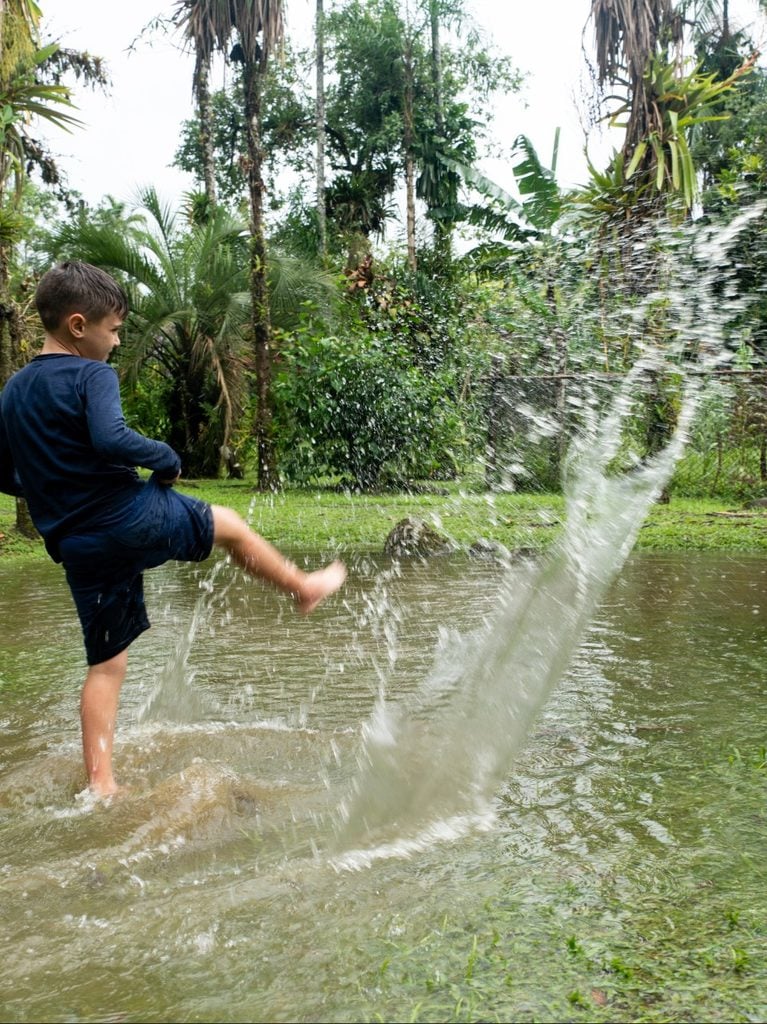
Mosquito prevention deserves special attention because rainfall can quickly create new breeding opportunities.
Mosquitoes can develop in surprisingly small amounts of standing water.
That means homeowners shouldn’t only inspect obvious ponds or flooded areas.
Check smaller items such as:
- Plant saucers
- Buckets
- Toys
- Tires
- Tarps
- Gutters
- Birdbaths
- Uncovered containers
UF/IFAS recommends eliminating standing water where possible and maintaining water-holding features to prevent mosquito development.
For larger properties, mosquito management may require a broader strategy that considers drainage, vegetation, standing water, and surrounding environmental conditions.
What About Termites?
Humidity and moisture management are also relevant to termite prevention.
However, homeowners should be careful not to assume that rain is the only cause of every increase in termite activity.
Termites have specific biological and environmental requirements, and prevention involves more than keeping the yard dry.
UF/IFAS recommends reducing moisture problems around structures, correcting plumbing leaks, maintaining appropriate drainage, and keeping wood and other potential food sources away from the foundation.
Homeowners should also avoid allowing soil, mulch, wood, or vegetation to obscure areas where the foundation can be inspected.
If you notice mud tubes, discarded wings, damaged wood, or other suspicious signs, professional evaluation is appropriate.
When Rain Doesn’t Mean You Have a Pest Infestation
This is an important distinction.
Seeing insects outside after rain doesn’t automatically mean you have an infestation.
Florida naturally has abundant insect activity.
Rain can simply make pests more visible or temporarily change where they’re moving.
The goal of pest prevention isn’t to eliminate every insect from your property.
Instead, the goal is to:
- Reduce unnecessary pest attractants
- Limit access to the home
- Manage moisture
- Remove standing water
- Reduce outdoor harborage
- Address conditions that encourage pest activity
That approach is more realistic and sustainable for Florida homeowners.
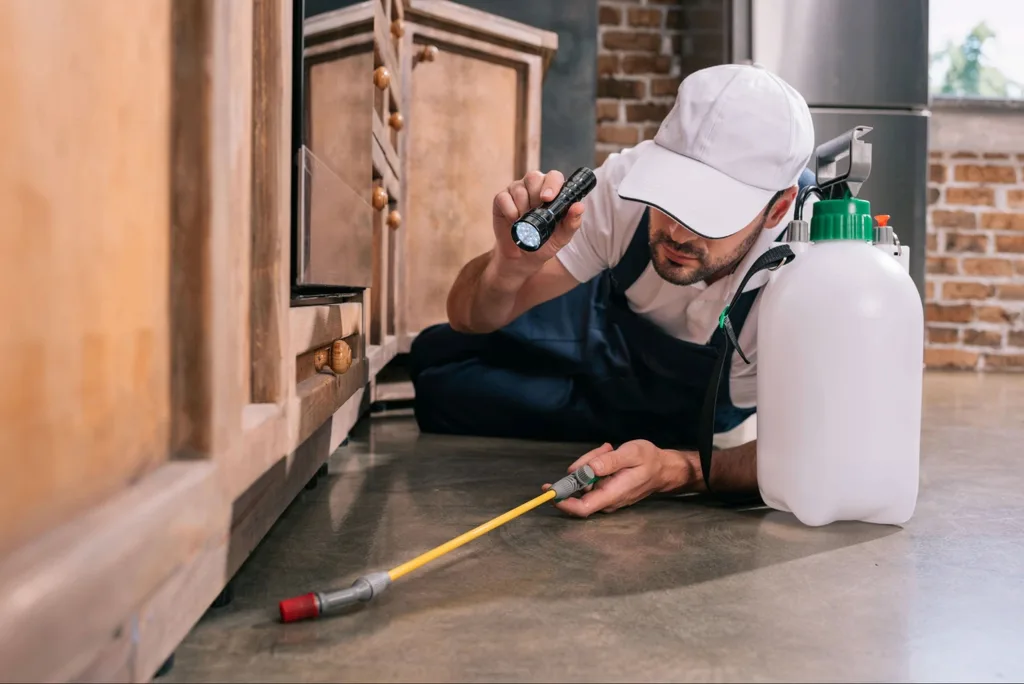
When to Consider Professional Pest Control
Sometimes prevention measures aren’t enough.
If pests continue appearing inside the home despite reasonable sanitation, moisture control, exclusion, and landscape maintenance, there may be an underlying issue that requires professional attention.
Consider contacting a pest-control professional if you notice:
- Repeated pest activity indoors
- Large numbers of insects
- Persistent cockroaches
- Recurring ant trails
- Rodent activity
- Termite evidence
- Stinging insects nesting near the home
- Mosquito problems that remain severe
- Pest activity concentrated around structural entry points
A professional can help determine why the pests are present, rather than simply treating the insects that happen to be visible.
Integrated Pest Management Makes More Sense Than One-Time Treatment
Effective pest management doesn’t have to mean spraying everything around your property.
Integrated Pest Management, commonly called IPM, combines several strategies to reduce pest problems.
These can include:
- Identifying the pest
- Understanding why it is present
- Removing food and water sources
- Reducing shelter and harborage
- Sealing entry points
- Maintaining the landscape
- Monitoring pest activity
- Using appropriate treatments when necessary
UF/IFAS promotes integrated approaches that emphasize prevention, monitoring, sanitation, exclusion, and appropriate pest-control methods.
For Florida homeowners, this approach is particularly useful because the warm climate means pest activity can occur throughout much of the year.
A Simple Florida Rain and Humidity Pest Prevention Checklist
After periods of heavy rain or prolonged humidity, homeowners can use this checklist:
Around the Yard
☐ Empty standing water
☐ Clean gutters
☐ Check downspouts
☐ Remove fallen branches and palm debris
☐ Trim vegetation away from the house
☐ Check outdoor faucets for leaks
☐ Inspect drainage problem areas
Around the Home
☐ Check doors and window screens
☐ Seal visible cracks and gaps
☐ Inspect foundation areas
☐ Check garage-door seals
☐ Look for moisture problems
☐ Keep food properly stored
☐ Remove garbage regularly
After Heavy Rain
☐ Walk the property perimeter
☐ Look for new standing water
☐ Inspect low areas
☐ Check outdoor structures
☐ Look for unusual pest activity
☐ Check for water intrusion
☐ Correct drainage or moisture problems promptly
This routine doesn’t need to take long.
A few minutes of inspection after major rainfall can help homeowners spot conditions before they become larger pest-management problems.
Final Thoughts
Florida’s warm climate, frequent rainfall, and high humidity create an environment where homeowners should expect some level of pest activity.
That doesn’t mean pests need to become a regular problem inside the house.
Homeowners can make a property less attractive to unwanted pests by managing moisture, removing standing water, maintaining landscaping, sealing entry points, storing food properly, and eliminating outdoor harborage.
The important thing is to look beyond the pest itself.
If ants continue to appear, investigate where they’re coming from.
If mosquitoes increase after rain, look for standing water.
If cockroaches appear around damp areas, investigate moisture and outdoor harborage.
If you suspect termites, don’t wait for the problem to become obvious.
For homeowners in Port Charlotte and throughout Southwest Florida, Fine Design Outdoor Solutions can help address the outdoor landscape conditions that contribute to a healthy, well-maintained property.
When pest activity continues despite prevention efforts, a qualified pest-control professional can help identify the underlying cause and recommend an appropriate solution.
FAQs
-
How does rain affect pests in Florida?
Rain can change pest behavior by increasing moisture and temporarily displacing insects and other pests from their normal outdoor habitats. Some pests may move toward drier or more sheltered areas, including homes and structures.
-
Does humidity attract pests into Florida homes?
High humidity can contribute to conditions that some pests prefer, particularly when combined with leaks, standing water, damp organic material, or poor drainage. Managing unnecessary moisture around the home can help reduce these conditions.
-
Why do I see more mosquitoes after it rains?
Rain can create new standing-water breeding sites in containers, gutters, plant saucers, toys, tires, and other areas. Eliminating standing water after rainfall is an important part of mosquito prevention.
-
Can landscaping attract pests to my Florida home?
Yes. Dense vegetation, branches touching the structure, leaf litter, mulch, and other outdoor harborage can provide pests with shelter or pathways toward the house. Proper pruning and landscape maintenance can help reduce these conditions.
-
How can I prevent pests after heavy rain?
Inspect the property for standing water, clogged gutters, drainage problems, leaks, fallen vegetation, and other pest-friendly conditions. Also check doors, windows, screens, and other potential entry points around the home.
-
Should I call pest control if I see insects after rain?
Not necessarily. Seeing insects outdoors after rain does not automatically indicate an infestation. However, if you notice persistent indoor activity, large numbers of pests, termites, rodents, or recurring problems despite preventive measures, it may be time to seek a professional evaluation.