
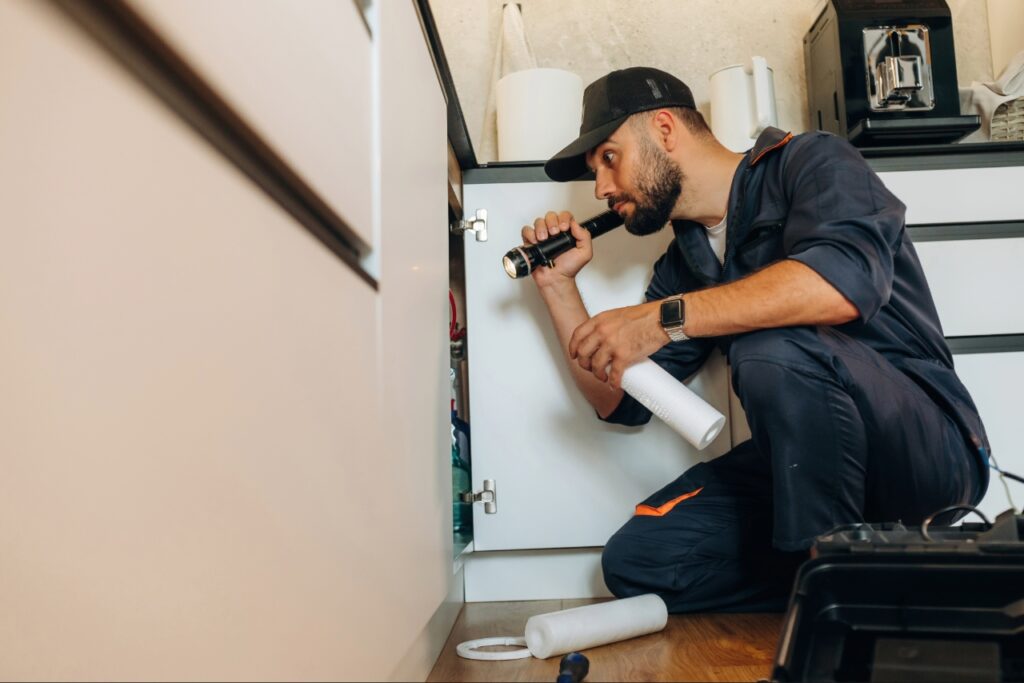
Signs of pest infestation can be deceptively subtle to overlook, especially when insects or rodents remain hidden behind walls, under appliances, inside cabinets, or around outdoor areas. Florida’s warm temperatures and humid conditions allow many pests to remain active throughout the year, making early detection an important part of protecting your home.
Understanding the signs of pest infestation can help homeowners recognize potential problems before they affect larger areas of the property.
A pest problem doesn’t always begin with seeing insects crawling across the floor or rodents running through the garage. Occasionally, the earliest warning signs are much less obvious. Small droppings, damaged materials, unusual odors, unexplained sounds, or changes around your landscape can all indicate that unwanted pests may be nearby.
Recognizing these warning signs early can give homeowners an opportunity to address potential problems before they become larger infestations. Understanding the signs of pest infestation can also help homeowners determine when simple preventive measures may be appropriate and when professional assistance may be necessary.
At Fine Design Outdoor Solutions, we understand that maintaining a property involves more than keeping it attractive. Proper landscape maintenance, moisture management, sanitation, and regular inspections can all help reduce conditions that may attract unwanted pests.
Why Early Pest Detection Matters
Pests can cause different types of problems depending on the species involved. Some contaminate food or surfaces, while others damage wood, landscaping, insulation, or other parts of a property.
Termites, for example, can affect structural wood. Rodents may damage materials and electrical wiring. Cockroaches can spread through kitchens and other areas where food and moisture are available. Ants may establish colonies around foundations, landscaping, or other parts of a property.
Noticing the signs of pest infestation early can make it easier to identify where activity may be occurring and take appropriate action.
Early detection can help homeowners
- Identify potential pest activity
- Locate areas where pests may be entering
- Reduce access to food and water
- Address moisture problems
- Protect landscaping and structures
- Prevent minor problems from becoming more extensive
Learning to recognize the signs of pest infestation can also help homeowners decide when a minor concern may require closer attention.
Regular inspections are especially useful in Florida because many pests can remain active throughout the year.
1. Unexplained Droppings or Pest Residue
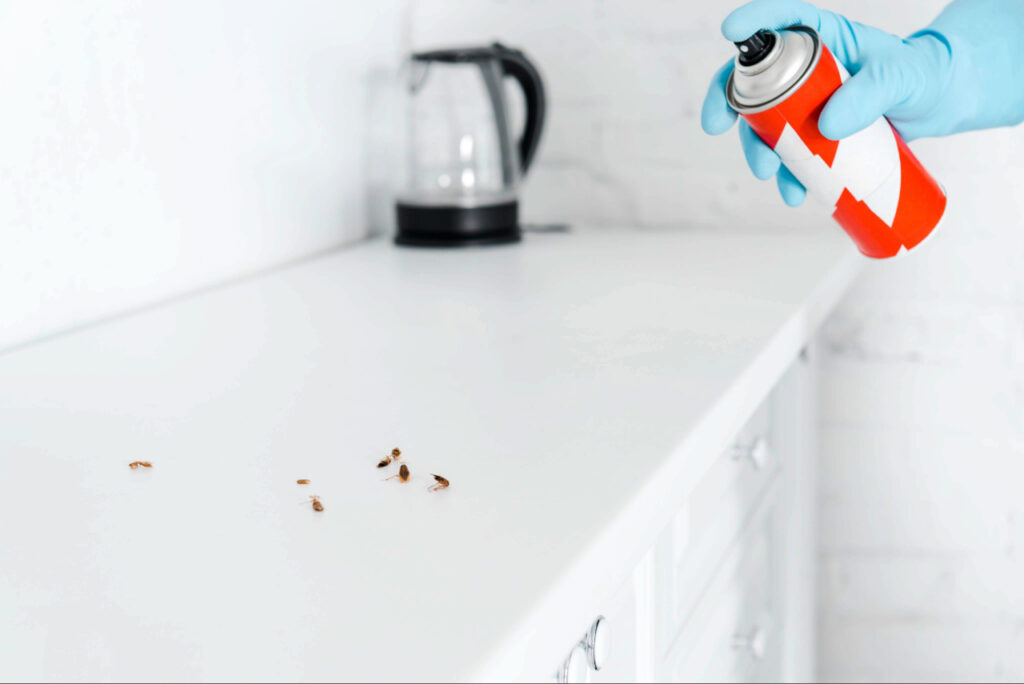
One of the most obvious signs of pest infestation is finding unexplained droppings or other residue around your home.
Different pests leave different types of evidence. Rodent droppings may appear near food storage areas, cabinets, garages, or other places where rodents travel. Cockroach droppings may appear in cabinets, behind appliances, or in dark areas.
Other residue can include the following:
- Small piles of insect droppings
- Shed insect skins
- Grease marks along frequently traveled areas
- Small pellets near wood
- Powder-like material beneath damaged wood
Finding this type of evidence doesn’t always mean there is a large infestation. However, it can indicate that pests are active nearby and that the area deserves closer inspection.
When cleaning up pest residue, homeowners should avoid unnecessary contact and follow appropriate sanitation practices.
2. Damage to Wood, Plants, or Property
Unexpected property damage can also be one of the signs of pest infestation.
Different pests can affect different materials. Termites and other wood-destroying organisms may damage wooden structures, while rodents can gnaw through materials and wiring.
Outdoor pests can also affect landscaping. Certain insects may damage leaves, stems, flowers, or roots, while other pests may create tunnels, nests, or disturbed areas around plants.
Look for:
- Small holes in wood
- Damaged or hollow-sounding wood
- Gnaw marks
- Damaged electrical wiring
- Chewed packaging
- Unexplained plant damage
- Disturbed soil around plants
Repeatedly finding damaged packages is one of the signs of pest infestation that should prompt homeowners to check nearby cabinets, storage areas, and potential entry points.
Not every instance of damage is caused by pests. Weather, moisture, disease, and normal wear can produce similar symptoms. However, unexplained or recurring damage deserves further investigation.
These types of unexplained changes can be important signs of pest infestation, particularly when damage continues to appear despite normal maintenance.
3. Strange or Unusual Odors
An unusual smell in your home can sometimes indicate pest activity.
Certain infestations produce noticeable odors because of droppings, urine, nesting materials, decomposing pests, or other biological activity. Rodent activity, for example, may produce persistent odors in enclosed areas where animals are nesting.
Cockroach infestations can also produce an unpleasant odor when populations become significant.
Pay attention to smells that:
- Appear suddenly
- Persist despite cleaning
- Seem concentrated in one room
- Come from walls, ceilings, or cabinets
- Return after the area has been cleaned
A persistent unexplained odor doesn’t automatically indicate pests, but it can be one of several signs of pest infestation when combined with other evidence.
When unusual odors occur alongside other signs of pest infestation, homeowners should investigate the source rather than simply masking the smell with air fresheners or cleaning products.
4. Scratching, Movement, or Other Unusual Sounds
Unexplained sounds can be another indication that pests are active inside or around your home.
This is particularly relevant for rodents, which may move through wall cavities, ceilings, attics, garages, and other concealed areas. Homeowners may hear scratching, scurrying, gnawing, or movement, especially during nighttime when many rodents are most active.
However, not every unexplained sound means you have a pest problem. HVAC systems, plumbing, expanding building materials, and other normal household activity can create similar noises.
Pay closer attention when unusual sounds occur together with other signs of pest infestation, such as droppings, damaged materials, or unusual odors.
If you repeatedly hear movement from the same area, please refrain from opening walls or disturbing enclosed spaces on your own. A professional inspection can help determine whether pests are responsible.
Combined with droppings or property damage, these sounds can become more convincing signs of pest infestation.
5. Damaged Food Packaging

Discovering holes, tears, or gnaw marks in food packaging can indicate that pests have gained access to your pantry or kitchen.
Rodents and some insects can chew through cardboard, paper, and plastic packaging to reach food. Small holes around bags, boxes, or packages may therefore be among the signs of pest infestation that homeowners should not ignore.
Check areas such as:
- Pantry shelves
- Kitchen cabinets
- Food storage areas
- Pet food containers
- Garages
- Utility rooms
Store food in sealed containers whenever possible, and clean up crumbs and spills promptly. Pet food should also be stored in containers that pests cannot easily access.
If damaged packaging continues appearing despite proper food storage and cleaning, investigate whether pests may be entering from another area of the property.
6. Nests, Egg Cases, or Pest Hiding Places
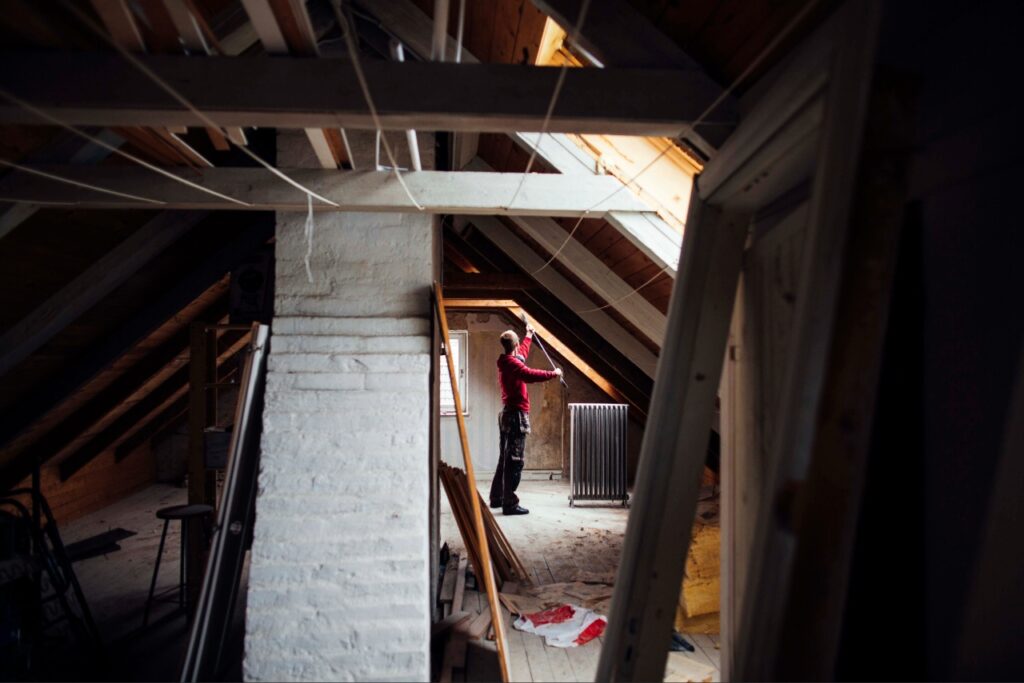
Some pests leave physical evidence of where they live or reproduce.
Rodents may build nests from paper, insulation, fabric, leaves, and other materials. Cockroaches can leave egg cases in protected locations. Other insects may create nests or establish colonies in wall voids, landscaping, garages, or other sheltered areas.
Potential locations to inspect include:
- Attics
- Garages
- Under sinks
- Behind appliances
- Storage areas
- Exterior sheds
- Dense vegetation
- Around outdoor structures
Finding a nest or egg case is a stronger indication of ongoing pest activity than simply seeing a single insect outdoors.
Nests and egg cases are among the most noticeable signs of pest infestation, indicating that pests are not just passing through but may be reproducing nearby.
Homeowners should avoid disturbing unknown nests or concentrated pest activity unnecessarily. Identification is important because different pests require different management approaches.
7. Seeing Pests During the Day
Seeing an occasional insect outdoors isn’t necessarily a cause for concern. However, repeatedly seeing certain pests inside your home—or noticing unusually high pest activity—can be one of the signs of pest infestation.
Some pests are naturally active during the day, so daytime activity alone does not automatically mean an infestation exists.
However, unusual activity may deserve attention when you notice the following:
- Multiple pests in a short period
- Pests appearing repeatedly in the same location
- Increased activity around food or moisture
- Pests emerging from cracks or openings
- Different types of evidence appearing together
For example, seeing one cockroach may not tell you how extensive a problem is. Finding multiple cockroaches along with droppings or egg cases provides much stronger evidence that an infestation may be present.
Looking at several clues together provides a much better way to evaluate the signs of pest infestation than relying on a single pest sighting.
Where Florida Homeowners Should Look for Pest Activity
Pests often choose locations that provide food, water, shelter, and protection from temperature changes.
Inside the home, homeowners should pay particular attention to:
Kitchens
Food crumbs, spills, garbage, and moisture can attract various pests. Check underneath appliances, inside cabinets, around plumbing fixtures, and along baseboards.
Bathrooms
Leaks and excess moisture can make bathrooms attractive to certain insects. Check around sinks, toilets, tubs, and plumbing penetrations.
Garages
Garages often contain cardboard, stored items, tools, pet food, and other materials that can provide shelter or food sources.
Attics and Crawl Spaces
These areas are often quiet and rarely disturbed, making them attractive nesting locations for rodents and certain insects.
Exterior Areas
Inspect around foundations, doors, windows, utility openings, vegetation, mulch beds, drainage areas, and outdoor storage.
Checking these locations regularly can help homeowners spot the signs of pest infestation before pest activity becomes more difficult to manage.
Finding several signs of pest infestation in or around the same area can help homeowners decide where they may need to investigate further.
Why Florida Homes Can Be Vulnerable to Pest Problems
Florida’s environment creates conditions that can support many different types of pests. Homeowners can also review Florida insect and pest information from the University of Florida’s Entomology and Nematology Department to learn more about common insects and pest-related concerns.
Warm temperatures allow numerous insects to remain active for much of the year. Humidity and rainfall can also create moisture-rich areas around homes, while landscaping can provide food and shelter for insects and other unwanted visitors.
Common factors that may contribute to pest activity include:
- Standing water
- Leaking pipes or outdoor faucets
- Poor drainage
- Overgrown vegetation
- Accumulated yard debris
- Unsealed entry points
- Accessible garbage
- Improper food storage
- Excess moisture
Keeping these conditions under control can reduce opportunities for pests to establish themselves around your property.
When to Contact a Professional Pest Control Provider
Not every pest sighting requires professional treatment. However, homeowners should consider getting professional assistance when pest activity is persistent, increasing, or difficult to identify.
If several signs of pest infestation appear at the same time, it is worth considering a professional inspection to determine the source of the activity.
Professional help may be appropriate when you notice:
- Repeated pest sightings
- Multiple types of pest evidence
- Damage that continues to appear
- Pest activity inside walls or other inaccessible areas
- Nests or egg cases
- Persistent odors
- Signs of rodents
- Possible structural damage
A professional can help identify the pest involved, determine where activity is occurring, and recommend an appropriate management strategy.
Homeowners should avoid relying solely on repeated applications of pest products without first identifying the underlying problem. Correct identification can help ensure that control measures are appropriate for the pest and the situation.
How to Reduce the Risk of Future Pest Problems
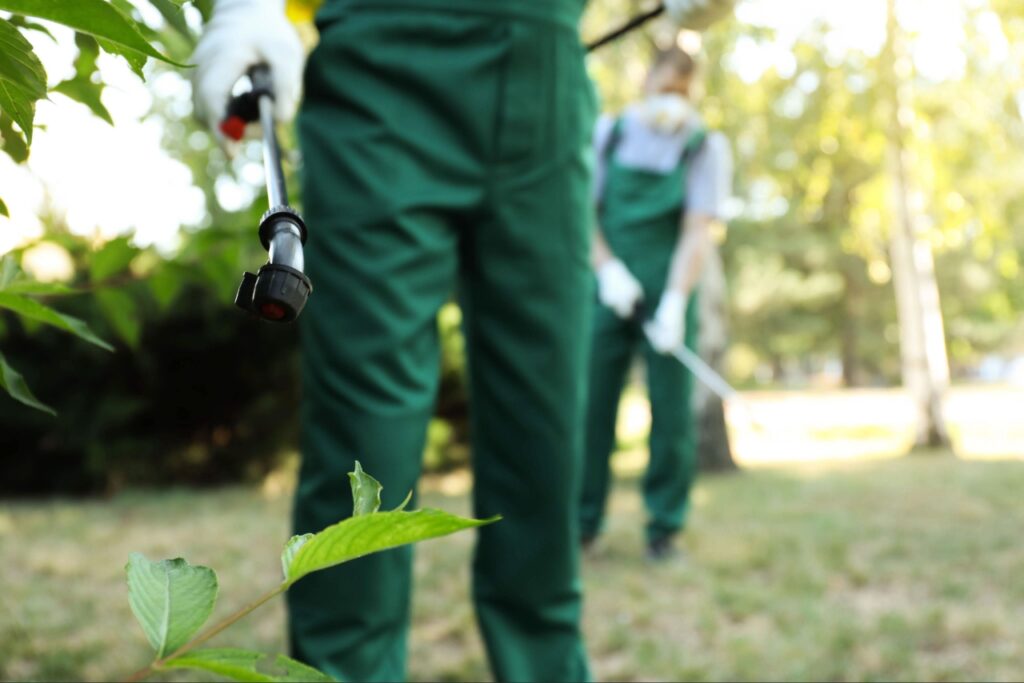
Once homeowners have addressed potential pest activity, they can take several steps to make their properties less attractive to unwanted pests.
Seal Potential Entry Points
Inspect doors, windows, vents, utility openings, and other areas where pests may enter.
Repair damaged screens and use appropriate seals around openings.
Control Moisture
Fix leaking faucets, pipes, and irrigation components. Fix leaking faucets, pipes, and irrigation components. Ensure water drains away from the home instead of collecting around the foundation.
Moist environments can create favorable conditions for various pests.
Maintain Landscaping
Trim vegetation away from structures and avoid allowing dense plant growth to create direct pathways toward the house.
Remove fallen leaves, excessive debris, and other materials that could provide shelter for pests.
Store Food Properly
Keep pantry foods, pet food, and other attractants in sealed containers. Clean spills and crumbs promptly, particularly in kitchens and food-storage areas.
Manage Garbage
Use sealed garbage containers and keep outdoor trash areas clean. Regularly clean containers when necessary to reduce odors that may attract pests.
Inspect Regularly
Regular inspections can help homeowners notice changes before they become major problems.
Knowing the signs of pest infestation makes these inspections more useful because homeowners know what evidence to look for.
For additional information about responsible pest management, homeowners can also review EPA pest control guidance when considering ways to manage pests around their homes.
Don’t Ignore Small Warning Signs
A pest problem rarely becomes obvious overnight. Often, homeowners notice small clues before they see a significant number of pests.
A few droppings, damaged materials, an unusual odor, or unexplained scratching may seem insignificant individually. However, if you see multiple warning signs in the same area, you should investigate further.
Florida homeowners can benefit from paying attention to these changes and addressing conditions that may attract pests.
The goal isn’t necessarily to eliminate every insect from your property. Instead, effective pest management focuses on reducing conditions that allow unwanted pests to establish themselves inside or around the home.
Recognizing the signs of pest infestation early gives homeowners a better opportunity to identify the source and address conditions that may be encouraging pest activity.
Protect Your Florida Property With Early Detection
Recognizing the signs of pest infestation can help Florida homeowners respond before pest activity becomes more difficult to manage. Understanding these signs of pest infestation can help homeowners take preventive steps and seek professional assistance when necessary. Droppings, property damage, unusual odors, strange sounds, damaged food packaging, nests, and repeated pest sightings can all provide valuable clues.
Florida’s warm and humid environment means homeowners may encounter pest activity throughout much of the year. Maintaining clean indoor areas, controlling moisture, managing landscaping, sealing potential entry points, and regularly inspecting the property can all help reduce opportunities for pests.
Fine Design Outdoor Solutions helps homeowners maintain attractive and functional outdoor environments and provides practical information about property care and pest prevention. If you notice recurring pest activity or multiple warning signs, consider having the situation properly evaluated rather than waiting for the problem to become more extensive.
FAQs
-
What are the most common signs of pest infestation?
Common signs of pest infestation include droppings, damaged materials, unusual odors, scratching sounds, damaged food packaging, nests or egg cases, and repeated pest sightings.
-
Does seeing one pest mean I have an infestation?
Not necessarily. A single pest may enter a home accidentally. However, repeated sightings or multiple types of evidence can indicate an established pest problem that deserves further investigation.
-
Where should I look for signs of pests?
Check kitchens, bathrooms, garages, attics, crawl spaces, storage areas, and exterior areas around the foundation. Pay particular attention to locations with food, water, shelter, or potential entry points.
-
When should I call a pest control professional?
Professional assistance may be appropriate when pest activity is recurring, increasing, causing property damage, occurring inside inaccessible areas, or accompanied by multiple signs of an infestation.