
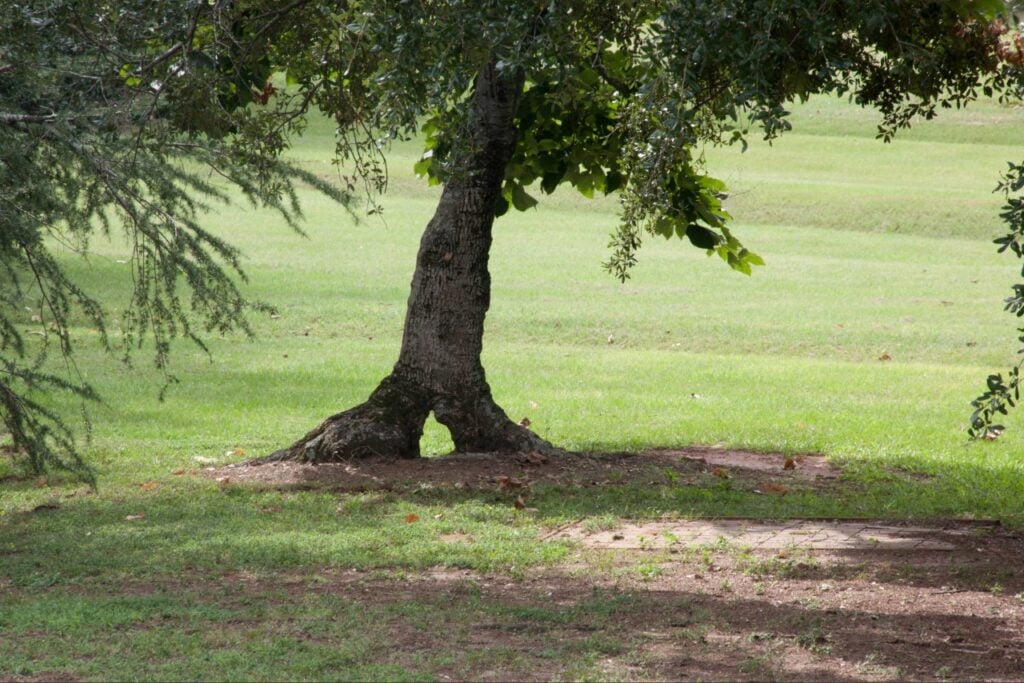
Grass thinning under trees is a common frustration for homeowners with shaded yards in Port Charlotte, Florida. You replace the sod, adjust the irrigation, or add soil, only to watch the same patch of lawn struggle again. Before investing in another round of lawn repairs, it’s worth asking whether the area beneath the tree can realistically support healthy grass.
Shade is often part of the problem, but it isn’t the only factor. Tree roots, inconsistent irrigation coverage, soil moisture, and regular foot traffic can also affect how grass performs. Replacing the turf without understanding these conditions may leave you facing the same problem again.
Fine Design Outdoor Solutions helps Port Charlotte homeowners improve their outdoor spaces through sod installation, lawn replacement, irrigation services, mulching, tree trimming, and landscape design. In this guide, we’ll explore four practical options for areas where grass continues to thin beneath mature trees, from keeping lawn where conditions allow to creating more functional shaded landscapes.
Grass Thinning Under Trees: What Causes the Problem?
Shade may be the most obvious issue, but it is not the only condition worth evaluating. Roots, irrigation coverage, foot traffic, and wet ground can all affect the situation.
The UF/IFAS Gardening Solutions lawn care resources provide Florida-specific information about turfgrass selection, watering, and lawn maintenance. Understanding the growing requirements of your existing grass can help determine whether a shaded area is suitable for lawn restoration.
Observe light throughout the day
Look at the affected area in the morning, around midday, and later in the afternoon. Note where direct sunlight reaches the ground and where the canopy keeps it shaded. A photograph at each point can help explain the pattern during a landscaping consultation.
Compare the thinning area with nearby healthy grass. Does the weak turf follow the edge of the canopy, or does it extend into sunny sections? This observation won’t diagnose every problem, but it helps you avoid assuming that shade causes all lawn damage.
Compare moisture and irrigation coverage
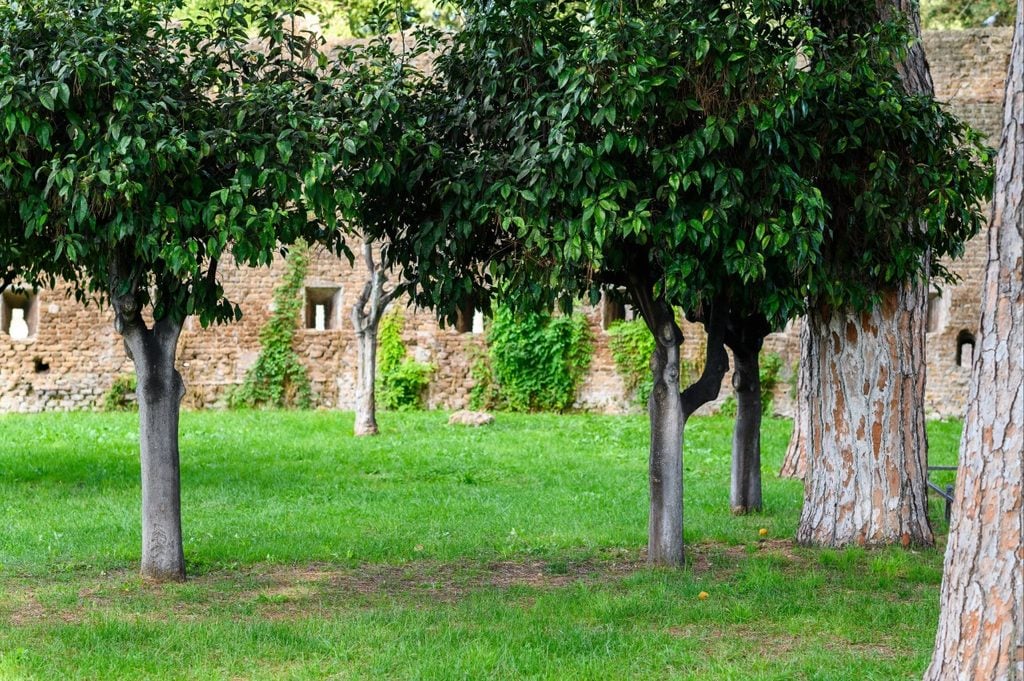
Do not automatically increase watering because grass looks weak. Check whether the affected soil is dry, damp, or staying wet while neighboring areas dry out. Watch an irrigation cycle to see whether spray reaches the area or is blocked or misdirected.
For a Southwest Florida yard exposed to both heat and heavy rain, it is useful to compare conditions after irrigation with conditions after rainfall. Sandy soil elsewhere on the property does not tell you exactly what is happening beneath a particular tree.
Look at traffic and exposed roots
Is the bare patch also the route to a gate, hose, or seating area? Repeated use may be part of the problem. Note exposed roots and places where mowing has become awkward.
Avoid treating raised roots as a surface-level lawn defect. Covering them with a mound of soil, cutting them, or digging around them should not be the starting point for a cosmetic repair.
When grass thins under trees, the best solution may be to change how you use the space. The following options can help Port Charlotte homeowners compare lawn restoration with alternative landscape designs.
| Landscape Option | When to Consider It | What to Evaluate |
|---|---|---|
| Keep the lawn | The area receives sufficient light and grass can reasonably be maintained | Sun exposure, turfgrass suitability, irrigation, traffic |
| Create a mulched bed | Grass repeatedly fails near a tree and mowing is difficult | Bed boundaries, trunk clearance, roots, drainage |
| Install a planted shade bed | The homeowner wants an attractive alternative to turf | Plant suitability, mature size, soil moisture, root protection |
| Add a walkway | Foot traffic contributes to lawn damage | Walking route, exposed roots, drainage, surface levels |
Option 1: Keep Grass Where Shade Conditions Allow
Retaining lawn may make sense where the shade is limited and the area remains practical to mow and maintain. Before replacing sod, ask for an evaluation of the existing grass, available light, watering pattern, and use of the space.
Useful questions include:
- Is the current grass suitable for the light this area receives?
- Is irrigation coverage contributing to the uneven growth?
- Would changing the lawn boundary leave grass only in the more suitable areas?
- What would be different after replacement compared with the final attempt?
Fine Design Outdoor Solutions provides sod installation, lawn replacement, and irrigation system installation and repair. Those services can be relevant when the assessment indicates a correctable lawn problem. However, fresh sod alone should not be treated as the answer to persistent shade.
Option 2: Turn the struggling area into a mulched bed
If grass repeatedly fails close to a tree, a defined mulched bed is an alternative worth considering. Rather than repairing scattered bare patches, the design can acknowledge the tree as a permanent feature and give the surrounding area an intentional shape.
Plan the bed boundary around the actual conditions, not just a small circle around the trunk. It may make more sense to include the full area where mowing is difficult or grass remains sparse.
Proper mulch placement matters when converting lawn beneath a tree into a landscape bed. The UF/IFAS Gardening Solutions guide to mulch explains how mulch can be used in Florida landscapes and why it should be kept away from direct contact with tree trunks.
Keep the following details in the discussion:
- Trunk clearance: Do not plan a mound of mulch against the trunk.
- Existing roots: Discuss how bed preparation can avoid unnecessary root disturbance.
- Water movement: Observe where rainfall travels before deciding on the bed edge.
- Maintenance access: Leave a practical way to care for the bed and nearby lawn.
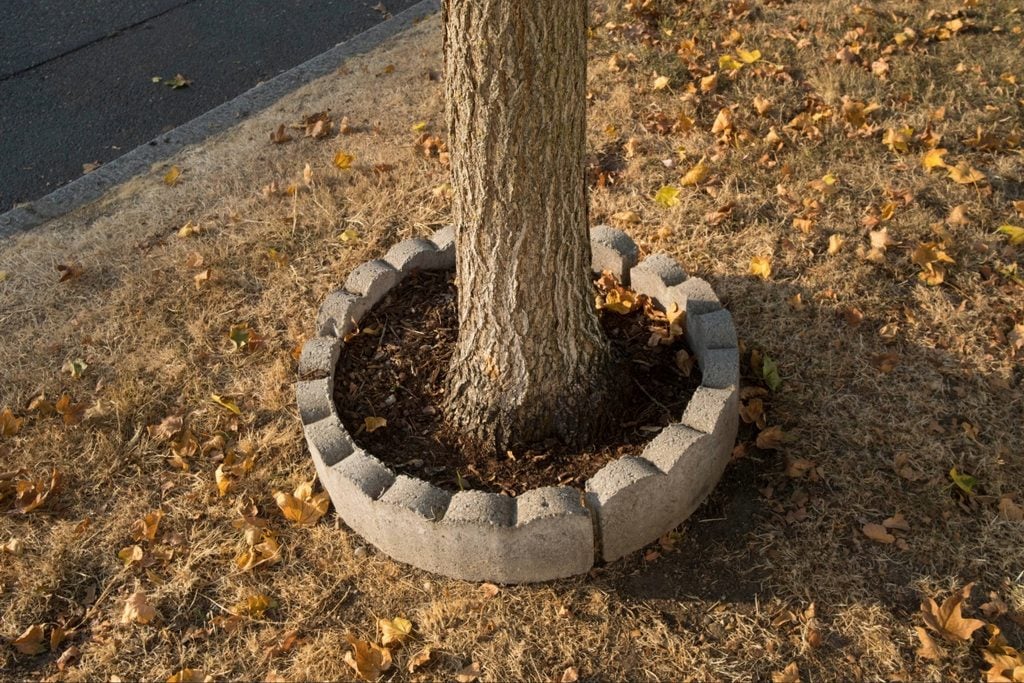
Fine Design offers mulching and bed maintenance. Where a permanent border is being considered, concrete curbing is also among its landscaping services, but its placement should be evaluated rather than assumed appropriate beside existing roots.
Option 3: Plan a planted shade bed
A planted bed may suit homeowners who want more texture and visual interest than mulch alone. The important step is choosing plants for the actual site rather than selecting them only by appearance.
Before deciding on a planting layout, document the light, moisture, available space, and access for maintenance. Ask how the proposed plants will fit at mature size and how installation will account for existing tree roots. Avoid crowding the trunk simply to make a new bed look full immediately.
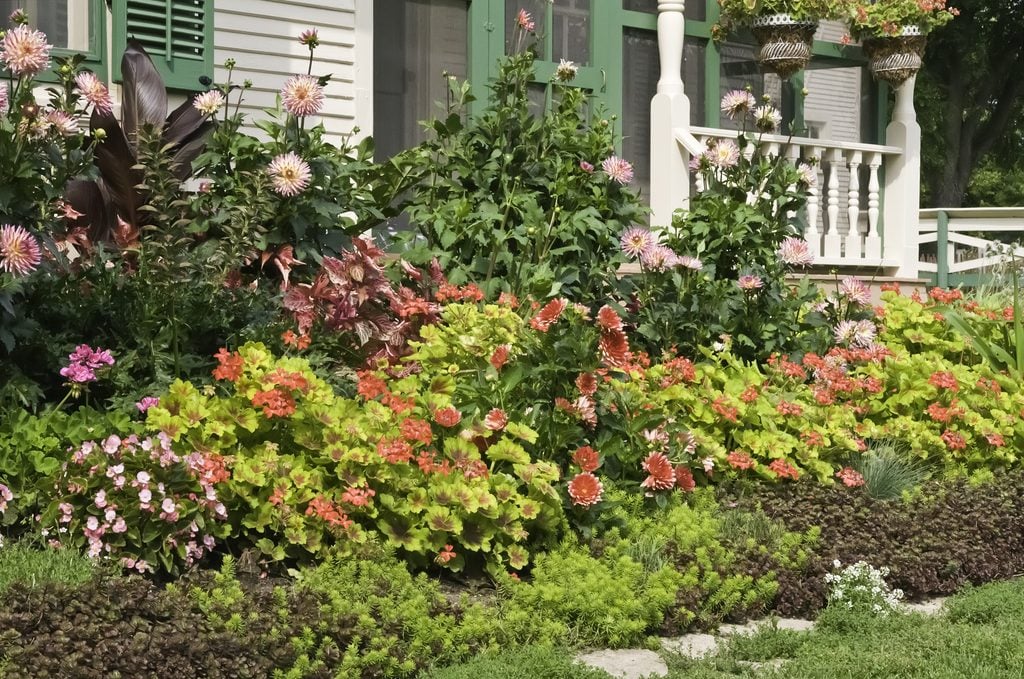
Also discuss watering. A bed conversion is a reason to review irrigation coverage, not simply keep the lawn’s watering arrangement unchanged.
Fine Design’s landscaping services include landscape design, 2D AutoCAD plans, CAD drafting, and detailed outdoor planning. A defined bed layout can help clarify the transition between retained lawn and the redesigned area before work begins.
Option 4: Rethink the walking route
If people regularly cross the thinning patch, consider whether the yard needs a more deliberate route. A walkway may be worth discussing when it connects a gate, patio, or another frequently used destination.
That does not mean paving directly over exposed roots. Existing trees, excavation needs, surface levels, and water movement should be considered before choosing the route. Sometimes moving the path away from the tree is a more practical planning decision than placing it exactly where the grass has worn away.
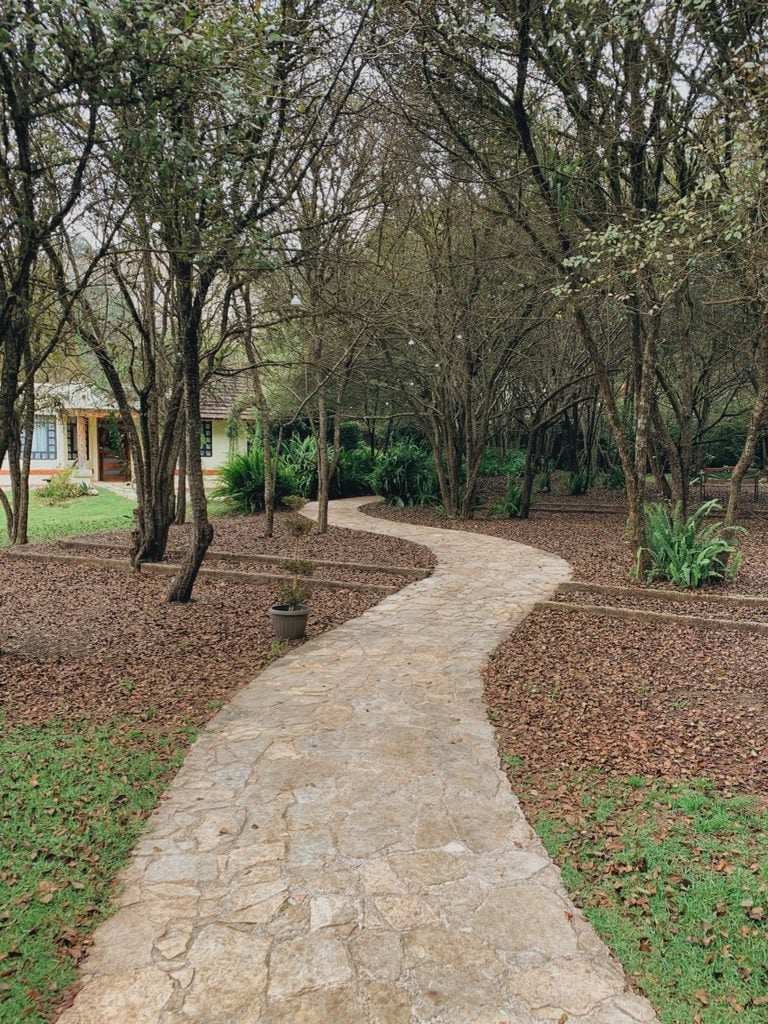
Fine Design installs paver walkways and other outdoor living surfaces. For this problem, the design question comes first: where can a useful walkway fit without treating the tree’s root area as empty construction space?
Should you trim the tree to bring in more light?
Tree trimming deserves its own assessment. Do not assume that removing a few branches will make the area suitable for a lawn, or request heavy canopy removal simply to save a patch of grass.
Tree pruning and work near established roots should be evaluated carefully. The International Society of Arboriculture’s TreesAreGood resources provide homeowner education about tree care, including the importance of protecting mature trees during landscape changes.
Fine Design provides tree trimming and pruning. During planning, discuss whether appropriate pruning has a role and whether the landscape beneath the tree still needs to change. Preserving the tree and accepting a smaller lawn area may be a more sensible direction than making turf the only priority.
4 Smart Solutions for Grass Thinning Under Trees
If grass continues to struggle beneath mature trees, consider these four approaches before investing in another lawn replacement.
1. Keep grass where conditions support healthy growth.
Evaluate sunlight, soil moisture, irrigation coverage, and foot traffic. If the area can reasonably support turfgrass, targeted lawn improvements or sod replacement may be worth considering.
2. Replace struggling turf with a mulched landscape bed.
A defined bed can reduce the need to repeatedly repair bare patches. Plan its boundaries around the tree’s existing roots, maintenance requirements, and surrounding landscape.
3. Create a planted shade garden.
Where site conditions allow, suitable shade-tolerant plants can add texture and visual interest. Select plants based on the actual light, moisture, and space available rather than appearance alone.
4. Design a practical walkway.
If repeated foot traffic contributes to thinning grass, consider whether a walkway would improve access. Its location and installation should account for existing roots, drainage, and the surrounding landscape.
The most appropriate solution depends on the tree, the conditions beneath it, and how you want to use your outdoor space. A landscaping assessment can help determine which option is practical for your Port Charlotte property.
Frequently asked questions
-
Should I install new sod under a shady tree?
Only after evaluating why the existing grass is thinning. Ask whether the available light, moisture, and traffic support keeping the lawn there, and what changes would make replacement worthwhile.
-
Can I cover exposed roots to make mowing easier?
Do not assume that adding soil over roots is a harmless fix. Have the area evaluated before changing soil levels. A redesigned bed boundary may offer an alternative to trying to create a flat lawn surface.
-
Does the whole shaded lawn need to become a bed?
Not necessarily. A mixed layout can retain grass where it performs acceptably and convert the persistently thin section into a defined bed. The boundary should reflect site conditions and maintenance needs.
-
What should I prepare for a landscaping consultation?
Bring photos showing the area’s light at different times, notes about watering and rainfall, and a description of previous repairs. Explain whether your priority is keeping the lawn, simplifying maintenance, or improving access.
Find a Better Solution for Your Shady Port Charlotte Yard
If you’re dealing with grass thinning under trees, repeatedly replacing sod may not solve the underlying problem. Limited sunlight, competing roots, moisture conditions, and regular foot traffic can all affect whether turfgrass is practical beneath a mature tree.
For Port Charlotte homeowners, the solution may involve keeping grass only where it performs impressively, creating a mulched landscape bed, introducing suitable shade plants, or redesigning a frequently used walking route.
The goal isn’t necessarily to eliminate the lawn from your yard. It’s to create a landscape that works with the existing conditions rather than requiring repeated repairs in an area where grass continues to struggle.
Fine Design Outdoor Solutions provides landscaping services in Port Charlotte, including sod installation, irrigation installation and repair, mulching, tree trimming, paver walkways, and landscape design.
Get a Free Quote to discuss your shaded yard and explore landscaping options that fit your property.