
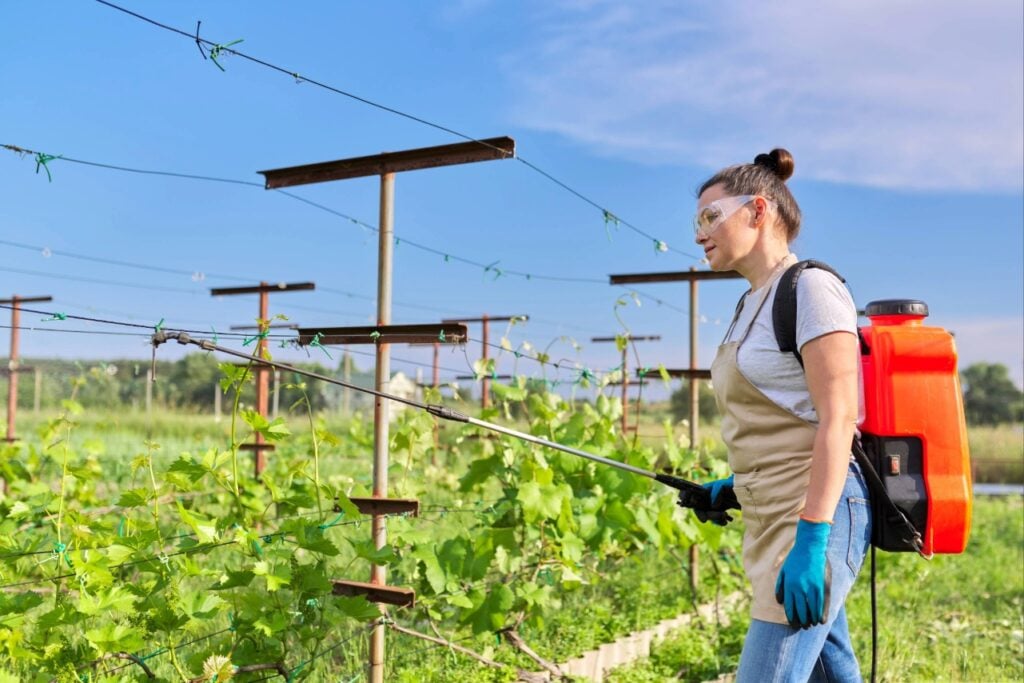
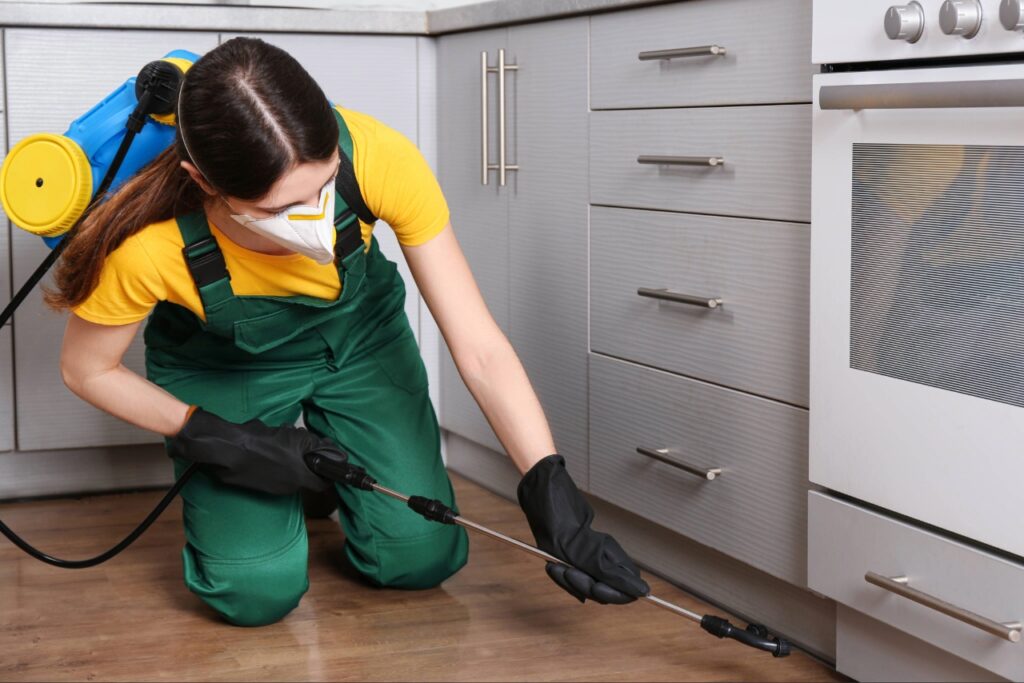
This Florida pest control guide is designed to help homeowners understand, prevent, and respond to the most common pest problems found in Florida homes. From ants and termites to rodents, roaches, mosquitoes, spiders, bedbugs, and lawn pests—Florida’s warm, humid climate creates year-round pest pressure that demands a proactive plan, not a reactive one.
For many homeowners, pest control becomes reactive. They wait until ants show up in the kitchen, rodents are heard in the attic, mosquitoes make the yard uncomfortable, or termites create visible signs of damage. But the most effective pest control strategy is preventive. Understanding what pests are common, how they behave, where they hide, and what conditions support them gives homeowners a much better chance of protecting the home over the long term.
Why Florida Pest Control Is a Year-Round Priority
Florida has one of the most pest-friendly environments in the country. Warm temperatures allow insects to remain active year-round or for much longer than in cooler regions. Moisture supports breeding and survival. Dense vegetation provides cover. Residential neighborhoods, landscaping, irrigation systems, and nearby food sources create ideal conditions for pests to live close to people.
Key environmental factors that make Florida pest control especially challenging include the following:
- Warm weather that supports constant, year-round pest activity
- High humidity that improves survival conditions for many species
- Heavy rainfall that creates standing water and breeding zones
- Dense landscaping and structures that provide food and shelter
- Outdoor pest pressure that often transitions directly to indoor infestations
Ant Problems: Small Pests, Fast-Growing Colonies
Ants are one of the most common pest problems in Florida homes. They often enter in search of food, water, or shelter, but the visible ants are usually only a small fraction of a much larger colony. Colonies may exist in the soil, around foundations, inside walls, or in landscaped areas close to the house.
Professional ant control should focus on eliminating the colony source rather than only killing the ants you can see. If the nest remains active, the infestation almost always returns within days or weeks.
Common ant species found in Florida homes include fire ants, ghost ants, carpenter ants, and bigheaded ants—each requiring a slightly different treatment approach.
Termites: Hidden Structural Threats
Termite control is one of the most important preventive services in any Florida pest control guide. They often remain hidden behind walls, beneath floors, or in wood framing until the damage becomes more advanced — and more expensive to repair.
Florida is home to several destructive termite species, including subterranean termites, drywood termites, and the highly aggressive Formosan termite. Each species behaves differently and requires its own treatment strategy.
Termite control is one of the most important preventive services in any Florida pest control guide, especially for homes with wood structural elements or conditions that encourage moisture buildup around the foundation.
Rodents: Sanitation, Noise, and Property Damage
Rodents such as roof rats and house mice create multiple problems at once. They contaminate food surfaces, damage insulation, chew electrical wires, and use attics, wall cavities, garages, and storage spaces as nesting areas. Once inside, they can reproduce quickly and become far harder to control if the entry points are not found and sealed.
Effective rodent control includes removal, exclusion, and prevention. Catching one or two rodents without sealing the access points that allowed them in rarely solves the full problem. A complete solution addresses both the current infestation and the conditions that made entry possible.
Roaches: Hidden Indoor Infestations
Roaches thrive in moisture, warmth, and areas with reliable food access. Kitchens, bathrooms, laundry spaces, and hidden plumbing areas often provide all three. One of the biggest challenges with roaches is that infestations can grow well beyond what homeowners actually see—daytime sightings are usually a sign of a well-established problem, not an isolated incident.
Roach control works best when treatment addresses the full infestation pattern: hiding zones, active breeding areas, and sanitation corrections that remove the conditions supporting their survival.
Mosquitoes: Outdoor Discomfort and Health Concerns
Mosquitoes are one of the most frustrating pests covered in any Florida pest control guide because they directly affect how comfortable your outdoor spaces feel. Yards, patios, pool areas, and walkways all become less enjoyable when mosquito populations surge. Breeding usually begins in standing water — low spots in the yard, clogged gutters, over-irrigated sections, and decorative water features.
Mosquito control is especially important for Florida homeowners who want to use outdoor areas comfortably and reduce persistent pressure during warm and rainy seasons. In Florida, that can mean eight or more months of the year.
Spiders: A Sign of Broader Pest Activity
Spiders often become more visible when other insect populations are high. They are drawn to areas where food—meaning other insects—is readily available. Frequent web sightings and active spiders can actually indicate a broader pest problem nearby rather than a spider problem specifically.
While most Florida spiders are more of a comfort concern than a structural or safety issue, some species like the brown recluse and black widow are medically significant. Spider control often works best as part of a broader pest strategy that also reduces the insects they depend on for food.
Bed Bugs: High Stress, Fast Spread
Bed bugs create a very different kind of pest problem because they affect rest, comfort, and personal space in a deeply disruptive way. They are not caused by poor sanitation and are usually introduced through travel, secondhand furniture, luggage, or exposure to shared spaces like hotels or rental properties.
Once inside the home, bed bugs hide in seams of mattresses, furniture joints, baseboards, and other areas near sleeping or resting spots. They are extremely difficult to eliminate fully without a targeted, multi-step treatment plan. Bed bug control should focus on accurate inspection, targeted treatment, and follow-up confirmation because these pests hide well and can spread rapidly through belongings.
Lawn Pests: Outdoor Damage That Starts Below the Surface
Not all pest problems begin inside the home. Lawn pests can damage turf from above or below the surface, weakening root systems and creating patchy, brown, or thinning grass. Often, homeowners mistake this damage for drought stress, poor fertilization, or irrigation problems—when the actual cause is insect activity underground or at the soil surface.
Common Florida lawn pests include chinch bugs, sod webworms, mole crickets, and grubs. Lawn pest services help protect grass health and prevent widespread turf decline, especially for properties where curb appeal and lawn appearance matter.
How Outdoor Conditions Affect Pest Activity
Many pest problems begin outside and then move indoors. Landscaping, irrigation, moisture buildup, mulch beds, dense vegetation, and clutter near the structure all affect how attractive the property is to pests. Even the materials used for landscaping and grading can influence pest pressure.
For example, materials such as mulch, topsoil, fill sand, and decorative rock can affect moisture levels, drainage, and hiding conditions around the foundation. That does not mean these materials should be avoided — it means they should be managed correctly as part of a complete Florida pest control plan.
Why DIY Pest Control Often Falls Short
One of the biggest reasons pest problems persist is that many homeowners attempt to solve a structural or colony-based problem with a surface-level treatment. The results are predictably short-lived:
- Killing visible ants does not eliminate the colony
- Catching one rodent does not close the entry point
- Spraying a roach does not stop the active breeding cycle
- Removing a spider web does not reduce the insect population that attracted it
DIY methods can provide short-term reduction in visible pest activity, but they rarely address the root cause of the problem. That is why recurring infestations are so common when the strategy stays reactive and surface-level. Homeowners should also follow EPA pest control safety guidance when using any pesticide product, especially around children, pets, food areas, and indoor spaces.
What a Strong Florida Pest Control Strategy Includes
A strong Florida pest control guide should help homeowners move from short-term pest reactions to long-term prevention. The best plan combines inspection, pest identification, treatment, exclusion, moisture control, sanitation, and regular monitoring.
- Thorough inspection of both indoor and outdoor risk areas
- Accurate identification of the specific pest species involved
- Targeted treatment based on pest biology and behavior
- Attention to structural entry points and exclusion measures
- Moisture and sanitation corrections where needed
- Ongoing monitoring and scheduled follow-up visits
Seasonal Pest Patterns in Florida
Every Florida pest control guide should account for these seasonal changes because pest pressure can shift throughout the year.
- Spring — Ant and termite activity increases; swarming termites become visible
- Summer — Mosquito and lawn pest pressure peaks with heat and rainfall
- Fall — Rodent movement into structures increases as outdoor temperatures shift
- Winter—While activity slows, Florida winters rarely stop pest pressure entirely
Final Thoughts on Florida Pest Control
This Florida pest control guide covers the major pest categories homeowners face—ants, termites, rodents, roaches, mosquitoes, spiders, bed bugs, and lawn pests—but the underlying message across all of them is the same. Prevention, early identification, and targeted control are far more effective than constant reaction to visible infestations. For homeowners who want a cleaner, safer, and more comfortable living environment, a complete Florida pest control strategy is one of the smartest long-term investments in property care. The earlier you address conditions that attract pests, the less likely you are to face the kind of serious infestations that take significant time and expense to resolve.
Frequently Asked Questions
-
How often should Florida homeowners schedule pest control?
A pest control guide for Florida usually includes that most professionals recommend quarterly treatments for homes due to the year-round warm climate and consistently high pest activity. Some pest concerns — such as mosquitoes or lawn pests — may benefit from monthly or bi-monthly service during peak seasons.
-
What are the most common pests in Florida homes?
The most common pests found in Florida homes include ants, termites, rodents (particularly roof rats), cockroaches, mosquitoes, spiders, and bed bugs. Lawn pests such as chinch bugs and grubs also affect a large number of Florida properties each year.
-
Can I prevent pests without using chemicals?
Non-chemical prevention measures — such as sealing entry points, eliminating standing water, reducing moisture near the foundation, and maintaining clean storage areas — can significantly reduce pest pressure. However, Florida’s pest environment is aggressive enough that most homeowners benefit from combining preventive habits with professional treatment.
-
Are termites really that common in Florida?
Yes. Florida consistently ranks among the top states for termite activity in the country. The warm, humid climate is ideal for multiple species, including subterranean and drywood termites. Annual termite inspections are strongly recommended for any Florida homeowner.