
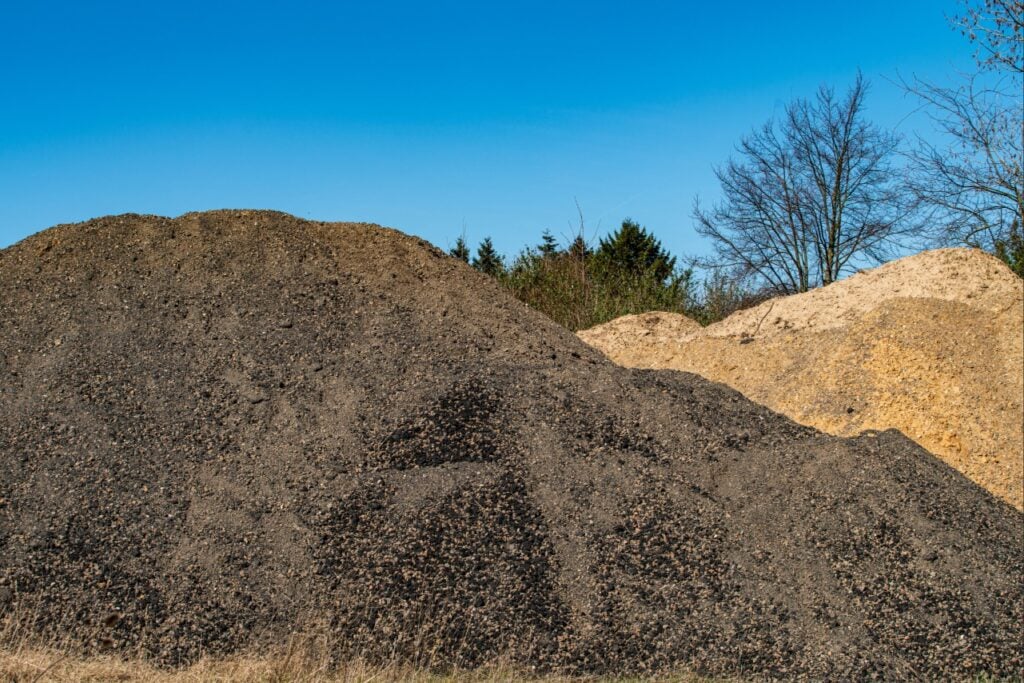
Topsoil vs fill dirt is a comparison many Florida homeowners make before beginning a landscaping, grading, or lawn improvement project. Although these materials may appear similar at first glance, they serve very different purposes. Choosing the wrong one can affect drainage, plant health, project stability, and long-term landscape performance.
Understanding the difference between topsoil and fill dirt helps ensure that your project starts with the right foundation, whether you are installing a new lawn, correcting drainage issues, building up low areas, or preparing for landscaping.
At Fine Design Outdoor Solutions, we help homeowners choose landscape materials that fit the needs of their properties and projects. From topsoil and fill dirt to mulch, sand, gravel, and sod, selecting the appropriate material can improve both the appearance and functionality of your outdoor space.
This guide explains topsoil vs fill dirt, when each should be used, and how to determine which material is right for your Florida landscape project.
What Is Topsoil?
When discussing topsoil vs fill dirt, it’s important to first understand what topsoil is.
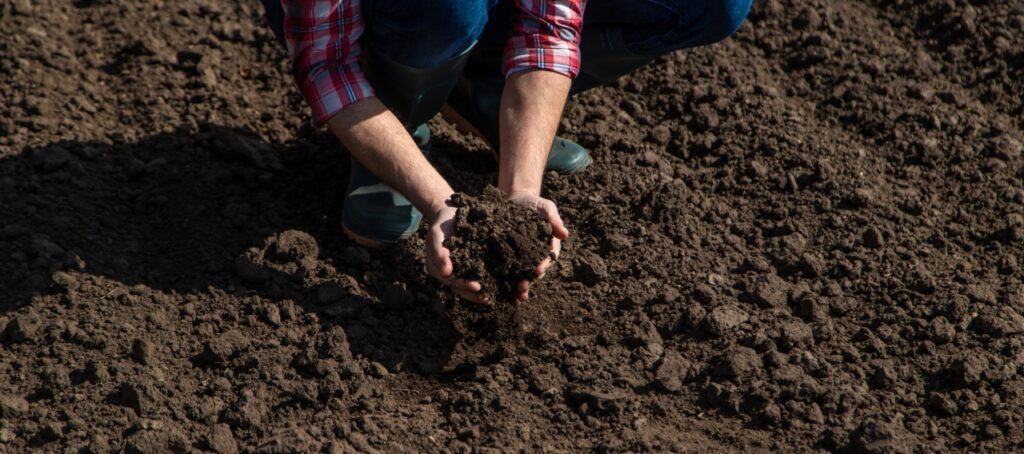
Topsoil is the uppermost layer of soil, typically rich in organic matter, nutrients, microorganisms, and natural minerals that support healthy plant growth. Because it contains decomposed organic material, topsoil is well suited for lawns, planting beds, gardens, trees, and shrubs.
Topsoil is commonly used for:
- Installing new lawns
- Preparing sod
- Planting flowers
- Garden beds
- Tree and shrub installation
- Improving existing soil
Quality topsoil helps retain moisture while allowing adequate drainage and provides an environment where roots can establish more easily.
For many residential landscaping projects, topsoil is an essential finishing material that supports healthy vegetation.
What Is Fill Dirt?
The other side of topsoil vs fill dirt is understanding how fill dirt differs.
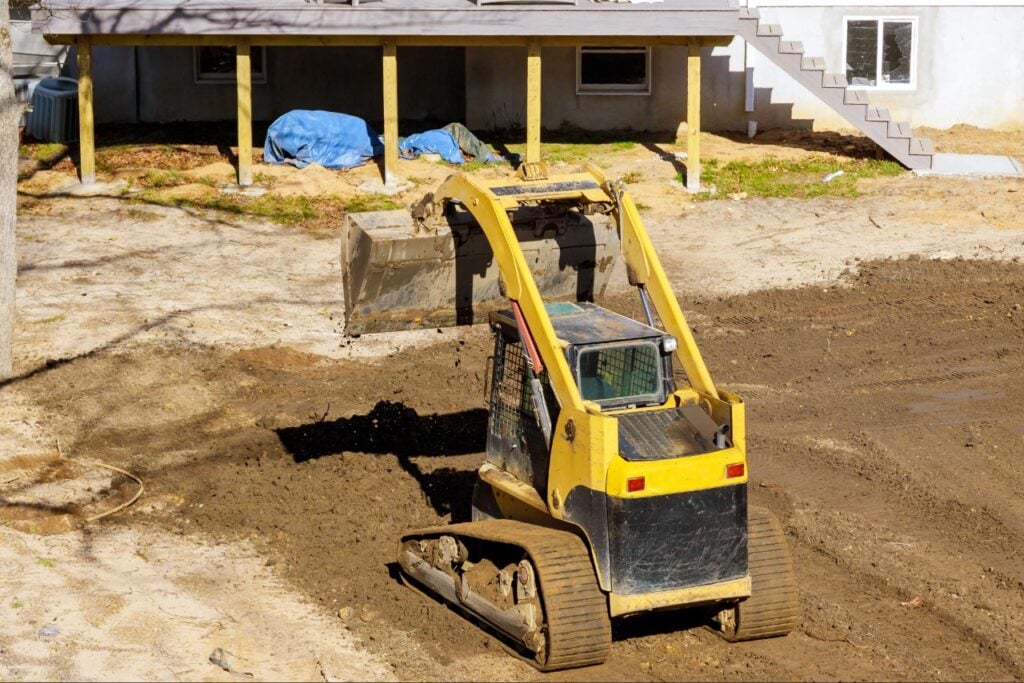
Fill dirt is a compact, stable material that contains very little organic matter. It is typically composed of subsoil, sand, clay, or small rocks removed from below the surface layer during excavation.
Unlike topsoil, fill dirt does not support plant growth.
Instead, it is commonly used for:
- Raising low areas
- Correcting grades
- Supporting foundations
- Filling holes
- Creating stable building surfaces
- Improving drainage grades
Because fill dirt contains very little organic material, it settles less over time and provides a stronger structural base than nutrient-rich topsoil.
Topsoil vs Fill Dirt: Understanding the Key Differences
Although both materials are used in landscaping projects, topsoil vs fill dirt comes down to their composition and intended purpose.
Organic Matter
Topsoil contains organic material that benefits plants.
Fill dirt contains very little organic matter and is designed for structural support rather than plant growth.
Nutrient Content
Topsoil supplies nutrients that encourage healthy root development.
Fill dirt offers little nutritional value for lawns or landscape plants.
Stability
Fill dirt compacts more firmly, making it suitable for grading and construction-related applications.
Topsoil remains looser to promote root growth and water movement.
Drainage
Both materials affect drainage differently depending on their composition and installation.
Proper grading with fill dirt may improve drainage, while quality topsoil supports healthy soil conditions above the finished grade.
Understanding these differences helps homeowners make better decisions when comparing topsoil vs fill dirt for their projects.
When Should You Use Topsoil?
Topsoil should generally be selected whenever healthy plant growth is the goal.
Common applications include:
- Installing new sod
- Repairing damaged lawns
- Filling planting beds
- Growing vegetables
- Planting shrubs
- Planting ornamental trees
- Refreshing existing landscape beds
Because topsoil contains organic matter, it creates an environment that supports root development and long-term plant health.
Using quality topsoil before installing sod can also improve establishment and overall lawn performance.
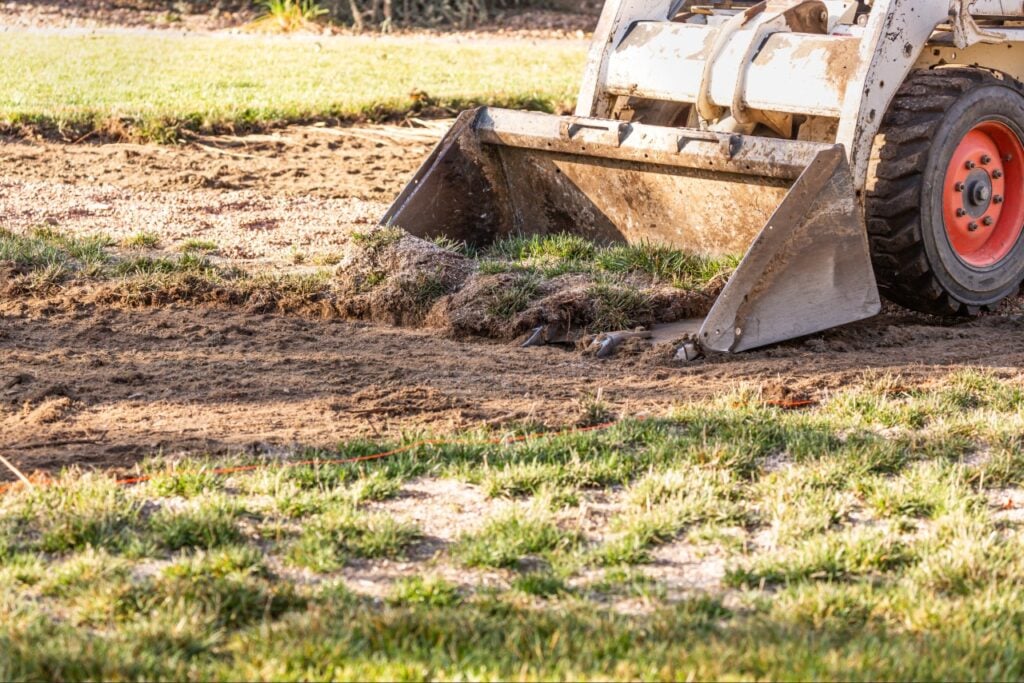
When Should You Use Fill Dirt?
When comparing topsoil vs fill dirt, fill dirt is the better choice whenever a project requires structural support rather than plant growth.
Fill dirt is commonly used for:
- Raising low areas of a property
- Correcting uneven grades
- Preparing land before construction
- Supporting patios and walkways
- Filling holes after excavation
- Creating a stable base for hardscape projects
- Improving site grading before landscaping begins
Because fill dirt contains very little organic material, it is less likely to settle significantly over time. This makes it a reliable choice for projects where stability is more important than fertility.
For example, if a section of your yard collects standing water because it sits lower than the surrounding landscape, fill dirt can help raise the grade before topsoil or sod is installed.
Can Topsoil and Fill Dirt Be Used Together?
Absolutely. In many Florida landscaping projects, the best solution is not choosing topsoil vs fill dirt, but using both materials together for different purposes.
A common approach includes:
- Use fill dirt to establish the desired grade and improve drainage.
- Compact the fill dirt to create a stable base.
- Add several inches of quality topsoil over the fill dirt.
- Install sod, plants, or landscape beds https://finedesignfl.com/landscaping/ on the prepared surface.
This layered approach provides structural stability while giving plants the nutrient-rich soil they need to establish healthy root systems.
For many lawn renovations and new landscape installations, combining the two materials produces better long-term results than using either one alone.
Common Mistakes Homeowners Make
Understanding topsoil vs fill dirt can help homeowners avoid several costly mistakes.
Using Fill Dirt for Planting
Because fill dirt contains very little organic matter, it should not be used as the primary growing medium for lawns, flowers, shrubs, or gardens.
Using Topsoil for Grading
Topsoil is designed to support plant growth, not structural stability. Using it to raise large sections of a yard may lead to settling over time.
Ignoring Drainage
Adding soil without correcting the underlying grade may leave existing drainage problems unresolved.
Before adding either material, homeowners should determine how water currently flows across the property and whether they need to improve the grading.
Ordering the Wrong Quantity
Estimating soil requirements incorrectly can delay a project or increase costs.
Measuring the project area and calculating the required depth before ordering helps ensure that you receive enough material while minimizing waste.
How to Choose the Right Material for Your Project
The best choice depends entirely on the purpose of the project.
Choose topsoil if you are:
- Installing sod
- Planting flowers
- Building garden beds
- Improving existing soil
- Planting trees or shrubs
Choose fill dirt if you are:
- Raising low spots
- Correcting drainage grades
- Preparing for construction
- Supporting hardscape installations
- Filling large depressions
If your project involves both grading and planting, using both materials together is often the most practical solution.
Knowing the differences between topsoil vs fill dirt helps homeowners choose materials that support both the immediate project and the long-term health of the landscape.
Work With a Trusted Landscape Supply Provider
Selecting the right landscape material is only part of a successful project. Material quality, proper quantities, and reliable delivery are equally important.
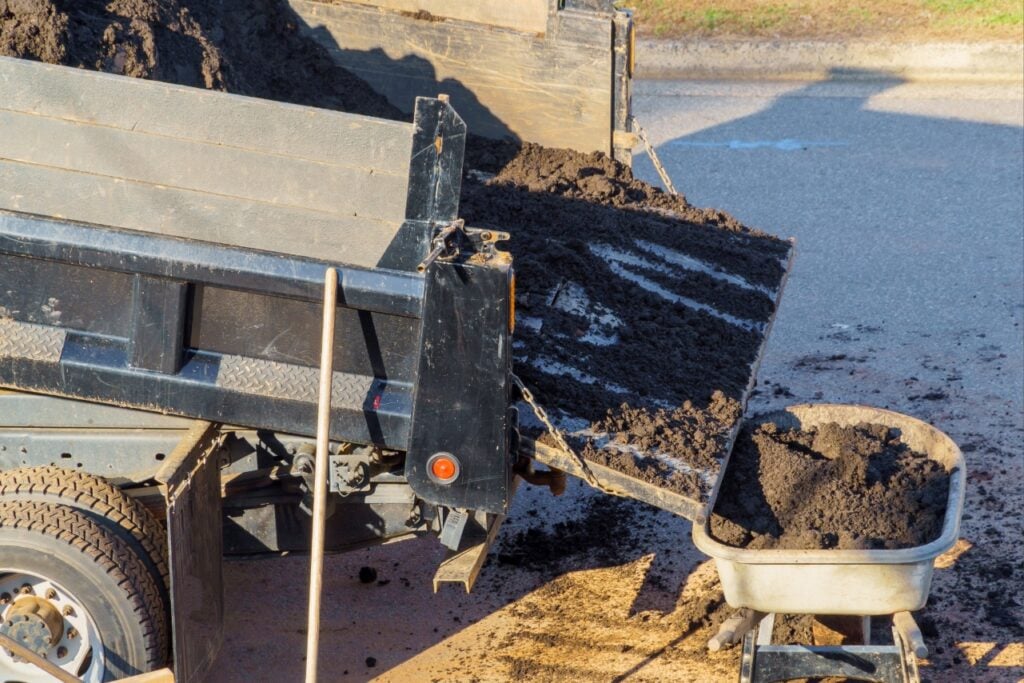
At Fine Design Outdoor Solutions, we help homeowners choose the right landscape supplies for projects of every size. Whether you need topsoil for a new lawn, fill dirt for grading, mulch for landscape beds, or gravel and sand for outdoor improvements, our team can recommend materials that fit your property’s specific needs.
When you plan properly before we deliver materials, you reduce waste, improve project efficiency, and create longer-lasting results.
Choose the Right Material With Confidence
Understanding topsoil vs fill dirt allows homeowners to make better decisions before beginning a landscaping or property improvement project.
While topsoil provides the nutrients and organic matter needed for healthy plant growth, fill dirt offers the stability required for grading and structural support. Using each material where it performs best can improve drainage, promote healthier landscapes, and help projects last longer.
Selecting the right material from the start is one of the most important decisions you can make, whether you are preparing for new sod, correcting drainage issues, or building a stronger foundation for your next outdoor project.
At Fine Design Outdoor Solutions, we’re committed to helping homeowners find the right landscape supplies for successful projects throughout Southwest Florida.
Frequently Asked Questions
-
What is the difference between topsoil vs fill dirt?
The main difference between topsoil vs fill dirt is their intended use. Topsoil contains organic matter and nutrients that support healthy plant growth, while fill dirt is a dense, stable material primarily used for grading, filling low areas, and providing structural support.
-
Can I plant grass directly on fill dirt?
Fill dirt is not intended for growing grass because it contains very little organic matter or nutrients. For best results, fill dirt should be covered with quality topsoil before installing sod or planting grass seed.
-
When should I use topsoil instead of fill dirt?
Topsoil is the better choice for planting trees, shrubs, flowers, and gardens and for installing new lawns. It provides the nutrients and growing conditions that plants need to establish healthy root systems.
-
Can topsoil and fill dirt be used together?
Yes. Many landscaping projects use fill dirt to establish the proper grade and topsoil as the finishing layer for planting. This combination provides both structural stability and healthy growing conditions.