
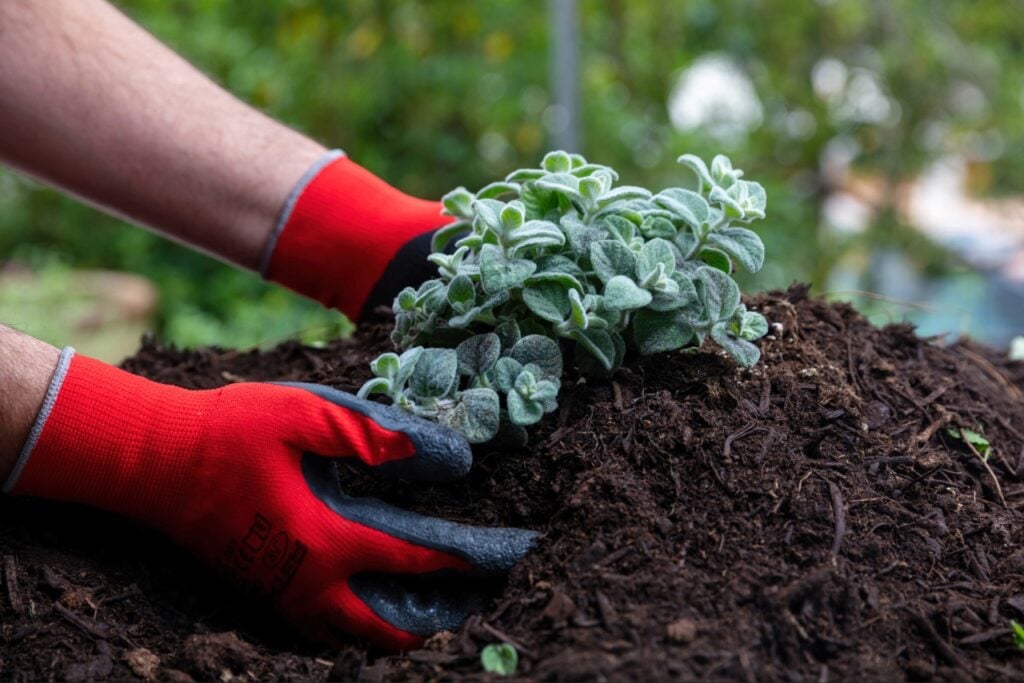
How much mulch do I need? It is one of the most common questions homeowners ask before starting a landscaping project. Buying too little mulch can leave landscape beds unfinished, while ordering too much can lead to unnecessary costs and leftover material that may be difficult to store.
For Florida homeowners, calculating the right amount of mulch is especially important. Heavy rainfall, intense heat, and active plant growth can all affect how landscape beds perform throughout the year. The right amount of mulch can help protect soil, conserve moisture, reduce weed growth, and improve the appearance of your property.
At Fine Design Outdoor Solutions, we help homeowners choose the right landscape materials for projects of different sizes and requirements. Knowing how to estimate mulch needs makes ordering easier and helps you plan your project more efficiently.
This guide explains how to measure landscape beds, determine the proper mulch depth, calculate the amount of material required, and decide whether bagged or bulk mulch is the better option.
Why Calculating the Right Amount of Mulch Matters
Before asking how much mulch do I need, homeowners should understand why accurate measurements matter.
The amount of mulch required depends primarily on three factors:
- The total area being covered
- The desired depth of the mulch
- The type and quantity of material being purchased
A small planting bed may only require a few bags, while a large residential landscape may require several cubic yards of bulk material.

Ordering the correct amount helps you:
- Avoid unnecessary material costs
- Reduce project delays
- Maintain consistent coverage
- Prevent uneven landscape beds
- Minimize leftover material
Accurate planning is particularly useful when ordering bulk landscape supplies because the quantity is usually calculated by volume rather than by individual bags.
How Much Mulch Do I Need for My Landscape Beds?
The first step in answering how much mulch do I need is determining the total square footage of the area you want to cover.
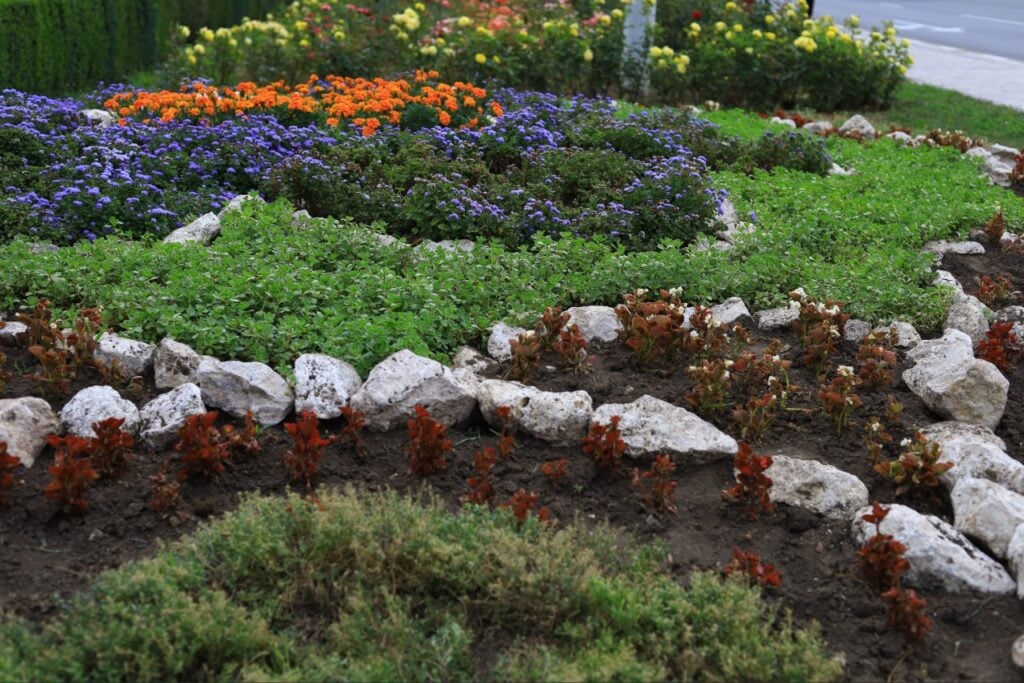
For simple rectangular landscape beds, multiply:
Length × Width = Square Feet
For example, a landscape bed measuring 20 feet long and 5 feet wide would cover 100 square feet.
If your property has multiple planting beds, measure each area separately and add the square footage together.
For example:
- Bed 1: 100 square feet
- Bed 2: 75 square feet
- Bed 3: 50 square feet
Total area: 225 square feet
Once you know the total area, you can determine how much material is needed based on the desired mulch depth.
How to Measure Irregularly Shaped Landscape Beds
Not every landscape bed is a perfect rectangle. Curved borders, kidney-shaped beds, and irregular planting areas can make measurements more difficult.
One practical approach is to divide the area into smaller sections that are easier to measure.
For example, an irregular bed can be divided into:
- Rectangles
- Squares
- Triangles
Measure each section separately and add the results together.
If the area is highly irregular, estimating the space by creating several smaller sections can still provide a useful approximation. For larger projects, professional measurement can help improve accuracy before ordering bulk materials.
How Deep Should Mulch Be?
Mulch depth is an important part of determining how much mulch do I need. For most residential landscape beds, a layer of approximately 2 to 3 inches is generally sufficient.
A proper layer of mulch can help:
- Retain soil moisture
- Reduce weed growth
- Protect plant roots
- Moderate soil temperature
- Improve the appearance of landscape beds
Applying too little mulch may provide limited coverage, while applying too much can create problems around plants and trees.
Homeowners should avoid piling mulch directly against tree trunks or plant stems. Excessive moisture around these areas can contribute to decay, disease, and other plant health concerns.
Why Florida’s Climate Affects Mulch Planning
Florida’s climate can influence how quickly mulch changes over time. Heavy rainfall can move or wash away mulch, while heat and moisture can accelerate the breakdown of some organic materials.
This means homeowners should consider more than just the initial quantity when planning a landscape project.
The type of mulch, the location of the landscape bed, the amount of rainfall, and the surrounding drainage conditions can all affect how long the material remains effective.
For homeowners asking, “How much mulch do I need?” the answer should therefore account for both the size of the project and the conditions of the property.
How to Calculate the Amount of Mulch You Need
Once you know the square footage of your landscape beds and the desired depth, you can estimate the volume of mulch required.
The basic calculation is:
Length × Width × Depth = Volume
Because mulch is commonly purchased by the cubic yard, the measurements must be converted appropriately when calculating larger quantities.
For example, suppose you have a landscape bed that is:
- 20 feet long
- 10 feet wide
- 3 inches deep
The total area is 200 square feet. At a 3-inch depth, the project would require approximately 1.85 cubic yards of mulch.
This type of calculation helps answer the question how much mulch do I need before placing an order.
For multiple landscape beds, calculate each section or combine the total square footage before determining the required volume.
How Many Cubic Yards of Mulch Do I Need?
Bulk mulch is typically sold by the cubic yard. One cubic yard covers a different amount of surface area depending on how deeply the material is applied.
As a general guide:
- 1 cubic yard at 2 inches deep covers approximately 180 square feet.
- 1 cubic yard at 3 inches deep covers approximately 120 square feet.
- 1 cubic yard at 4 inches deep covers approximately 90 square feet.
These estimates can help homeowners determine how much mulch do I need for a typical residential landscape project.
However, actual coverage can vary based on the material, how evenly you spread it, and the shape of the area you cover.
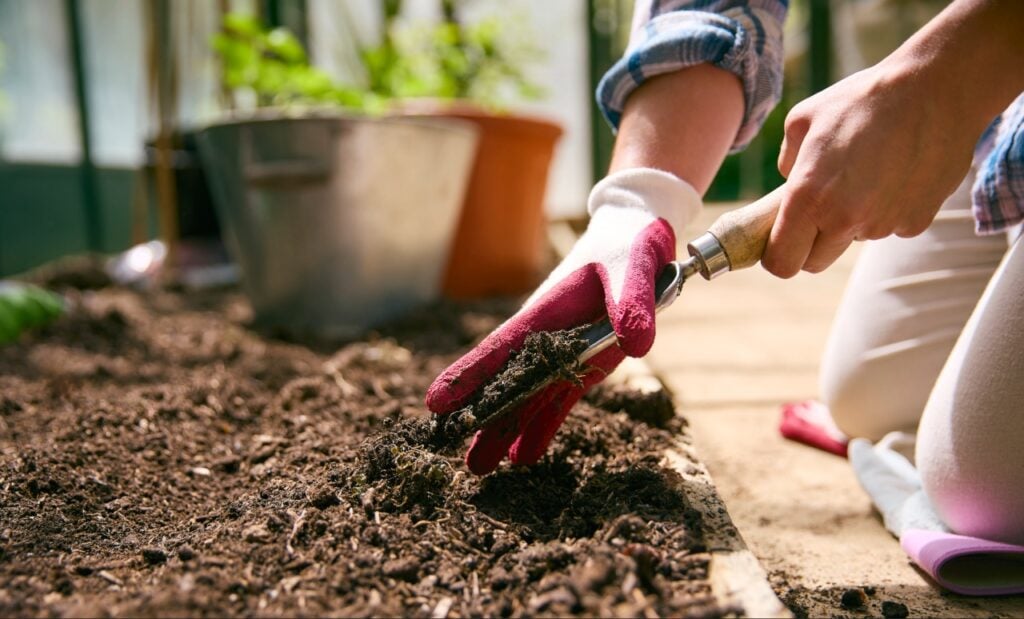
For larger projects, ordering slightly more material than the calculated minimum may be helpful. This can account for uneven surfaces, small measurement differences, and minor material loss during installation.
Bagged Mulch vs. Bulk Mulch
Homeowners often have two primary options when purchasing mulch: individual bags or bulk delivery.
Bagged Mulch
Bagged mulch may be convenient for:
- Small planting beds
- Minor landscape repairs
- Small garden projects
- Homeowners without space for bulk delivery
The bags are easy to transport and can be purchased in smaller quantities.
However, purchasing enough bags for a large landscape project can become pricier and time-consuming.
Bulk Mulch
Bulk mulch may be more practical for:
- Large landscape beds
- New landscaping projects
- Property-wide mulch installation
- Commercial properties
- Large residential yards
Bulk material can often provide better efficiency for larger projects because the mulch is delivered in a larger quantity rather than individual bags.
When determining how much mulch do I need, homeowners should consider both the total volume required and the most practical way to transport the material to the property.
What Type of Mulch Is Best for Florida?
The right mulch material depends on the goals of your landscape project.
Common options include:
Pine Bark Mulch
Pine bark is a popular organic material that provides a natural appearance and can gradually contribute organic matter to the soil as it breaks down.
Hardwood Mulch
Hardwood mulch can provide a long-lasting option for residential landscape beds. It is often chosen for its appearance and ability to create a consistent finished look.
Eucalyptus Mulch
Eucalyptus mulch is another organic option that can be used in a variety of landscape applications.
Decorative Mulch
Decorative mulch may be selected primarily for its color and appearance. It can help create a more polished look around plants, trees, and other landscape features.
The best choice depends on your landscape design, plant requirements, maintenance preferences, and budget.
Common Mulch Ordering Mistakes
Even homeowners who carefully measure their landscape beds can make mistakes when ordering mulch.
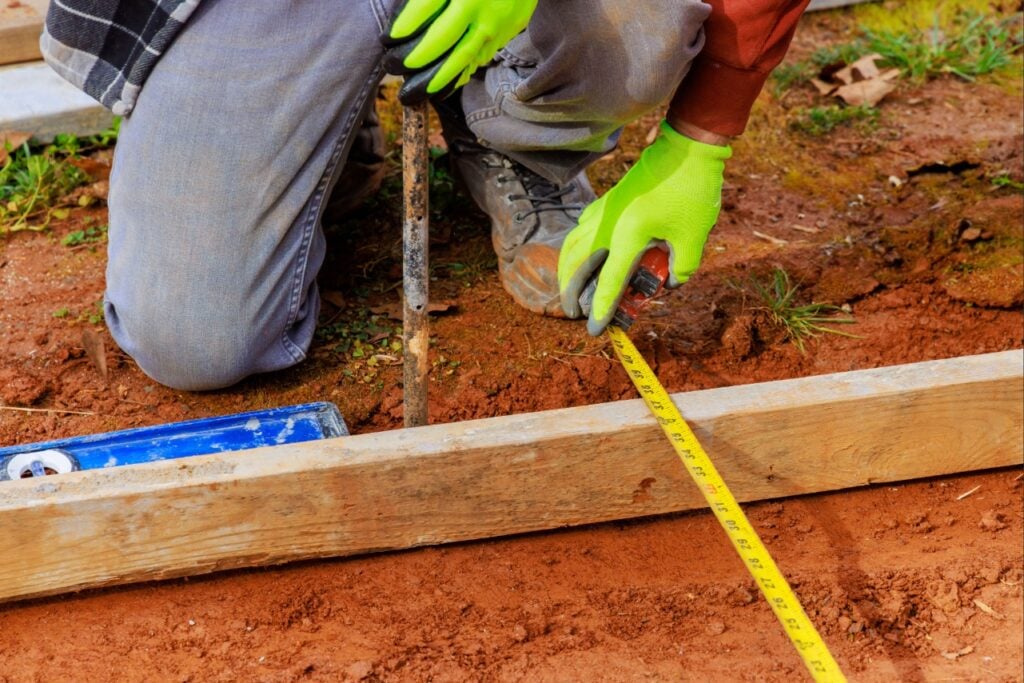
Common problems include:
Measuring Only One Section
If your landscape contains multiple planting beds, measuring only one area can result in a significant underestimation.
Applying Too Much Mulch
More mulch is not always better. Excessive depth can create problems around plants and trees.
Forgetting Existing Material
If old mulch is already present, homeowners should determine whether it needs to be removed, redistributed, or simply refreshed before ordering additional material.
Ignoring Access for Bulk Delivery
Bulk mulch requires a suitable delivery location. Narrow driveways, gates, landscaping features, and other obstacles can limit where we can place the material.
Ordering Based Only on Bags
A large number of individual bags can quickly add up. Comparing the total volume required with bulk options may provide a more practical solution for larger projects.
Understanding these common mistakes makes it easier to determine how much mulch do I need and how to order it efficiently.
When Professional Help Makes Sense
For small projects, homeowners can often measure the area and estimate how much mulch they need themselves.
However, larger or more complex projects may benefit from professional guidance.
Professional assistance can be useful when:
- Landscape beds have irregular shapes.
- Multiple areas need to be covered.
- The property has drainage concerns.
- Existing mulch needs to be evaluated.
- Bulk delivery requires careful planning.
- Several landscape materials are being ordered together.
At Fine Design Outdoor Solutions, we help homeowners select appropriate landscape materials for their projects. Whether you need mulch for a small planting bed or a larger residential landscape project, proper planning can help you avoid unnecessary waste and improve the final result.
Frequently Asked Questions
-
How much mulch do I need for a typical landscape bed?
The amount depends on the total square footage of the area and the desired mulch depth. As a general guide, one cubic yard of mulch covers approximately 180 square feet at 2 inches deep or about 120 square feet at 3 inches deep.
-
How deep should mulch be in a Florida landscape?
Most residential landscape beds generally benefit from approximately 2 to 3 inches of mulch. Applying too much mulch can create excessive moisture around plant stems and tree trunks.
-
Is bulk mulch better than bagged mulch?
Bulk mulch is often more practical for larger landscaping projects because it can be delivered in larger quantities. Bagged mulch may be more convenient for small planting beds or minor landscape projects.
-
How do I calculate how much mulch I need?
Measure the length and width of the area, calculate the total square footage, and then account for the desired mulch depth. Multiple landscape beds should be measured separately or combined to determine the total amount of material required.