
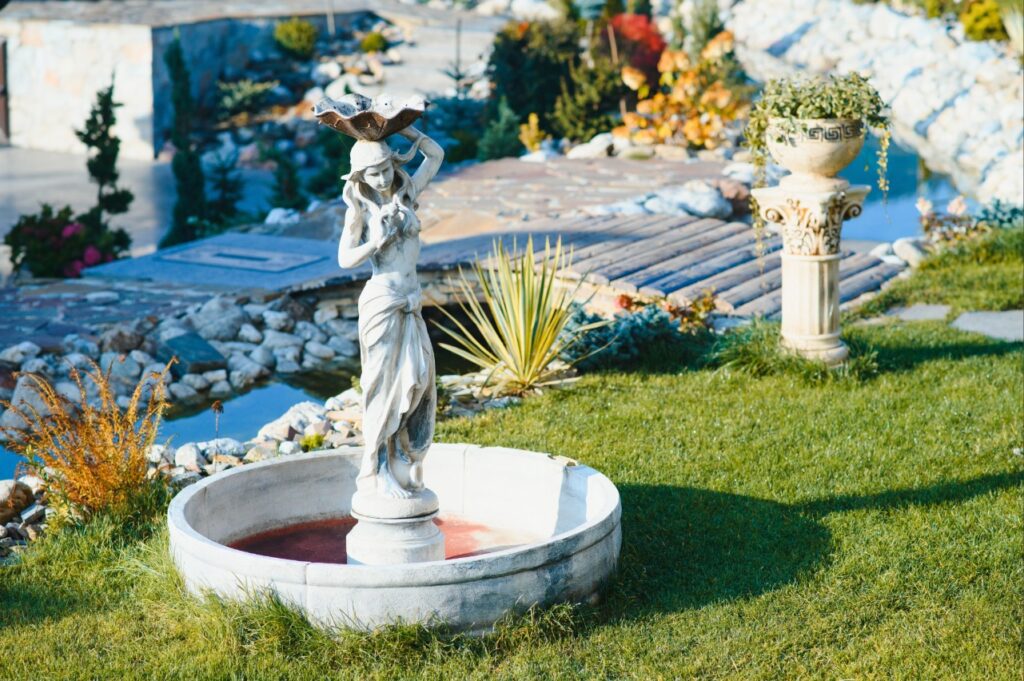
Florida mosquito control is an important part of maintaining a comfortable and usable outdoor space. Florida’s warm temperatures, high humidity, frequent rainfall, and long growing season create conditions where mosquitoes can remain active for much of the year. Even a small amount of standing water around a property can provide mosquitoes with an opportunity to reproduce.
At Fine Design Outdoor Solutions, we understand that maintaining a healthy landscape involves more than mowing grass and caring for plants. Managing conditions that attract mosquitoes is also an important part of protecting your outdoor environment. By combining good property maintenance with effective Florida mosquito control practices, homeowners can reduce mosquito-friendly conditions around their yards.
This guide covers practical steps Florida homeowners can take to reduce mosquito activity and make their outdoor spaces more comfortable.
Why Florida Mosquito Control Matters for Your Yard
Florida’s climate provides many of the conditions mosquitoes need to survive and reproduce. Warm weather allows mosquito populations to remain active for extended periods, while rainfall can create temporary breeding areas throughout residential properties.
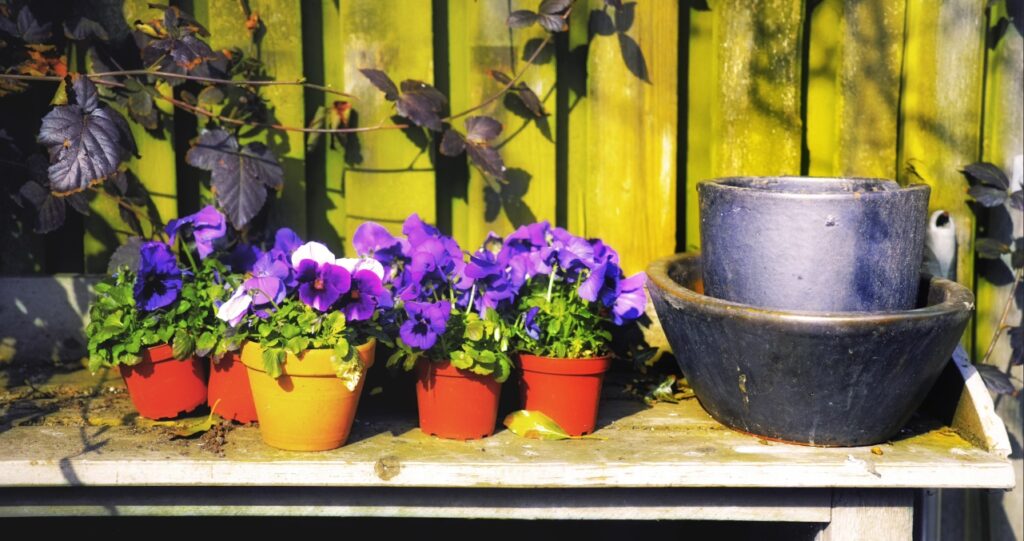
Common mosquito-friendly conditions include:
- Standing water in containers
- Clogged gutters
- Poorly draining areas
- Overgrown vegetation
- Unmaintained water features
- Wet areas around irrigation systems
Because mosquitoes can reproduce in relatively small amounts of water, homeowners should regularly inspect their property for areas where water may collect.
Effective Florida mosquito control begins with identifying and eliminating these conditions whenever possible.
1. Eliminate Standing Water Around Your Property
Removing standing water is one of the most important steps homeowners can take to reduce mosquito activity.
Check your property regularly for water collecting in:
- Plant saucers
- Buckets
- Children’s toys
- Wheelbarrows
- Outdoor containers
- Tarps
- Unused equipment
Even small containers can collect enough water to create a potential mosquito breeding area after rainfall.
Emptying these containers regularly is a simple but effective part of Florida mosquito control. Homeowners should also turn containers upside down or store them in covered areas when they are not in use.
2. Keep Gutters and Drainage Areas Clear
Clogged gutters can hold stagnant water for extended periods. Leaves, twigs, and other debris can prevent water from flowing properly, creating conditions that attract mosquitoes.
Regularly inspect and clean:
- Roof gutters
- Downspouts
- Drainage channels
- Yard drains
- Low areas around the property
Proper drainage helps move rainwater away from your home and landscape. It also reduces the number of areas where mosquitoes can find standing water.
For homeowners dealing with recurring mosquito problems, improving drainage can be an important part of a broader Florida mosquito control strategy.
3. Maintain Your Lawn and Landscape
Overgrown lawns and dense vegetation can create shaded, humid areas where mosquitoes are more likely to rest during the day.
Regular landscape maintenance can help improve airflow and reduce excessive moisture around your property.
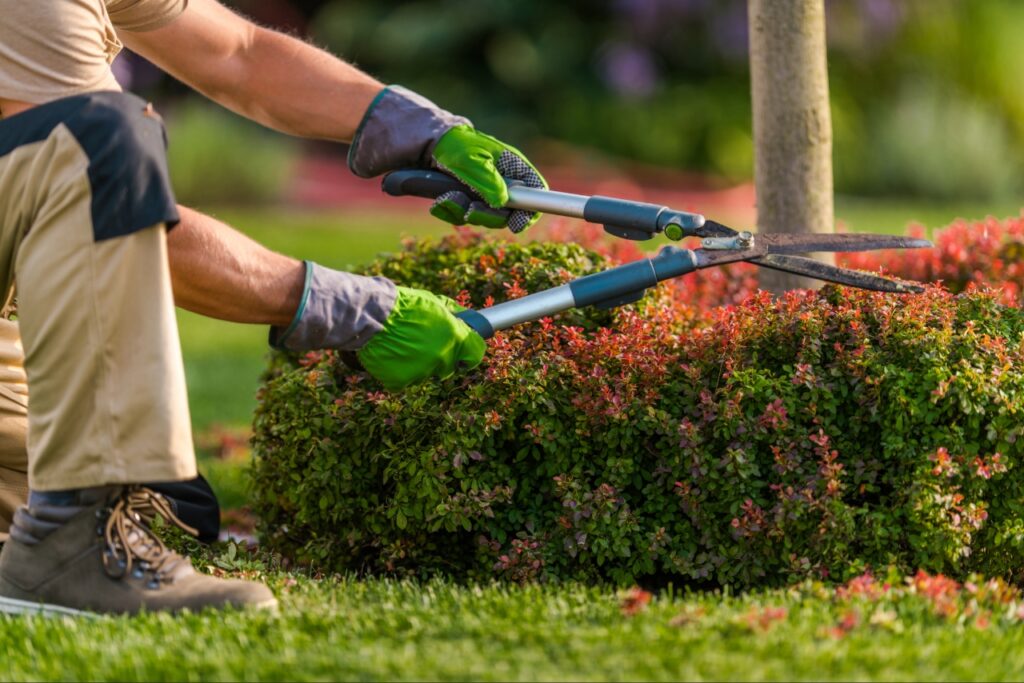
Important maintenance tasks include:
- Mowing the lawn regularly
- Trimming overgrown vegetation
- Removing fallen leaves
- Pruning dense shrubs
- Clearing excessive plant debris
A well-maintained landscape does not eliminate mosquitoes completely, but it can reduce the number of sheltered areas where they rest.
Landscape maintenance should therefore be considered an important part of long-term Florida mosquito control for homeowners.
4. Trim Dense Vegetation Near Outdoor Living Areas
Mosquitoes often seek shaded, protected areas during the hottest parts of the day. Dense shrubs, thick groundcover, and overgrown vegetation near patios or seating areas can provide suitable resting locations.

Consider trimming vegetation around:
- Patios
- Pool areas
- Outdoor kitchens
- Walkways
- Entryways
Creating more open space around frequently used areas can improve airflow and make these spaces less attractive to resting mosquitoes.
However, vegetation should be maintained carefully. The goal is not to remove healthy landscaping but to manage excessive growth and moisture that may contribute to mosquito activity.
5. Maintain Pools and Water Features
Swimming pools and decorative water features should be maintained properly to help reduce mosquito-friendly conditions. Mosquitoes are attracted to stagnant water, so water that is not circulating or treated correctly may create concerns.
Homeowners should:
- Keep swimming pools properly maintained.
- Check decorative ponds and water features regularly.
- Make sure water is circulating where appropriate.
- Remove organic debris that accumulates on the water’s surface.
- Inspect areas around water features for additional standing water.
While properly maintained pools are generally not the same as neglected containers or stagnant areas, nearby water accumulation should still be addressed as part of a complete Florida mosquito control approach.
6. Check Irrigation Systems for Leaks and Overspray
Irrigation systems are essential for maintaining healthy Florida landscapes, but poorly adjusted systems can contribute to excessive moisture.
Broken sprinkler heads, leaking pipes, and excessive overspray may create wet areas around lawns, planting beds, sidewalks, and other parts of the property.
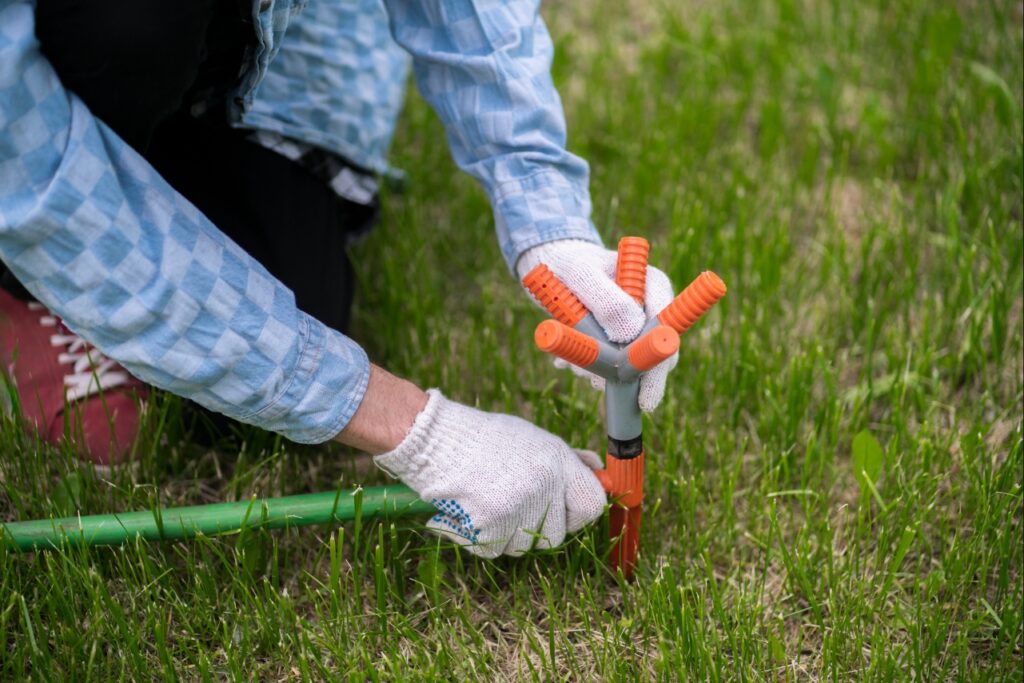
Inspect your irrigation system for:
- Leaking sprinkler heads
- Broken components
- Overspray onto hard surfaces
- Water pooling after irrigation cycles
- Areas that remain consistently wet
Correcting these problems can help reduce unnecessary moisture while improving irrigation efficiency. Proper watering practices also support a healthier landscape that is less likely to develop additional maintenance problems.
7. Improve Airflow Around Outdoor Living Areas
Mosquitoes are weak fliers compared with many other insects, which means air movement can make outdoor areas less comfortable for them.
Outdoor fans can be helpful around the following:
- Covered patios
- Screened porches
- Outdoor kitchens
- Pool seating areas
Fans do not eliminate mosquito populations, but increased air movement may make certain outdoor spaces less attractive and comfortable for mosquitoes.
Combining airflow improvements with other Florida mosquito control measures can help homeowners enjoy their outdoor areas more comfortably.
8. Use Screens and Barriers Where Appropriate
Physical barriers can help reduce mosquito exposure in areas where people spend time outdoors.
Screened enclosures, properly fitted doors, and intact window screens can help limit mosquitoes from entering indoor and enclosed living spaces.
Homeowners should inspect screens for:
- Tears
- Gaps
- Loose edges
- Damaged frames
Keeping these barriers in excellent condition is a practical part of protecting your household from mosquitoes.
9. Consider Professional Mosquito Control for Persistent Problems
Some mosquito problems continue despite regular property maintenance. Large properties, recurring drainage issues, dense vegetation, and nearby environmental conditions can all contribute to persistent mosquito activity.
If mosquitoes remain a serious problem, professional services may help identify contributing conditions and develop a more targeted approach.
At Fine Design Outdoor Solutions, we understand how Florida’s climate affects outdoor spaces and the conditions that can contribute to pest activity. Professional guidance can help homeowners address landscape-related factors while developing a more comprehensive Florida mosquito control strategy.
Combine Prevention With Consistent Maintenance
The most effective approach to mosquito management usually involves multiple preventive steps rather than relying on a single solution.
Homeowners can reduce mosquito-friendly conditions by:
- Removing standing water
- Maintaining drainage areas
- Keeping vegetation under control
- Correcting irrigation problems
- Maintaining water features
- Using screens and outdoor fans
Regular property inspections are especially important after heavy rainfall. Water that was not present during a routine inspection can collect quickly after a storm.
By making mosquito prevention part of regular landscape maintenance, homeowners can address problems before mosquito activity becomes more difficult to manage.
When Should Florida Homeowners Seek Professional Help?
Professional assistance may be worth considering when mosquito activity remains persistent despite consistent maintenance.
Homeowners may benefit from professional guidance when:
- Mosquitoes are present throughout the property.
- Standing water problems keep coming back.
- The property contains extensive landscaping.
- Drainage or irrigation issues are difficult to identify.
- Outdoor spaces are frequently used but uncomfortable.
A professional evaluation can help identify conditions that may not be obvious to homeowners. Addressing the underlying landscape conditions can be an important step toward more effective long-term Florida mosquito control.
Conclusion
Mosquitoes are a common challenge for Florida homeowners, but regular maintenance can help reduce the conditions that allow them to thrive. Eliminating standing water, maintaining gutters, managing vegetation, checking irrigation systems, and keeping outdoor areas properly maintained are all practical ways to reduce mosquito-friendly conditions.
Effective Florida mosquito control starts with consistent property care and attention to the small areas where water and moisture can accumulate. When mosquito activity continues despite preventive efforts, professional guidance can help homeowners identify additional concerns and determine appropriate next steps.
At Fine Design Outdoor Solutions, we help homeowners maintain healthier, more functional outdoor spaces. By combining proper landscape maintenance with practical pest prevention strategies, Florida homeowners can make their yards more comfortable and enjoyable throughout the year.
Frequently Asked Questions
-
What is the best way to reduce mosquitoes in a Florida yard?
The best approach combines several preventive steps, including removing standing water, maintaining gutters and drainage areas, managing dense vegetation, checking irrigation systems, and keeping outdoor spaces properly maintained. These measures help reduce the conditions mosquitoes need to reproduce and rest.
-
How often should I check my yard for standing water?
Homeowners should inspect their property regularly, especially after heavy rainfall. Water can collect quickly in plant saucers, containers, toys, clogged gutters, and low areas of the landscape. Regular inspections are an important part of Florida mosquito control.
-
Can landscaping contribute to mosquito problems?
Yes. Overgrown vegetation, poor drainage, excessive irrigation, and areas of standing water can all contribute to mosquito-friendly conditions. Proper landscape maintenance can help reduce excessive moisture and shaded areas where mosquitoes may rest.
-
When should I consider professional mosquito control?
Professional assistance may be appropriate when mosquito activity remains persistent despite regular property maintenance or when recurring drainage, irrigation, or landscape conditions are difficult to identify and correct.