
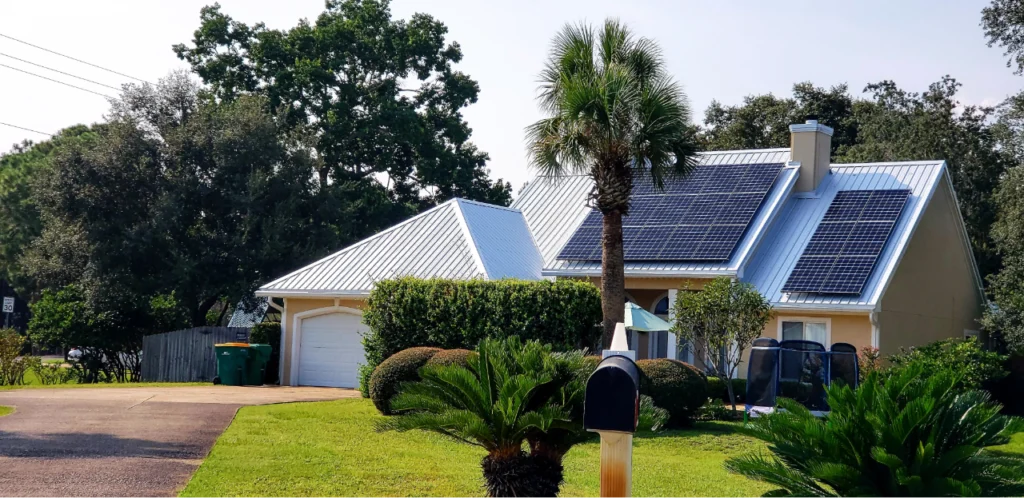
Best plants for Florida landscaping play a key role in creating a beautiful outdoor space in Florida, where simply choosing attractive flowers or shrubs is not enough. The state’s climate ranges from tropical to subtropical, with sandy soils, seasonal droughts, and heavy storms all influencing which plants will thrive over time. Selecting the right plants for Florida landscaping helps homeowners enjoy vibrant outdoor environments while reducing maintenance, conserving water, and increasing property value.
Fine Design Outdoor Solutions helps homeowners in Port Charlotte and Southwest Florida develop healthy and beautiful landscapes all year long. No matter what the project—invigorate your front yard, create new landscaping beds, or design a total outdoor transformation—the appropriate plant choices are one of the most critical decisions you’ll make.
This guide provides guidance on selecting the right plants for Florida landscape design, shows some of the most reliable plant types for Southwest Florida, and offers professional advice on keeping your landscape thriving in every season.
Why Plant Selection Matters in Florida
Florida has its own set of growing conditions that are not like most other areas in the country. Plants that are not acclimated to the local environment can experience stress from high temperatures, humidity, heavy summer rains, and infrequent droughts. By choosing the best plants for Florida landscaping, you create an outdoor space that not only looks beautiful but also requires less maintenance and fewer resources.
Proper plant selection offers several benefits, including:
- Lower irrigation requirements
- Better resistance to pests and diseases
- Improved tolerance to heat and humidity
- Reduced fertilizer needs
- Longer-lasting curb appeal
Homeowners who invest in the best plants for Florida landscaping often spend less time replacing damaged plants and more time enjoying their outdoor living spaces.
Consider Your Landscape’s Sun Exposure
One of the first steps in choosing the best plants for Florida landscaping is evaluating how much sunlight different areas of your yard receive.
Full Sun Areas
Choose plants that tolerate heat and drought and that grow in full sun—at least six or more hours of direct sunlight. Many flowering plants, ornamental grasses, and palms do quite well in these conditions.
Partial Shade
Filtered sunlight is common under mature trees or on the sides of homes. These sites are great for tropical foliage plants and shade-loving shrubs.
Full Shade
Covered patios and heavily shaded spaces require plants that can thrive with limited sunlight while maintaining lush foliage.
Understanding your property’s light conditions allows you to select the best plants for Florida landscaping that will flourish in their specific environment.
Native Plants Make Landscaping Easier
Florida native plants have naturally adapted to the state’s climate and soils over thousands of years. These species generally require less irrigation, fewer fertilizers, and minimal maintenance once established.
Some excellent native choices include the following:
- Firebush
- Beautyberry
- Coontie Palm
- Simpson’s Stopper
- Muhly Grass
Native species also provide food and shelter for birds, butterflies, and beneficial pollinators, creating a healthier landscape ecosystem.
At Fine Design Outdoor Solutions, we frequently recommend incorporating native species alongside ornamental plants to achieve both beauty and sustainability.
Best Flowering Plants for Florida Landscapes
Colorful flowers instantly enhance curb appeal. Fortunately, many flowering plants thrive in Southwest Florida’s climate.
Hibiscus
Known for its large tropical blooms, hibiscus provides vibrant color nearly year-round.
Pentas
Pentas attract butterflies while producing continuous clusters of colorful flowers.
Bird of Paradise
This dramatic tropical plant creates an elegant focal point with its unique blooms and lush foliage.
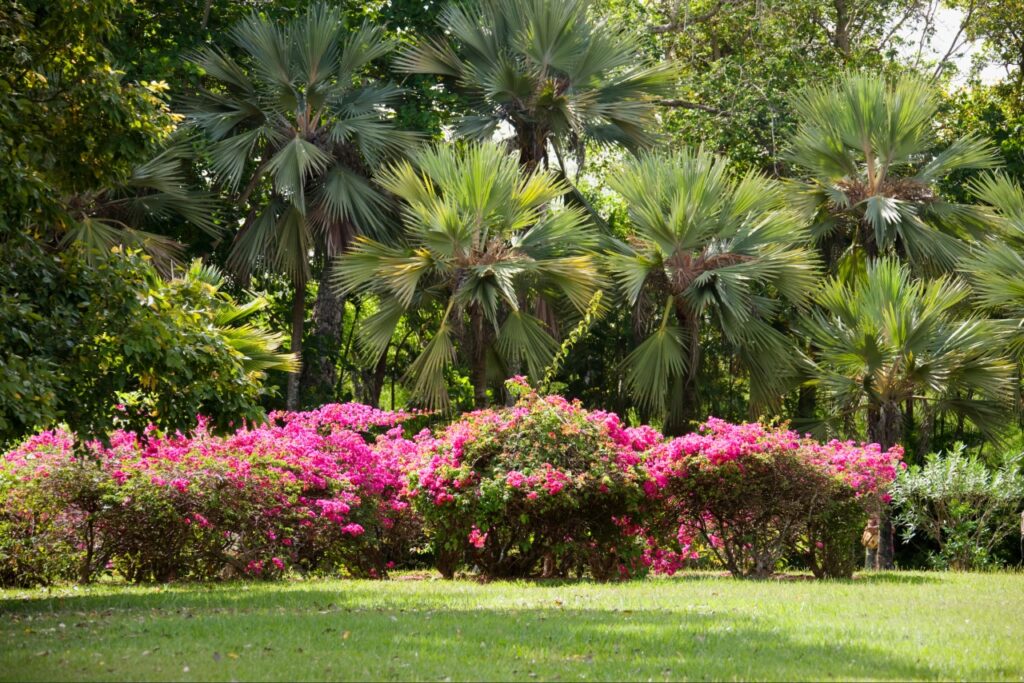
Bougainvillea
Perfect for trellises, fences, or accent planting, bougainvillea delivers stunning bursts of color while tolerating Florida’s heat.
Selecting flowering varieties among the best plants for Florida landscaping creates seasonal interest without requiring excessive maintenance.
Shrubs That Add Privacy and Structure
Shrubs serve multiple purposes within a landscape design. They define spaces, soften foundations, create privacy, and enhance curb appeal.
Popular shrubs include:
- Viburnum
- Podocarpus
- Croton
- Dwarf Ixora
- Indian Hawthorn
These shrubs perform well throughout Southwest Florida and complement both modern and traditional landscape designs.
When choosing shrubs, consider mature size rather than the plant’s appearance at purchase. Proper spacing allows plants to reach their natural shape without overcrowding.
Palm Trees: A Florida Favorite
No Florida landscape feels complete without palms. They instantly create a tropical atmosphere while requiring relatively little maintenance once established.
Popular options include:
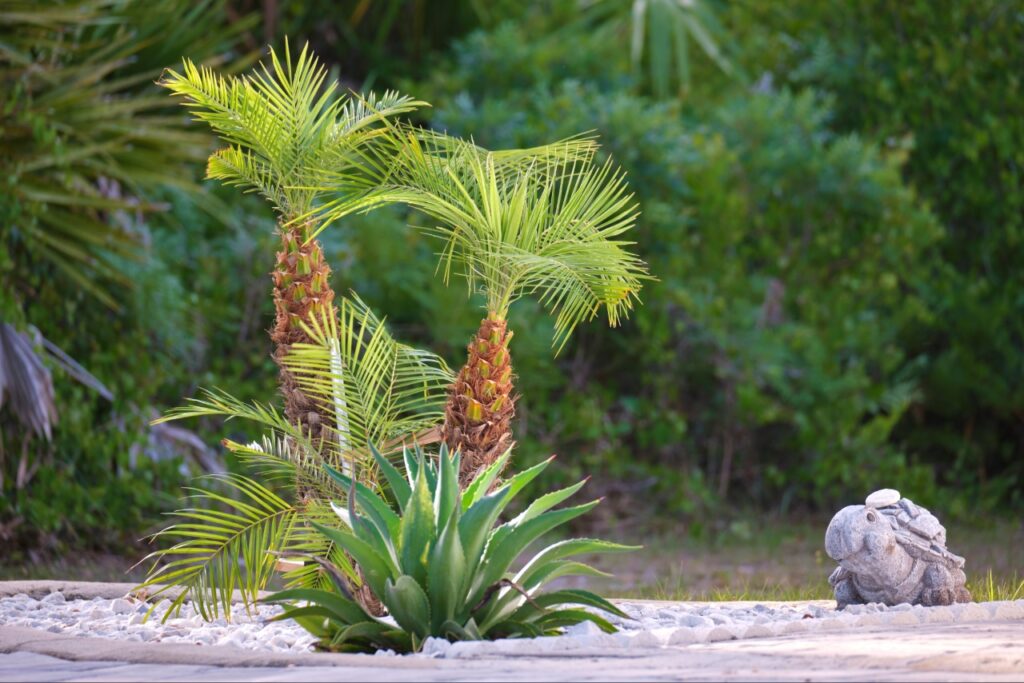
- Foxtail Palm
- Christmas Palm
- Areca Palm
- Sabal Palm
- Pygmy Date Palm
Different palm species serve different purposes, from providing privacy to creating dramatic focal points.
Choosing the right palm depends on available space, sunlight, and the overall landscape design.
Ornamental Grasses for Texture
Many homeowners overlook ornamental grasses when selecting the best plants for Florida landscaping, yet they provide movement, texture, and year-round interest.
Excellent choices include:
- Muhly Grass
- Fakahatchee Grass
- Lemon Grass
- Fountain Grass
These grasses pair beautifully with flowering shrubs and tropical foliage while requiring relatively little maintenance.
Think Beyond Appearance
Although aesthetics are important, homeowners should also evaluate practical considerations when selecting landscape plants.
Ask yourself:
- How much maintenance does this plant require?
- Does it tolerate drought?
- Is it resistant to common Florida pests?
- Will it outgrow the available space?
- Does it complement nearby plants?
Balancing beauty with functionality helps create landscapes that remain attractive for years without becoming difficult to maintain.
Choose Drought-Tolerant Plants for Long-Term Success
Florida does get a lot of rain in the summer, but there are long dry spells at other times of the year. One of the best strategies to develop a resilient, less water-dependent environment is the selection of drought-tolerant species.
Some of the best plants for Florida landscaping that tolerate dry conditions include:
- Coontie Palm
- Firebush
- Society Garlic
- Agave
- Muhly Grass
- Blue Daze
- Simpson’s Stopper
These plants continue to thrive even when rainfall is limited, making them an excellent investment for homeowners who want a beautiful landscape with lower maintenance requirements.
Layer Your Landscape for Maximum Visual Appeal
Professional landscape designers rarely place plants randomly. Instead, they create depth and dimension by layering plants according to their mature height.
A balanced landscape typically includes:
Background Layer
Use taller trees, palms, or privacy shrubs to establish structure.
Middle Layer
Medium-sized shrubs and flowering plants add color and soften the landscape.
Front Layer
Groundcovers, ornamental grasses, and seasonal flowers provide texture and create a polished appearance.
This layered approach creates a landscape that looks natural, balanced, and professionally designed while allowing each plant to receive adequate sunlight and airflow.
Consider Seasonal Interest
A well-designed landscape should look attractive throughout the year—not just during one season.
When selecting the best plants for Florida landscaping, combine species that bloom or provide visual interest at different times of the year.
Examples include:
- Spring: Hibiscus, Pentas
- Summer: Bird of Paradise, Bougainvillea
- Fall: Muhly Grass
- Winter: Crotons, Areca Palms, Podocarpus
By mixing evergreen plants with seasonal bloomers, your landscape will continue to look vibrant regardless of the season.
Avoid Common Planting Mistakes
Even the healthiest plants can struggle if they are installed incorrectly. Homeowners often make simple mistakes that reduce plant health and longevity.
Some of the most common include the following:
Planting Too Close Together
Young plants may appear small, but many species grow rapidly in Florida. Crowding reduces airflow and increases the risk of disease.
Ignoring Drainage
Poor drainage can lead to root rot, especially during Florida’s rainy season.
Overwatering
Many newly installed landscapes receive more water than necessary. Once established, many Florida plants require significantly less irrigation.
Choosing Plants Based Only on Appearance
Beautiful plants that don’t suit Florida’s climate often need excessive maintenance and replacement.
Working with experienced professionals helps homeowners avoid these costly mistakes.
The Benefits of Professional Landscape Planning
Choosing the best plants for Florida landscaping is only one part of creating an exceptional outdoor space. Proper design, spacing, irrigation planning, and soil preparation all contribute to a successful landscape.
At Fine Design Outdoor Solutions, we design landscapes that are tailored to Southwest Florida’s climate and each homeowner’s unique vision. Our team carefully considers:
- Sunlight exposure
- Soil conditions
- Drainage
- Property layout
- Plant compatibility
- Long-term maintenance needs
This personalized approach results in landscapes that remain healthy, beautiful, and functional for years to come.
Why Homeowners in Port Charlotte Trust Fine Design Outdoor Solutions
Homeowners in Port Charlotte turn to Fine Design Outdoor Solutions because we understand the particular problems of Southwest Florida landscaping.
Whether you are wanting to update your existing landscape or create something new, we give professional advice and quality installation for the most beautiful, durable results possible.
We offer the following landscaping services:
- Landscape Design and Installation
- Mulch Installation
- Decorative Rock Installation
- Sod Installation
- Irrigation Systems
- Landscape Supplies
- other services
By selecting the best plants for Florida landscaping, combined with professional installation and ongoing maintenance, homeowners can enjoy outdoor spaces that remain attractive throughout every season.
Final Thoughts
Choosing the best plants for Florida landscaping is one of the most important investments you can make in your property’s beauty and long-term value. By selecting plants that are well-suited to Florida’s climate, considering sunlight and drainage conditions, and incorporating native and drought-tolerant species, you can create a landscape that is both visually stunning and easy to maintain.
If you’re planning to enhance your outdoor space, the team at Fine Design Outdoor Solutions is here to help. From expert landscape design and plant selection to complete installation services, we proudly serve homeowners throughout Port Charlotte and the surrounding Southwest Florida communities. Let us help you create a landscape that thrives year-round and enhances your home’s curb appeal for years to come.
Check Florida-Friendly Landscaping
Frequently Asked Questions
-
What are the best plants for Florida landscaping?
Some of the best plants for Florida landscaping include Firebush, Hibiscus, Pentas, Coontie Palm, Muhly Grass, Bird of Paradise, Simpson’s Stopper, and Areca Palm. These plants perform well in Florida’s climate while providing year-round beauty.
-
Should I use native plants in my Florida landscape?
Yes. Native plants are naturally adapted to Florida’s climate and soil conditions, requiring less water, fertilizer, and maintenance than many non-native species. They also support local wildlife and pollinators.
-
What low-maintenance plants grow well in Southwest Florida?
Low-maintenance options include Coontie Palm, Muhly Grass, Firebush, Agave, Society Garlic, Podocarpus, and Crotons. These plants are known for their durability and drought tolerance.
-
How do I choose the right plants for my yard?
Start by evaluating your property’s sunlight, drainage, soil type, and available space. Choosing plants that match these conditions will improve their long-term health and reduce maintenance. A professional landscape designer can also recommend the best plant combinations for your goals.