
This Florida landscaping guide is designed to help homeowners plan better lawn care, irrigation, soil improvement, mulching, tree trimming, sod installation, and outdoor design. Landscaping in Florida requires a different mindset than landscaping in many other parts of the country because heat, humidity, sandy soil, intense rainfall, long growing seasons, and storm exposure all affect how the property performs.
For Florida homeowners, landscaping is not just about appearance. It is about protecting the condition of the lawn, keeping irrigation efficient, maintaining tree safety, preserving planting beds, and making the outdoor space feel complete and usable year-round. A strong landscape improves curb appeal, supports property value, and reduces the need for larger corrective work later.
This Florida landscaping guide explains the key parts of residential outdoor care, including lawn care, irrigation, mulching, tree trimming, sod installation, seasonal planning, and long-term outdoor design strategy. When you manage these elements together instead of separately, the entire property performs better.
Why Florida Landscaping Needs a Specialized Strategy
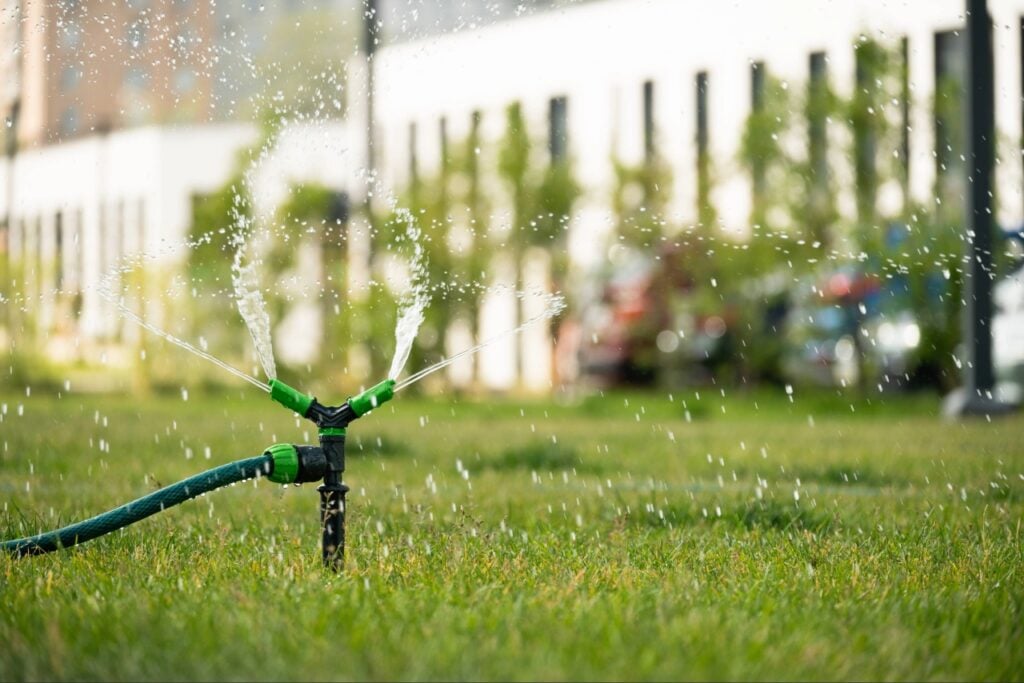
Florida properties face environmental conditions that make landscape care more demanding. Heat increases water demand. Sandy soil drains quickly and often struggles to hold nutrients. Heavy rainfall can create runoff and drainage problems. Humidity increases the speed of growth, but it can also contribute to disease and stress. Storm season adds another layer of pressure by creating potential damage to trees, shrubs, and lawn areas.
Because of this, landscaping in Florida must be approached as a system. It is not enough to mow the lawn and trim a few shrubs occasionally. The landscape needs routine observation, seasonal adjustment, and a clear maintenance structure that responds to real conditions.
- High temperatures create heat stress in turf and plantings
- Sandy soils reduce nutrient and moisture retention
- Humidity contributes to rapid growth and increased maintenance demand
- Heavy rain affects irrigation needs and drainage performance
- Storm exposure requires stronger tree care and structural planning
Homeowners can also review the University of Florida Florida-Friendly Landscaping Program for science-based Florida landscape principles, plant guidance, and sustainable yard care resources.
The Lawn Is the Visual Foundation of the Property
On most homes, the lawn is the most visible part of the landscape. If the grass looks thin, patchy, uneven, or unhealthy, the entire property appears less maintained. On the other hand, a strong lawn creates a clean base that supports the rest of the outdoor environment.
Professional lawn care is one of the most important parts of this Florida landscaping guide because it affects both visual appeal and long-term turf health. Correct mowing height, regular edging, trimming, and routine observation all help the lawn stay more stable throughout the year.
Key lawn care priorities include the following:
- Maintaining the correct mowing height for the turf type
- Avoiding scalping during hot or dry periods
- Keeping a regular mowing schedule
- Watching for thinning areas, discoloration, or stress patterns
- Maintaining clean edges along beds, walks, and driveways
A healthy lawn also makes it easier to notice when another issue is developing, such as irrigation failure, pest damage, soil stress, or drainage problems.
Irrigation Is About Efficiency, Not Just Watering More
Water management is one of the most important parts of successful landscaping in Florida. Many landscape problems begin with poor irrigation practices. Too much water can create shallow roots, fungal problems, runoff, and wasted water. Too little water can lead to stress, discoloration, and weak plant performance.
A properly maintained irrigation system gives homeowners more control over how the landscape is watered and helps avoid the common mistake of overcorrecting every dry-looking section with extra runtime. This Florida landscaping guide recommends adjusting irrigation based on weather, season, lawn condition, and plant needs instead of using the same watering schedule all year.
Good irrigation management includes the following:
- Inspecting heads and nozzles regularly
- Adjusting watering based on rainfall and season
- Checking for leaks and poor coverage
- Avoiding overspray onto hardscapes
- Making sure irrigation zones match turf and planting needs
The EPA WaterSense program explains that irrigation professionals certified by a WaterSense labeled program can help install, maintain, or audit irrigation systems so they operate efficiently while using less water. Homeowners can review EPA WaterSense outdoor irrigation guidance for more information.
Soil Quality Affects Everything Above It
Soil is one of the most overlooked reasons landscapes decline. In many Florida properties, the native soil drains quickly and offers less long-term support for nutrients and moisture. That means the lawn and plants may look stressed even when they receive regular watering.
Healthy soil helps create stronger roots, better moisture balance, and more stable plant growth. In practice, that means homeowners should think beyond surface appearance and pay attention to what supports the landscape from below.
Better soil conditions can support:
- Stronger root development
- More consistent turf establishment
- Improved water retention without staying waterlogged
- Healthier shrubs and ornamental plants
- Reduced stress during heat and dry periods
Mulching Improves Both Function and Appearance
One of the simplest ways to upgrade a landscape quickly is through proper mulching. Mulch helps suppress weeds, retain moisture, protect root zones, and create visual definition in beds. It is also one of the easiest ways to make the property look cleaner and more cared for without changing the entire design.
Mulch beds tend to look worn faster in Florida because of heavy rain, heat, and decomposition. That is why regular refreshes matter. Fresh mulch helps hold the landscape together visually while also supporting soil performance around shrubs, palms, and ornamentals.
A practical Florida landscaping guide should treat mulch as both a design material and a maintenance tool. The right mulch depth, placement, and refresh schedule can improve curb appeal while helping planting beds stay cleaner and more organized.
Tree Trimming Is About Safety and Structure
Trees play a major role in the Florida landscape. They provide shade, scale, and visual maturity, but they also require consistent attention. If you neglect them, overgrowth and weak branch structure can create both appearance problems and storm-related hazards.
Routine tree trimming helps reduce that risk. It also improves airflow, removes damaged or weak limbs, and keeps the property feeling more open and intentional. Tree trimming should not be treated as emergency-only work. Preventive care is almost always more effective than reacting after damage has already occurred.
When Sod Installation Is the Better Solution
Not every lawn can be repaired efficiently through basic maintenance. Some turf areas are too far gone because of poor irrigation, thinning, pest pressure, drainage issues, or long-term neglect. In those cases, sod installation may be the better investment.
Sod provides an immediate visual reset and gives the property a more uniform appearance. It is especially helpful when the lawn is preparing for resale, when large sections have failed, or when patch repair no longer makes sense.
This Florida landscaping guide recommends considering sod installation when the lawn has widespread decline, uneven growth, bare patches, or repeated failure despite regular care.
Seasonal Planning Improves Long-Term Results
Florida landscaping works best when managed seasonally instead of reactively. Each season brings different demands, and you should maintain the landscape with those patterns in mind.
Spring
Spring is the time to evaluate lawn conditions, inspect irrigation, refresh beds, and prepare for the heavy growth of summer.
Summer
Summer requires attention to mowing frequency, irrigation adjustment, pest pressure, and tree preparation during storm season.
Fall
Fall is useful for cleanup, landscape correction, bed improvement, and restoring areas that declined during the hottest part of the year.
Winter
Winter may bring slower growth, but the property still benefits from structural maintenance, trimming, and planning for the year ahead.
Outdoor Design Is Part of Maintenance Strategy
Good landscaping is not just maintenance. It is also design. The layout of the lawn, beds, trees, and pathways affects both appearance and ease of care. A landscape with clear structure is usually easier to maintain and more attractive over time than one that has grown without direction.
A complete Florida landscaping guide should help homeowners consider how they use the property, not just how it looks from the street. Outdoor design should support curb appeal, drainage, lawn health, plant spacing, walkability, and long-term maintenance.
Strong outdoor design often includes:
- Clear bed definition
- Balanced lawn-to-planting proportions
- Consistent spacing and material use
- Visual transitions between property areas
- Better overall curb appeal
Common Landscaping Mistakes to Avoid
Many homeowners do not damage the landscape with one major mistake. Instead, decline often comes from repeated smaller issues: overwatering, mowing too short, neglecting trees, letting mulch beds fade, ignoring drainage, or waiting too long to replace failing turf.
- Watering too often without adjusting for weather
- Assuming all lawn decline is a fertilizer issue
- Letting tree growth become hazardous
- Ignoring bed maintenance until weeds spread heavily
- Trying to save turf that really needs replacement
Following a Florida landscaping guide helps homeowners avoid these repeated mistakes by treating the lawn, irrigation, beds, trees, and outdoor design as connected parts of one property system.
Professional Landscaping Services for Florida Homes
A professional landscape plan reduces guesswork and improves consistency. Instead of reacting to problems one by one, homeowners can maintain the property as a complete system that supports lawn health, proper watering, strong tree structure, cleaner beds, and better design continuity.
Fine Design Outdoor Solutions can help homeowners with professional landscaping services, lawn care services, landscape supply materials, mulch delivery, topsoil delivery, fill sand delivery, gravel delivery, sod installation services, tree trimming services, and landscaping quotes for residential outdoor projects.
Final Thoughts on This Florida Landscaping Guide
A successful Florida landscape does not happen by chance. It depends on excellent lawn care, efficient irrigation, stable soil, fresh mulch, safe tree maintenance, sod when needed, and thoughtful outdoor design. When these elements work together, the result is a property that looks better, performs better, and requires fewer major corrections over time.
For homeowners who want stronger curb appeal and a more durable outdoor environment, following a complete Florida landscaping guide is one of the most effective ways to build a healthier, cleaner, and more usable outdoor space.
Frequently Asked Questions
-
What should a Florida landscaping guide include?
A Florida landscaping guide should include lawn care, irrigation, soil quality, mulching, tree trimming, sod installation, seasonal planning, drainage, outdoor design, and common maintenance mistakes to avoid.
-
Why is landscaping different in Florida?
Landscaping is different in Florida because heat, humidity, sandy soil, heavy rainfall, storm exposure, and long growing seasons create more pressure on lawns, trees, planting beds, and irrigation systems.
-
How often should Florida homeowners check irrigation systems?
Florida homeowners should inspect irrigation systems regularly, especially before dry periods, after heavy rain, and during seasonal changes. Broken heads, poor coverage, leaks, and overspray can all affect landscape health and water efficiency.
-
When should sod installation be considered?
Sod installation should be considered when the lawn has large bare areas, repeated thinning, poor establishment, severe patchiness, or damage that no longer responds well to normal maintenance.
-
Why is mulch important for Florida landscaping?
Mulch is important for Florida landscaping because it helps define planting beds, suppress weeds, retain moisture, protect root zones, and improve the overall appearance of the property.
-
When should homeowners hire a professional landscaper?
Homeowners should hire a professional landscaper when the property needs a full plan, consistent maintenance, irrigation review, sod installation, tree trimming, bed refreshes, or outdoor design improvements that require more than basic yard care.