
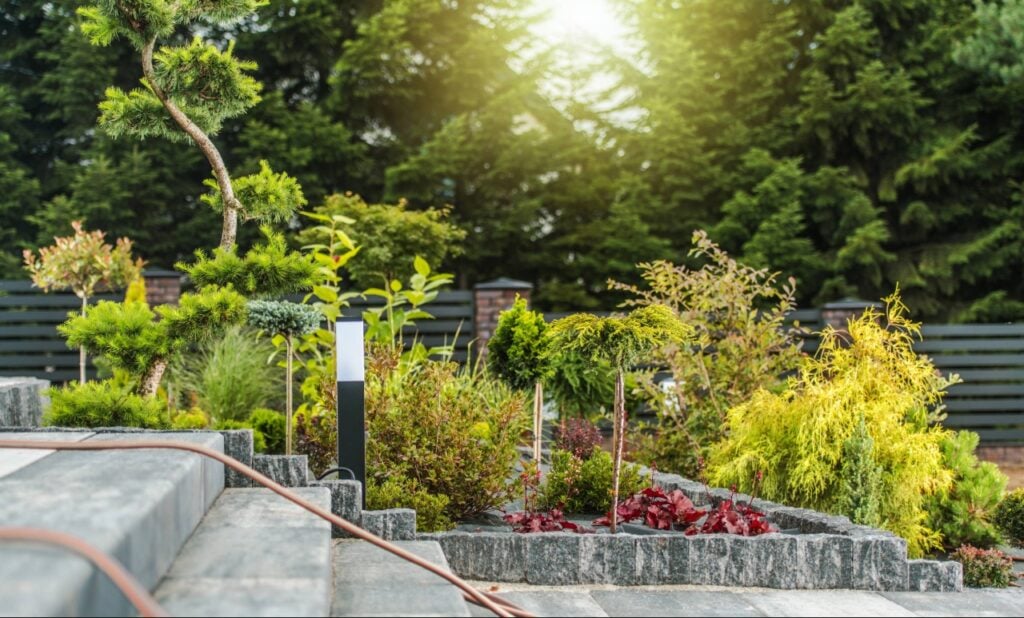
Summer landscaping Florida homeowners can rely on starts with adjusting the yard for heat, rain, humidity, rapid growth, and storm activity. Summer is one of the most challenging seasons for Florida landscapes because every part of the property responds differently to changing weather conditions.
What looks like healthy summer growth can quickly turn into stress, drainage problems, overgrowth, or decline if you do not maintain the landscape for the season.
For homeowners, summer is not just about keeping the yard green. It is about preventing avoidable damage, protecting curb appeal, and keeping the outdoor space clean, safe, and usable.
Lawns can be overcut or overwatered. Planting beds can lose structure. Trees can become storm liabilities. Irrigation systems can waste water or fail to keep up with changing conditions.
The right summer landscaping Florida strategy helps reduce those risks while keeping the property attractive throughout the most demanding part of the year.
Why Summer Requires a Different Maintenance Routine
Summer weather changes how every part of the landscape behaves. Turf grows faster, but that does not always mean it is healthier. Rainfall can lead to oversaturation and runoff.
Heat raises water demand. Humidity makes everything grow more aggressively while also increasing stress. Storms can expose tree weaknesses in a single event.
- High temperatures increase plant stress
- Rainfall patterns make irrigation harder to manage
- Humidity accelerates growth and maintenance demand
- Storms expose structural weaknesses in trees
- Lawn and bed issues spread faster under summer pressure
A strong summer landscaping Florida plan should respond to these conditions instead of using the same maintenance routine all year.
Homeowners can also review the UF/IFAS steps to a Florida-Friendly landscape, which include right plant placement, irrigation calibration, and rain shut-off or soil moisture sensor guidance for Florida landscapes. UF/IFAS specifically notes that irrigation systems should be calibrated to apply ½–¾ inch of water per application and that automatic irrigation systems should use a rain shut-off device or soil moisture sensor.
Adjust Lawn Care for Peak Heat
One of the biggest summer mistakes is mowing too short. Short-cut turf loses protection against sun stress and dries out faster.
During the hottest part of the year, lawns should be maintained at the right height for their turf type so they can preserve stronger root function and better shade the soil surface.
Professional lawn care is especially important in summer because growth is fast and stress patterns can change quickly.
Summer lawn priorities include:
- Mowing on a steady schedule
- Keeping blades sharp for cleaner cuts
- Avoiding heavy removal in a single cut
- Watching for weak or thinning sections
- Maintaining edge detail despite rapid growth
Good summer landscaping and Florida maintenance should protect the lawn from heat stress while keeping the property clean and presentable.
Watch Irrigation More Closely Than Usual
Summer irrigation should never stay on autopilot. Many homeowners assume extra heat simply means more water, but that approach often causes as many problems as it solves.
Some weeks bring enough rainfall that you should reduce irrigation. Other weeks may require adjustments to specific zones because some parts of the property dry faster than others.
A well-maintained irrigation system helps make those adjustments more effectively. Summer is also when hidden system problems become more obvious, such as poor pressure, missed coverage, leaks, and runoff.
- Inspect sprinkler heads after storms
- Reduce watering after heavy rain
- Check for puddling and overspray
- Monitor dry areas separately from wet zones
- Make irrigation decisions based on conditions, not habit
The EPA WaterSense program explains that WaterSense labeled irrigation controllers can reduce overwatering by applying water only when plants need it. The EPA also notes that residential outdoor water use in the United States accounts for nearly 8 billion gallons of water each day, mainly for landscape irrigation.
For homeowners, this means smart water management is one of the most important parts of summer landscaping Florida maintenance.
Mulch Beds Before They Dry Out and Thin Out
Summer heat is hard on exposed soil. Without fresh mulching, planting beds can dry out faster, lose definition, and become more vulnerable to weed growth.
Mulch helps stabilize bed conditions by retaining moisture and buffering root zones against temperature extremes.
Fresh mulch also helps the property look cleaner at a time of year when heavy growth and summer weather can make beds feel messy quickly.
Prepare Trees Before Storm Activity Peaks
Summer in Florida brings storm season, which means weak branches and neglected growth become real liabilities.
Routine tree trimming can reduce the chance of damage by removing dead or compromised limbs and improving canopy structure before wind becomes severe.
Tree trimming in summer is not just about appearance. It is a risk-management step that helps protect roofs, screens, vehicles, and nearby plantings from avoidable storm damage.
Pay Attention to Drainage During Heavy Rain
Summer is when drainage issues reveal themselves most clearly. If water pools in the same parts of the lawn after rainfall, the root zone can weaken, and turf may start thinning.
Planting beds can erode, and moisture-heavy zones can become ideal conditions for pests.
Summer landscaping should include observing how water actually moves through the property so you can make corrections before those problem areas get worse.
Watch for Lawn Pest Damage
Not every yellow or thinning section of turf is caused by heat alone. Summer often increases lawn pest activity, and some forms of damage can spread quickly if homeowners assume the problem is just drought or nutrient stress.
When turf looks weak despite proper watering, it may need closer inspection before the damage expands.
A strong summer landscaping Florida plan should include lawn observation because pest damage, irrigation issues, and heat stress can look similar at first glance.
Know When Repair Is No Longer Enough
Some turf areas recover with better mowing, irrigation correction, and pest control. Others are too far gone to justify repeated patchwork.
If the lawn has large sections that are not recovering, installing sod may be the best long-term option for restoring a cleaner, more uniform appearance.
Summer Landscaping Mistakes to Avoid
- Mowing the lawn too short during extreme heat
- Overwatering because the lawn looks stressed
- Ignoring drainage because rain seems temporary
- Waiting until after a storm to address weak tree growth
- Letting mulch beds collapse during peak heat
These mistakes are common because summer problems often build gradually before they become obvious.
By avoiding them early, homeowners can keep the landscape more stable through heat, rain, and storm conditions.
How to Keep the Property Looking Clean in Summer
Summer landscaping is not only about preventing damage. It is also about maintaining presentation during the season when landscapes can become visually uneven the fastest.
Fast turf growth, bed overgrowth, and washed-out mulch can make the property look less maintained if attention becomes inconsistent.
To keep the landscape looking strong during the summer:
- Stay on a regular mowing and edging schedule
- Refresh visible mulch beds
- Trim back overgrowth before it becomes excessive
- Check irrigation before problems show visually
- Inspect tree canopies before storms intensify
Professional Summer Landscaping Services in Florida
For homeowners who want help keeping the property stable during the hottest months, Fine Design Outdoor Solutions can assist with professional landscaping services, lawn care services, mulch delivery, sod installation services, tree trimming services, and landscape supply materials.
You can also request a landscaping quote if your lawn, trees, beds, irrigation, or drainage need seasonal attention.
Frequently Asked Questions
What is the best focus for summer landscaping that Florida homeowners should prioritize?
The best focus for summer landscaping that Florida homeowners should prioritize is preventing stress before it spreads. That includes proper mowing height, smart irrigation, fresh mulch, drainage observation, tree trimming, and lawn monitoring.
How often should Florida lawns be mowed during summer?
Florida lawns often grow quickly in summer, so mowing should follow turf growth rather than a fixed schedule. The goal is to maintain the correct height without cutting too much at once.
Should irrigation be increased during the Florida summer?
Not always. Some summer weeks bring heavy rainfall, so irrigation may need to be reduced. Homeowners should adjust watering based on actual conditions, rainfall, coverage, and dry zones.
Why is mulch important during summer?
Mulch is important during summer because it helps retain moisture, protect root zones, suppress weeds, reduce exposed soil stress, and keep planting beds looking cleaner during heat and heavy rain.
When should trees be trimmed before storm season?
Trees should be inspected and trimmed before storm activity becomes severe. Preventive trimming can remove weak limbs, improve canopy structure, and reduce avoidable storm-related property damage.
When should sod installation be considered?
Sod installation should be considered when lawn areas are too thin, patchy, or damaged to recover through normal mowing, watering, pest control, or soil correction.
Final Thoughts on Summer Landscaping Florida Homes Need
Summer landscaping Florida homes need is about staying ahead of stress instead of waiting to react to it. Lawns need proper cutting height and smart watering. Beds need mulch protection. Trees need structural attention before storms. Drainage needs to be watched carefully.
The more proactive the strategy, the less likely the property is to suffer avoidable decline.
By adjusting maintenance for heat, rain, and storm conditions, homeowners can keep the landscape healthier, more stable, and better looking through the most demanding part of the year.