
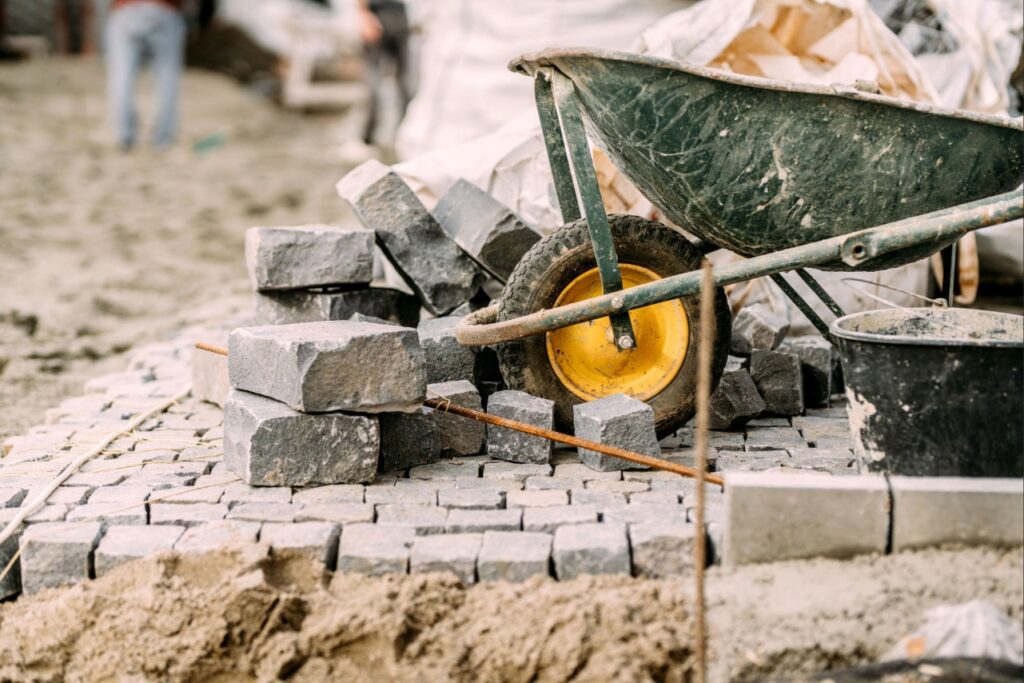
Choosing the right landscape materials Florida homeowners need for an outdoor project can make a major difference in how well the finished landscape performs. Whether you’re refreshing planting beds, preparing an area for new sod, improving drainage, creating pathways, or completing a larger landscape installation, the materials you choose should match the purpose of the project and the conditions of your property.
When comparing landscape materials Florida homeowners can use, it is important to consider how each material will perform in the specific area where it will be installed.
Florida presents some unique landscaping considerations. Much of the state’s soil is sandy, and homeowners may also need to account for heavy rainfall, heat, humidity, drainage, and irrigation when planning outdoor improvements. UF/IFAS notes that Florida’s predominantly sandy soil can affect how water and nutrients are managed in the landscape.
That makes selecting appropriate landscape materials more than a matter of appearance. The right material can support plant growth, improve the usability of an outdoor area, help manage moisture, or provide a stable foundation for a landscape feature.
For homeowners planning a project, understanding the differences between common materials can make purchasing decisions easier and help prevent unnecessary costs.
1. Mulch for Planting Beds
Mulch is one of the most commonly used landscape materials for residential properties.
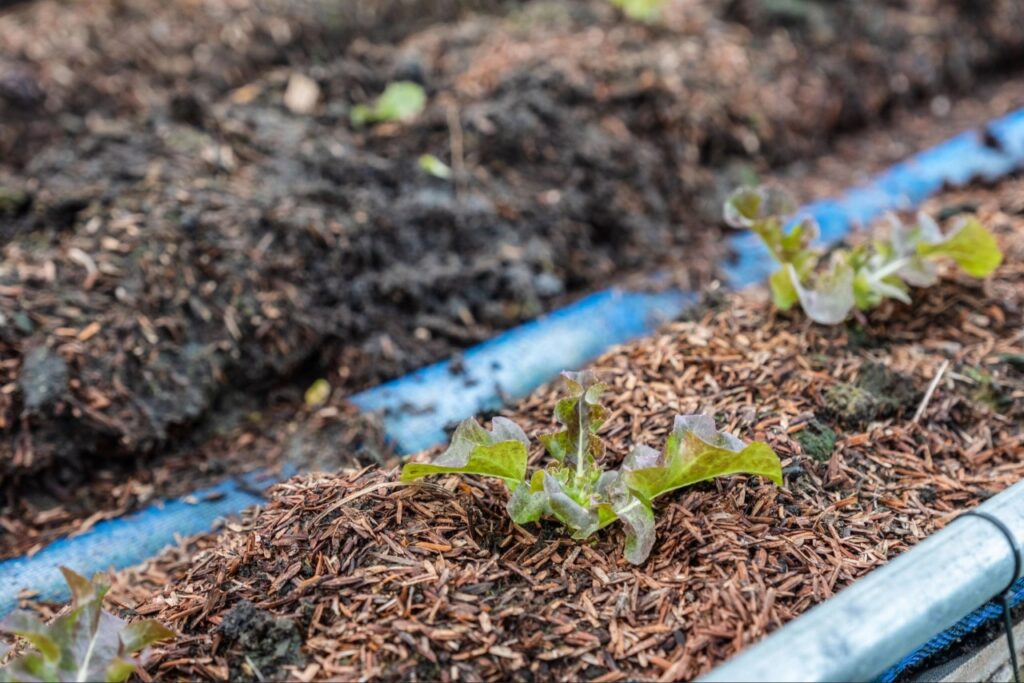
It can provide a finished appearance around trees, shrubs, flowers, and other plants while helping protect the soil surface. For more information about selecting and applying mulch in Florida landscapes, homeowners can review UF/IFAS mulch guidance before choosing a product. UF/IFAS identifies mulch as an important component of Florida-Friendly Landscaping and notes that it can help conserve moisture, suppress weeds, control erosion, and moderate soil temperatures.
Common mulch options include:
- Pine bark
- Pine straw
- Wood mulch
- Leaf-based mulch
- Other organic materials
The right choice depends on the plants, location, desired appearance, and maintenance expectations.
Organic mulch can also break down over time, contributing organic matter to the soil. UF/IFAS recommends choosing mulch according to the needs of the landscape rather than treating every mulch product as interchangeable.
When purchasing landscape materials Florida homeowners can use around planting beds, it’s important to consider both the short-term appearance and how the material will perform as the landscape develops.
Choosing appropriate landscape materials Florida homeowners can use around plants can also make routine landscape maintenance easier over time.
2. Topsoil for Growing Areas
Topsoil can be useful when preparing planting areas, gardens, or other parts of a property where existing soil doesn’t provide the desired growing conditions.
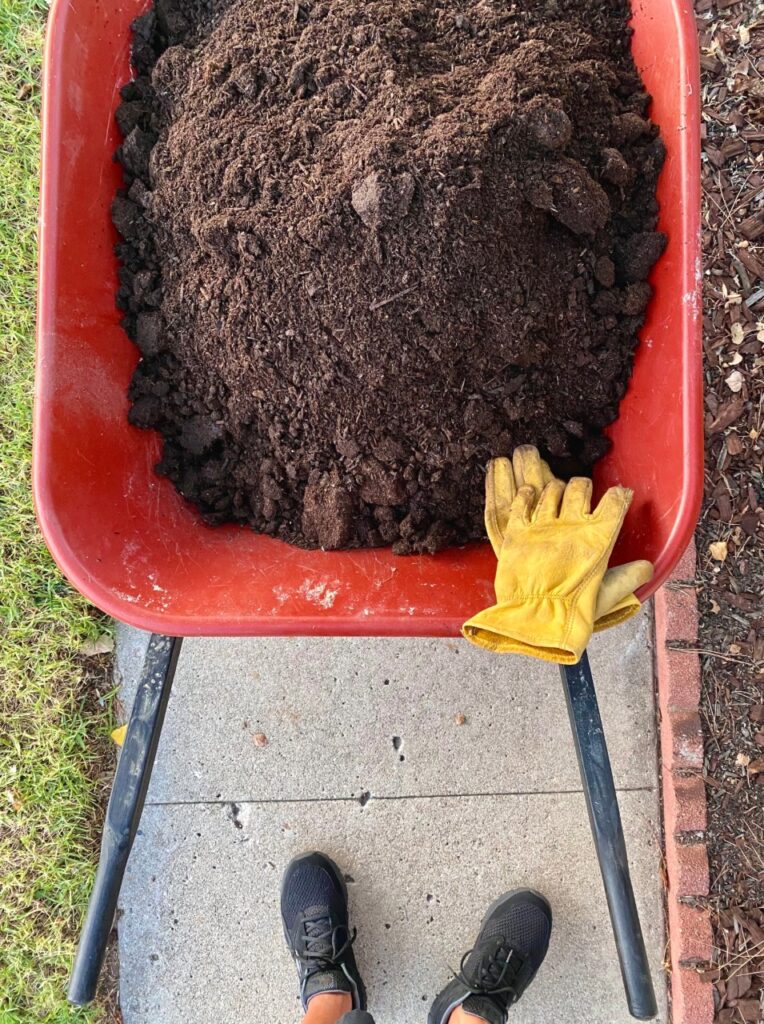
However, adding soil should not automatically be the first solution to every landscape problem. Florida’s naturally sandy soils have specific characteristics, and soil management should be based on the needs of the plants and project.
Before purchasing large quantities of topsoil, homeowners should consider:
Among the landscape materials Florida homeowners may consider, topsoil should be selected according to the specific growing conditions rather than simply by appearance.
- Existing soil conditions
- What will be planted
- Drainage
- Required soil depth
- Grade and elevation
- The size of the planting area
A soil test can also provide useful information before making significant amendments. UF/IFAS recommends evaluating soil conditions and testing when appropriate rather than adding amendments without knowing what the soil actually needs.
3. Sand for Specific Outdoor Projects
Sand is another material commonly associated with Florida properties, but its suitability depends heavily on the project.
Different types and grades of sand have different characteristics and intended uses. A homeowner preparing a planting area, leveling a surface, or working on another outdoor project shouldn’t assume that any available sand will provide the same result.
Before ordering sand, determine:
- What the material will be used for
- Whether the project requires a specific grade
- How much material is needed
- Whether the material needs to be delivered
- Whether drainage or compaction is an important consideration
Buying the wrong material can create additional work and increase project costs.
That is why homeowners should understand the intended application before purchasing landscape materials Florida suppliers offer for outdoor projects.
For that reason, understanding the purpose of each material is an important part of choosing landscape materials Florida homeowners can use effectively.
4. Decorative Stone and Gravel
Stone and gravel can provide both functional and decorative benefits in a landscape.
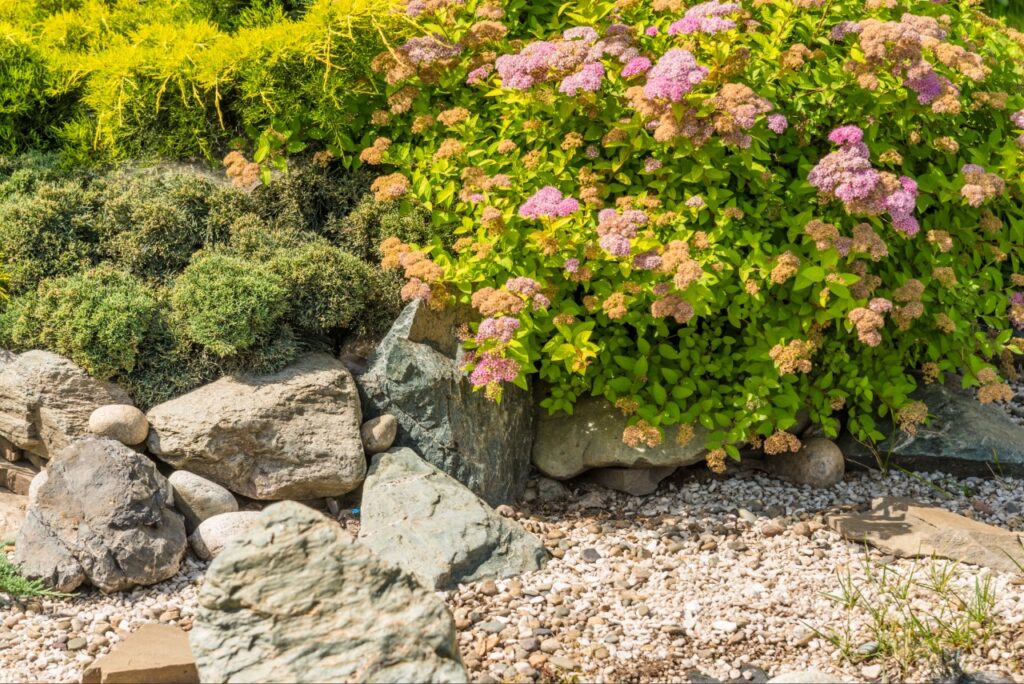
Depending on the material and installation, you can use these products for:
- Walkways
- Borders
- Dry creek beds
- Drainage features
- Decorative areas
- Outdoor living spaces
However, stone isn’t automatically the best substitute for organic mulch around plants.
UF/IFAS specifically notes that rock, gravel, and crushed shell don’t provide the same soil benefits as organic mulch and recommends using rock mulch selectively, such as along pathways, dry creek beds, or under downspouts.
This is an important distinction when comparing landscape materials Florida homeowners may see at landscape supply yards. Different landscape materials Florida homeowners encounter can serve completely different purposes, even when they appear similar at first glance. A material that works well for one application may be inappropriate for another.
5. Fill Dirt for Grading and Site Preparation
Fill dirt can be useful when a project requires changes to elevation or site preparation.
For example, it may be considered when preparing areas where grading is necessary before installing landscape features. However, fill material should be selected according to the intended use rather than simply based on price.
Before ordering fill dirt, determine the following:
- How much material is required
- Where it will be placed
- Whether grading is involved
- What will eventually be installed over it
- Whether the material needs to be compacted
Proper grading can be particularly important in Florida because rainfall can quickly expose drainage problems.
A landscape project that looks level may still direct water toward unwanted areas if the underlying grade isn’t properly planned.
For grading and site preparation, selecting the right landscape materials Florida homeowners need is an important part of preparing the property for the next stage of construction or landscaping.
6. Compost and Soil Amendments
Compost and other organic soil amendments can be useful when a landscape project requires improvements to the soil environment.
This is particularly relevant in Florida, where much of the state’s soil is sandy and may have limited ability to retain water and nutrients. Homeowners considering organic amendments can also review UF/IFAS organic soil amendment information to better understand how organic matter can affect soil water and nutrient retention. UF/IFAS explains that compost can add organic matter to Florida garden soils and improve their overall growing environment.
However, homeowners should avoid assuming that adding more material is always better. The appropriate amendment will depend on the existing soil, the plants you are growing, and the purpose of your project.
Before purchasing compost or another amendment, consider:
- What type of plants will be installed
- Existing soil conditions
- Whether a soil test is appropriate
- How much material is needed
- Whether the amendment will be incorporated or used as a top layer
- How the material will affect drainage and moisture retention
A soil test can be particularly useful before making significant changes to a planting area. This helps homeowners make decisions based on actual soil conditions rather than simply adding products without knowing what is needed.
For homeowners comparing landscape materials Florida suppliers offer, understanding the difference between compost, topsoil, mulch, and other amendments is important. These materials may look similar when viewed in bulk, but they serve different purposes.
Knowing the differences between these landscape materials Florida homeowners can purchase makes it easier to select products that actually fit the project.
7. Sod for Fast Lawn Establishment
Sod can be a practical choice when homeowners want to establish a lawn quickly.
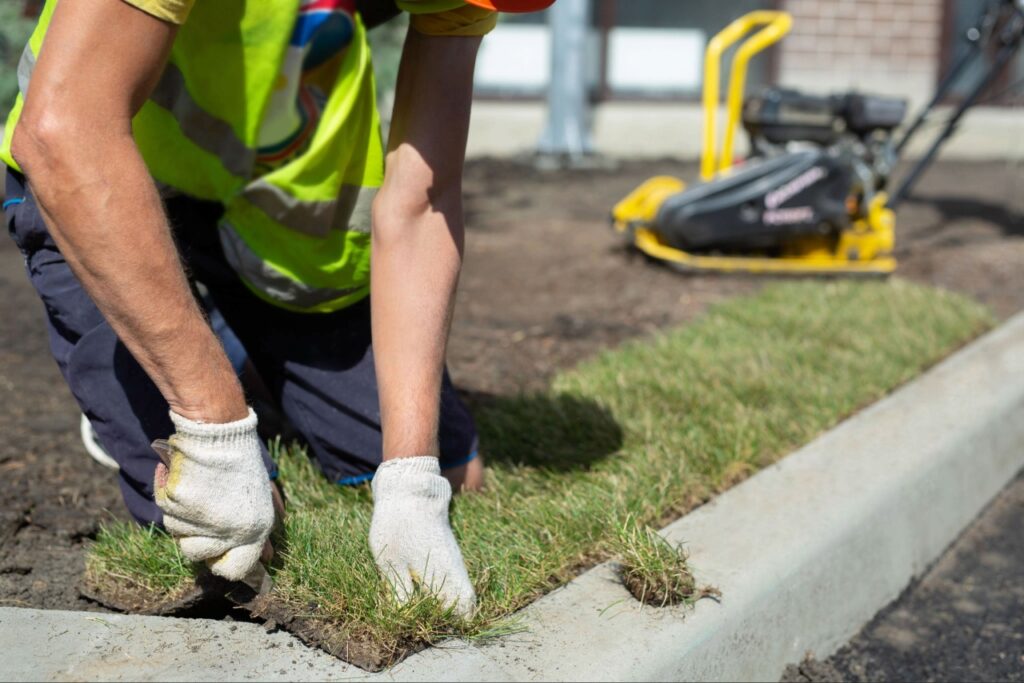
Unlike seed, which requires time to germinate and develop coverage, sod provides an established layer of turf that can create an immediate lawn appearance. UF/IFAS identifies sodding as one of the primary methods for establishing Florida lawns.
Sod can be particularly useful for:
- New residential properties
- Lawn replacement projects
- Areas where erosion needs to be reduced
- Homeowners who want faster visual results
- Projects where establishing grass from seed isn’t practical
However, purchasing sod is only part of the process. The site needs to be thoroughly prepared before installation, and newly installed sod requires appropriate irrigation while its roots become established.
UF/IFAS recommends preparing the soil before planting and providing appropriate watering during establishment. Newly installed sod should receive frequent, short irrigation initially, with watering gradually reduced as the root system develops.
This makes sod an important consideration when evaluating landscape materials Florida homeowners may need for larger lawn projects.
When comparing landscape materials Florida homeowners can use for lawn improvements, installation requirements should be considered alongside the material itself.
How Florida’s Climate Affects Material Selection
Florida’s climate should be considered before ordering any significant quantity of landscape material.
The performance of landscape materials Florida homeowners choose can vary depending on rainfall, sunlight, soil conditions, drainage, and the location of the project.
Homeowners can also review EPA landscaping guidance for additional information about soil conditions, mulch, water conservation, and sustainable landscape practices.
High temperatures, periods of heavy rainfall, seasonal dry conditions, and predominantly sandy soils can all influence how materials perform.
For example, a material intended to improve a planting bed should be evaluated differently from a material being used for a pathway or drainage feature.
Consider these factors before purchasing:
Rainfall and Drainage
Heavy rainfall can expose grading and drainage problems. Materials used around low areas, downspouts, or drainage features should be selected based on the specific function of the installation.
This is particularly important when selecting landscape materials Florida homeowners intend to use around drainage areas, low spots, and other locations where water movement matters.
Soil Conditions
Florida soils vary by location and can include sandy soils, soils with more organic matter, and areas affected by construction or fill. UF/IFAS notes that soil characteristics influence irrigation needs and how water behaves in the landscape.
Understanding the property’s soil is therefore an important step before ordering landscape materials Florida homeowners plan to incorporate into planting areas or other outdoor improvements.
Sun and Heat
Materials placed in full-sun areas may experience significant heat exposure. Planting materials should be selected with the landscape’s environmental conditions in mind.
Water Requirements
Material selection and irrigation planning should work together. UF/IFAS recommends considering soil type, grass species, season, and other site conditions when determining irrigation practices.
Water management should also be considered when deciding which landscape materials Florida homeowners should purchase for a particular outdoor project.
This is why there isn’t one universal list of landscape materials Florida homeowners should purchase for every project. The right combination depends on what you’re building, planting, or improving.
How Much Landscape Material Does Your Project Need?
Determining the quantity of material required is one of the most important steps before placing an order.
Accurately estimating quantities is especially important when purchasing landscape materials Florida suppliers deliver in bulk.
Buying too little can delay a project, while ordering significantly more than necessary can increase costs and leave homeowners with excess material to store or dispose of.
For bulk materials such as mulch, topsoil, sand, gravel, and fill material, quantities are often calculated based on the area’s length, width, and desired depth.
For example, a rectangular planting bed can be measured by multiplying its length by its width to determine the surface area. That area can then be considered together with the desired material depth to determine the approximate volume required.
Before ordering, measure:
- Length
- Width
- Depth
- Number of separate areas
- Existing grade
- Areas that won’t receive material
If your landscape contains irregularly shaped beds or multiple elevations, calculating the required volume can become more complicated.
A landscape supply professional can help verify the quantity before delivery, particularly for larger projects.
Bulk Delivery vs. Bagged Materials
Homeowners may have the option of purchasing landscape products in bags or ordering materials in bulk.
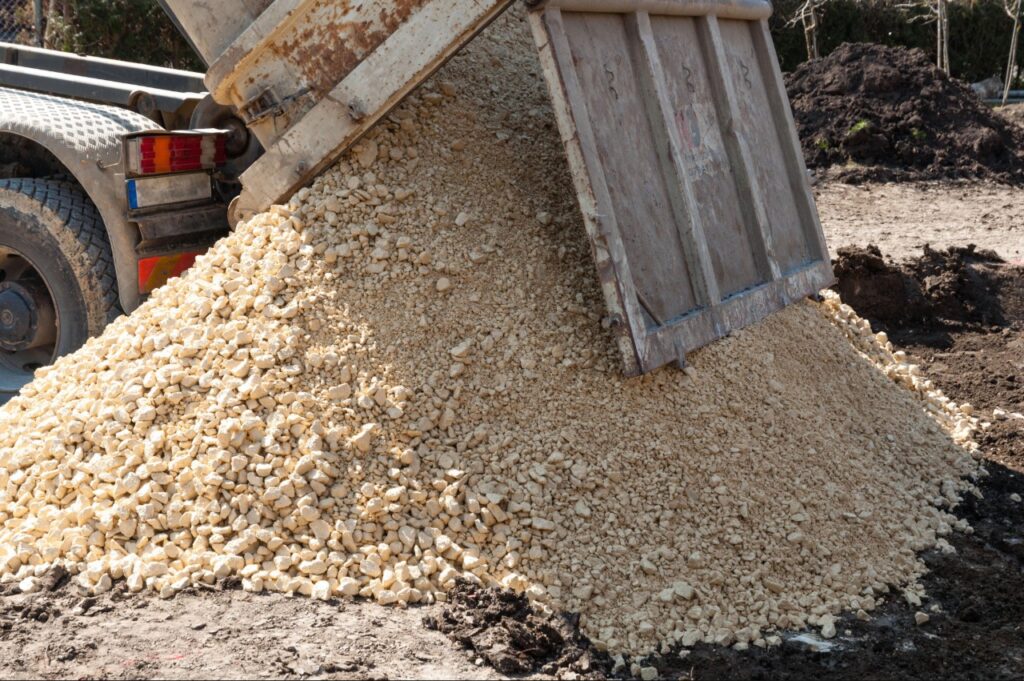
Neither option is automatically better. The appropriate choice depends on the size and requirements of the project.
Bagged Materials
Bagged products can be convenient for:
- Small planting beds
- Minor repairs
- Container gardens
- Small DIY projects
- Projects where storage space is limited
They can also be easier to move around a property in small quantities.
Bulk Materials
Bulk delivery may be more practical for larger projects involving substantial amounts of mulch, soil, sand, stone, or other materials.
For larger installations, purchasing landscape materials Florida homeowners need in bulk can simplify the project and reduce the amount of individual packaging that must be handled.
Advantages can include:
- Fewer individual bags to handle
- More efficient delivery for larger quantities
- Easier coverage of large areas
- Potentially better value for larger projects
However, homeowners should ensure they have an appropriate location for the delivered material.
A bulk delivery that arrives before the project area is ready can create unnecessary work. Plan where the material will go and how it will be moved from the delivery location to the installation area.
Common Landscape Material Buying Mistakes
Choosing the wrong material can result in wasted money, additional labor, and disappointing results.
Buying Based Only on Price
The least expensive material isn’t necessarily the best choice for a particular application.
Consider quality, intended use, quantity, delivery, and long-term performance rather than comparing price alone.
The cheapest landscape materials Florida homeowners can find may not always provide the best value if the material is unsuitable for the intended application.
Ordering Without Measuring
Guessing the required quantity can lead to unnecessary excess or an incomplete project.
Measure the area and determine the desired depth before ordering bulk material.
This is especially important when ordering landscape materials Florida suppliers sell by the cubic yard or other bulk measurement.
Choosing Materials Based Only on Appearance
A material may look attractive but still be inappropriate for its intended purpose.
The appearance of landscape materials Florida homeowners choose should therefore be considered alongside their function, installation requirements, and long-term maintenance needs.
For example, decorative stone may look appealing in a planting bed but may not provide the same soil benefits as organic mulch. UF/IFAS recommends using rock mulch selectively rather than treating it as a direct replacement for organic mulch in every situation.
Ignoring Delivery Requirements
Bulk materials need somewhere to be unloaded. Consider access for delivery vehicles and ensure the selected drop-off area won’t interfere with driveways, sidewalks, drainage, or other property features.
Buying Too Much Material
Excess material can become difficult to store and may deteriorate depending on the product and weather conditions.
Calculate your requirements carefully before ordering.
When to Work With a Landscape Supply Professional
Some projects are straightforward enough for homeowners to handle themselves. Others involve grading, drainage, substantial quantities of material, or multiple landscape components.
Professional guidance can be helpful when you’re unsure:
- Which material is appropriate
- How much material you need
- How deep to install it
- Whether bulk delivery makes sense
- How materials should be combined
- Whether site preparation is required
For larger projects, getting the material selection right before delivery can save significant time and reduce unnecessary expenses.
Fine Design Outdoor Solutions can help homeowners evaluate landscape requirements and identify practical solutions for improving their outdoor spaces.
Choosing the Right Landscape Materials for Your Florida Project
The best landscape material isn’t necessarily the most attractive or the least expensive option. The best landscape materials Florida homeowners can choose are those that match the purpose of the project and the conditions of the property. It should be the material that fits the project’s purpose, the property’s conditions, and the amount of maintenance you’re prepared to provide.
For example, organic mulch can be useful around planting beds because it helps conserve moisture, suppress weeds, and moderate soil temperatures. UF/IFAS specifically recommends organic mulches for many Florida landscape applications and notes that rock and gravel are better suited to selective uses such as pathways, dry creek beds, and areas around downspouts.
Similarly, compost and other organic amendments can improve soil conditions when they are appropriate for the specific planting area. EPA guidance also recommends considering soil composition, organic matter, and site conditions before deciding which landscape improvements are appropriate.
When comparing landscape materials Florida homeowners can purchase for an outdoor project, start with the intended application rather than the appearance of the product.
Ask:
- What problem am I trying to solve?
- Where will the material be installed?
- How much do I need?
- How will the material perform in Florida’s conditions?
- How often will it need to be replaced or maintained?
- Is bulk delivery more practical than purchasing bags?
Taking the time to answer these questions can prevent unnecessary purchases and help ensure that your landscape project performs as expected.
Landscape Materials and Long-Term Maintenance
Material selection also affects how much maintenance your landscape will require.
Considering maintenance before purchasing landscape materials Florida homeowners need can help prevent unnecessary work and replacement costs later.
Organic mulch, for example, naturally decomposes and eventually needs replenishment. UF/IFAS recommends maintaining appropriate mulch depth and avoiding excessive accumulation around plants and tree trunks.
Stone and gravel may last longer, but they don’t provide the same soil benefits as organic materials and can become displaced into lawns or other areas.
Topsoil and compost may improve a planting area, but they should be selected according to existing soil conditions and the requirements of the plants.
Thinking about maintenance before purchasing landscape materials Florida homeowners need can help prevent a project from becoming more labor-intensive than expected.
Final Thoughts
Choosing the right materials is an important part of creating an attractive, functional, and durable outdoor environment.
From mulch and topsoil to sand, gravel, compost, fill dirt, and sod, each material serves a different purpose. Understanding those differences can help homeowners make better purchasing decisions and avoid using a material simply because it looks good or happens to be inexpensive.
Florida’s climate makes thoughtful material selection particularly important. Heat, rainfall, drainage, soil conditions, and irrigation requirements can all influence how a landscape performs over time.
Before ordering a large quantity, measure the project area, determine the required depth, identify the intended use, and consider how the material will be delivered and installed.
Whether you’re improving a planting bed, preparing a lawn, addressing drainage, or creating a new outdoor feature, choosing appropriate landscape materials Florida homeowners can rely on is an important part of achieving lasting results.
For homeowners planning larger projects, Fine Design Outdoor Solutions can provide practical guidance for creating outdoor spaces that fit the property’s needs and overall landscape design.
FAQs
-
What are the most common landscape materials used in Florida?
Common materials include mulch, topsoil, sand, gravel, decorative stone, compost, fill dirt, and sod. The appropriate material depends on the specific project and site conditions.
-
How do I choose the right landscape material?
Start by identifying what the material needs to accomplish. Consider the location, soil conditions, drainage, intended use, quantity required, maintenance needs, and delivery requirements before purchasing.
-
Is bulk landscape material better than bagged material?
Bulk materials can be more practical for larger projects because they eliminate the need to handle numerous individual bags. Bagged products can be convenient for smaller projects where only limited quantities are required.
-
How much landscape material do I need?
The required amount depends on the project’s length, width, and desired depth. Measure each area carefully and calculate the approximate volume before ordering. For irregular areas or larger projects, professional assistance can help reduce the risk of ordering too much or too little.
-
What type of mulch is best for Florida landscapes?
There isn’t one universal mulch that is best for every property. UF/IFAS recommends considering the plants, location, intended use, and material characteristics. Organic mulches such as pine bark, pine straw, and other suitable organic materials are commonly used in Florida landscapes.