
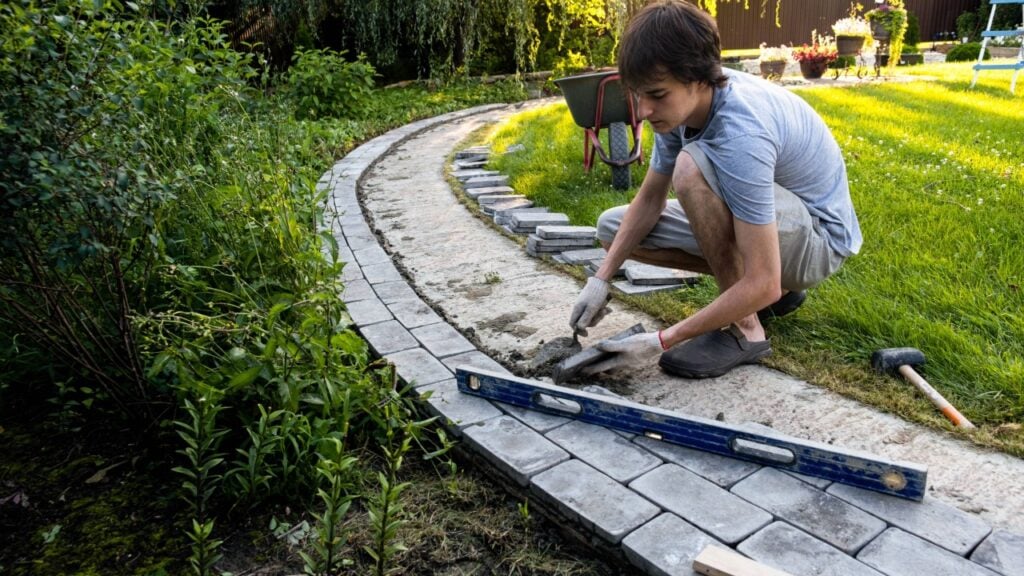
Concrete curbing Port Charlotte homeowners are considering can give established landscape beds a clean, defined border between the lawn and planting areas. But before choosing concrete curbing, it’s important to determine whether the existing bed layout works for your property and how the new border will affect everyday maintenance.
In Port Charlotte, Florida, the heat, sandy soil, and heavy rainfall make landscape planning especially important. Concrete curbing can be a practical fit when you have already established your planting beds and want a more defined boundary. However, if you’re planning to expand your beds, adjust irrigation, or address drainage concerns, those decisions should come before installing a permanent border.
Fine Design Outdoor Solutions offers concrete curbing as part of its landscaping services in Port Charlotte and surrounding Southwest Florida communities. This guide covers when concrete curbing makes sense, situations where waiting may be better, and seven important questions to ask before installation.
Concrete Curbing Port Charlotte: What Should It Accomplish?
Start by identifying the job you want the border to do. Is the lawn edge difficult to keep defined? Do you want a clearer outline around established plants? Are you trying to give several disconnected beds a more consistent appearance?
Concrete curbing creates a physical boundary, but it should not be treated as a solution to every bed-maintenance problem. It does not eliminate trimming, weeding, or irrigation maintenance. Nor should it be assumed to correct drainage or prevent mulch from moving during heavy rainfall.
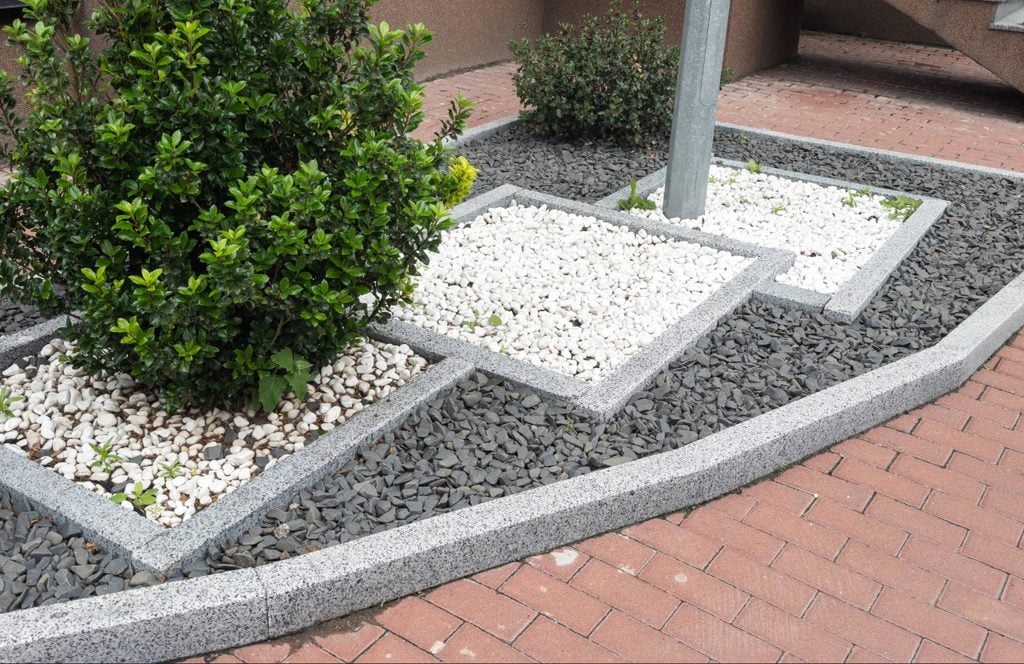
A useful way to frame the decision is, would a fixed border make this particular bed easier to maintain and more practical to use? If the main problem is water collecting beside the house or plants outgrowing their space, address that concern before choosing an edge treatment.
When concrete curbing is worth considering
Curbing is a stronger candidate when the planting bed already works well and you want to formalize its boundary. Look for these conditions:
- The bed footprint is settled. You are not expecting to widen it, remove it or change its purpose soon.
- Plants have room within the proposed border. The edge does not need to squeeze around existing growth.
- The lawn side is accessible. Mowing and trimming can happen without awkward pockets or narrow strips.
- Nearby projects are coordinated. Planned irrigation, planting, or walkway changes have been discussed.
- Water movement has been reviewed. The border is not being selected on the assumption that it will fix runoff or standing water.
Before finalizing a permanent border, consider how your planting beds will accommodate existing and future plant growth. The UF/IFAS Florida-Friendly Landscaping program provides guidance on planning landscapes that suit Florida’s growing conditions and maintenance needs.
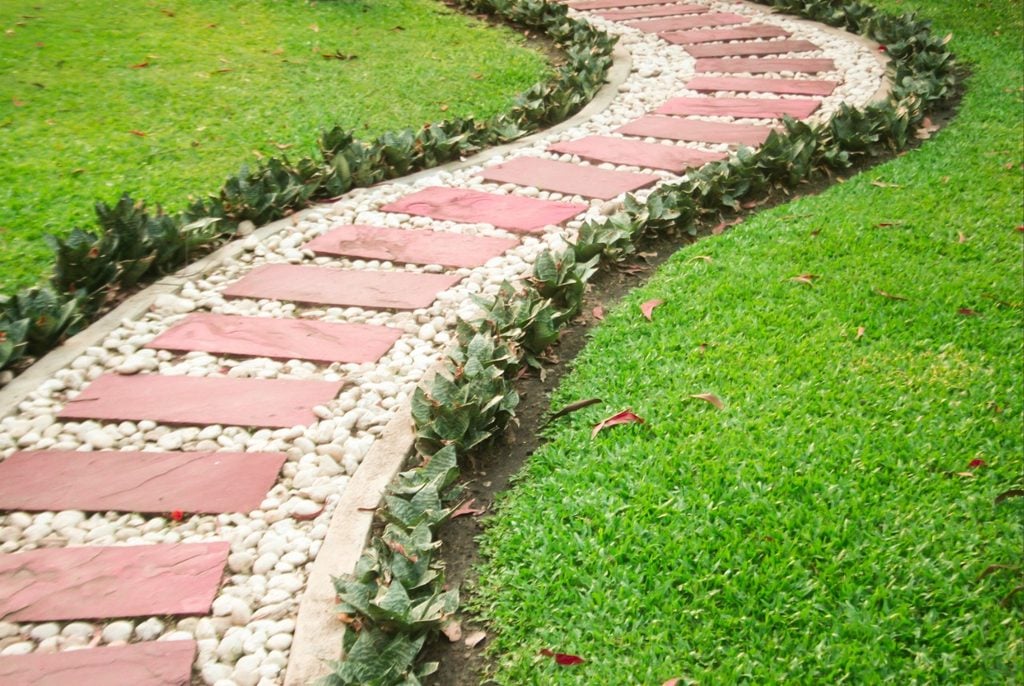
Fine Design includes concrete curbing within its landscaping services. For a bed that also needs planting updates, irrigation adjustments, or maintenance work, discuss those needs together rather than treating the border as an isolated addition.
When it makes sense to wait
You are still changing the bed layout
A fixed border is a commitment to a particular line. If you are experimenting with bed sizes or considering a patio or walkway nearby, settle those choices first.
Mark the proposed edge temporarily and observe it for a few days. Walk past it, view it from the driveway, and consider how lawn equipment would move alongside it. A curve that looks attractive from the street may be inconvenient during routine maintenance.
Water movement is unresolved
Before installation, observe the bed during and after rainfall. Note where water enters, where it leaves, and whether it collects along the proposed border.
Bring those observations to the project discussion. Ask how the planned curbing will relate to existing grades and water paths. Do not assume that a continuous raised edge belongs everywhere, or that adding one will resolve an existing drainage issue.
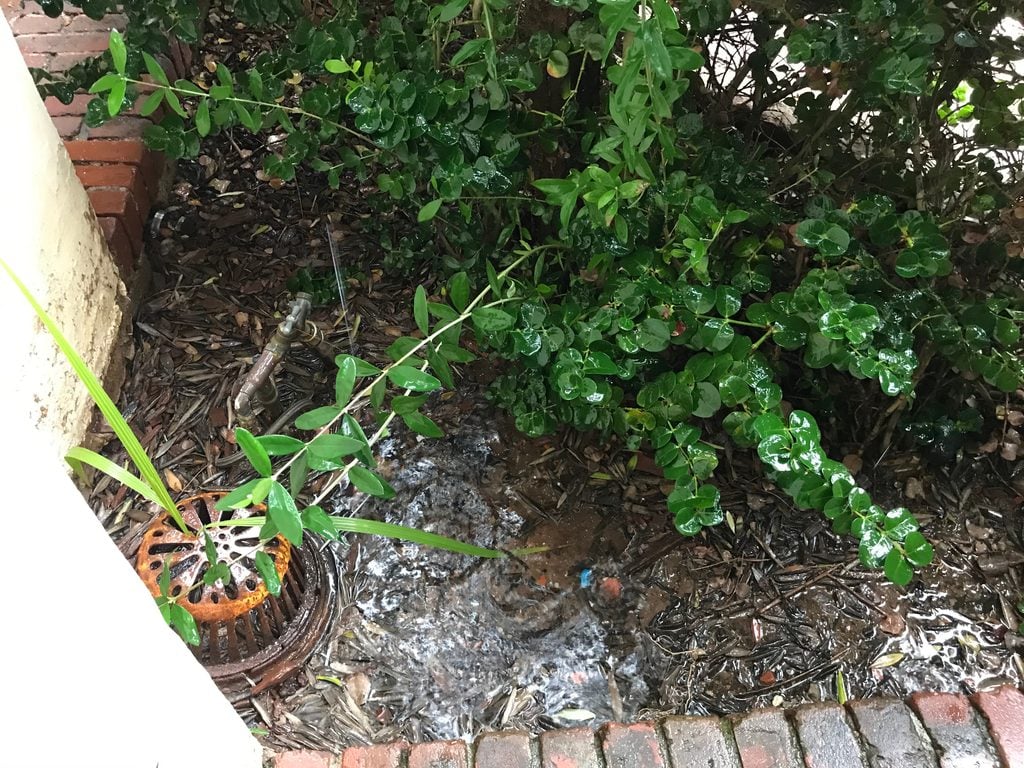
Irrigation or planting work is still ahead
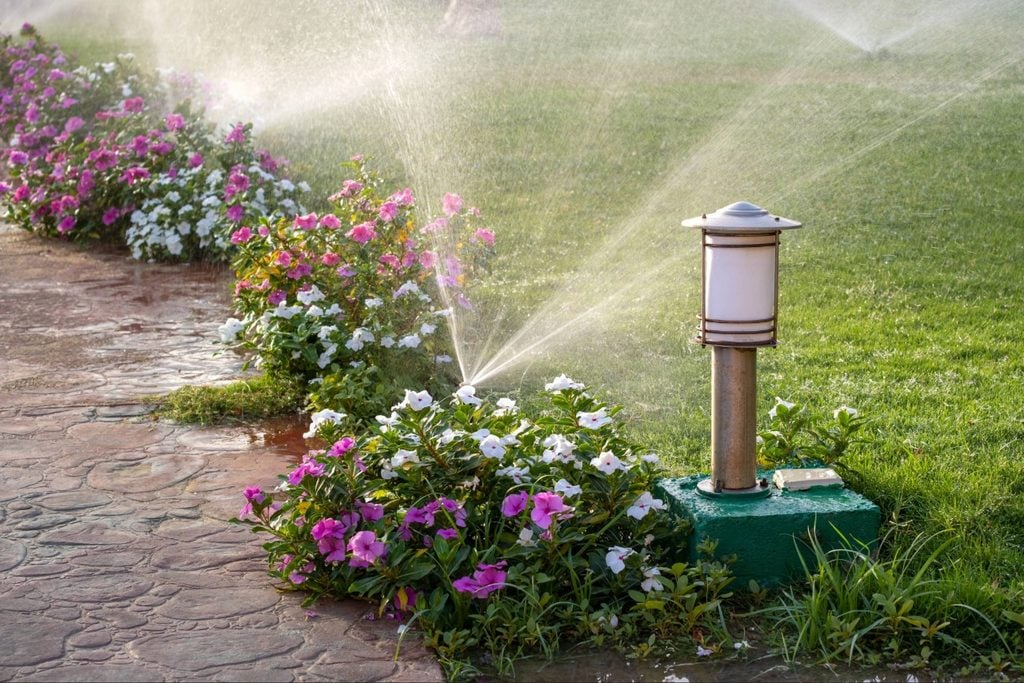
Locate sprinkler heads and identify any planned irrigation repairs before finalizing the border. Ask whether the proposed edge leaves suitable access and whether watering coverage needs review.
Changes to planting beds can also affect how efficiently water reaches your plants. The EPA WaterSense landscaping tips offer additional information about water-efficient landscape planning and irrigation considerations.
Likewise, discuss anticipated planting changes first. Installing a border before deciding where the plants belong can mean working around a layout you no longer want.
Plan the edge around everyday maintenance
The best border fits how the property is maintained, not just how it looks on installation day.
Leave workable space beside the lawn
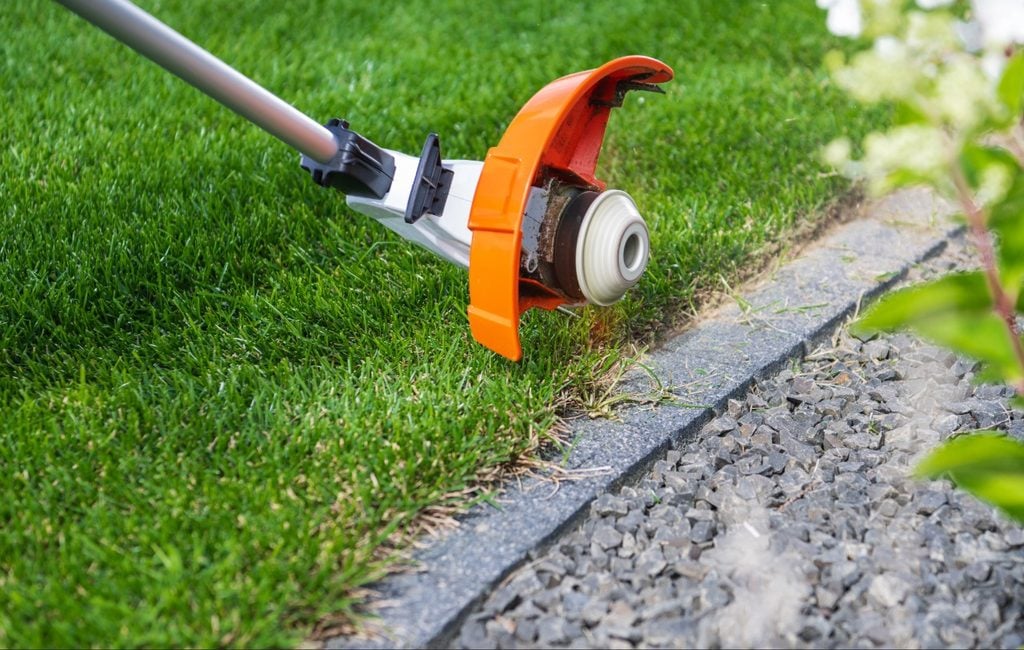
Ask how the proposed profile and placement will affect mowing and edging. Avoid designing tight corners or narrow grass strips without considering how they will be maintained. The goal is a deliberate transition, not a new collection of difficult-to-reach areas.
If Fine Design will also be handling lawn mowing, edging, or landscape maintenance, discuss that routine while reviewing the curbing layout.
Review the finished bed level
Discuss the intended relationship between the curbing, the soil, and the mulch surface. Do not choose the visible border height without considering what will sit on either side of it.
This is especially important if the beds will receive fresh mulch or other maintenance as part of the project. Ask what the finished arrangement should look like and how later bed upkeep should preserve it.
When planning the finished bed height, consider the mulch layer as well as the concrete border. UF/IFAS Gardening Solutions’ mulch guidance explains how mulch supports landscape beds and why proper application matters.
Keep access points in mind
Walk through the places where you enter the bed to prune, maintain irrigation, or reach other parts of the yard. Identify equipment and service access that should remain convenient.
Also consider where the border should stop. An intentional ending beside a path or driveway may be more practical than forcing a continuous line around every feature.
Questions to ask before installation
A project discussion should cover more than the border’s appearance. Use these questions to clarify the scope:
- Where will the curbing begin and end, and how will the layout be confirmed?
- What bed preparation or removal work is included?
- How will existing irrigation heads, plants, and access points be handled?
- What needs review where water crosses the proposed edge?
- How will mowing and trimming work beside the finished border?
- What instructions apply before watering, mowing, or working near the new installation?
- If a section needs attention later, what repair options should be discussed?
Ask for project-specific guidance rather than assuming every bed needs the same profile or preparation. Please confirm exactly what is included in the proposed work, as we should not assume that planting, mulch, or irrigation changes are part of a curbing installation unless they are explicitly listed.
Frequently asked questions
-
Will concrete curbing stop mulch from washing out?
Do not treat it as a guaranteed fix. If mulch is moving during rain, review the water path and bed arrangement before deciding whether curbing is appropriate. A defined edge and a water-management solution are not necessarily the same thing.
-
Can curbing be planned around existing planting beds?
Existing beds can be evaluated for curbing, but the layout needs review. Discuss plant space, irrigation locations, access, and any preparation needed before deciding where the edge should go.
-
Does concrete curbing mean I can stop edging the lawn?
Do not assume it eliminates edge maintenance. Ask how grass beside the selected border will be maintained and what mowing or trimming routine is appropriate.
-
Should I install curbing before replacing nearby sod?
Coordinate both jobs before either starts. Establish the intended lawn boundary and ask for a work sequence that accounts for preparation, irrigation, and installation access.
Decide on the bed first, then the border
Once you establish your bed layout and a fixed edge fits your maintenance routine, you can discuss concrete curbing. If planting, irrigation, or water movement still needs attention, resolve the plan for those items first.
Fine Design serves Port Charlotte homeowners with landscaping services, including concrete curbing, planting-bed maintenance, irrigation installation and repair, and sod installation. To discuss whether curbing belongs in your landscape beds, Get a Free Quote.