
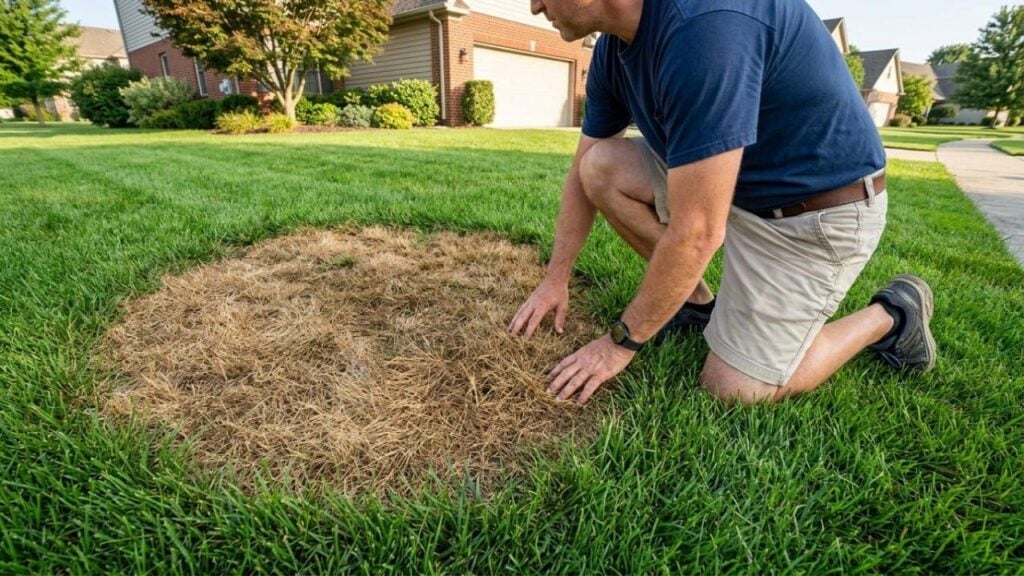
Lawn pest damage Port Charlotte homeowners’ suspicion often begins with an unexpected change in their grass. Brown patches, thinning turf, or areas that appear unhealthy can raise concerns about insects or other lawn pests. However, visible damage alone does not confirm a pest problem, and choosing a treatment before identifying the cause may not address what’s actually happening.
For homeowners in Port Charlotte, Florida’s warm climate and changing seasonal conditions can make lawn care challenging. The first step when turf begins to decline is to document the affected areas and determine whether pests are responsible. An inspection can help distinguish suspected pest activity from other concerns that may require a different approach.
Fine Design Outdoor Solutions provides lawn pest control services in Port Charlotte and surrounding Southwest Florida communities. Its approach includes inspection, targeted treatment, prevention, and ongoing protection when appropriate. This guide explains why identification matters, what to document, and four important questions to ask before treating your lawn.
Lawn Pest Damage Port Charlotte: Why Identification Comes First
Suspecting lawn pests and confirming a pest-related problem are different steps. A description like “brown grass near the driveway” shows where the issue is but does not identify which pest, if any, should be treated.
Identification gives a treatment recommendation a clear basis. Before moving forward, you should understand:
- Whether the inspection found evidence of a lawn pest problem.
- Which pest was identified, or what remains uncertain.
- Which areas of turf appear to be affected.
- How the proposed treatment relates to those findings.
- What observations or additional evaluation may be needed afterward.
Identifying the problem before choosing a treatment is consistent with the EPA’s Integrated Pest Management principles, which emphasize monitoring, accurate pest identification, prevention, and selecting appropriate controls when needed.
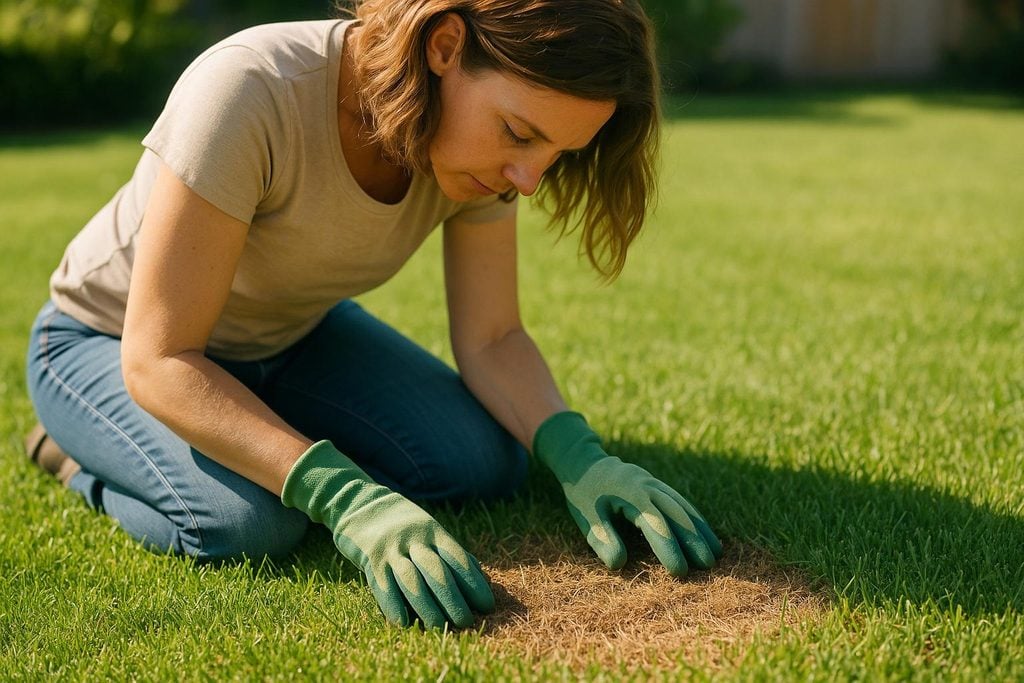
This does not mean homeowners need to become insect experts. It means the treatment decision should follow the findings rather than precede them. If identification is uncertain, ask what needs to happen before a recommendation can be made.
Document the damage, not just your best guess
The most helpful starting point is a straightforward record of what you can see. You do not need to label the problem yourself.
Record where the problem appears
Describe the location using fixed reference points: beside the walkway, along the back fence or near a particular corner of the house. Note whether you are concerned about one patch or several separate areas.
Take an overview photograph that shows the location and closer photographs of the affected turf. If you notice insects, photograph them if practical, but leave identification open. An insect sighting is something to report—not a reason to select a treatment on your own.
Clear photographs can make an inspection discussion more productive. UF/IFAS guidance on plant and pest diagnosis emphasizes the value of focused images showing both the overall damage and close-up details, along with a clear description of the problem.
Build a simple timeline
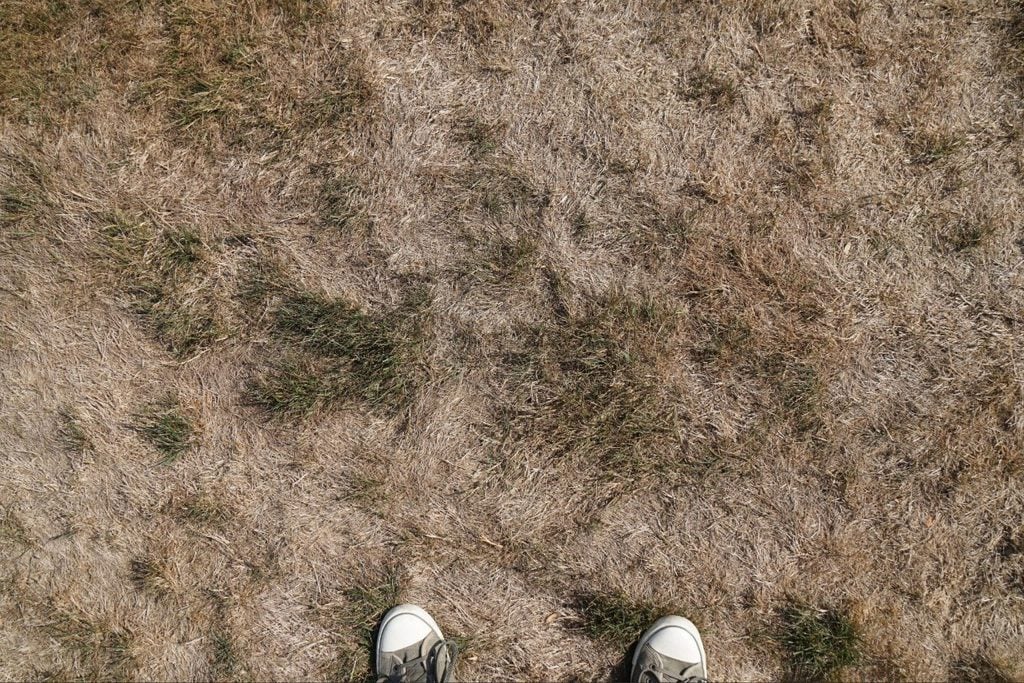
Write down when you first noticed the damage and whether its appearance has changed. Separate what you know from what you are estimating. “First noticed Saturday” is more useful than assigning a start date you cannot verify.
For seasonal or rental properties, ask whoever regularly visits the property for dated photographs or observations. If nobody knows when the issue began, say so. An honest gap in the timeline is better than a confident guess.
Share previous work and applications
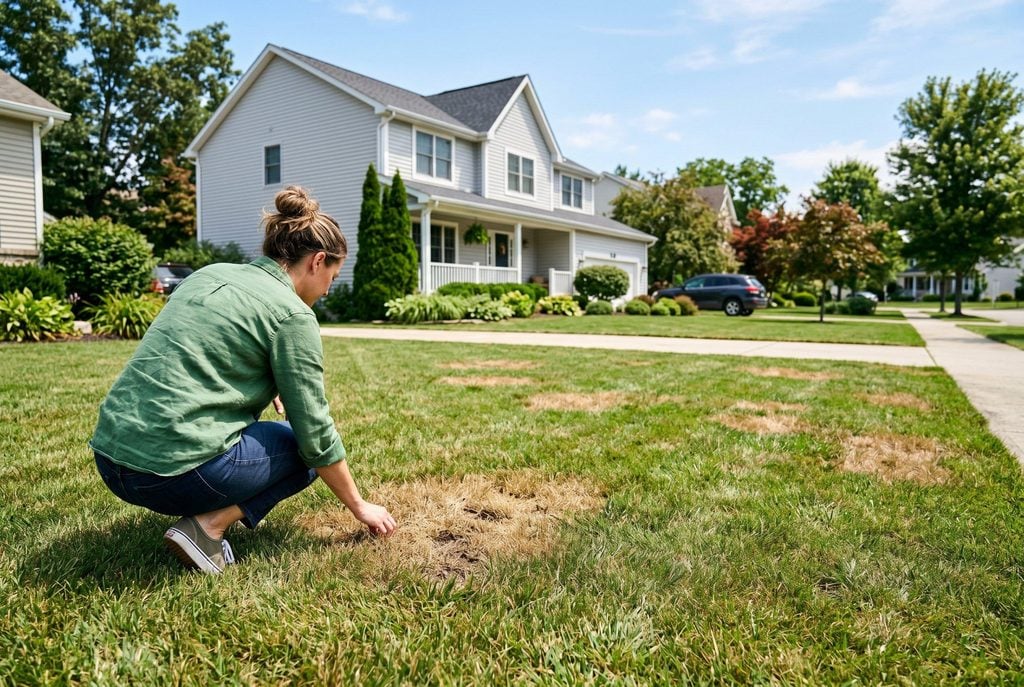
Make a note of any recent lawn work or products applied to the affected area. When available, keep product names, application dates, and written service records together.
This information provides context for the inspection. It is not a substitute for identifying the current problem, and a previous lawn pest treatment does not establish what is happening now.
What to ask during a lawn pest inspection
A useful inspection discussion should connect the visible damage to the recommendation. Rather than asking only whether the lawn needs treatment, ask how that conclusion was reached.
Four practical questions can guide the conversation:
- What evidence supports a pest-related cause? Ask the provider to explain the findings in plain language.
- Has the pest been identified? If not, ask what remains uncertain and whether further evaluation is needed.
- What area would treatment address? Have the provider distinguish the observed problem area from any additional areas included in the recommendation.
- What happens after treatment? Ask what to monitor and when another assessment would be appropriate.
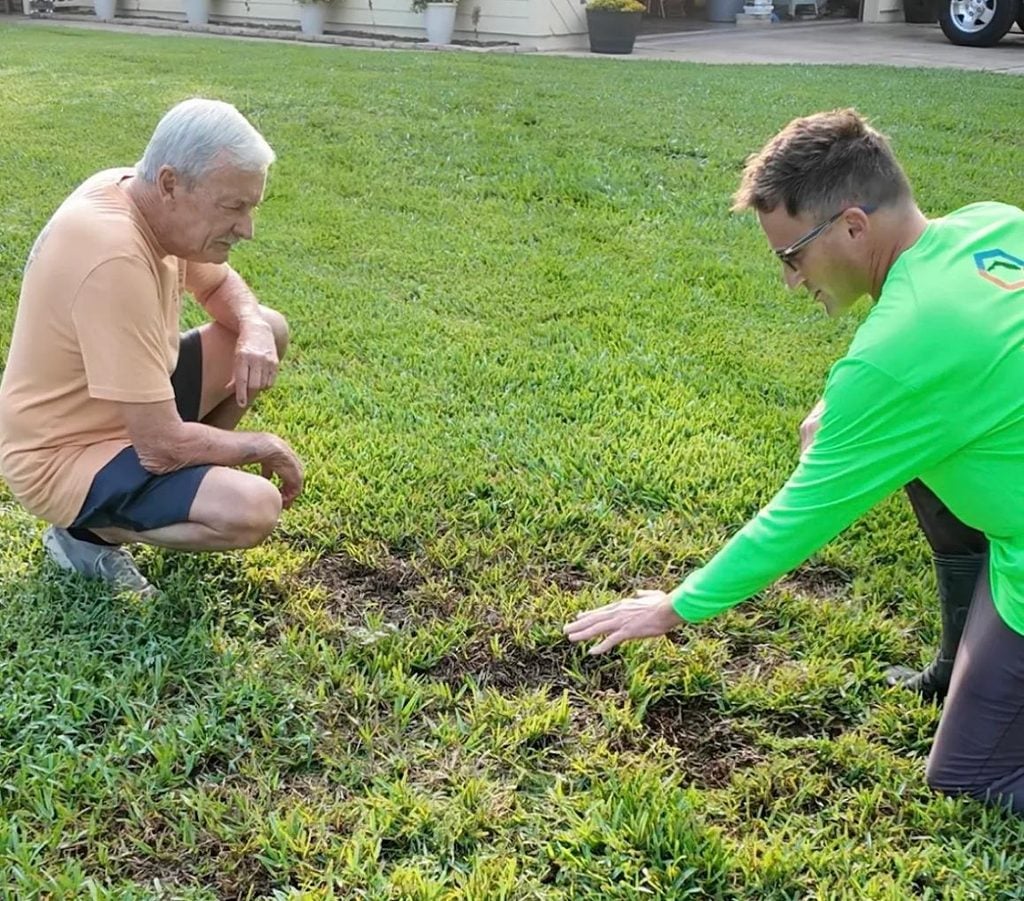
Fine Design’s pest control services include lawn pest control focused on identifying and treating pest-related turf damage. Homeowners can use these questions to discuss how that service applies to their particular lawn.
Keep pest treatment and turf appearance separate
When discussing the proposed work, distinguish the pest-control objective from your expectations for the lawn’s appearance. Ask what the service is intended to address and what falls outside its scope.
Not every damaged patch of turf has the same underlying cause. UF/IFAS guidance on lawn and landscape disease management explains why accurate diagnosis matters when determining the appropriate response to plant and turf problems.
For example, “What pest problem are we targeting?” and “How should I evaluate the lawn afterward?” are two different questions. Both deserve an answer before work begins.
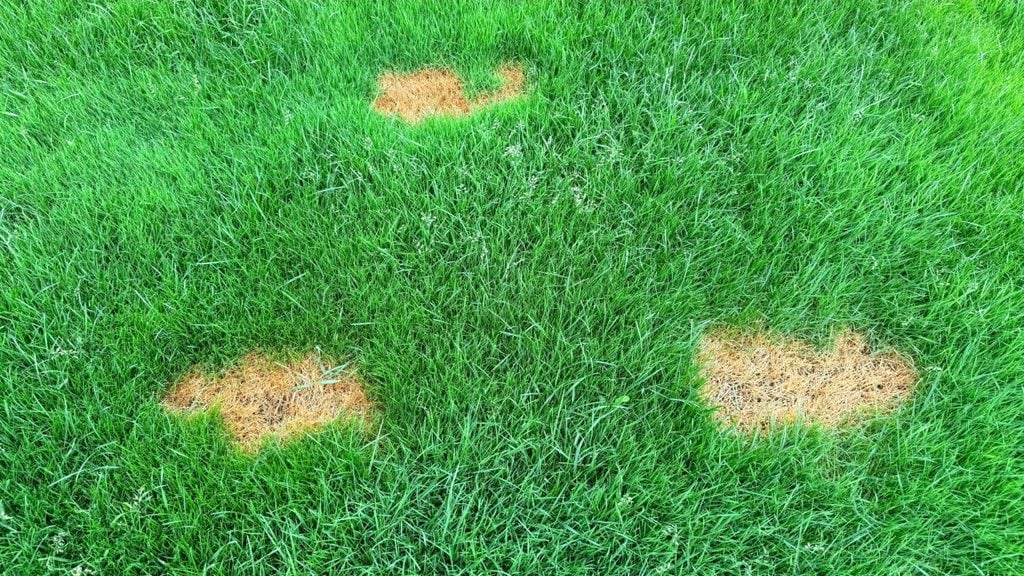
Avoid assuming that a treatment recommendation includes unrelated lawn restoration work or promises a particular recovery timeline. If the provider identifies a concern outside pest control, ask what separate evaluation may be appropriate. Keeping those boundaries clear helps you make decisions without treating every turf concern as the same problem.
When should you request professional help?
Consider a lawn pest inspection when you are considering applying a pest treatment but do not know what you are targeting. It is also reasonable to seek an assessment when you cannot explain changes in an affected area or when previous efforts have left the cause unresolved.
You do not need a finished diagnosis before contacting a provider. Bring your photographs, timeline, and questions. The goal is to establish whether there is a pest-related problem and, if so, what targeted response makes sense.
Lawn pest identification FAQ
-
Can I identify a lawn pest from a photo of damaged grass?
Use photographs to document the concern, not to assume a confirmed identification. Ask the provider whether the images show enough detail or whether an on-site inspection is needed before recommending treatment.
-
Should I name the suspected pest when requesting service?
You can share your suspicion, but also describe the observations behind it. Please clarify which details you actually observed and which conclusions are guesses.
-
Does Fine Design treat pest-related lawn damage?
Yes. Fine Design Outdoor Solutions offers lawn pest services that identify and treat pest-related causes of turf damage. The appropriate recommendation depends on the findings for your property.
-
What should I ask about ongoing protection?
Ask what prevention and ongoing protection would involve for the identified problem, including your responsibilities and any recommended reassessment. Do not assume a particular schedule or outcome before discussing the scope.
Start with a clear diagnosis
If you suspect lawn pest damage at your Port Charlotte property, Get a Free Quote from Fine Design Outdoor Solutions. Share what you have observed and ask about identifying the cause before deciding on treatment.