

Mowing after heavy rain in Port Charlotte requires more than waiting for the rain to stop. Even when the sun comes out and the grass begins to dry, the soil underneath may still be too soft to support mowing equipment. Cutting the lawn too soon can leave wheel tracks, disturb the turf, and create additional maintenance problems.
For Port Charlotte homeowners, Florida’s frequent rain, humidity, and sandy soil make it important to check actual lawn conditions rather than follow a fixed waiting period. A lawn that looks dry from the driveway may still have saturated areas near patios, shaded sections, or low spots where water collects.
Fine Design Outdoor Solutions provides lawn mowing, edging, irrigation services, and landscape maintenance throughout Port Charlotte and surrounding Southwest Florida communities. This guide explains four practical checks to help determine when your lawn is ready for mowing after heavy rainfall and what to do when some areas remain too wet.
Mowing After Heavy Rain in Port Charlotte: Check Your Lawn First
There is no single waiting period that works for every yard after heavy rain. Instead of deciding that mowing is safe because a certain number of hours has passed, inspect the areas you intend to cut.
For a Port Charlotte homeowner managing heat, humidity, and repeated rain, a sunny afternoon is an opportunity to check conditions—not an automatic signal to start mowing. Look beyond the most exposed patch of grass, especially if other parts of the yard remain shaded or collect water.
Sandy soil is not a reason to skip this check. Judge readiness by the actual condition of the turf and ground across your property.
Florida lawns benefit from maintenance practices that account for local growing conditions, soil characteristics, and water needs. The UF/IFAS Florida-Friendly Landscaping program offers educational resources to help homeowners manage their landscapes responsibly throughout the year.
Four checks before you bring out the mower
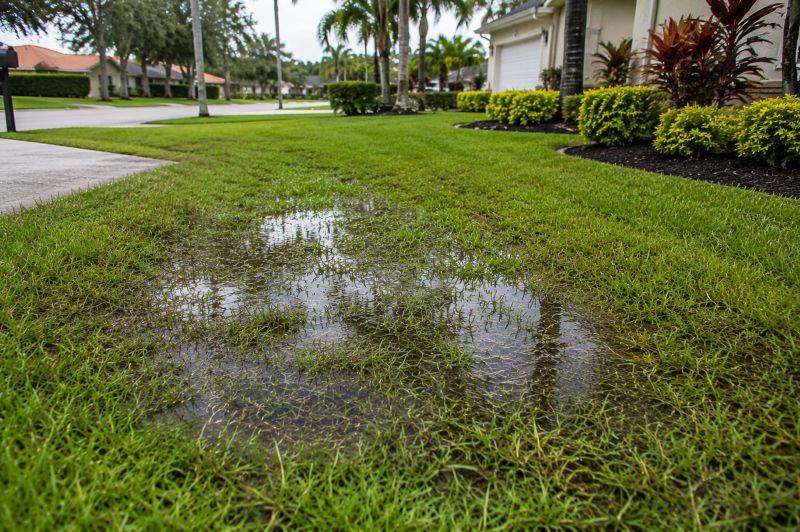
1. Look for standing water and visibly saturated areas
Walk the perimeter first. Check low spots, the edges of patios and driveways, and any areas where water collected during the storm.
Do not mow through puddles or use the mower to test whether a wet patch will hold its weight. If reaching a dry section requires crossing saturated turf, wait rather than creating a muddy access route.
2. Check whether the grass blades are dry
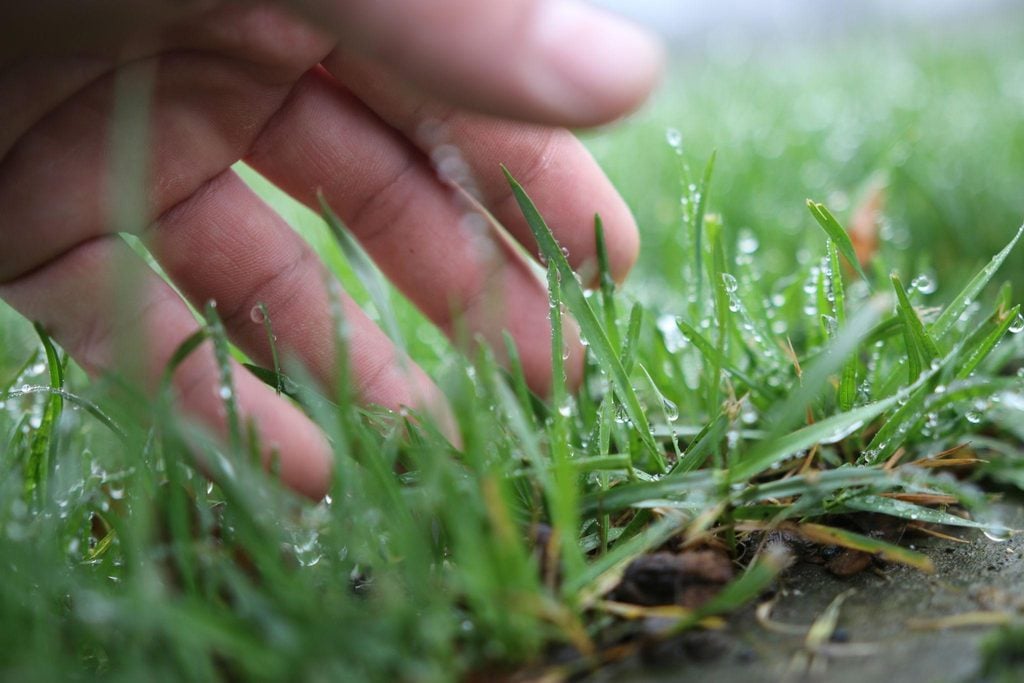
Lightly brush the grass with your hand or shoe. If the blades leave noticeable moisture behind or remain stuck together, give them more drying time.
Wet clippings can clump rather than spread evenly. Those clumps add cleanup work and can leave portions of the lawn covered after the cut. Dry blades make a more practical starting point, but they are only half of the readiness check.
3. Test ground firmness with an ordinary step
In a representative area, take a normal step and look at the footprint. Grass blades bending temporarily is different from the ground itself sinking.
Postpone mowing if you notice:
- Water appearing around your shoe.
- A squishing sensation underfoot.
- Mud transferring to your footwear.
- A depression that remains after you step away.

This is a screening check, not a guarantee that the ground will support a mower. Equipment can leave tracks even where walking seems manageable. If mowing begins and wheels start pressing into the soil, stop.
4. Inspect the wettest part of the mowing route
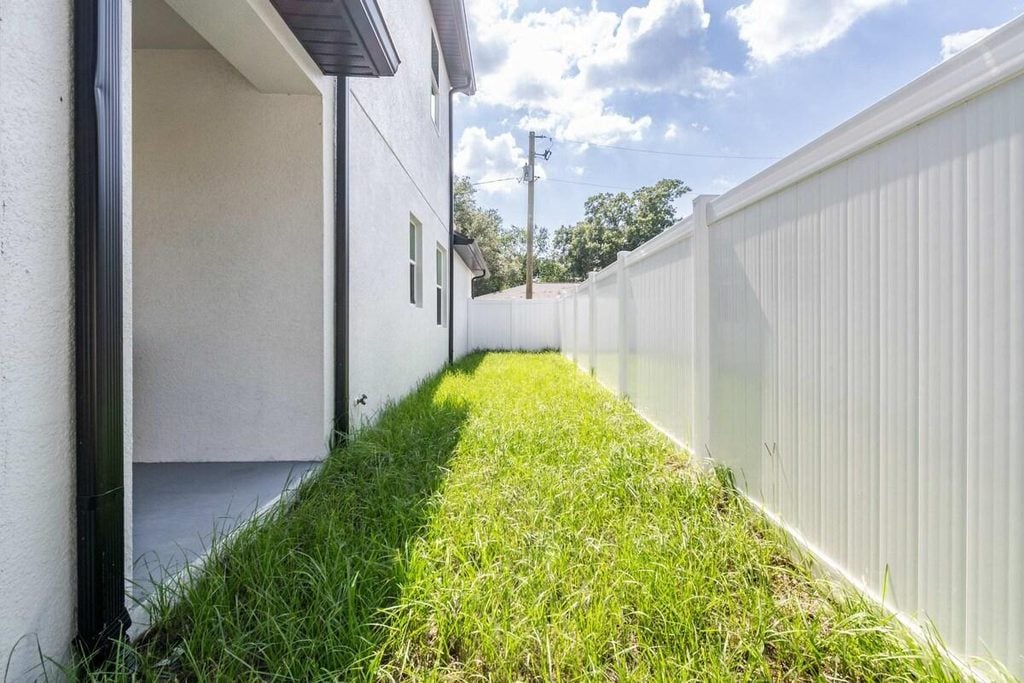
Do not base the decision entirely on the front lawn if the side yard or backyard is still soft. Include gates, narrow passages, and turning areas in your inspection.
Ask a practical question: can the entire planned mowing route be completed without crossing ground that is visibly wet or unstable? If not, delay the affected section or the whole visit, depending on access.
What to do when only part of the lawn is ready
It may be reasonable to mow a dry, firm section while leaving a wet area alone, provided there is a dry access route and enough room to turn without entering soft turf.
Avoid repeated passes along the boundary of the wet area. Do not assume a smaller mower makes saturated ground suitable for cutting, either; the ground still needs to support the work.
If a lawn maintenance crew is scheduled, point out the problem areas before equipment enters the yard. A useful message is specific: “The front feels firm, but the side yard still squishes underfoot.” That gives the crew more information than simply saying it rained yesterday.
How to handle grass that grew taller during the delay
Once the lawn is ready, resist the urge to cut it unusually short to make up for missed mowing. The immediate goal is a manageable cut, not forcing the lawn back to its usual appearance in one pass.
Ask your lawn care provider to assess the appropriate cutting height for your grass and its current condition. If it has become substantially taller, discuss whether returning to the normal height over more than one mowing would be appropriate.
Mowing height should be appropriate for the grass variety and its current condition. The UF/IFAS guide to mowing Florida lawns provides information about recommended mowing practices, including cutting heights and avoiding excessive removal of grass blades during a single mowing.
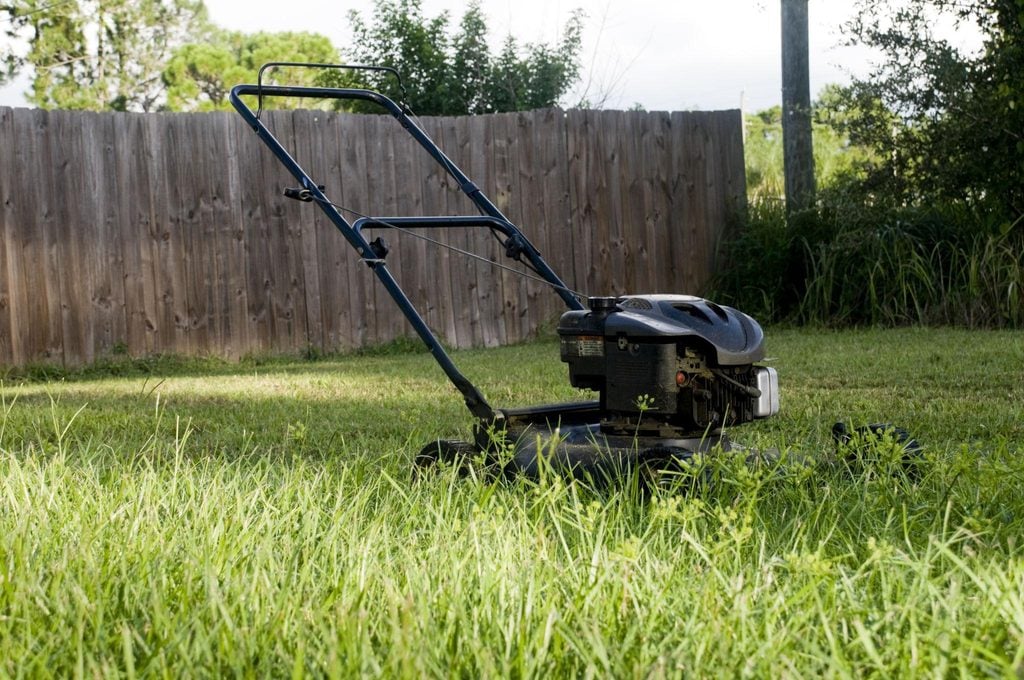
Before starting, also check for fallen twigs, scattered debris, and irrigation components that may be harder to see in taller grass. During mowing, watch for muddy wheel marks or turf pulling up at turns. Stop if conditions are worse than the initial inspection suggested.
If clippings collect in thick piles, address them rather than leaving heavy clumps on the lawn. Shut equipment down before checking for buildup, and follow the manufacturer’s safety instructions.
Use repeated wet spots as a maintenance clue
One rain-delayed mowing does not establish a larger landscape problem. However, a section that repeatedly stays wet deserves attention beyond a scheduling change.
If certain sections of your lawn remain wet after the rest has dried, reviewing your irrigation practices may be helpful. The EPA WaterSense landscaping tips provide guidance on water-efficient landscaping and irrigation practices that can help homeowners make better decisions about watering their lawns.
Keep a simple record of where water collects, whether irrigation ran after rainfall, and which areas remain soft when the rest of the yard is ready. Photos taken from the same position can make that pattern easier to explain.
If irrigation appears to be contributing, request a system assessment rather than assuming the answer is more mowing or new sod. Fine Design Outdoor Solutions provides irrigation system installation and repair, along with lawn mowing, edging, and landscape maintenance.
For persistent standing water, ask what evaluation is appropriate before choosing a remedy. Do not treat sod replacement, mulching, or a change in mowing equipment as an automatic solution to an unresolved wet area.
Frequently asked questions
-
Can I mow the day after heavy rain?
Possibly, but the calendar alone cannot tell you. Check for dry blades, firm ground, and a usable mowing route. If the soil remains soft or there is standing water, wait.
-
What if the grass is dry but the soil is still wet?
Wait if the ground squishes, sinks, or shows lasting footprints. Dry grass blades do not mean the soil is ready to support equipment.
-
Should I mow before another storm arrives?
Only if current lawn conditions are suitable. An approaching storm is not a reason to mow saturated turf. Avoid mowing during thunder or lightning, and follow equipment safety guidance.
-
Should I replace sod damaged by mowing on wet ground?
Have the area assessed first. Establish whether the issue is flattened grass, torn turf, ruts, or recurring saturation before deciding on repair or replacement. Address the reason for repeated damage before investing in new sod.
.
Plan the next cut around lawn conditions
When planning mowing after heavy rain in Port Charlotte, let your lawn’s actual condition determine when it’s safe to resume maintenance. Fine Design Outdoor Solutions provides lawn mowing, edging, irrigation services, and landscape maintenance for homeowners throughout Port Charlotte and surrounding Southwest Florida communities. If recurring wet spots or rain delays are affecting your lawn care schedule, Get a Free Quote to discuss your property’s maintenance needs.