
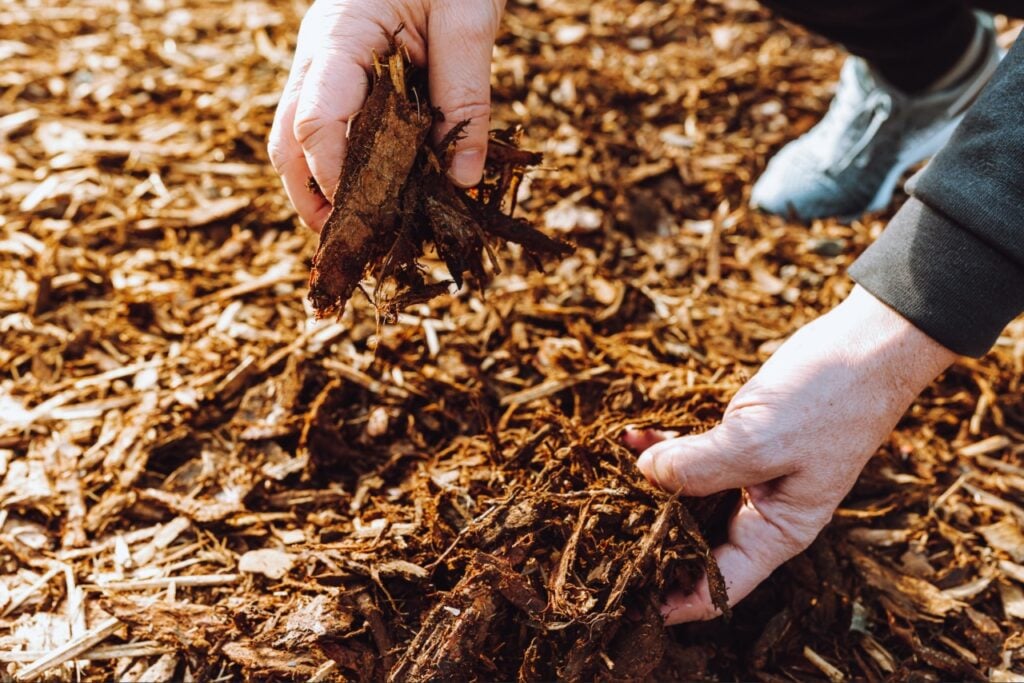
Refresh mulch Florida landscapes regularly to help maintain healthy plants, conserve soil moisture, suppress weeds, and keep outdoor spaces looking their best. While mulch is one of the most valuable materials used in residential landscaping, Florida’s heat, humidity, heavy rainfall, and year-round growing season can cause it to break down much faster than in many other parts of the country.
Whether you use mulch around flower beds, trees, shrubs, or garden borders, knowing when to replace or replenish it can improve both the appearance and performance of your landscape.
At Fine Design Outdoor Solutions, we help homeowners choose quality mulch and maintain attractive landscapes that perform well throughout Southwest Florida’s changing weather conditions. Understanding when to refresh mulch Florida properties can prevent common landscaping problems while supporting healthier soil and plants.
Why Mulch Matters in Florida Landscapes
Mulch provides much more than decorative appeal.
When properly installed and maintained, mulch helps:
- Retain soil moisture
- Suppress weed growth
- Moderate soil temperatures
- Reduce soil erosion
- Protect plant roots
- Improve curb appeal
- Gradually add organic matter to the soil (for organic mulches)
Because Florida landscapes experience frequent rain followed by intense heat, mulch plays an important role in helping plants adapt to changing weather conditions.
For these reasons, many homeowners choose to refresh mulch Florida landscapes as part of their regular seasonal landscape maintenance.
How Florida’s Climate Affects Mulch
Florida’s climate is beautiful for outdoor living, but it can be demanding on landscape materials.
Several environmental factors contribute to faster mulch breakdown:
Heat
High temperatures speed up the natural decomposition of organic mulch.
Heavy Rainfall
Frequent storms can wash mulch away from landscape beds or cause it to shift unevenly.
Humidity
Constant moisture encourages microorganisms that naturally decompose mulch over time.
Irrigation
Regular watering also contributes to gradual mulch breakdown, especially in heavily irrigated planting beds.
Because of these conditions, homeowners often need to refresh mulch Florida landscapes more frequently than those living in cooler climates.
Signs It’s Time to Refresh Your Mulch
Rather than replacing mulch on a fixed schedule, homeowners should watch for signs that it is no longer performing effectively.
Common indicators include:
Faded Color
Organic mulch naturally loses its rich appearance as it weathers.
Although fading is mostly cosmetic, it often signals that the mulch has been exposed to the elements for an extended period.
Thin Mulch Layer
Mulch gradually settles and decomposes.
If the layer has become noticeably thinner, it may no longer provide adequate weed suppression or moisture retention.
Weeds Becoming More Common
An increase in weeds often indicates the mulch layer has become too thin to block sunlight effectively.
Soil Becoming Exposed
Visible soil between plants reduces moisture retention and increases erosion during heavy rain.
Mulch Washing Away
Heavy storms may move mulch away from planting beds, exposing roots and leaving uneven coverage.
These signs indicate it may be time to refresh mulch Florida landscapes before additional maintenance issues develop.
How Often Should You Refresh Mulch?
Although every landscape is different, many Florida homeowners benefit from inspecting mulch at least twice each year.
Depending on the mulch type, weather conditions, and landscape exposure, mulch may need to be refreshed:
- Every 6 to 12 months in highly visible landscape beds
- Annually for most residential properties
- More frequently after severe storms or prolonged heavy rainfall
- Whenever the mulch layer becomes too thin to perform effectively
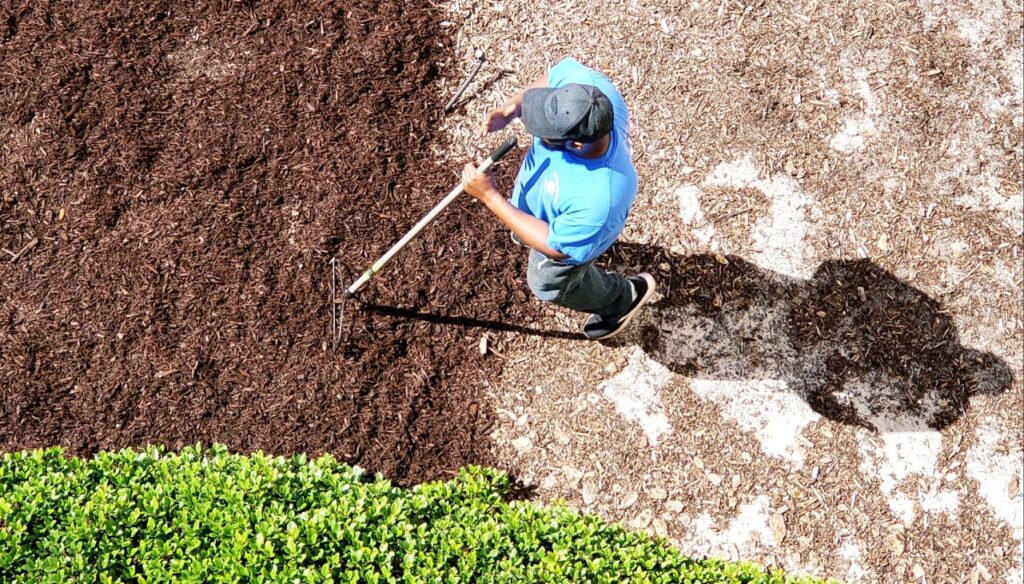
Rather than removing all existing mulch, many landscapes simply require an additional layer to restore the recommended depth.
Regular inspections help homeowners determine when to refresh mulch Florida landscapes before weeds, erosion, or moisture loss become larger concerns.
Choosing the Right Mulch for Florida Landscapes
Selecting the right mulch is just as important as knowing when to refresh mulch Florida landscapes. Different mulch materials vary in appearance, longevity, and performance depending on where they are installed.
Common mulch options include:
Pine Bark Mulch
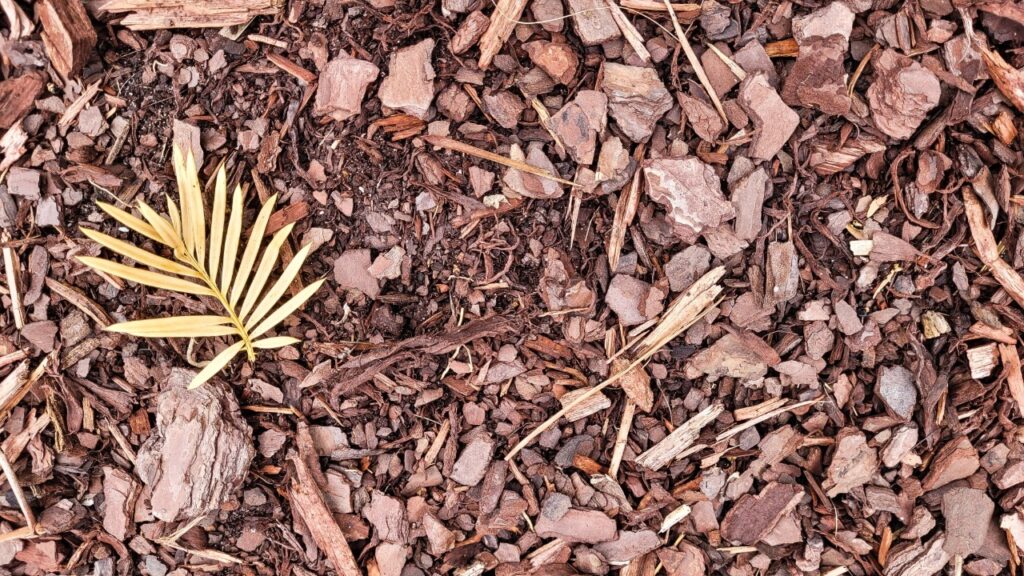
Pine bark is popular because it has a natural appearance, helps retain moisture, and gradually improves soil as it decomposes.
Hardwood Mulch
Hardwood mulch provides excellent weed suppression and moisture retention while creating a clean, finished look for landscape beds.
Cypress Mulch
Cypress mulch is valued for its durability and resistance to decomposition, making it a common choice for Florida landscapes.
Decorative Mulch
Color-enhanced mulch can provide longer-lasting visual appeal, although homeowners should still inspect it regularly to ensure it continues performing effectively.
The best mulch depends on your landscape design, maintenance goals, and the specific needs of your plants.
Common Mulching Mistakes to Avoid
Even quality mulch can create problems when you install it incorrectly.
Applying Too Much Mulch
One of the most common mistakes is creating mulch layers that are too deep.
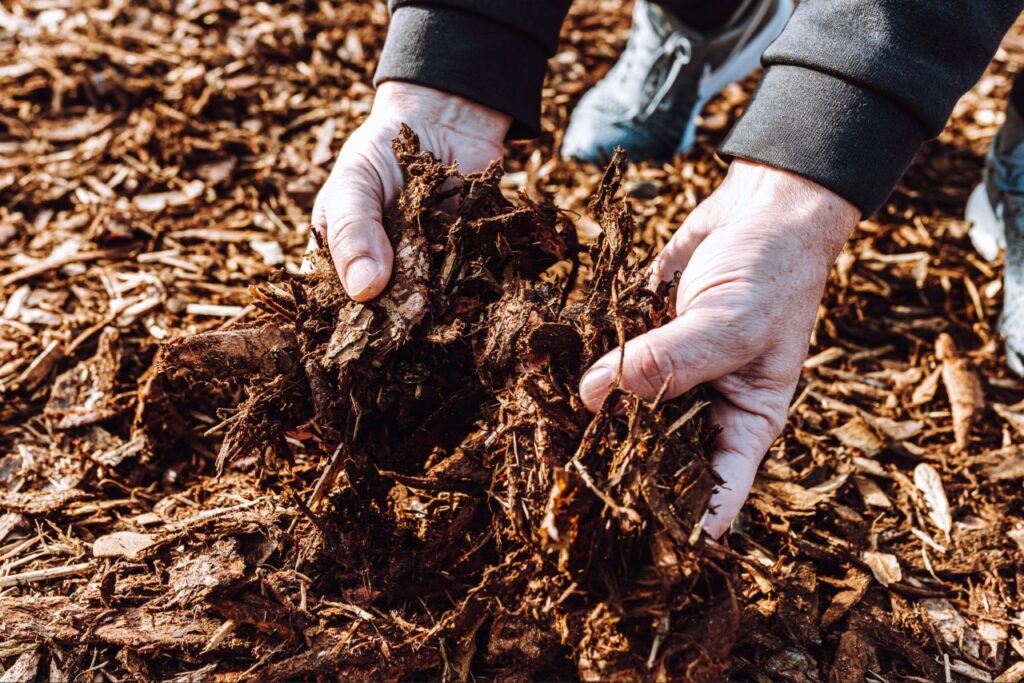
Excessive mulch can:
- Restrict airflow to roots
- Hold excessive moisture
- Encourage fungal growth
- Create favorable conditions for certain pests
In most landscape beds, maintaining a mulch depth of approximately two to four inches is generally recommended.
Piling Mulch Against Tree Trunks
“Mulch volcanoes” occur when mulch is piled directly against the base of trees.
This practice can trap moisture against the trunk, increase the risk of decay, and make trees more susceptible to pests and disease.
Instead, keep mulch a few inches away from the trunk while spreading it evenly around the root zone.
Ignoring Drainage Problems
Mulch helps conserve moisture, but it cannot solve drainage issues.
If water consistently pools in landscape beds, the underlying grading or drainage should be corrected before simply adding more mulch.
Skipping Routine Inspections
Many homeowners install mulch and forget about it until it has almost completely decomposed.
Regular inspections help identify areas that need attention before weeds, erosion, or exposed soil become significant problems.
Benefits of Professional Mulch Installation
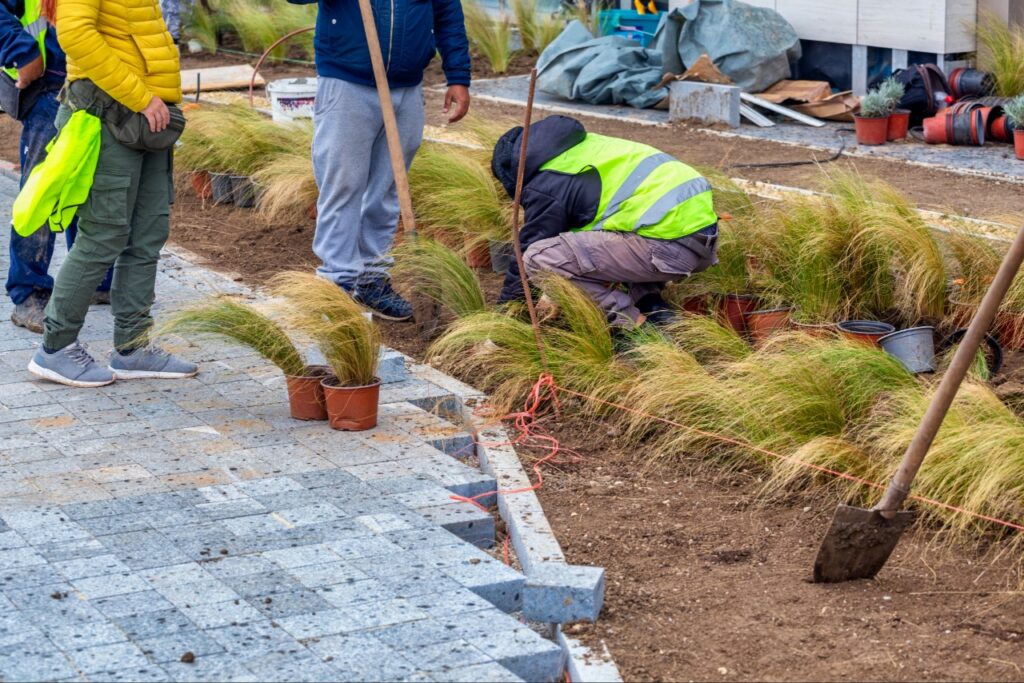
While many homeowners install mulch themselves, professional installation offers several advantages.
A professional landscaping team can help:
- Select the appropriate mulch for your property
- Calculate the correct quantity of material
- Apply mulch at the proper depth
- Maintain consistent coverage
- Protect trees and shrubs from improper installation
- Improve the overall appearance of landscape beds
Professional installation also ensures mulch is distributed evenly, helping it perform as intended throughout the year.
At Fine Design Outdoor Solutions, we help homeowners choose high-quality mulch and install it correctly to improve both the beauty and health of their landscapes.
Seasonal Mulch Maintenance Tips
Maintaining mulch throughout the year helps extend its lifespan and improve landscape performance.
Simple maintenance practices include:
- Inspect mulch after heavy storms.
- Redistribute mulch that has washed away.
- Remove weeds before they spread.
- Keep mulch away from tree trunks and foundations.
- Add fresh mulch as older material decomposes.
- Check mulch depth during seasonal landscape maintenance.
These routine inspections make it easier to determine when to refresh mulch Florida landscapes while avoiding unnecessary replacement.
Keep Your Landscape Looking Its Best
Knowing when to refresh mulch Florida landscapes is an important part of maintaining a healthy and attractive property. Fresh mulch improves curb appeal while helping retain soil moisture, suppress weeds, regulate soil temperature, and reduce erosion.
Although Florida’s climate causes mulch to break down more quickly than in many other regions, regular inspections and timely replenishment can help homeowners enjoy the full benefits of this valuable landscape material.
Whether you’re updating existing landscape beds or planning a new outdoor project, choosing the right mulch and maintaining it properly can make a noticeable difference in the appearance and performance of your landscape.
At Fine Design Outdoor Solutions, we’re committed to helping homeowners select quality mulch and landscape materials that support healthier plants, improve curb appeal, and create outdoor spaces that thrive throughout Southwest Florida.
Frequently Asked Questions
-
How often should I refresh mulch in Florida?
Most homeowners should refresh mulch Florida landscapes about once a year. However, mulch may need to be replenished every 6 to 12 months depending on the mulch type, weather conditions, irrigation, and how quickly it decomposes.
-
What is the best mulch for Florida landscapes?
Pine bark, hardwood mulch, and cypress mulch are all popular choices for Florida landscapes. The best option depends on your landscape design, maintenance goals, plant types, and personal preference.
-
How deep should mulch be?
For most planting beds, a mulch depth of 2 to 4 inches is recommended. Applying mulch deeper than this range can reduce airflow to plant roots and trap excessive moisture.
-
Should I remove old mulch before adding new mulch?
Not always. If the existing mulch is still in good condition and has not become excessively thick, homeowners can often add a fresh layer to restore the recommended depth. If mulch has become compacted, moldy, or significantly decomposed, removing some of the old material before adding new mulch may be beneficial.