
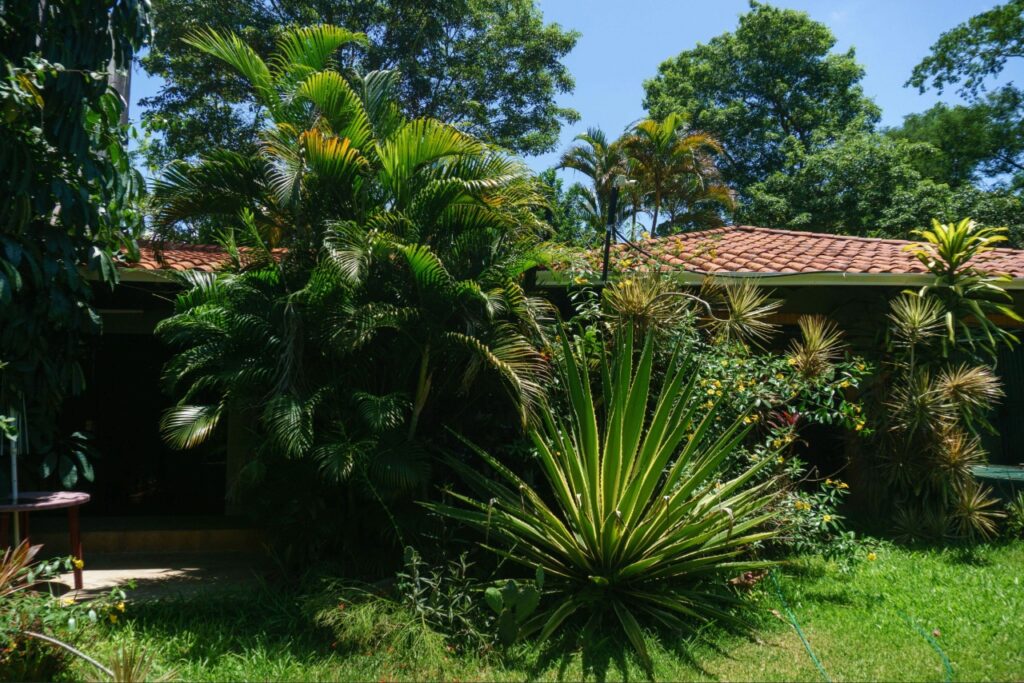
Florida homeowners deal with pest activity throughout much of the year, and the state’s climate is a major reason. Warm temperatures, humidity, frequent rainfall, standing water, and abundant vegetation can create favorable conditions for many insects and other pests.
Understanding the relationship between Florida climate pests can help homeowners recognize why pest activity may increase around their properties. Florida climate pests are influenced by temperature, moisture, rainfall, vegetation, and the availability of food and shelter.
UF/IFAS notes that Florida’s pest pressure tends to be higher because of factors including the state’s climate and rainfall. The organization also identifies common household and structural pests such as cockroaches, ants, termites, fleas, bed bugs, rats, and mice.
This doesn’t mean every Florida home will experience a pest problem. However, understanding how environmental conditions influence pests can make prevention more effective.
For homeowners in Port Charlotte and throughout Southwest Florida, these conditions are particularly important to consider when maintaining both the house and the surrounding landscape.
1. Warm Temperatures Keep Many Pests Active
One of the biggest factors behind Florida climate pests is the state’s consistently warm environment.
When discussing Florida climate pests, temperature is one of the first environmental factors homeowners should consider.
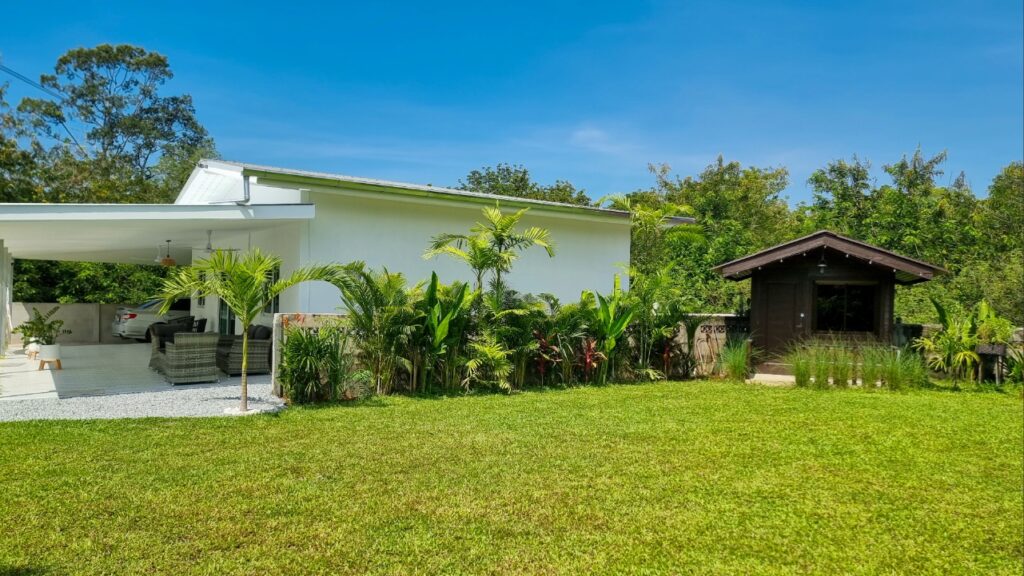
Temperature affects many insects because their development and activity depend on environmental conditions. UF/IFAS explains that temperature and humidity can influence pest development, while monitoring environmental conditions can help predict pest activity.
In colder parts of the country, low winter temperatures can significantly reduce insect activity for periods of time. Florida’s comparatively warm climate doesn’t provide the same prolonged interruption.
Such conditions can mean the following:
- Longer periods of insect activity
- More opportunities for pests to reproduce
- Continued pest pressure around homes
- Greater importance of year-round prevention
- More frequent encounters with outdoor pests
This phenomenon is one reason Florida homeowners shouldn’t assume that pest prevention is only necessary during one particular season.
While some pest populations may increase during particular times of year, homeowners can encounter pest activity during many different months.
Warm Weather and Pest Life Cycles
These environmental conditions help explain why Florida climate pests can remain active for much of the year.
Temperature can influence how quickly some insects develop from one life stage to another.
That means environmental conditions can affect not only whether pests are active, but also how quickly their populations can develop.
For homeowners, the practical takeaway is simple: Florida’s warm climate can allow pest activity to continue when colder weather would naturally suppress it elsewhere.
2. High Humidity Creates Favorable Conditions
Humidity is another important factor when discussing Florida climate pests.
Humidity is particularly important when considering Florida climate pests because moisture can affect where pests live, feed, and reproduce.
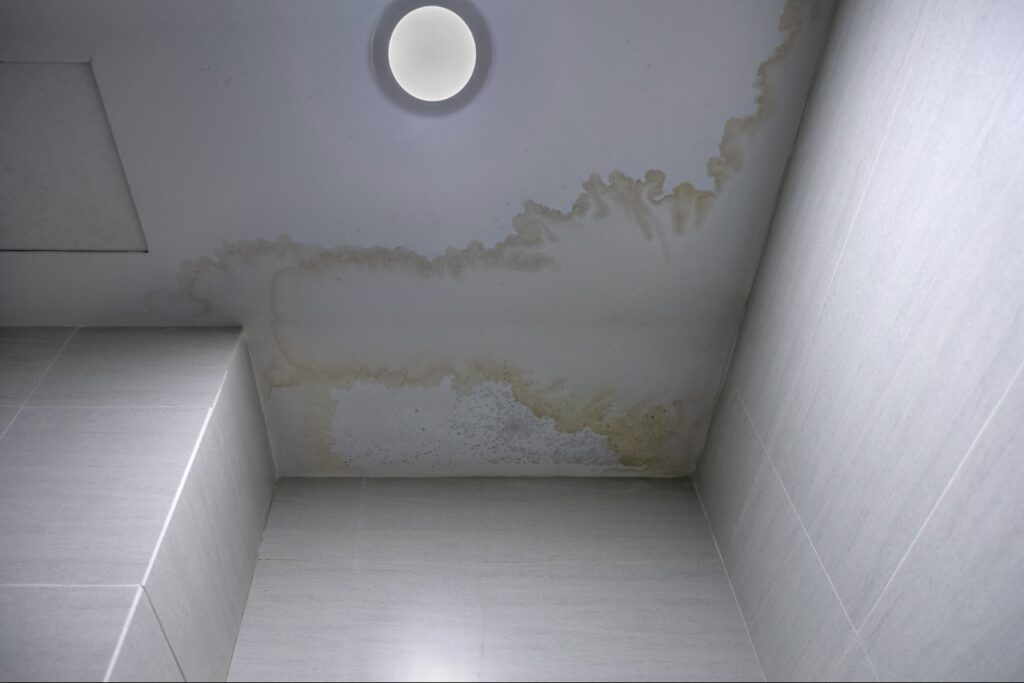
Florida’s humid conditions can contribute to environments that support certain insects and other pests. UF/IFAS notes that excessive indoor moisture can increase pest numbers, with pests such as dust mites benefiting from it.
Moisture can come from both inside and outside the home.
Potential sources include the following:
- Plumbing leaks
- Condensation
- Poor ventilation
- Damp crawl spaces
- Wet landscaping
- Leaking irrigation
- Poor drainage
- Standing water
- Moist organic material
Controlling these moisture sources can help reduce conditions associated with Florida climate pests.
Homeowners should therefore look beyond visible insects when evaluating their property’s pest risk.
A consistently damp area around the home can indicate that you need to address moisture before pest activity becomes more difficult to manage.
Why Indoor Humidity Matters
Florida homes are designed to provide comfortable, climate-controlled environments for people. Unfortunately, those same conditions can sometimes provide shelter for pests.
UF/IFAS explains that excessive indoor humidity can contribute to increased pest activity and recommends controlling moisture inside the home.
Maintaining appropriate indoor humidity, repairing leaks promptly, and ensuring that moisture isn’t accumulating in hidden areas can therefore be part of a broader pest-prevention strategy.
3. Heavy Rain Can Push Pests Toward Homes
Rain is another important part of the relationship between Florida climate pests.
For homeowners, understanding rainfall patterns can make it easier to anticipate changes in Florida climate pests.
Florida receives substantial rainfall, particularly during wetter periods of the year. Heavy rain can saturate soil and disturb pests living outdoors, sometimes causing them to move toward sheltered locations.
UF/IFAS recently documented an increase in household pests associated with excess moisture and rainfall, including ants, earwigs, millipedes, centipedes, pill bugs, and other moisture-associated organisms moving indoors.
After periods of heavy rain, homeowners may notice more pest activity around:
- Garages
- Entryways
- Patios
- Porches
- Windows
- Exterior walls
- Sheds
- Pool areas
Not every pest found after rainfall represents an infestation. Some outdoor organisms may simply be responding to changing environmental conditions.
However, repeated pest activity can indicate that conditions around the property are providing shelter, moisture, food, or convenient entry points.
Rain and Pest Entry Points
These vulnerabilities can become particularly important when weather conditions increase Florida climate pests activity around the structure.
Rain can also draw attention to weaknesses around a home.
Cracks, gaps beneath doors, damaged screens, openings around pipes, and other access points can provide pests with opportunities to move indoors.
UF/IFAS recommends sealing gaps around doors and windows and addressing conditions that encourage pest activity around the home.
4. Standing Water Creates More Than a Mosquito Problem
Standing water is one of the most obvious environmental factors homeowners should watch for.
Standing water is another major factor associated with Florida climate pests.
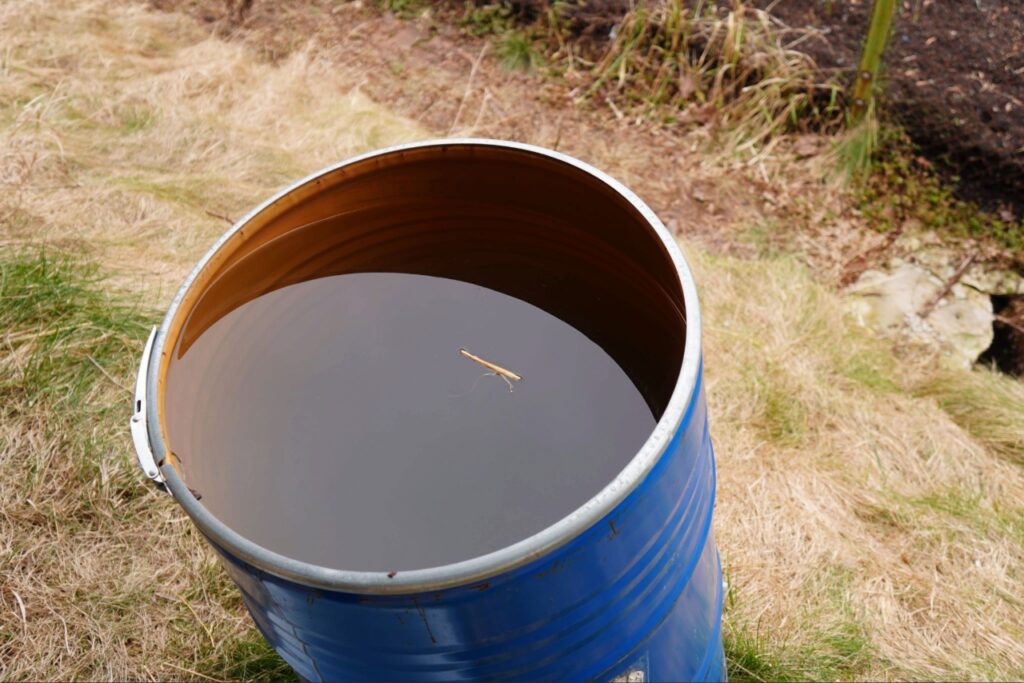
Containers, clogged gutters, low areas, plant saucers, poorly draining areas, and other objects can collect water after rainfall.
Mosquitoes are especially important because they require water for breeding. UF/IFAS specifically recommends eliminating or regularly emptying water-holding containers around homes to reduce mosquito breeding opportunities.
But standing water can also indicate a broader drainage or landscape-management issue.
Look around your property for:
- Buckets
- Children’s toys
- Plant containers
- Birdbaths
- Clogged gutters
- Low landscape areas
- Unused equipment
- Pool-related items
- Containers left outdoors
Even relatively small amounts of standing water can become relevant to mosquito prevention.
For homeowners dealing with recurring water accumulation, the solution may involve more than simply removing containers. Improving drainage, correcting grading problems, or adjusting irrigation may also be necessary.
5. Dense Landscaping Can Give Pests Food and Shelter
Florida’s warm climate supports a wide variety of plants, and residential landscapes can provide valuable food and shelter for insects and other pests. That vegetation is one reason Florida climate pests can find abundant food and shelter around residential properties.
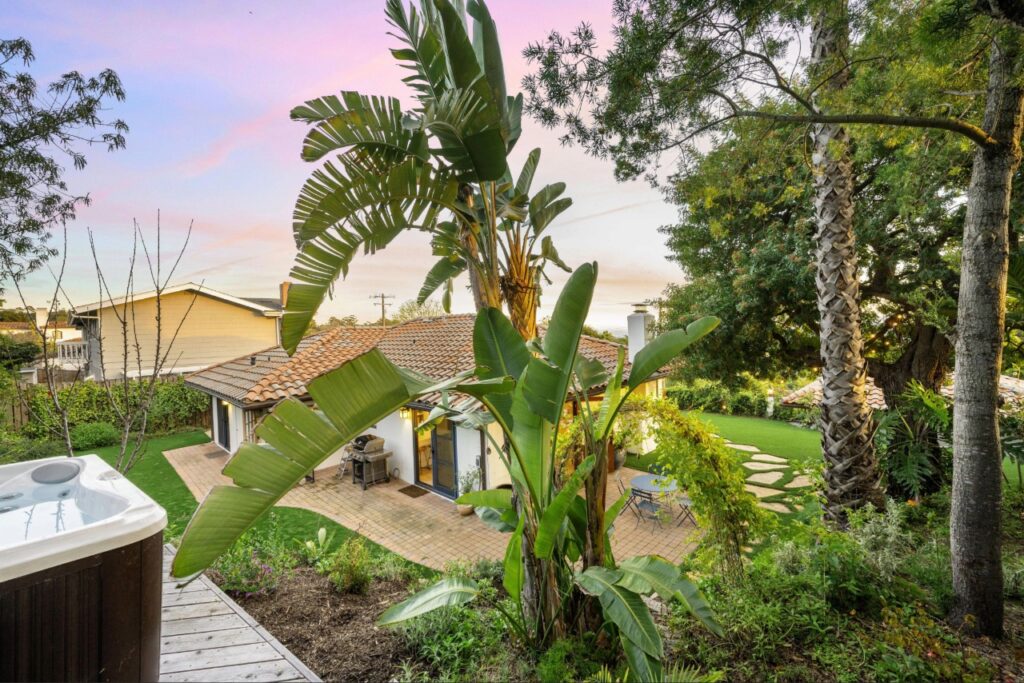
Trees, shrubs, groundcovers, mulch, fallen leaves, and other organic material can create protected areas where pests can hide.
This doesn’t mean homeowners should remove their landscaping. Instead, the goal is to maintain vegetation in a way that reduces unnecessary pest harborage near the home.
Pay particular attention to plants and landscape materials located directly against exterior walls.
Dense vegetation can
- Create shaded, protected areas
- Hold moisture near the foundation
- Provide hiding places for insects
- Make pest activity harder to notice
- Give pests easier access to portions of the home
Regular landscape maintenance can help reduce these conditions.
Trim vegetation when necessary to maintain reasonable clearance around the house, remove dead plant material, and avoid allowing excessive organic debris to accumulate.
Mulch and Pest Activity
Proper landscape maintenance can therefore help homeowners manage some of the environmental conditions associated with Florida climate pests.
Mulch is useful in residential landscapes, but how it is installed and maintained matters.
A thick layer of wet organic material placed immediately next to a structure can create a sheltered environment for various organisms.
This doesn’t mean mulch should never be used. Proper installation and maintenance are more important.
Homeowners should avoid piling mulch directly against walls, doors, or tree trunks, and they should monitor areas where mulch remains consistently damp.
Landscape maintenance is therefore an important part of managing Florida climate pests, especially when vegetation and organic materials are close to the home.
6. Outdoor Food Sources Can Attract Unwanted Visitors
Pests need food, and residential properties can unintentionally provide plenty of it.
Food availability is another factor that can influence Florida climate pests around residential properties.
Pet food left outdoors, uncovered garbage, fallen fruit, outdoor cooking areas, bird feeders, and other food sources can attract insects and animals.
Even small amounts of food residue can become relevant when combined with Florida’s warm conditions.
Homeowners should consider how food is stored and handled both inside and outside the property.
Practical steps include:
- Keep garbage containers closed
- Clean outdoor cooking areas regularly
- Avoid leaving pet food outside for extended periods
- Pick up fallen fruit from trees
- Clean food spills promptly
- Store food in sealed containers
- Keep composting areas properly managed
Reducing these food sources can make the property less attractive to Florida climate pests.
Ants and cockroaches, for example, can take advantage of accessible food sources inside and around homes.
UF/IFAS recommends eliminating food and water sources and maintaining sanitation as part of integrated pest management. (ask.ifas.ufl.edu)
7. Florida Homes Provide Shelter From the Elements
A home provides something pests are constantly looking for: protection.
This is especially relevant when considering Florida climate pests, because sheltered areas can provide relief from changing outdoor conditions.
During periods of extreme heat, heavy rain, or changing outdoor conditions, pests may seek sheltered locations.
Garages, attics, wall voids, crawl spaces, sheds, and other protected areas can provide favorable environments.
Small openings can make it easier for pests to enter.
Common entry points include:
- Gaps around doors
- Damaged window screens
- Cracks in exterior walls
- Openings around utility lines
- Gaps around pipes
- Garage-door gaps
- Roof or soffit openings
- Damaged vents
Sealing these openings is an important part of managing Florida climate pests before they become established indoors.
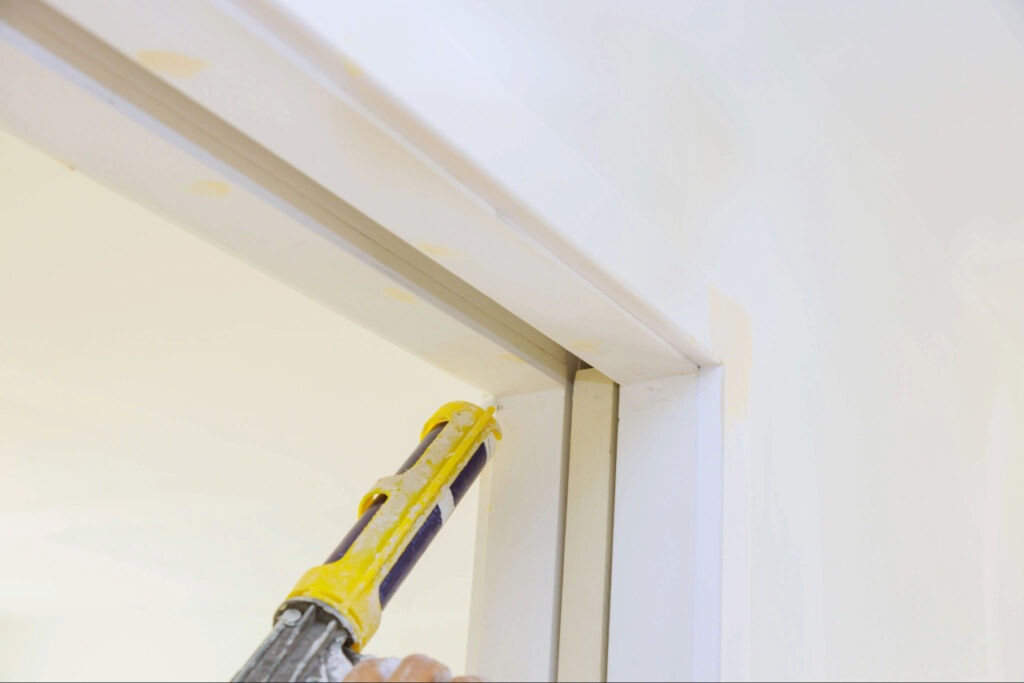
This is why pest prevention isn’t simply about killing insects that are already present.
It also involves reducing opportunities for pests to enter.
UF/IFAS recommends sealing cracks and openings around buildings and maintaining screens, doors, and windows to help prevent pest entry. (ask.ifas.ufl.edu)
Why Small Gaps Matter
A small opening may not look significant to a homeowner, but it can provide an access point for insects or other pests.
Regularly inspecting the exterior of the home can help identify these vulnerabilities before they become larger problems.
Pay particular attention after storms or periods of heavy rain, when damaged screens, weather stripping, soffits, and other exterior components may require your attention.
8. Different Pests Respond to Florida Conditions Differently
Not all pests respond to Florida’s climate in exactly the same way.
Understanding the differences can help homeowners recognize why certain pest problems may occur around their properties.
Ants
Ants are among the pests Florida homeowners commonly encounter.
These environmental factors are important when understanding why ants are among the common Florida climate pests homeowners encounter.
Rain, moisture, food availability, and disturbed outdoor nesting areas can all influence where ants become active.
You may notice increased activity around kitchens, patios, foundations, landscaping, or other areas where food and moisture are accessible.
Cockroaches
Cockroaches are well adapted to warm environments and can take advantage of food, moisture, and shelter around homes.
Warmth, moisture, food, and shelter can all contribute to conditions that support Florida climate pests such as cockroaches.
Leaks, damp areas, garbage, food residue, and clutter can create conditions that make a property more attractive to them.
Keeping the home clean and dry and reducing access to food and water can help reduce favorable conditions.
Termites
Termites deserve particular attention because some species can cause significant structural damage.
This makes termite prevention an important consideration when evaluating Florida climate pests and the potential risks to a property.
Florida’s warm climate can support termite activity, and homeowners shouldn’t assume that visible pest activity is required before taking preventive measures.
Moisture problems around a structure can also contribute to conditions that make a property more vulnerable to certain termite-related issues.
If you suspect termite activity, professional inspection can help determine whether treatment or additional action is necessary.
Mosquitoes
Mosquitoes are strongly associated with standing water.
They are therefore one of the most recognizable Florida climate pests associated with rainfall and outdoor moisture.
Unlike many pests that primarily seek food or shelter around structures, mosquitoes can reproduce in relatively small amounts of stagnant water.
That makes routine property inspections particularly important after rainfall.
Rodents
Rats and mice can enter buildings when they find accessible food, water, and shelter.
Food, water, shelter, and access points can all influence the presence of Florida climate pests and other unwanted animals around a home.
While Florida’s climate is one factor, the structure of the home and availability of resources are also important.
Keeping food secured, reducing clutter, sealing entry points, and maintaining the area around the home can help make the property less attractive to rodents.
9. Landscaping and Pest Control Should Work Together
One of the biggest mistakes homeowners can make when dealing with Florida climate pests is treating landscaping and pest control as completely separate concerns.
The condition of the landscape immediately around a house can influence pest activity.
For example, excessive moisture, dense vegetation, accumulated leaves, poorly maintained mulch, and standing water can all contribute to conditions that support unwanted organisms.
That doesn’t mean every landscape feature creates a pest problem.
Instead, homeowners should look at the entire property.
Consider:
Plants:
Are shrubs excessively dense or touching the structure?
Moisture:
Are irrigation systems creating consistently wet areas?
Drainage:
Does water collect near the foundation?
Mulch:
Is mulch being maintained appropriately?
Debris:
Are leaves and organic materials accumulating?
Entry points:
Are there cracks or gaps that pests can use?
This integrated approach can make pest prevention more effective.
10. Pest Activity Can Continue Beyond Summer
Florida homeowners shouldn’t assume that pest problems automatically disappear when summer ends.
Although pest activity can fluctuate throughout the year, Florida’s relatively warm conditions allow many pests to remain active for extended periods.
This is another important reason Florida climate pests require a year-round approach rather than a single seasonal treatment. Monitoring Florida climate pests throughout the year can help homeowners identify changes before they become larger problems.
Instead of waiting until pest activity becomes severe, homeowners can regularly inspect their property and address conditions that may encourage pests.
Year-round prevention can include the following:
- Checking for leaks
- Removing standing water
- Maintaining screens
- Sealing exterior gaps
- Managing garbage
- Keeping food secured
- Maintaining landscaping
- Monitoring for unusual pest activity
- Addressing drainage problems
These conditions can work together to create a property where Florida climate pests have easier access to food, moisture, and shelter.
These steps don’t guarantee that a home will never experience pests, but they can reduce some of the conditions that make a property attractive to them.
What Florida Homeowners Can Do to Reduce Pest Pressure
Florida’s climate can’t be changed, but homeowners can control many conditions around their properties that make pests comfortable.
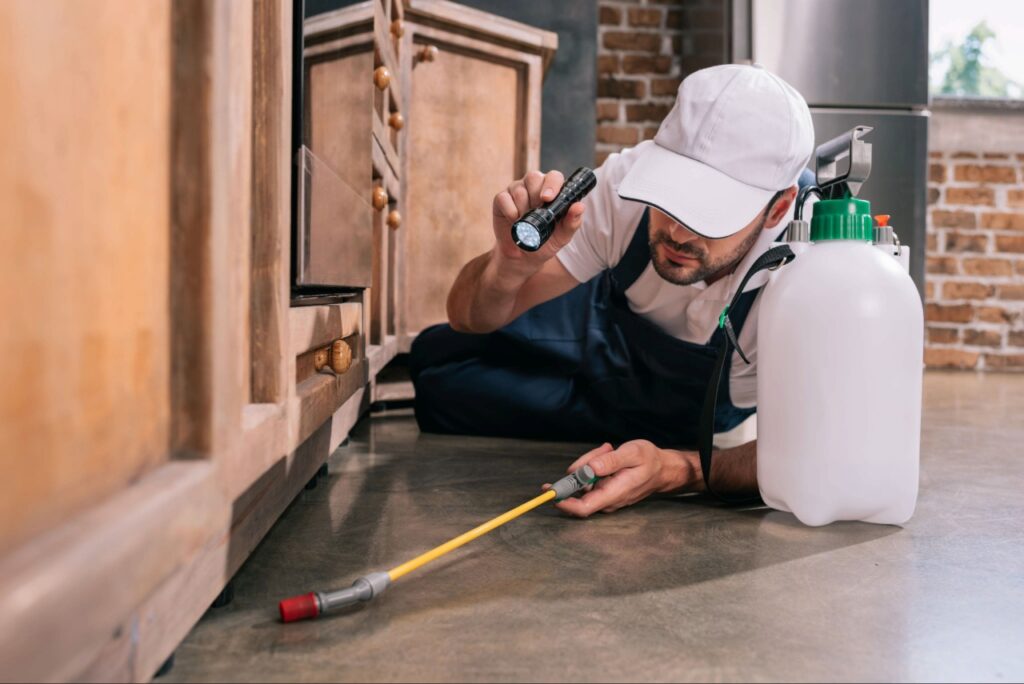
The most effective approach is usually not to rely on a single treatment. A better approach to Florida climate pests is to reduce the environmental conditions that allow them to thrive. Instead, look at the property as a whole and reduce the food, water, shelter, and access points that pests need.
The EPA describes this approach as Integrated Pest Management (IPM), which emphasizes prevention, monitoring, and using control measures when necessary rather than automatically relying on pesticides.
Here are several practical steps homeowners can take.
Keep Moisture Under Control
Inspect the property regularly for unnecessary moisture.
Check:
- Leaking faucets and pipes
- Irrigation leaks
- Clogged gutters
- Downspouts
- Damp crawl spaces
- Poorly draining landscape areas
- Standing water
- Condensation
- Water collecting around outdoor containers
Moisture management is one of the most useful strategies for reducing conditions associated with Florida climate pests.
Fixing a moisture problem can sometimes accomplish more than repeatedly treating the pest activity it creates.
Seal Potential Entry Points
Walk around the exterior of the home and look for cracks, gaps, damaged screens, and openings around utility lines or pipes.
Exclusion is especially valuable when dealing with Florida climate pests because preventing entry can be easier than managing an established indoor problem.
Pay particular attention to areas where different building materials meet.
Weather stripping around doors, properly maintained screens, and sealing appropriate exterior gaps can make it more difficult for pests to enter.
The EPA specifically recommends sealing entry points and removing conditions that provide pests with food, water, and shelter.
Keep Food and Garbage Secure
Don’t provide pests an easy food source.
Store food properly, clean spills promptly, keep garbage containers closed, and avoid leaving pet food outdoors for extended periods.
Outdoor areas deserve attention too. Grills, patios, trash storage areas, and outdoor dining spaces can accumulate food residue that attracts insects.
Inspect Standing Water Regularly
After rainfall, walk around the property and look for containers or low areas that have collected water.
The CDC recommends emptying, scrubbing, covering, turning over, or disposing of items that hold water at least weekly to reduce mosquito breeding opportunities.
Regular inspections are particularly useful for managing Florida climate pests associated with Florida’s wet conditions.
This includes common items such as:
- Buckets
- Plant saucers
- Toys
- Birdbaths
- Tires
- Containers
- Pool covers
- Trash receptacles
For Florida homeowners, this simple inspection can be an important part of managing mosquito activity.
Maintain the Landscape Around Your Home
Landscaping should enhance the property without creating unnecessary pest harborage.
Keep vegetation maintained and watch for plants or branches that make direct contact with the structure.
Remove excessive dead vegetation and organic debris, and maintain mulch appropriately.
This doesn’t mean creating a bare perimeter around the house. A well-maintained landscape can still provide beauty and shade while reducing some of the conditions pests use for shelter.
This is particularly important when thinking about Florida climate pests because the landscape and structure are connected environments. Understanding that connection can make Florida climate pests easier to prevent and manage.
Monitor Before You Treat
Seeing an occasional insect doesn’t necessarily mean you have an infestation.
Monitoring is especially important with Florida climate pests because not every insect sighting indicates an infestation.
Instead of immediately treating every pest you see, consider:
- What pest is it?
- Where did you observe it?
- Are you seeing one or many?
- Is activity increasing?
- Are there moisture or food sources nearby?
- Could the pest have come in from outdoors?
- Is there evidence of nesting or reproduction?
Monitoring can help determine whether you’re dealing with an isolated occurrence or a developing pest problem.
The EPA’s IPM approach specifically emphasizes monitoring and using information about pest activity to determine when control measures are appropriate.
When DIY Prevention May Not Be Enough
Basic prevention can be effective, but sometimes you need professional assistance.
Consider contacting a pest-control professional if:
Professional identification can be particularly valuable when recurring Florida climate pests cannot be connected to an obvious environmental source.
- Pest activity continues despite prevention efforts
- You repeatedly find pests indoors
- You discover evidence of termites
- Rodents are entering the structure
- You cannot identify the pest
- Pest activity is occurring in difficult-to-access areas
- The problem is becoming more widespread
- You’re concerned about using pest-control products correctly
A professional can help identify the pest, determine what is contributing to the problem, and recommend an appropriate management strategy.
UF/IFAS maintains homeowner resources on household and structural pest management, including guidance on selecting pest-control services and managing common household pests.
Don’t Assume More Pesticide Means Better Pest Control
Homeowners sometimes respond to recurring pest activity by applying more products or treating more frequently.
That isn’t necessarily the best solution.
Integrated Pest Management focuses first on identifying the conditions that allow pests to survive and reproduce. Control methods can then be selected according to the pest, location, severity, and circumstances.
If pesticides are used, homeowners should always follow the product label and applicable directions.
For recurring problems, it is often more effective to identify and correct the underlying source than to repeatedly treat the visible symptoms.
Why a Year-Round Approach Works Better in Florida
Florida homeowners don’t luxuriate in relying on a long, cold winter to eliminate all pest activity.
Warm temperatures, humidity, rainfall, vegetation, and available shelter can create favorable conditions at different times throughout the year.
That makes prevention an ongoing process.
A year-round strategy is particularly appropriate for Florida climate pests because environmental conditions can remain favorable beyond a single pest season.
A year-round approach might look like this:
Regularly:
Check for leaks, standing water, food sources, and entry points.
After heavy rain:
Inspect the yard, gutters, drainage areas, and exterior of the home.
During landscape maintenance:
Look for dense vegetation, excessive moisture, debris, and potential pest harborage.
Throughout the year:
Monitor for unusual pest activity inside and outside the property.
When problems persist:
Seek professional identification and pest-management advice.
Understanding Florida climate pests is ultimately about understanding the relationship between the environment and the property.
When homeowners remove unnecessary food, water, shelter, and access points, they can make their homes less attractive to many unwanted pests.
Final Thoughts
Florida’s climate is one of the state’s greatest attractions, but the same warmth, humidity, rainfall, and abundant vegetation that make the environment appealing to people can also create favorable conditions for Florida climate pests.
That doesn’t mean Florida homeowners should expect constant pest problems. It means prevention needs to account for local environmental conditions.
A better overall pest-management strategy can benefit from managing moisture, eliminating standing water, securing food and garbage, maintaining landscaping, sealing entry points, and monitoring pest activity.
For homeowners in Port Charlotte and throughout Southwest Florida, understanding these environmental factors can make pest prevention more proactive rather than reactive.
Fine Design Outdoor Solutions can help property owners address outdoor conditions that contribute to a healthier, better-maintained property. When pest activity continues despite reasonable prevention efforts, professional pest-control assistance can also help identify the underlying issue and determine the appropriate next step.
Understanding Florida climate pests gives homeowners a better foundation for making decisions about moisture control, landscaping, exclusion, sanitation, and professional pest management.
The goal isn’t simply to react whenever pests appear. It’s about understanding why they appear and making the property less favorable to them over time.
FAQs
-
Why does Florida have so many pests?
Florida’s warm temperatures, humidity, rainfall, vegetation, and availability of food, water, and shelter can create favorable conditions for many pests. These environmental factors can allow certain pests to remain active for longer periods than they might in colder climates.
-
Does Florida’s humidity attract pests?
Humidity and moisture can contribute to conditions favorable to certain pests. Leaks, damp areas, condensation, poor drainage, and other moisture sources can make a property more attractive to some insects and other pests.
-
Does rain make pest problems worse in Florida?
Heavy rainfall can alter outdoor conditions and may cause some pests and moisture-associated organisms to move toward sheltered areas, including structures. Rain can also leave standing water that provides breeding opportunities for mosquitoes.
-
How can Florida homeowners reduce pest activity?
Homeowners can reduce some pest-attracting conditions by eliminating standing water, repairing leaks, securing food and garbage, maintaining landscaping, reducing unnecessary clutter, and sealing potential entry points. These are consistent with the prevention principles of integrated pest management.
-
Do Florida homes need year-round pest prevention?
Because Florida’s climate can support pest activity for extended periods, year-round monitoring and prevention can be more practical than relying on a single seasonal treatment.