
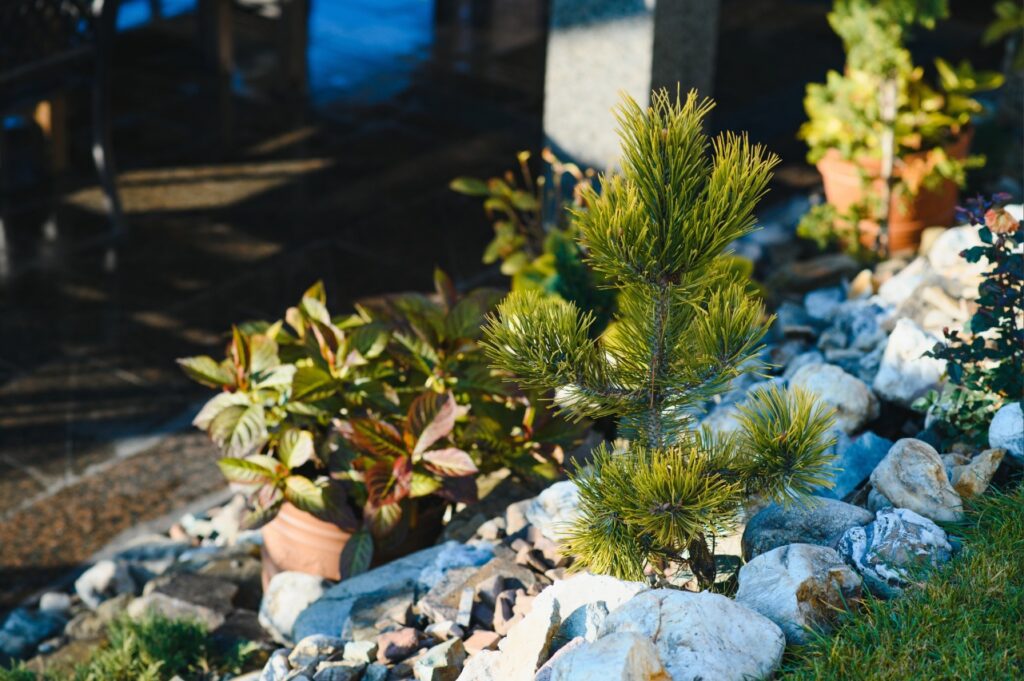
Choosing between river rock vs mulch is one of the most common decisions Florida homeowners make when designing or updating their landscapes. Both materials offer attractive finishes for landscape beds, but they perform differently when it comes to moisture retention, weed suppression, maintenance, cost, and long-term appearance.
Florida’s heat, humidity, heavy rainfall, and year-round growing season create unique landscaping challenges. Selecting the right ground cover can improve plant health, reduce maintenance, enhance drainage, and increase curb appeal.
At Fine Design Outdoor Solutions, we help homeowners select quality landscape materials that match their property’s needs and aesthetic goals. Whether you’re refreshing flower beds, improving drainage, or creating a low-maintenance landscape, understanding river rock vs mulch will help you make an informed decision.
What Is River Rock?
River rock is a naturally rounded stone that has been shaped and smoothed by flowing water over time. It is available in various sizes, colors, and textures, making it a popular decorative material for residential landscapes.
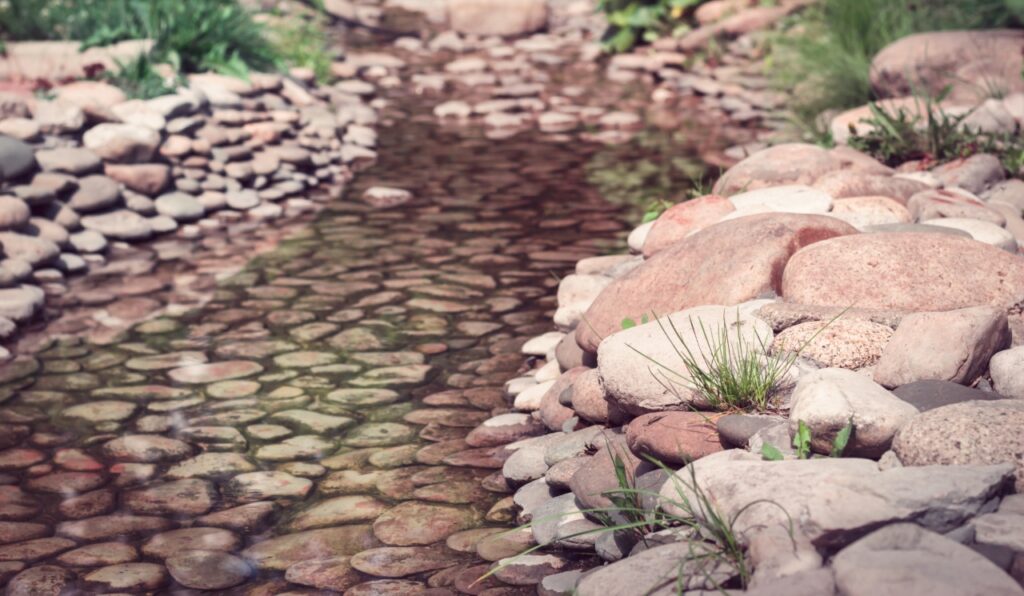
River rock is commonly used for:
- Landscape beds
- Drainage areas
- Decorative borders
- Dry creek beds
- Around trees
- Walkways
- Water features
Because it does not decompose like organic materials, river rock provides a long-lasting landscape solution with minimal replacement requirements.
Many homeowners comparing river rock vs mulch appreciate river rock for its durability and decorative appearance.
What Is Mulch?
Mulch is an organic or inorganic material placed over the soil to protect plants and improve landscape performance.
Organic mulch options commonly include:
- Pine bark
- Hardwood mulch
- Cypress mulch
- Wood chips
Mulch provides several important benefits:
- Conserves soil moisture
- Suppresses weed growth
- Helps regulate soil temperature
- Reduces erosion
- Improves soil as it decomposes
- Enhances the appearance of landscape beds
Because mulch gradually breaks down over time, it typically requires periodic replenishment to maintain its effectiveness.
Understanding how mulch functions is essential when evaluating river rock vs mulch for your landscape.
River Rock vs. Mulch: Comparing the Differences
Although both materials improve the appearance of landscaping, river rock vs mulch involves several important differences.
Appearance
River rock creates a clean, decorative look that complements many landscape styles, especially modern and tropical designs.
Mulch provides a softer, more natural appearance that blends well with flower beds, shrubs, and traditional landscapes.
Longevity
River rock can last for many years with minimal replacement.
Mulch naturally decomposes and generally needs to be refreshed every year or two, depending on weather conditions and the type of mulch used.
Weed Suppression
Both materials help suppress weeds when installed over a proper landscape fabric or prepared soil.
However, weeds can eventually grow in accumulated debris on top of river rock, while mulch may become thinner as it decomposes.
Moisture Retention
Mulch generally retains soil moisture more effectively than river rock because it acts as an insulating layer over the soil.
River rock allows water to pass through but may absorb and retain heat during Florida’s hot summer months.
Maintenance
River rock requires occasional cleaning and weed removal but rarely needs replacement.
Mulch requires periodic replenishment, redistribution after heavy rain, and occasional replacement as it breaks down.
Knowing these differences helps homeowners compare river rock vs mulch based on their landscape goals and maintenance preferences.
When River Rock Is the Better Choice
River rock works particularly well in areas where durability and drainage are priorities.
It is often recommended for:
- Drainage swales
- Around downspouts
- Dry creek beds
- Decorative borders
- Erosion-prone areas
- Low-maintenance landscapes
Because river rock stays in place better during heavy rainfall, it can be an excellent option for certain areas of Florida landscapes.
When Mulch Is the Better Choice
While river rock offers long-term durability, mulch is often the better choice for planting areas where soil health and moisture retention are priorities.
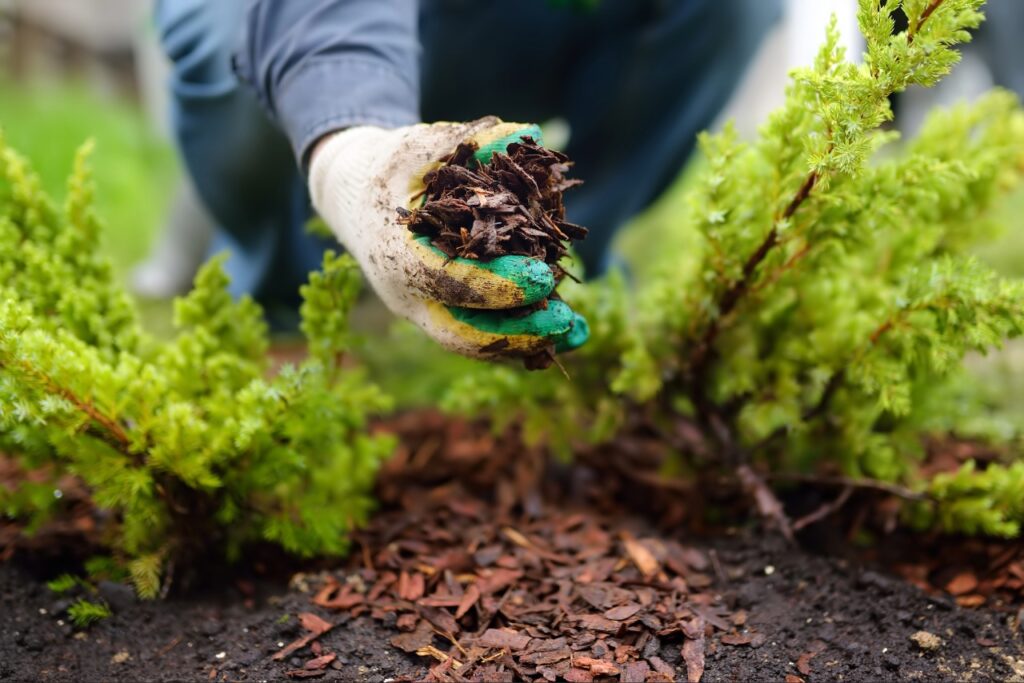
Mulch is ideal for:
- Flower beds
- Trees and shrubs
- Vegetable gardens
- Newly planted landscapes
- Foundation plantings
- Areas with delicate root systems
As organic mulch gradually decomposes, it adds valuable organic matter back into the soil. This improves soil structure over time and helps support healthier root development for many landscape plants.
When comparing river rock vs mulch, homeowners who want healthier planting beds and improved soil conditions often choose mulch for these reasons.
Can You Use River Rock and Mulch Together?
Absolutely. In many Florida landscapes, the best solution isn’t choosing river rock vs mulch, but using both materials where they perform best.
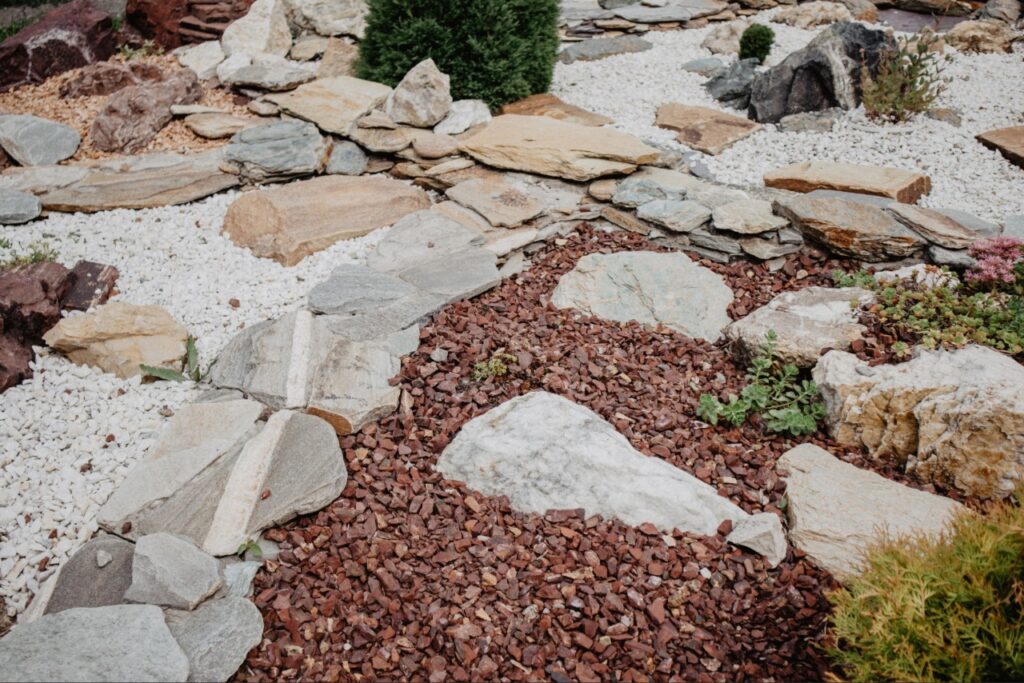
For example:
- Use river rock around drainage areas and downspouts.
- Install river rock in dry creek beds to help direct stormwater.
- Use mulch around trees, shrubs, and flower beds.
- Add river rock along walkways or decorative borders for visual contrast.
- Use mulch in planting areas where moisture retention is important.
Combining both materials allows homeowners to enjoy the benefits of each while creating an attractive and functional landscape design.
Factors to Consider Before Choosing
Every property is different, so selecting the right material depends on several factors.
Landscape Goals
If your primary goal is improving plant health, mulch is often the preferred option.
If you want a decorative, long-lasting material that requires less frequent replacement, river rock may be the better investment.
Drainage
Florida’s heavy rainfall makes drainage an important consideration.
River rock performs well in areas designed to move water away from structures, while mulch is better suited for planting beds where moisture conservation benefits plants.
Maintenance Preferences
Homeowners looking for lower long-term replacement needs may prefer river rock.
Those who don’t mind refreshing landscape beds periodically may appreciate the natural benefits mulch provides.
Budget
Mulch generally has a lower initial cost than river rock.
However, because mulch decomposes over time, it requires replenishment, while river rock often lasts for many years with minimal replacement.
Evaluating these factors makes it easier to decide between river rock vs mulch based on your property’s unique needs.
Common Mistakes to Avoid
When installing either material, avoid these common mistakes:
- Applying mulch too deeply around plants.
- Piling mulch directly against tree trunks.
- Installing river rock without proper weed control beneath it.
- Using river rock in areas where soil temperatures may become excessively hot for sensitive plants.
- Ignoring drainage issues before adding decorative materials.
Proper installation helps both river rock and mulch perform more effectively while extending the life of your landscape.
Choosing the Right Landscape Material
There is no one-size-fits-all answer to river rock vs mulch. The best choice depends on how each area of your landscape will be used.

Many Florida homeowners achieve the best results by combining both materials. River rock provides durability and decorative appeal in drainage areas and pathways, while mulch supports healthier soil and plants in landscape beds.
Selecting quality materials and installing them correctly can improve curb appeal, reduce maintenance, and help your landscape remain attractive throughout the year.
At Fine Design Outdoor Solutions, we help homeowners choose the right landscape supplies for projects of every size. Whether you’re updating existing landscape beds or designing an entirely new outdoor space, our team can recommend materials that complement your property’s style, improve functionality, and support long-term landscape success.
Create a Beautiful and Functional Florida Landscape
Understanding the differences between river rock vs mulch helps homeowners make informed landscaping decisions that balance beauty, performance, and maintenance.
River rock offers exceptional durability, excellent drainage, and long-lasting decorative appeal. Mulch provides moisture retention, weed suppression, soil improvement, and a natural appearance that supports healthy plant growth.
By selecting the right material—or combining both where appropriate—you can create an outdoor environment that is attractive, practical, and well-suited to Florida’s unique climate.
At Fine Design Outdoor Solutions, we’re committed to helping homeowners choose premium landscape supplies that enhance curb appeal and create outdoor spaces designed to thrive throughout Southwest Florida.
Frequently Asked Questions
-
Is river rock or mulch better for Florida landscaping?
The answer depends on your landscaping goals. When comparing river rock vs mulch, river rock is ideal for drainage areas, decorative borders, and low-maintenance landscapes, while mulch is better for flower beds, trees, shrubs, and gardens where moisture retention and soil health are important.
-
Does river rock help prevent weeds?
River rock can help reduce weed growth when installed over properly prepared soil or landscape fabric. However, weeds may still grow in debris that accumulates between the rocks, so occasional maintenance is necessary.
-
How often should mulch be replaced in Florida?
Most Florida landscapes benefit from refreshing mulch every 6 to 12 months, depending on the mulch type, weather conditions, and how quickly it decomposes.
-
Can river rock and mulch be used together?
Yes. Many homeowners combine river rock vs mulch by using river rock in drainage areas, pathways, and borders while applying mulch around plants, trees, and shrubs to improve soil moisture and suppress weeds.